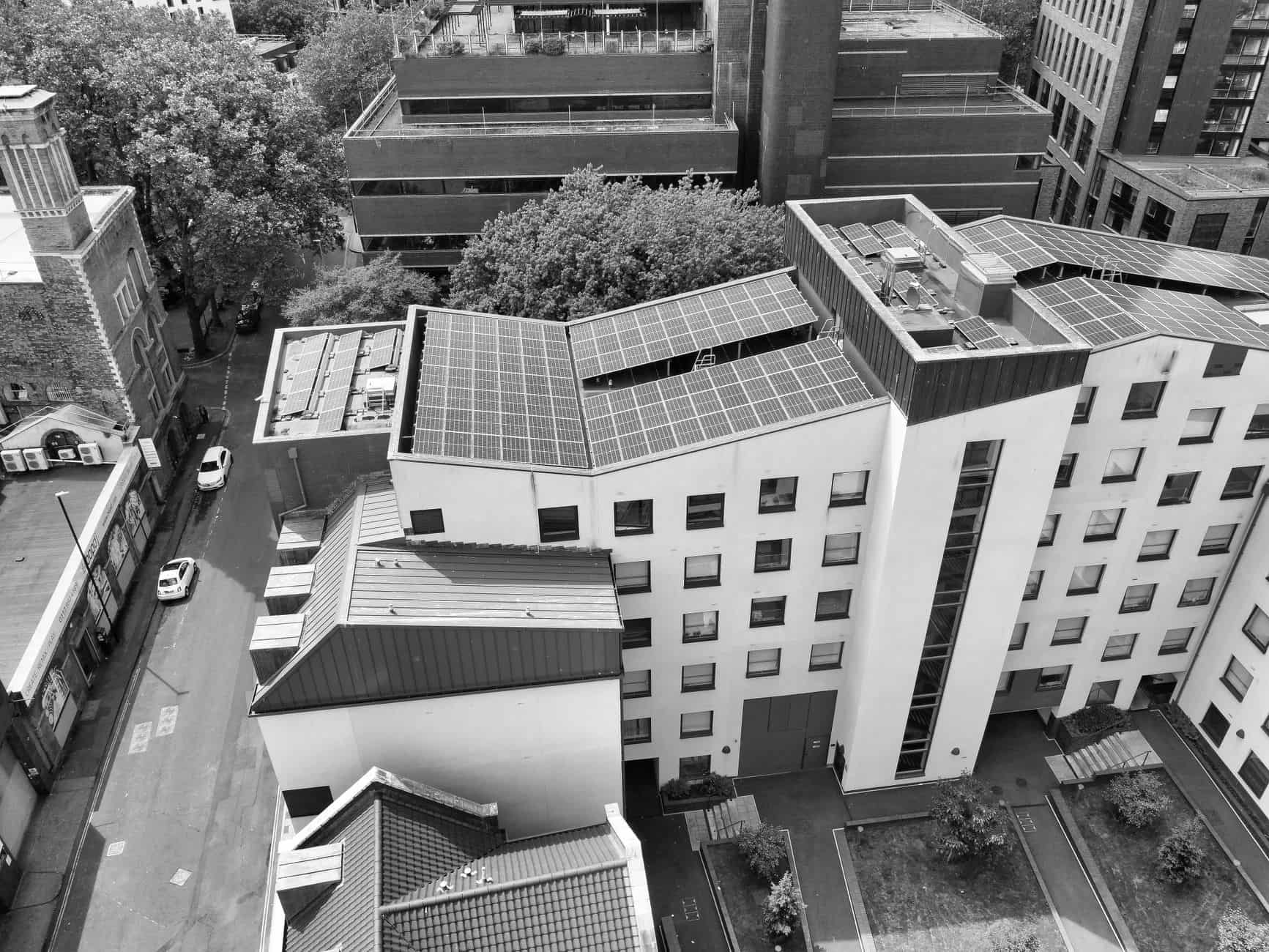
Local Israeli Governments Get Solar Boost
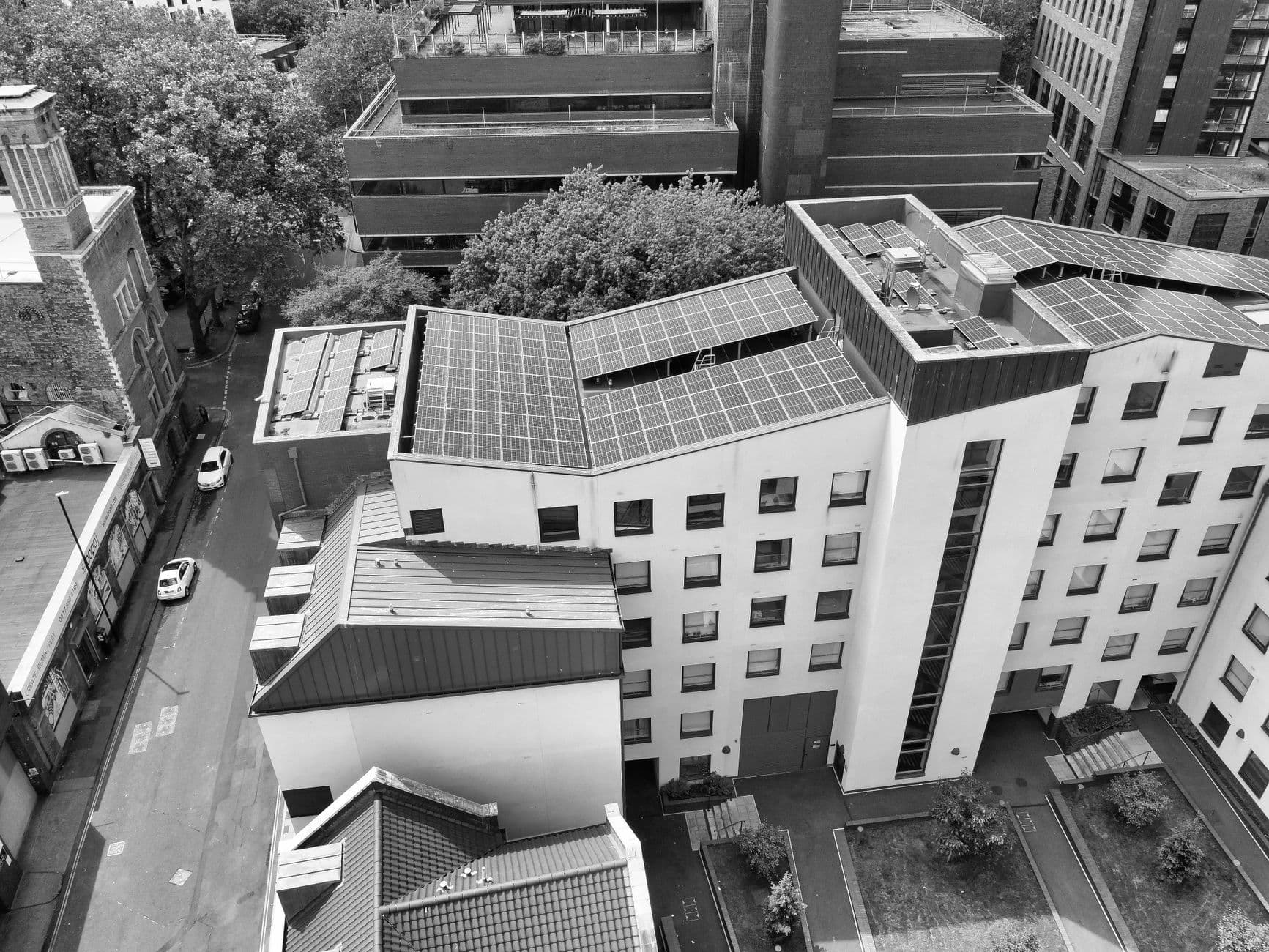
Energy Revolution Unveiled: NIS 30 M Grants for Municipal Solar
Israel’s Ministry of Energy announced a NIS 30 million grant program dedicated to fast‑tracking renewable projects in local authorities this year. The funds are earmarked for solar‑panel installations, energy‑efficiency upgrades and electric‑vehicle charging stations, aiming to cut municipal electricity bills and improve residents’ quality of life. By putting money directly into city budgets, the government removes the upfront capital barrier that has slowed many town‑level projects.
Accelerator Plan Accelerates Solar in 20 Cities
The "Accelerator" programme launched in February pairs the Ministry of Energy with 20 selected municipalities to pilot energy‑efficiency measures, electric‑transport solutions and, most importantly, large‑scale rooftop solar farms. Participants receive technical assistance, streamlined permitting and priority access to the new commercial‑PV tariff, which was raised by up to 33 % to make projects financially viable. The plan promises “cleaner municipalities, lower expenses and a higher quality of life” for residents.
New Tariffs Make Commercial Rooftop PV Viable
In January, Israel’s Electricity Authority approved a 33 % tariff uplift for commercial‑scale PV systems between 100 kW and 630 kW, raising the revenue per kilowatt‑hour to a level that can cover installation costs within a few years. The updated rates, combined with the municipal‑specific feed‑in price of ₪0.54/kWh, create a clear profit margin for city‑owned solar farms.
Solar to Dominate Israel’s Renewable Mix (≈90 %)
According to the U.S. Trade Administration’s energy guide, solar will provide roughly 90 % of all electricity generated from renewable sources in Israel once the current rollout reaches its target levels. This dominance is driven by the country’s high solar irradiance, falling panel prices and strong policy support at both national and local levels.
What It Means for Israeli Municipalities
A typical 100 kW municipal rooftop system in the southern region (annual yield ~1,950 kWh/kW) would produce ≈195,000 kWh per year. At the municipal tariff of ₪0.54/kWh, the system would generate ≈₪105,300 annually. Using the typical commercial installation cost of ₪2,200/kW, the upfront investment is ≈₪220,000. Simple payback = 220,000 ÷ 105,300 ≈ 2.1 years, after which the municipality enjoys virtually free electricity for the remaining ≈23 years of the system’s life. This calculation uses the verified Israeli figures for cost, yield and tariff, illustrating how the new grants and tariffs turn solar into a rapid‑return asset for local budgets.
Challenges and Next Steps
While funding and tariffs are now favorable, municipalities must still navigate zoning rules, grid‑connection approvals and the need for skilled project managers. The Accelerator’s technical‑assistance component is designed to address these bottlenecks, but long‑term success will depend on sustained political will and the ability to integrate storage solutions as the grid evolves.
What it means for Israel – The rapid payback of municipal solar projects can help lower the tax burden for residents, reduce reliance on imported fossil fuels and deliver a measurable drop in CO₂ emissions (≈0.5 kg avoided per kWh). Expanding the Accelerator to more municipalities could contribute significantly to cutting electricity‑import costs and support Israel’s 30 % renewable‑energy target for 2030.
Sources & further reading
- Assessment of innovation policy standards' impact on local...
- Israel Launches Accelerator Plan For Renewable Energy... - SolarQuarter
- Solar Energy Policy in Israel: Social, Economic, and Political...
- Local authorities to receive grants to transition to sustainable energy...
- Israel - Energy - International Trade Administration
FAQ
How much money is the Israeli government allocating for municipal renewable projects?
NIS 30 million will be distributed this year to local authorities for solar installations, energy‑efficiency upgrades and EV‑charging infrastructure.
What is the Accelerator plan?
It is a joint Ministry‑municipality programme that supports 20 cities with technical help, faster permits and priority access to the new commercial‑PV tariff.
How much did the commercial PV tariff increase?
The Electricity Authority raised the tariff for 100‑630 kW systems by up to 33 %, improving revenue per kWh for rooftop solar.
What share of Israel’s renewable electricity will come from solar?
Solar is expected to generate about 90 % of the country’s renewable power once current targets are met.
How fast can a municipal solar farm pay back its investment?
A typical 100 kW rooftop in the south can recoup its ≈₪220,000 cost in roughly 2.1 years at the municipal tariff of ₪0.54/kWh.
Will these measures help Israel reach its 2030 renewable goal?
Yes – faster solar roll‑out, lower municipal costs and reduced fossil‑fuel imports all push the nation toward the 30 % renewable‑energy target.
Share this post
More from Policy
6
Israel Pauses New Data‑Center Power Connections
Israel’s Electricity Authority has suspended new power‑connection permits for server farms for 140 days, citing pending requests that could add 27,000 MW—about 10 % of national consumption.
Croatia’s First Solar Energy Community Launches
Prva energetska zajednica u Hrvatskoj u Špičkovini sada isporučuje 32 kW krovne solarne energije u mrežu, smanjujući račune članova za otprilike polovicu i prepolovljavajući njihove početne troškove.

Israel’s Gas Push Fuels Settlement Solar Debate
The Palestinian Energy Authority views Israel’s new gas infrastructure as a tool for settlement expansion, while the resulting lower electricity costs could boost solar‑panel adoption and help meet renewable targets.
Stalled Solar Law Threatens Israeli Projects
The solar‑energy law stalled in the Knesset could cancel dozens of projects and add significant extra costs for developers, while also lengthening payback periods for rooftop owners.
Solar Reward Tariffs End 2026 – Grab the Deal Now
Israel’s Ministry of Energy guarantees the highest residential solar feed‑in tariff only until the end of 2026, urging homeowners to install rooftop panels now and lock in a premium rate.
Israel's Solar Rules Shift – What Changes?
Israel will soon mandate solar panels on new buildings and adjust tariffs, keeping residential feed‑in rates around ₪0.48/kWh and preserving strong economics for rooftop solar.