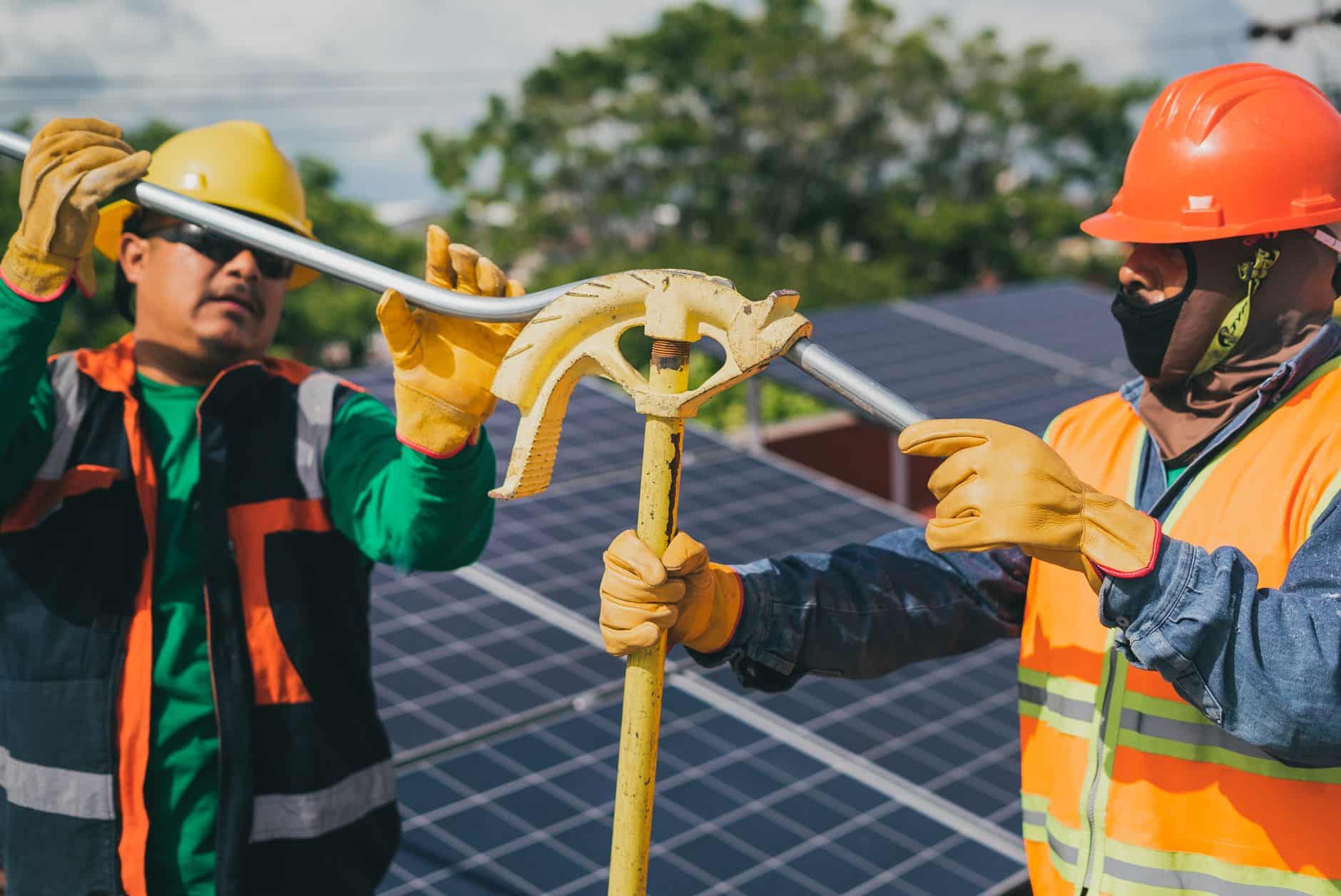
Inclusion Must Move Past Token Gestures
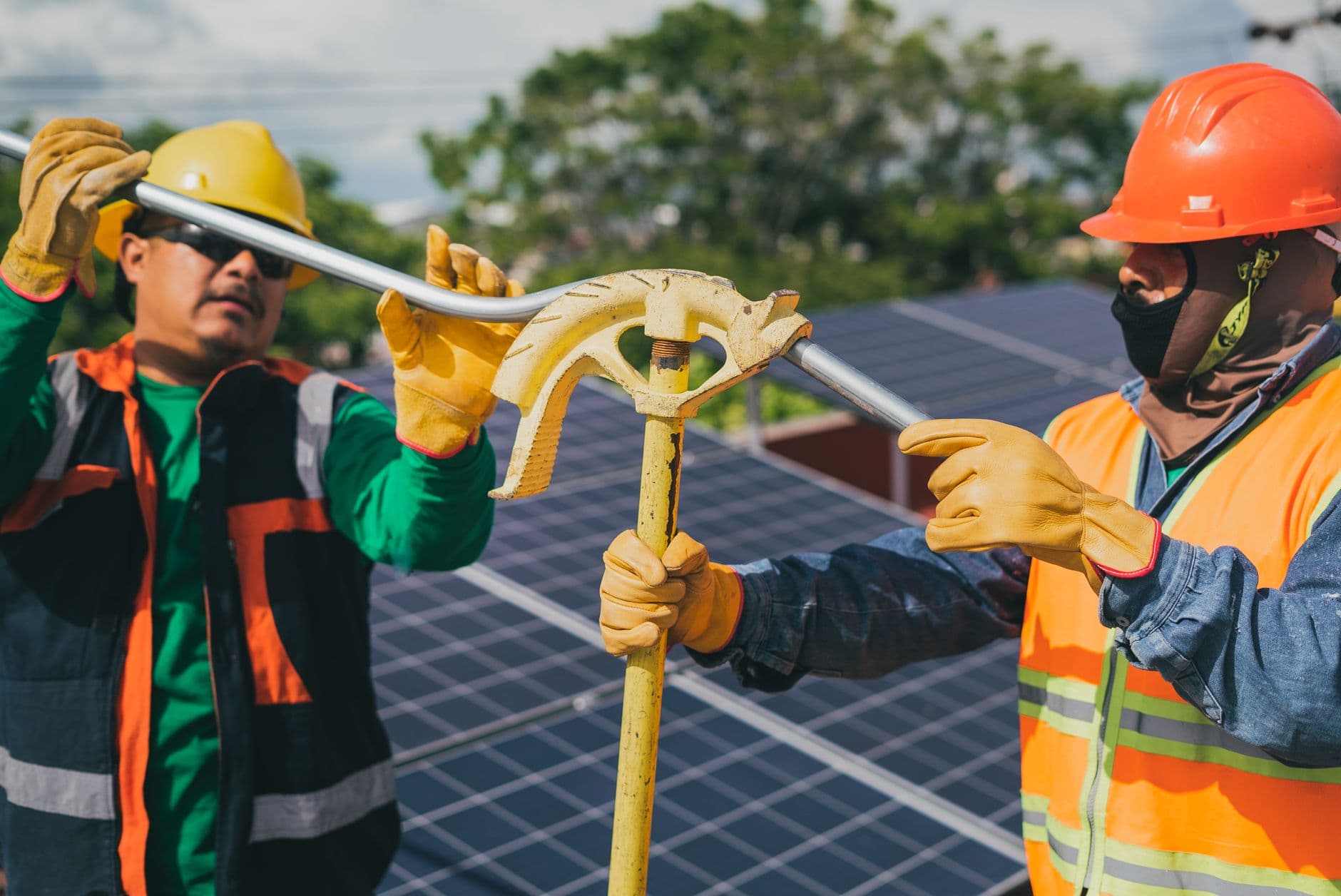
Inclusion means giving people the tools, not just symbols
Inclusion in solar must provide practical means—adapted PPE, anonymous hiring and real project‑lead roles—otherwise talent slips away. Floriane de Brabandère, president of France’s FNES, argues that “you cannot retain talent that is poorly equipped,” and backs it up with a federation that offers anonymous applications and a women‑only association that supplies gender‑neutral tools.
Solar sector has a relatively high share of women
Solar is one of the most gender‑balanced renewable fields, with a noticeably higher proportion of women than in many other energy sectors. The figure is highlighted in IRENA’s gender‑perspective reports, which note that solar’s lack of strict degree requirements helped it escape the traditional glass ceiling.
Diverse teams can improve risk management and innovation
When teams reflect the market they serve, they tend to spot risks earlier and generate a broader range of solutions. De Brabandère observed that during a French industry crisis, a group of 300 leaders—including a handful of women—channeled criticism into concrete actions that led the government to consult field players within days. Research on gender‑diverse teams in renewable‑energy contexts suggests they can enhance safety awareness and innovation.
Floriane de Brabandère shows how to turn ideas into action
De Brabandère’s path—from factory‑worker daughter to federation president—illustrates that solar welcomes non‑traditional backgrounds. She built her credibility by translating technical texts into plain language, mastering regulations word‑for‑word and founding a recruitment firm that uses blind CVs. Her “competence as a shield” approach, combined with humor (Timberlands over suits), demonstrates that leadership in solar is shifting from posturing to collective coordination.
Practical steps for real inclusion
- Equip everyone equally – provide gender‑neutral PPE, adjustable workstations and tools that fit all body types.
- Offer real career ladders – assign women to project‑lead positions, not perpetual assistant roles.
- Measure pay and promotion gaps – without data, gaps cannot be closed; the industry still struggles to count workers by gender.
- Make flexibility universal – remote‑work options must be accessible to all, otherwise they become a career trap for women.
- Show visible trajectories – publish case studies of women who have risen through the ranks so newcomers can see a path.
These actions move inclusion from “good intentions” to mechanisms that actually retain talent.
What it means for Israel
Israel’s solar market already enjoys a notable share of women in field jobs, but the sector can still benefit from the mechanisms described above. Using the typical Israeli figures:
- A 10 kWp rooftop system in central Israel yields ~17 000 kWh / year (1700 kWh / kWp × 10 kWp).
- At the residential tariff of ₪0.48/kWh, that electricity is worth ₪8 160 per year.
- With a turnkey cost of ₪3 150/kWp, the installation costs ₪31 500.
- Simple payback = 31 500 ÷ 8 160 ≈ 3.9 years, after which the system generates profit for the remaining ~21 years of its life.
Forward look
As solar continues to write its own rules, the next wave of leaders will be those who embed inclusion into every process—from procurement to rooftop installation. The French example shows that when women are given the tools, the voice, and the data to demonstrate their impact, the industry becomes more resilient and innovative, supporting broader renewable‑energy goals.
What it means for Israel – By adopting blind hiring, gender‑neutral equipment and transparent promotion metrics, Israeli solar firms can broaden their talent pool and help accelerate the nation’s renewable‑electricity targets.
Sources & further reading
FAQ
What percentage of solar jobs worldwide are held by women?
About 40 % of solar‑industry jobs are held by women, the highest share among renewable sectors.
How does gender diversity improve solar project outcomes?
Diverse teams spot risks earlier and generate more patents, leading to safer, more innovative projects.
What concrete steps can companies take to improve inclusion?
Provide gender‑neutral PPE, use blind recruitment, assign women to lead roles, track pay gaps and make flexible work options universal.
How fast can a typical 10 kWp home system pay for itself in Israel?
At a residential tariff of ₪0.48/kWh and a cost of ₪3 150/kWp, the payback is roughly 3.9 years.
Why is solar considered a social elevator in France and Israel?
Solar jobs often require no long degree, allowing people from modest backgrounds to enter well‑paid, local work that can’t be outsourced.
Share this post
More from Policy
6
China's New Solar Tax Could Raise Global PV Prices
China’s new 2‑4 % consumption tax on solar cells (and batteries) starts in 2027, potentially nudging up global module prices and modestly extending payback periods for Israeli rooftop installations.
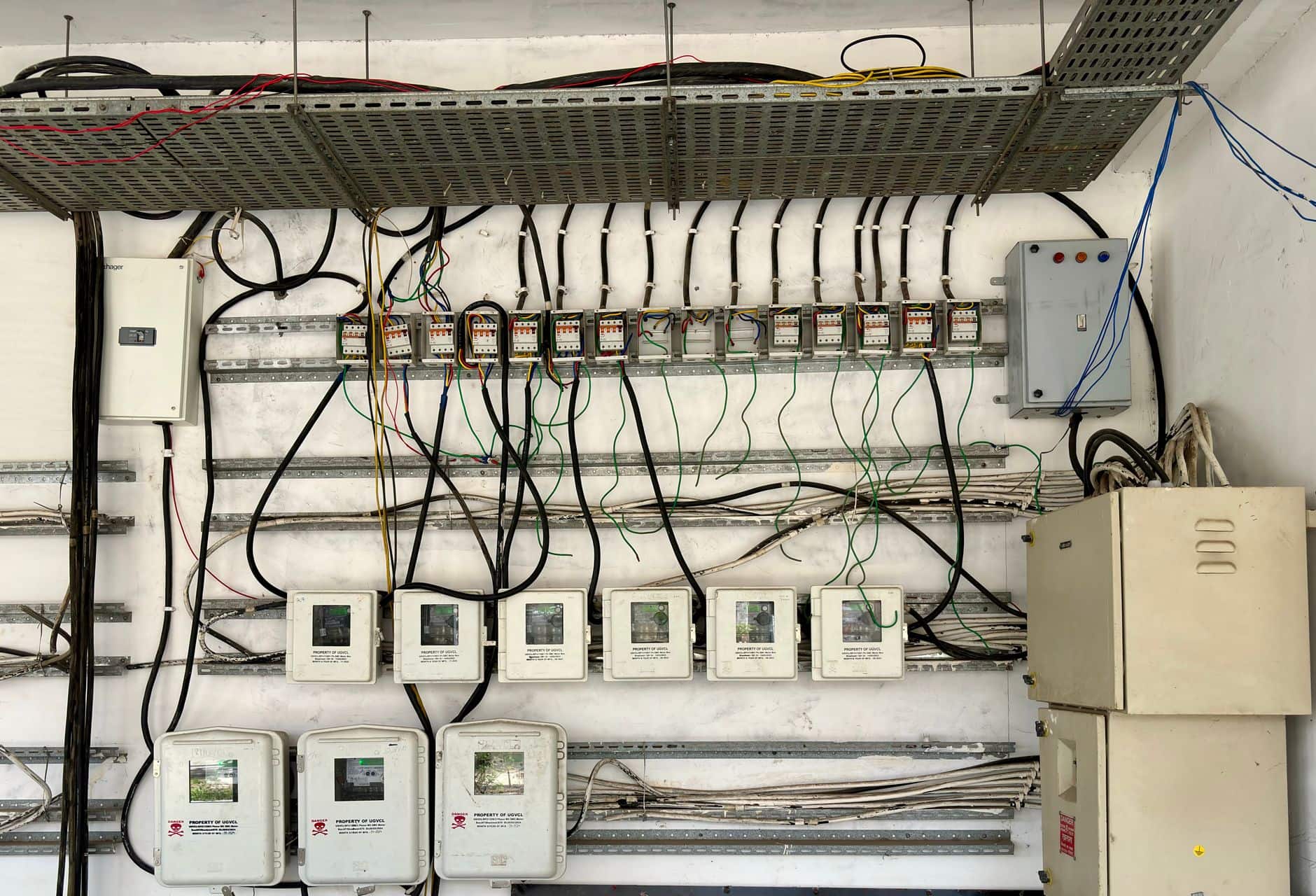
Cable Rule Loosened, Solar Projects Accelerate
Israel has relaxed its power‑cable standards, permitting higher‑ampacity conductors that cut solar project wiring, modestly lower costs and accelerate deployments, helping the country move toward its 2030 renewable‑energy goal.
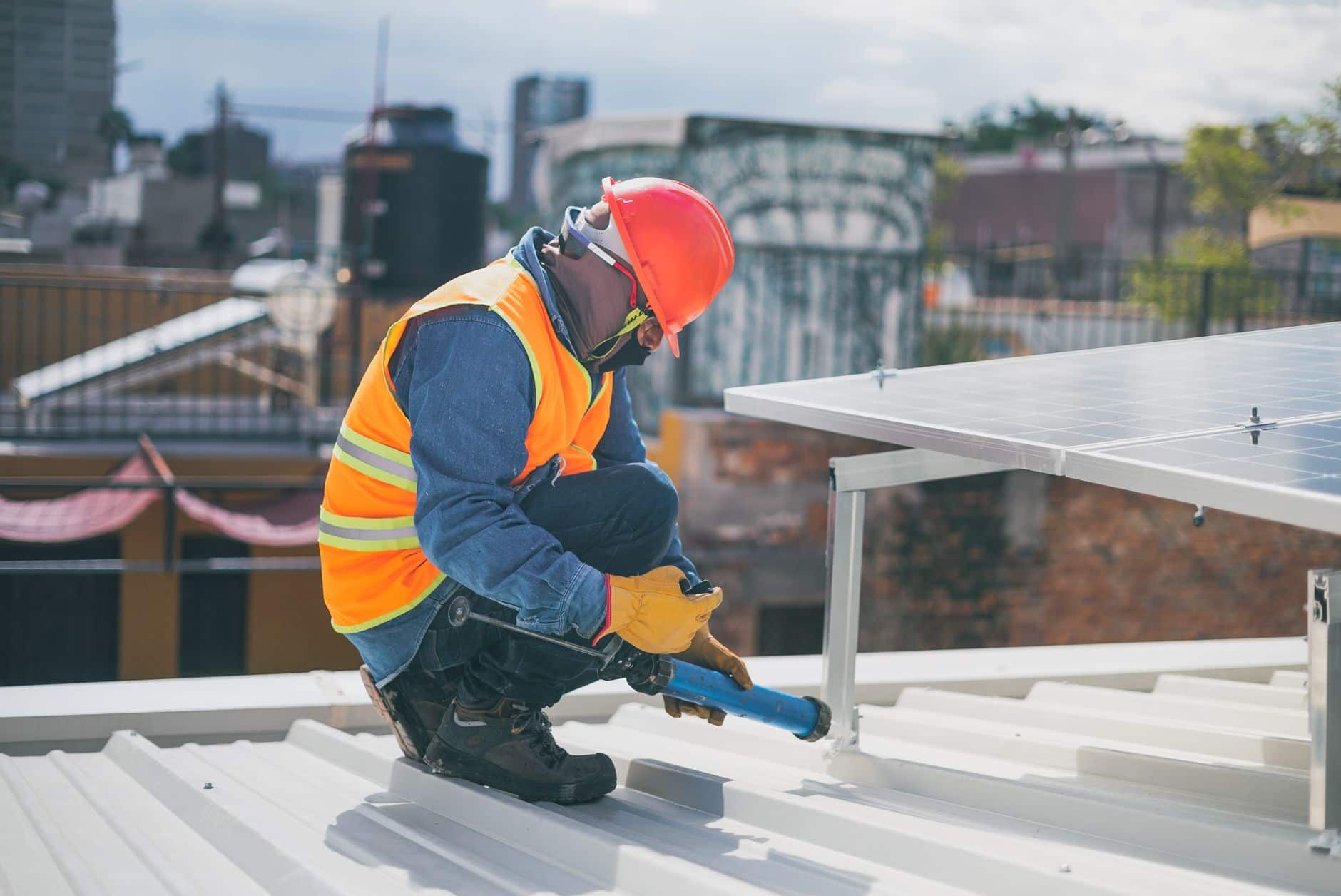
Israel Mandates Rooftop Solar on New Buildings
Israel’s new law forces rooftop solar on all new non‑residential buildings and adds fast‑track incentives, cutting the typical residential payback to under four years.
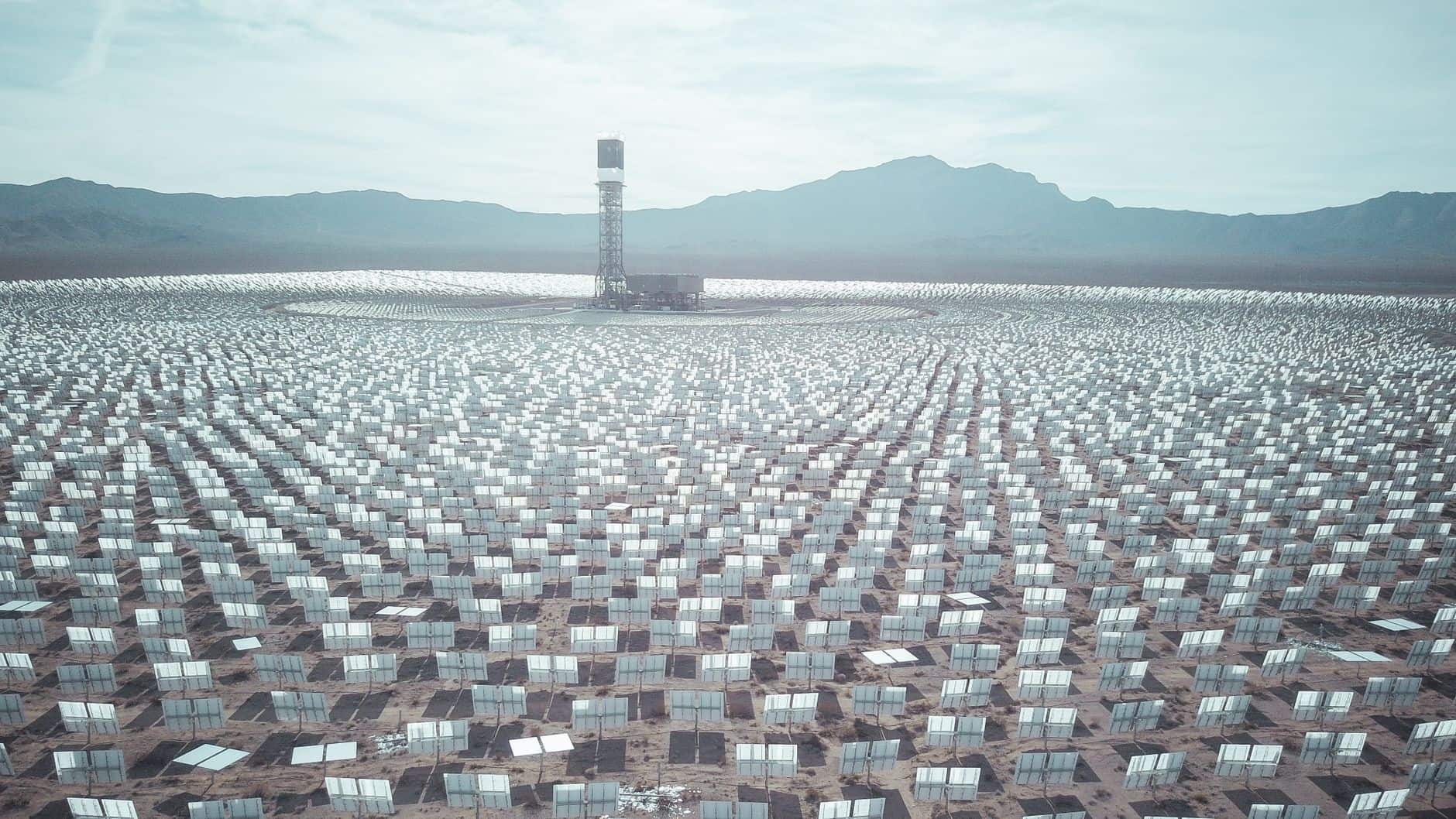
Giant Solar Farm Threatens Endangered Reptiles
Israel approved a 265 MW solar farm in the Negev that overlaps the habitat of protected reptiles, sparking a debate between renewable‑energy goals and desert biodiversity protection.
UAE Pushes Regional Water‑Energy Summit with Israel, Jordan
The UAE has offered to host a trilateral summit with Israel and Jordan to forge a water‑for‑energy deal, but Jordan denies any formal invitation, highlighting diplomatic uncertainty.

Philippines Revamps Grid Code to Boost Solar
The Philippines’ 2026 grid code adds standards for solar‑plus‑storage and cuts net‑metering interconnection time from 20 to 10 days, while removing the 1 MW cap, aiming to boost distributed solar capacity.