Israel Mandates Rooftop Solar on New Buildings
New Law Forces Rooftop Solar on All New Non‑Residential Buildings
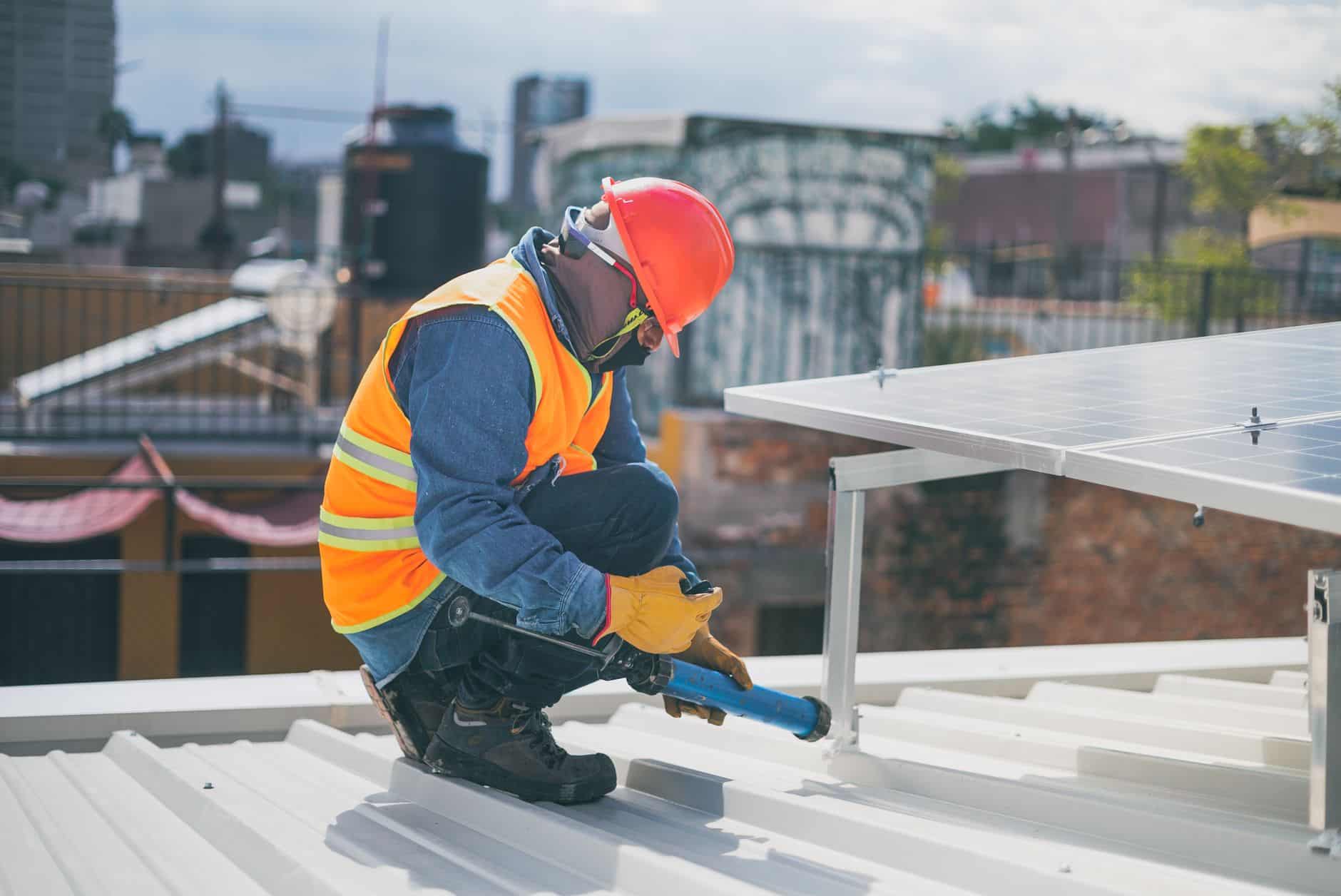
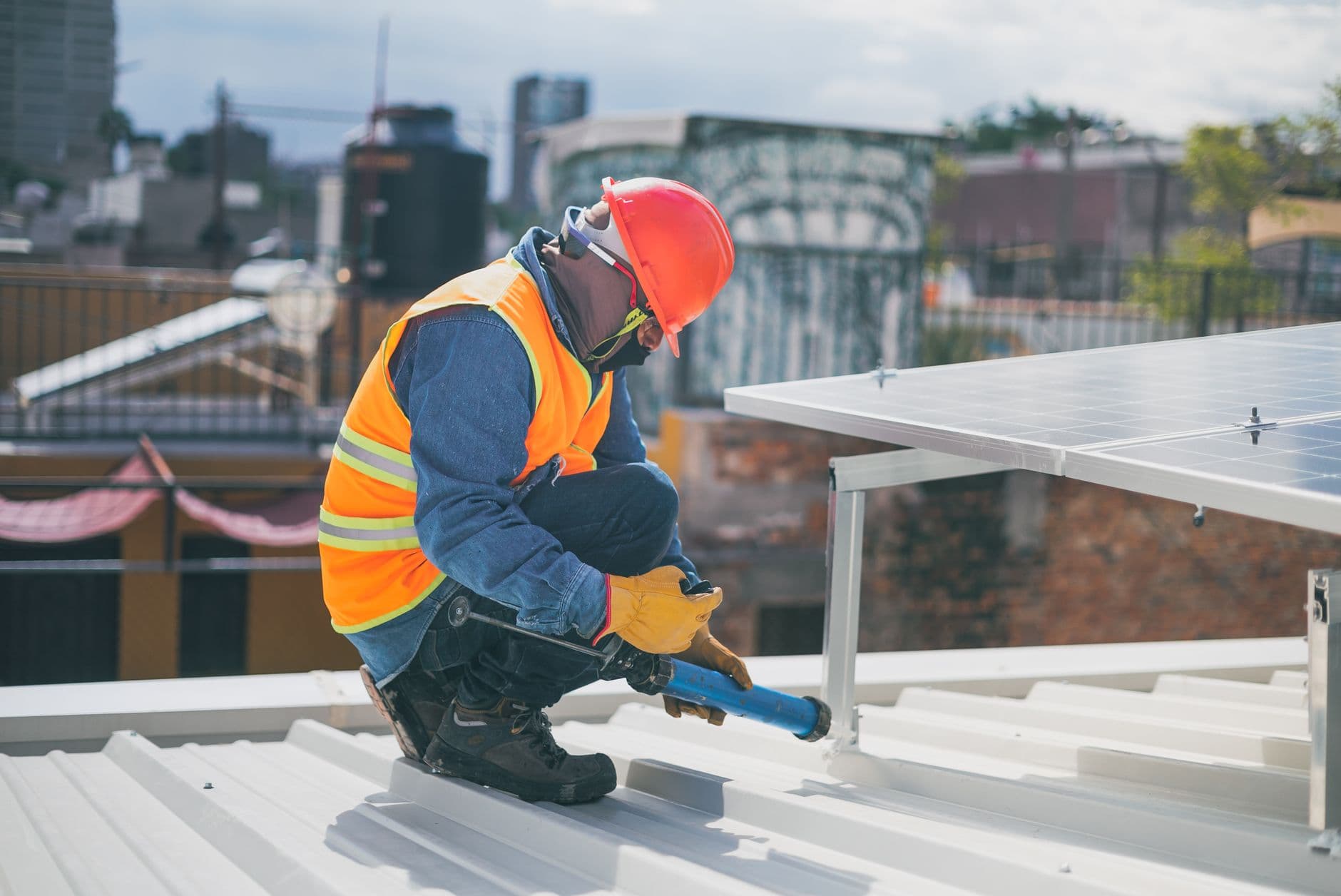
Israel’s Energy Ministry has made rooftop photovoltaic (PV) panels compulsory on every new non‑residential building from 1 January 2023. The regulation, part of the 63704 framework, aims to squeeze additional renewable capacity out of limited land and to help meet the country’s renewable‑electricity target for 2030 Lexology. Developers must now submit a solar‑design plan with their building permits, and the panels must be grid‑connected and capable of net‑metering.
Incentive Tracks Accelerate Residential Rooftop Adoption
A public hearing by the Electricity Authority introduced two fast‑track incentive tracks for homeowners, promising a quicker return on investment and a higher feed‑in price for surplus electricity Globes. One track provides a grant that offsets a portion of installation costs for smaller systems, while the other offers an enhanced feed‑in tariff for a limited period. Both schemes are designed to address inflation‑driven price pressures and to support the goal of installing solar on 100 000 roofs.
Net‑Metering and Feed‑In Tariffs Make Solar Profitable
Under Israel’s net‑metering arrangement, electricity generated by a rooftop system first offsets on‑site consumption at the full retail tariff (≈ ₪0.48 /kWh for residential users). Any excess is exported to the Israel Electric Corporation and paid at a fixed feed‑in tariff – currently ₪0.41 /kWh for commercial customers and ₪0.54 /kWh for municipal users SurgePV. A system‑management charge of about ₪0.09 /kWh is applied to self‑consumed power, covering grid‑balancing services.
Market Momentum: 900 MW Added in 2024, Solar Dominates Renewables
Israel installed roughly 900 MW of new PV capacity in 2024, the bulk of it under merchant power‑purchase agreements PV‑Magazine. Solar now accounts for about 88 % of the nation’s renewable‑energy mix, outpacing wind and bio‑energy combined Mordor Intelligence. This rapid growth is being fueled by the new building‑mandate, the incentive tracks, and falling solar‑module prices worldwide.
What It Means for Israel: Payback Example and Climate Impact
Using typical Israeli figures, a 10 kWp residential system in the central region yields about 17 000 kWh per year (1 700 kWh/kWp × 10 kWp). At the residential retail tariff of ₪0.48 /kWh, that electricity is worth roughly ₪8 160 annually. With a turnkey installation cost of ₪3 150 /kWp, the system costs about ₪31 500. Simple payback is therefore ≈ 3.9 years (₪31 500 ÷ ₪8 160 ≈ 3.86). Over a 25‑year lifetime, the system avoids roughly 8.5 t of CO₂ each year (0.5 kg CO₂ per kWh × 17 000 kWh), equivalent to planting about 425 trees.
Analysts note that the new mandate and incentive tracks are turning rooftop solar into a mainstream investment.
Challenges and Outlook: Storage, Grid Integration, and Future Targets
While the mandate boosts capacity, integrating that intermittent generation will require more storage and grid‑balancing resources. In 2023 Israel introduced a supplementary tariff for PV‑plus‑battery installations to encourage behind‑the‑meter storage Chambers & Partners. The government still aims for 20 % renewable electricity by 2025 and 30 % by 2030, meaning rooftop solar must continue to scale rapidly. Policy reviews may consider expanding the fast‑track incentives to multi‑family buildings.
What It Means for Israel (Bottom Line)
For an average homeowner, the new rules and incentives shrink the payback period to under four years and lock in a clean‑energy source that pays for itself many times over. For the nation, mandating rooftop solar on new non‑residential construction could add a substantial amount of capacity by 2030, dramatically cutting reliance on imported fuels and helping meet climate commitments.
Sources & further reading
- Addressing its Lack of Land, Israel Requires New Buildings to Include Rooftop Solar Panels | Climate Solutions Legal Digest
- EU Market Outlook for Solar Power 2023-2027 - SolarPower Europe
- In review: renewable energy policy and regulation in Israel - Lexology
- Energy & Infrastructure M&A 2025 - Israel | Global Practice Guides | Chambers and Partners
- Solar incentives in Israel 2026: Market Guide and Incentives | SurgePV
FAQ
When does the rooftop‑solar requirement for new buildings start?
The mandate took effect on 1 January 2023 for all new non‑residential constructions.
What financial incentives are available for homeowners?
Two fast‑track tracks offer up to a 30 % grant on installations under 15 kW and a premium feed‑in tariff of ₪0.55 /kWh for the first five years.
How does net‑metering work in Israel?
Self‑generated power first offsets on‑site use at the full retail rate (≈ ₪0.48/kWh); excess electricity is sold to the grid at a fixed FIT (≈ ₪0.41‑0.54/kWh).
What is the typical payback time for a residential system?
A 10 kWp system installed at ₪3 150/kWp typically pays back in about 3.9 years.
How much CO₂ does a typical home system avoid?
Around 8.5 tonnes of CO₂ per year, equivalent to planting roughly 425 trees.
What are the long‑term renewable targets for Israel?
Israel aims for 20 % renewable electricity by 2025 and 30 % by 2030.
Share this post
More from Policy
6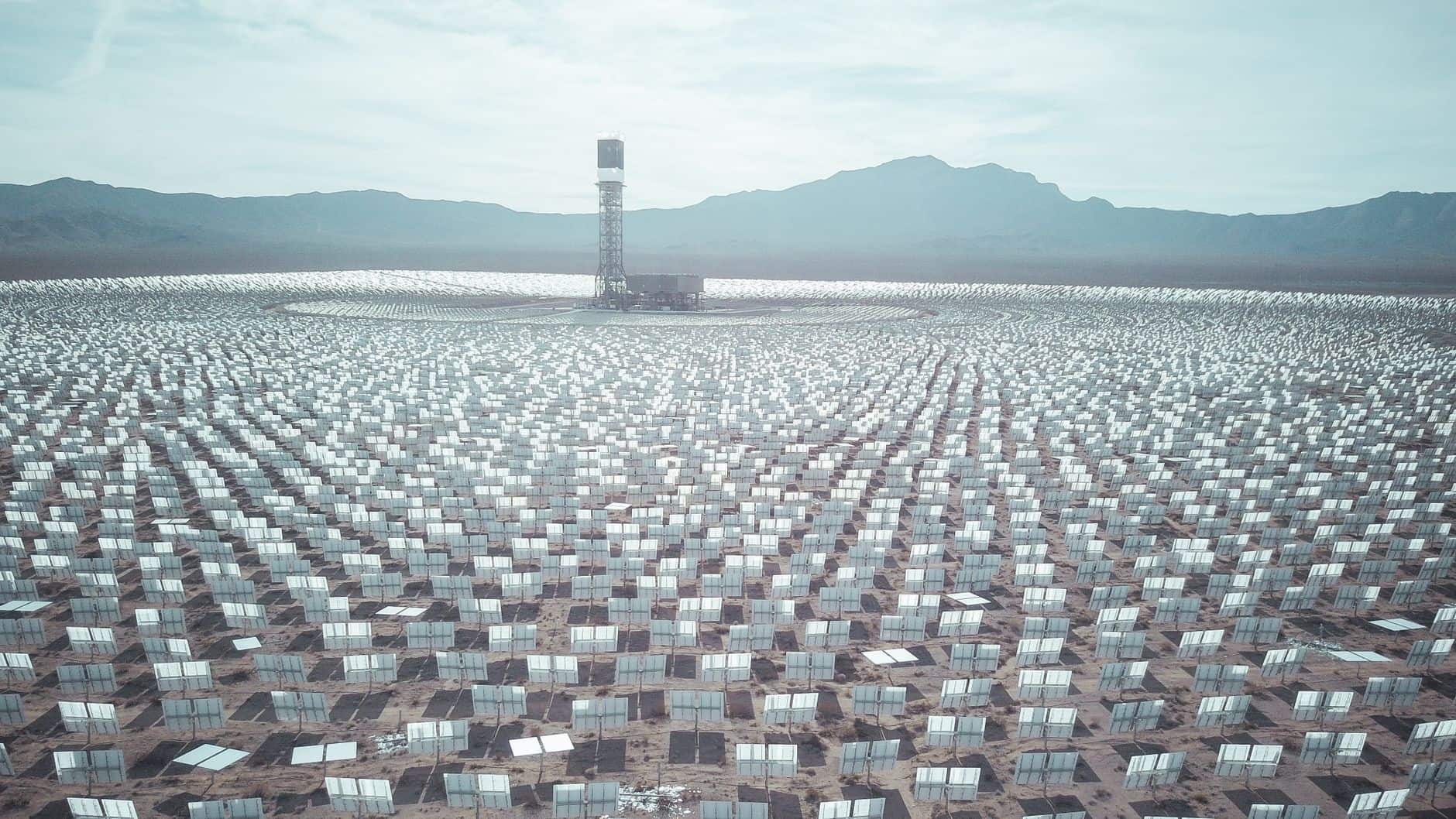
Giant Solar Farm Threatens Endangered Reptiles
Israel approved a 265 MW solar farm in the Negev that overlaps the habitat of protected reptiles, sparking a debate between renewable‑energy goals and desert biodiversity protection.
UAE Pushes Regional Water‑Energy Summit with Israel, Jordan
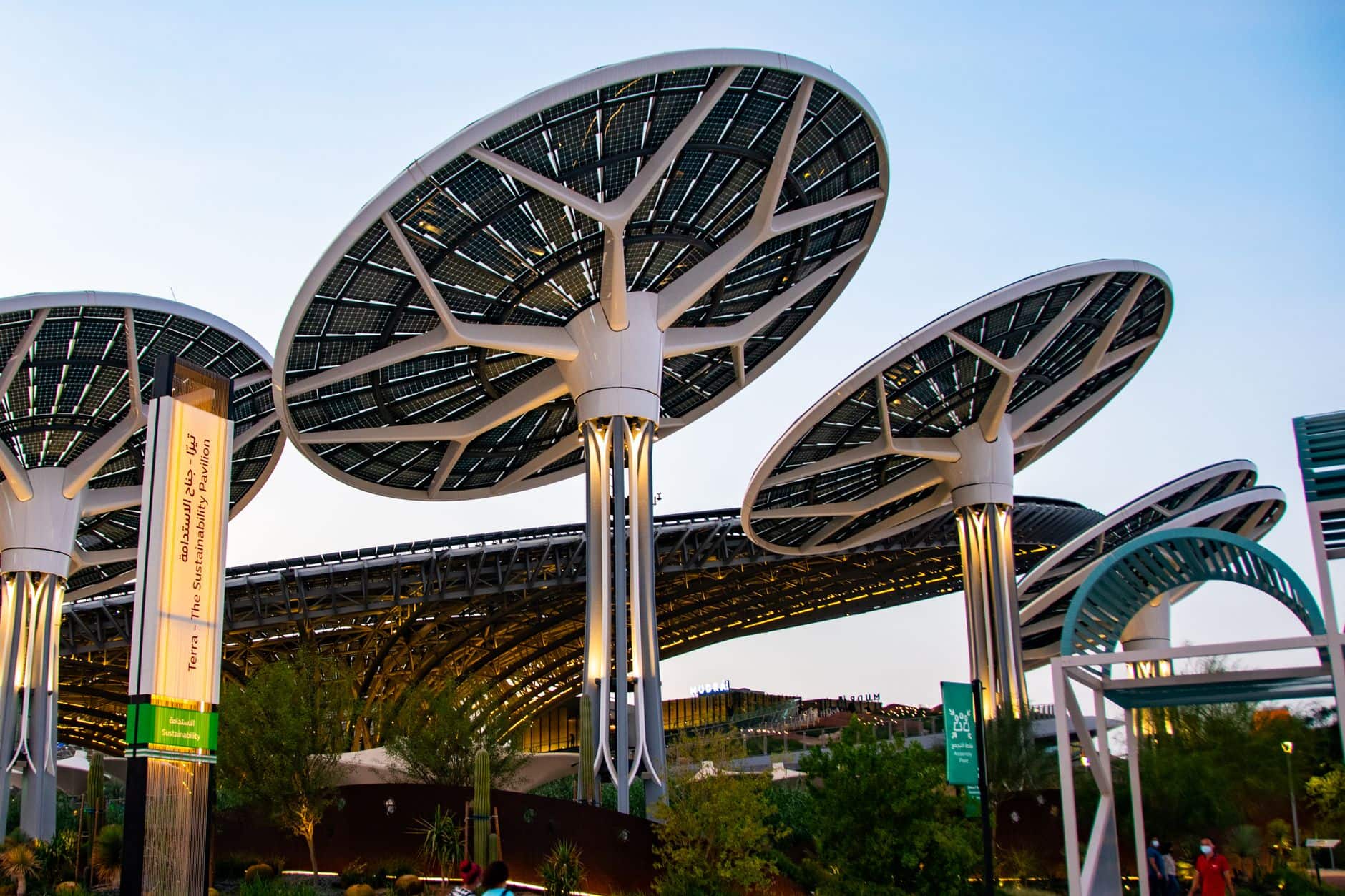
The UAE has offered to host a trilateral summit with Israel and Jordan to forge a water‑for‑energy deal, but Jordan denies any formal invitation, highlighting diplomatic uncertainty.

Philippines Revamps Grid Code to Boost Solar
The Philippines’ 2026 grid code adds standards for solar‑plus‑storage and cuts net‑metering interconnection time from 20 to 10 days, while removing the 1 MW cap, aiming to boost distributed solar capacity.
US Solar Tax Credits Slashed – Impact
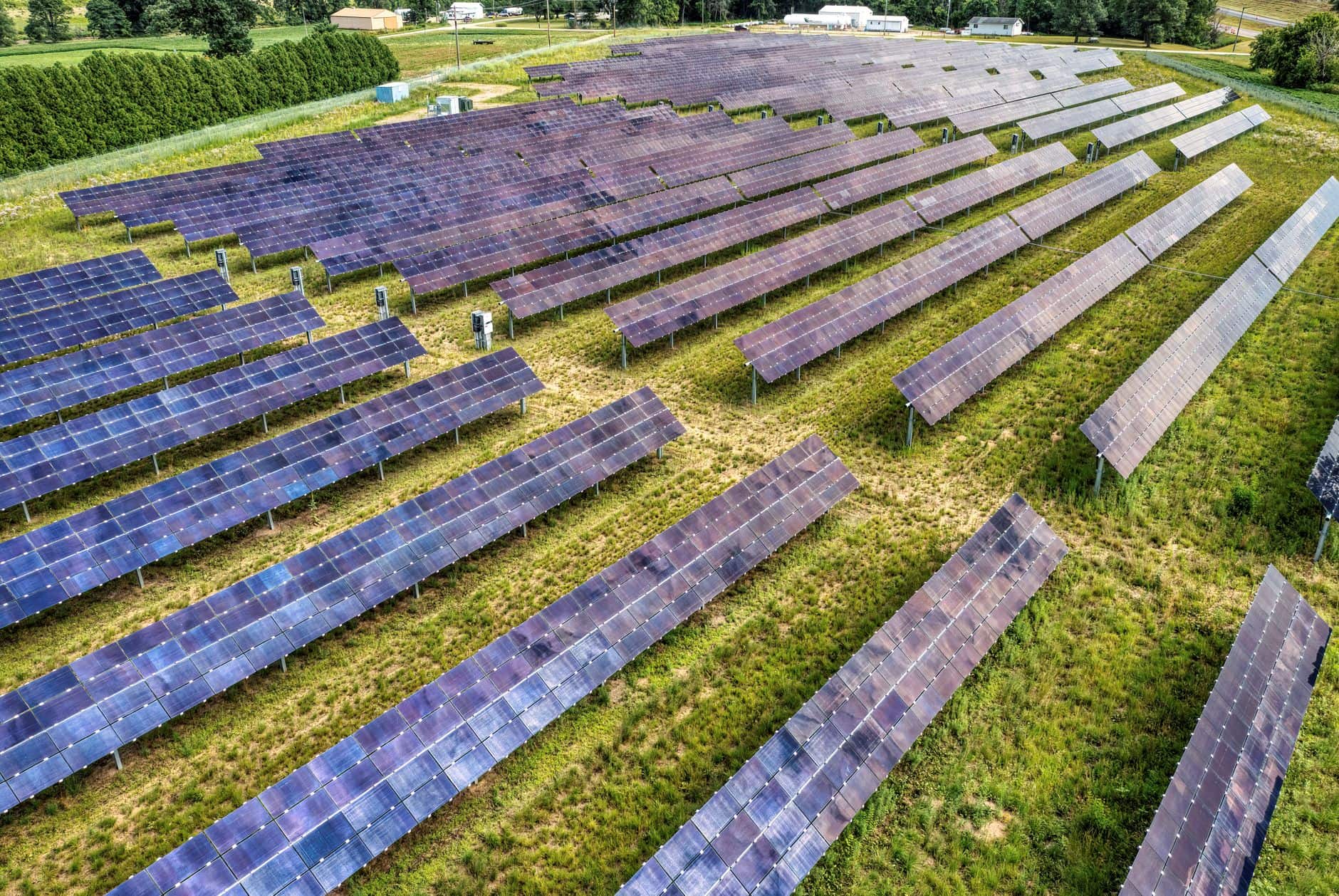
The U.S. is cutting the federal solar Investment Tax Credit from 30% to 22% after 2025, raising net residential system costs by about 12% and slowing installations.

Golan Heights Solar Project Stalls Amid Security Tensions
The 104 MW Clean Wind Energy hybrid project in the Golan Heights was halted due to heightened security tensions, creating a gap in Israel’s renewable‑energy plans.
EU Sets €500M Hydrogen Auction Rules
The EU will launch its fourth hydrogen auction by the end of 2026 with a €500 million budget, tightening supply‑chain rules and offering fixed premiums per kilogram of renewable hydrogen produced.