UAE Pushes Regional Water‑Energy Summit with Israel, Jordan
UAE proposes a trilateral summit on water and energy
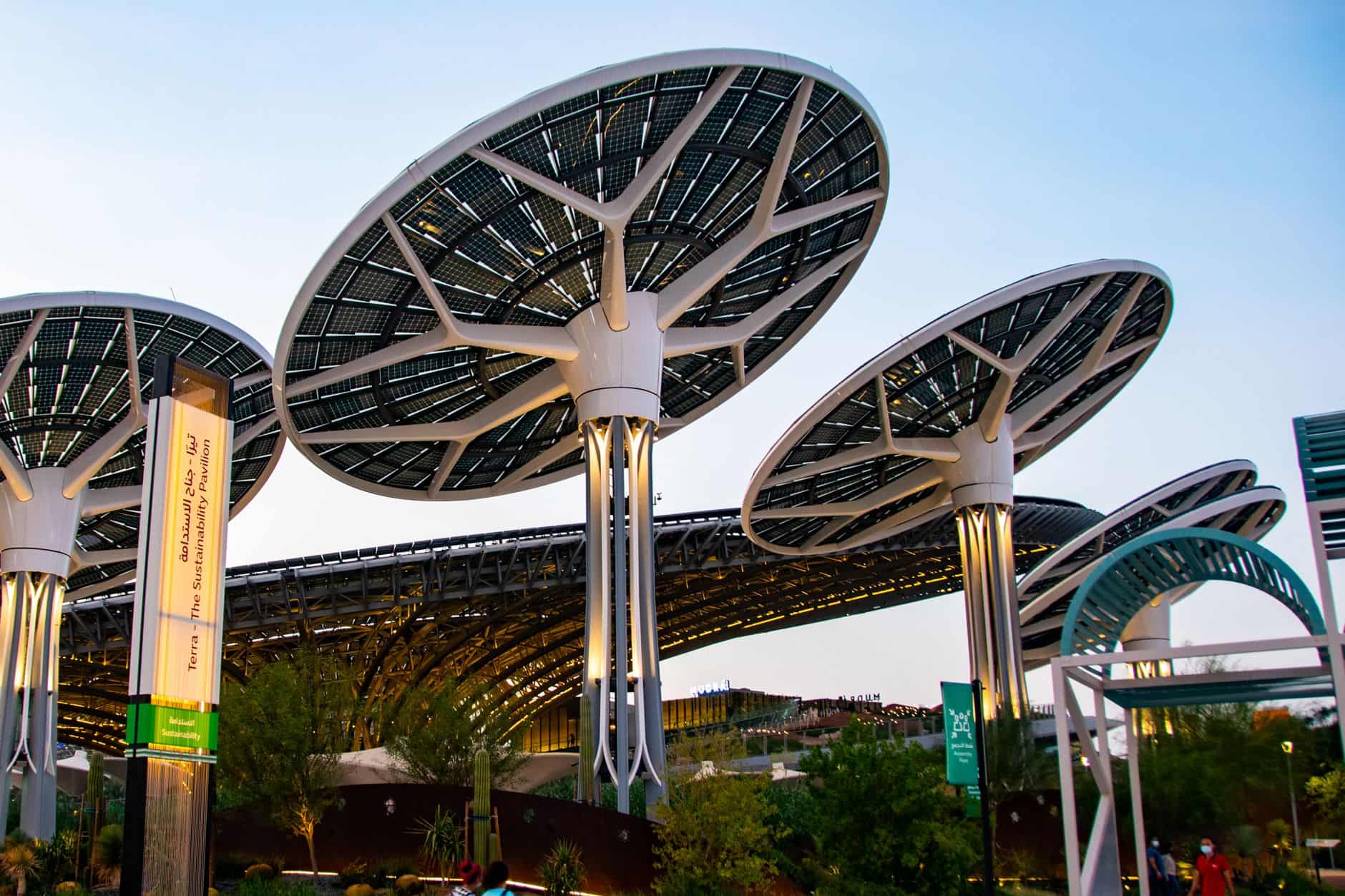
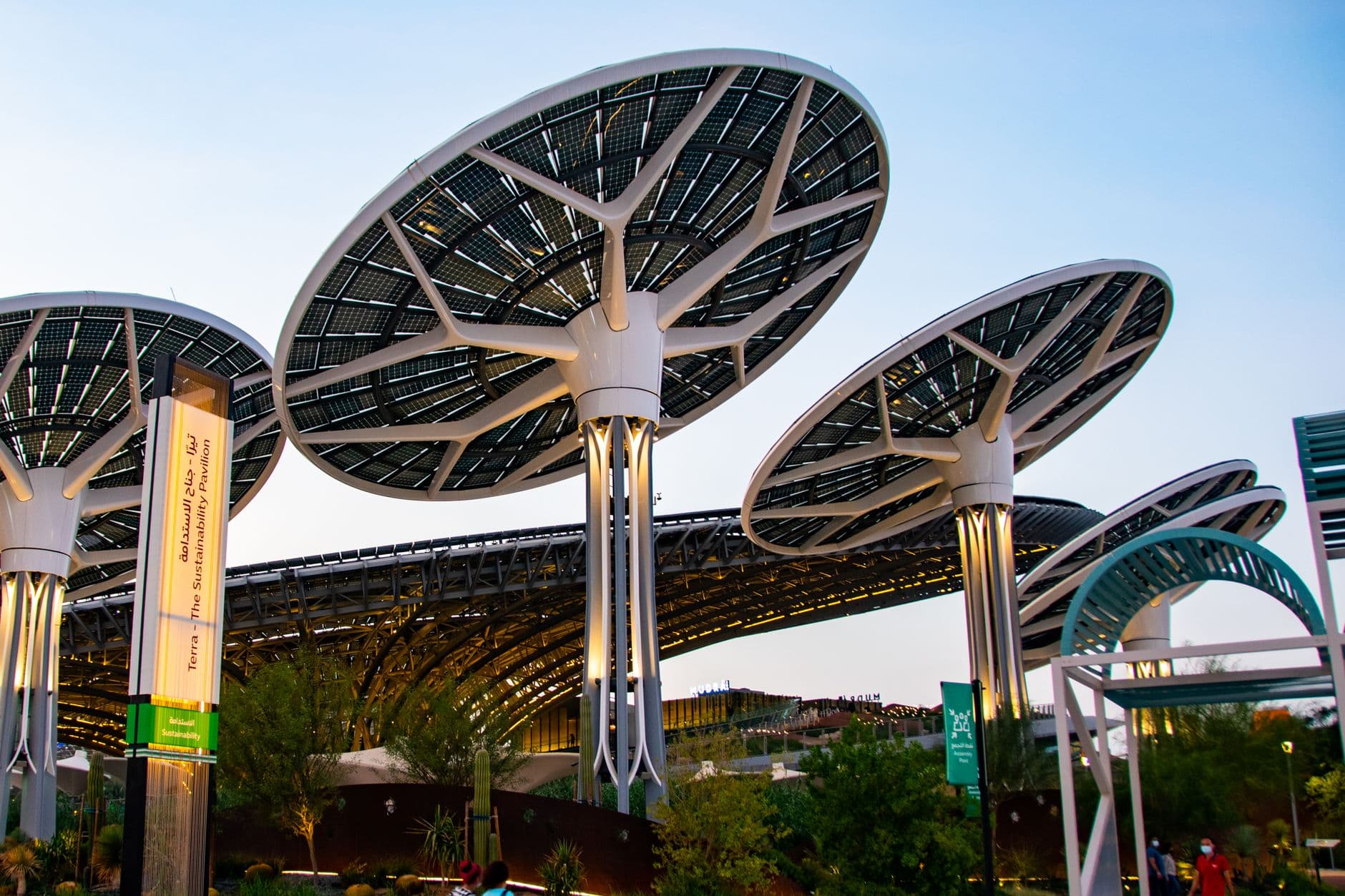
The United Arab Emirates has formally offered to host a three‑nation summit with Israel and Jordan to cement a new regional water‑for‑energy partnership. The proposal, first reported by Middle East Monitor on July 7 2024, calls for a high‑level meeting in Abu Dhabi where the three governments would negotiate a framework to exchange Jordanian solar power for Israeli desalinated water and to coordinate broader energy‑grid cooperation.
The UAE’s invitation follows a series of diplomatic overtures that began after the Abraham Accords opened the door for deeper cooperation between the Gulf, Israel and Jordan. According to the Middle East Monitor article, the summit would also serve to “improve relations between Amman and Abu Dhabi,” signaling a strategic push to link water security with renewable‑energy development across the Levant.
Jordanian officials deny the report, raising diplomatic uncertainty
Jordan’s foreign ministry quickly pushed back, denying that any formal trilateral meeting had been scheduled. A post on the Roya News English Facebook page quoted Jordanian officials as saying the claim was “unfounded” and that no official invitation had been received. The denial highlights a lingering mistrust in the region, where past water‑for‑energy deals have sometimes stalled over financing and political concerns.
Nevertheless, the UAE’s overture aligns with earlier statements from Israeli officials. Ynet reported that Israel is “considering a proposal to hold a trilateral energy summit with Jordan and the United Arab Emirates in Abu Dhabi,” underscoring that the Israeli government sees potential value in a joint water‑energy agenda even as Jordan remains cautious.
The water‑for‑energy model: how the deal works
The core of the proposed partnership is a “water‑for‑energy” swap: Jordan would develop a large solar project while the UAE would help finance it and Israel would purchase the electricity to run its desalination plants. In return, Israel would supply Jordan with desalinated water, a commodity that Jordan struggles to secure due to chronic water scarcity. Analysts note that linking cheap solar generation with desalination can lower operating costs for both sides and advance climate‑friendly goals.
Regional renewable‑energy trends reinforce the summit’s timing
The broader Middle‑East renewable‑energy market is expanding rapidly. A PS Market Research report projects the sector to grow from US$ 52.7 billion in 2025 to US$ 104.2 billion by 2032, a compound annual growth rate of roughly 10 %.
The International Energy Agency (IEA) notes that clean‑energy investment in the Middle East is expected to reach US$ 175 billion in 2024, with renewables accounting for about 15 % of total spending. The UAE, Saudi Arabia and Qatar hold high investment‑readiness ratings, while Jordan is classified in the medium‑grade category. These figures suggest that the region has both the capital and the policy appetite to back large‑scale solar projects like the one envisioned for the water‑for‑energy swap.
What it means for Israel’s solar market
For Israeli homeowners and businesses, the summit could accelerate the rollout of solar‑panel installations by creating a larger, more stable demand for renewable electricity. Using the typical Israeli residential tariff of ₪0.48/kWh and a standard installation cost of ₪3,150/kWp, a 10 kWp rooftop system would generate roughly 17,000 kWh/year (central‑Israel yield) and earn about ₪8,160 annually. At a ₪31,500 upfront cost, the payback period is just under 4 years—well before the system’s 25‑year lifespan ends.
If the trilateral agreement expands the grid‑connected solar capacity, it could drive down wholesale electricity prices, making rooftop solar even more attractive. Moreover, the partnership may spur new financing models, such as cross‑border green bonds, that could lower the effective cost of panels for Israeli consumers.
Forward look: challenges and opportunities
While the UAE’s invitation signals a strong push for regional cooperation, the success of the summit will depend on resolving Jordan’s diplomatic reservations, securing financing for the massive solar project, and aligning regulatory frameworks across three jurisdictions. If these hurdles are cleared, the water‑for‑energy deal could become a flagship example of how renewable‑energy projects can address water scarcity—a pressing issue for the entire Middle East.
Even without a formal agreement, the very discussion underscores a shift: renewable energy is no longer a niche sector but a cornerstone of geopolitical strategy in the region. For Israel, this translates into faster adoption of solar panels, more competitive electricity rates, and a clearer pathway toward the national goal of 30 % renewable electricity by 2030.
Key takeaways
- The UAE has offered to host a trilateral summit with Israel and Jordan to negotiate a water‑for‑energy partnership.
- Jordan denies any formal invitation, highlighting diplomatic uncertainty.
- The proposed swap would see Jordan build a large solar project while Israel supplies desalinated water.
- Regional renewable‑energy investment is booming, with the Middle East market projected to double by 2032.
- For Israeli households, expanding solar capacity could shorten payback periods and lower electricity costs.
Sources: Middle East Monitor, Roya News English, Ynet, INSS, PS Market Research, IEA
Sources & further reading
FAQ
What is the proposed water‑for‑energy deal?
Jordan would build a large solar farm, Israel would buy the electricity to run its desalination plants, and Israel would supply Jordan with desalinated water.
Why is Jordan denying the summit invitation?
Jordan’s foreign ministry says no official invitation was received, reflecting lingering mistrust and concerns over financing and political risk.
How could this affect Israeli households?
More solar capacity could lower wholesale electricity prices, making rooftop solar panels cheaper to install and shortening the payback period to under four years.
What is the size of the regional renewable‑energy market?
It is projected to grow from US$ 52.7 billion in 2025 to US$ 104.2 billion by 2032, roughly a 10 % annual growth rate.
When is Israel aiming to reach 30 % renewable electricity?
Israel’s government target is 30 % of electricity from renewables by 2030.
Share this post
More from Policy
6
Philippines Revamps Grid Code to Boost Solar
The Philippines’ 2026 grid code adds standards for solar‑plus‑storage and cuts net‑metering interconnection time from 20 to 10 days, while removing the 1 MW cap, aiming to boost distributed solar capacity.
US Solar Tax Credits Slashed – Impact
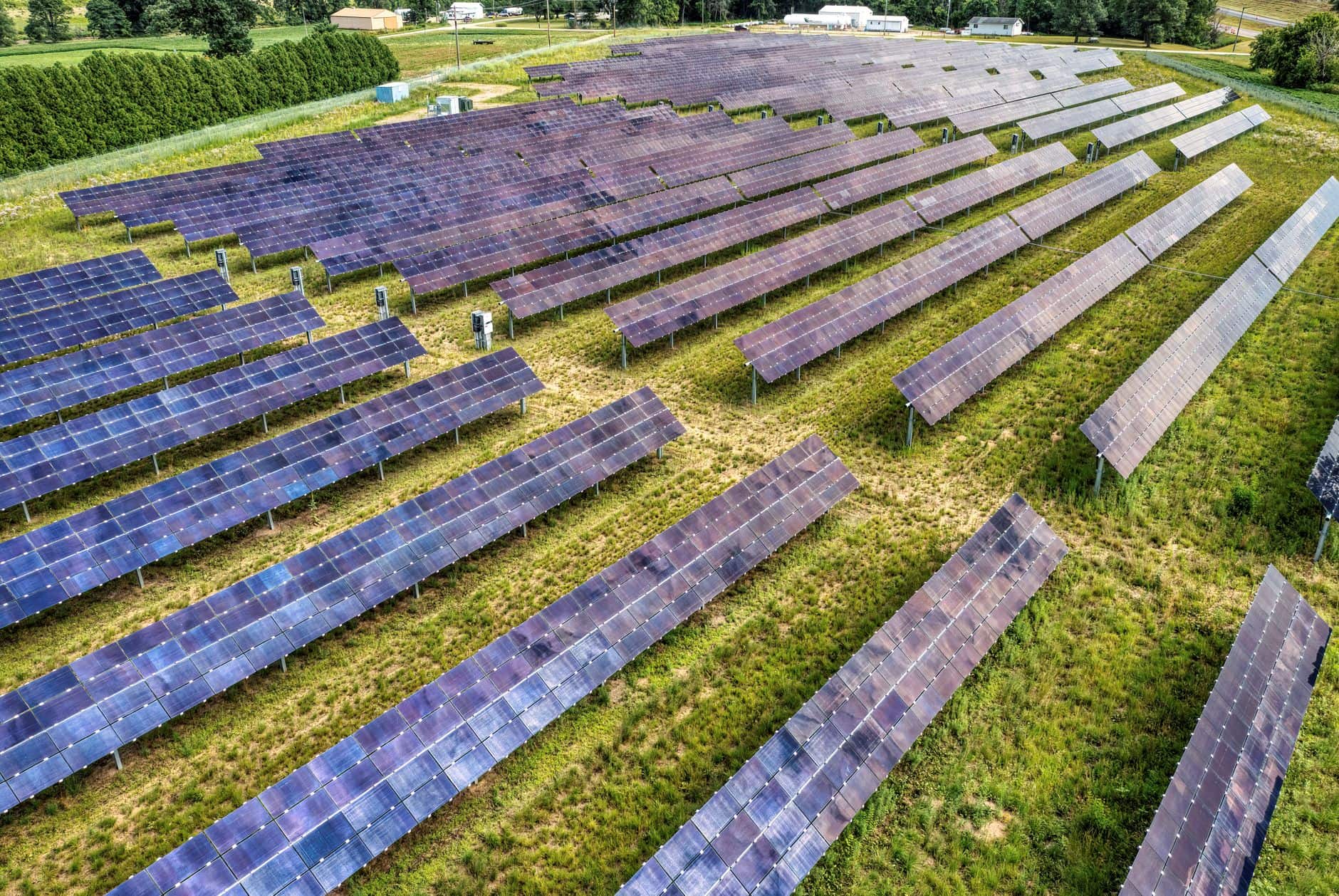
The U.S. is cutting the federal solar Investment Tax Credit from 30% to 22% after 2025, raising net residential system costs by about 12% and slowing installations.
Golan Heights Solar Project Stalls Amid Security Tensions
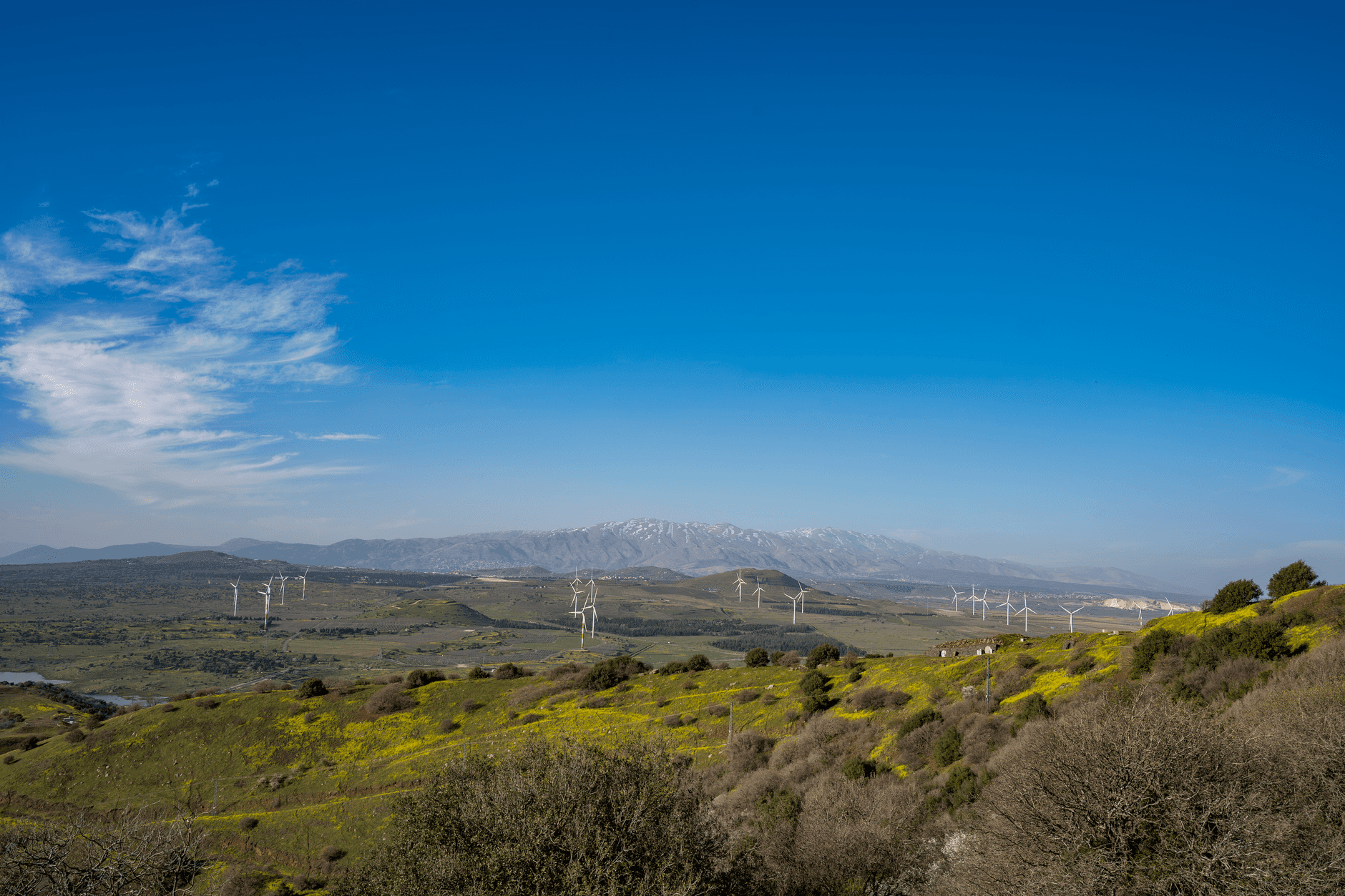
The 104 MW Clean Wind Energy hybrid project in the Golan Heights was halted due to heightened security tensions, creating a gap in Israel’s renewable‑energy plans.
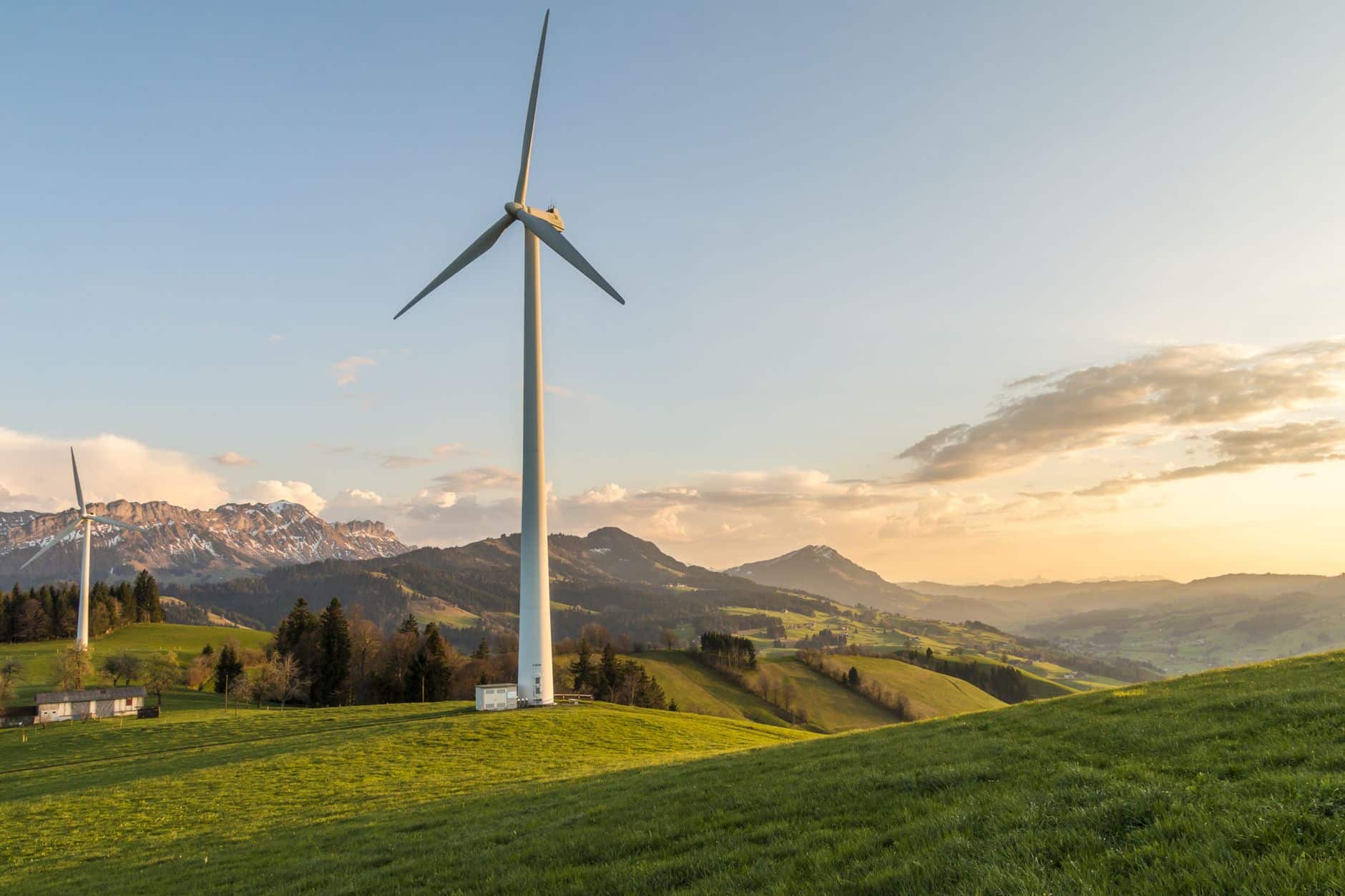
EU Sets €500M Hydrogen Auction Rules
The EU will launch its fourth hydrogen auction by the end of 2026 with a €500 million budget, tightening supply‑chain rules and offering fixed premiums per kilogram of renewable hydrogen produced.
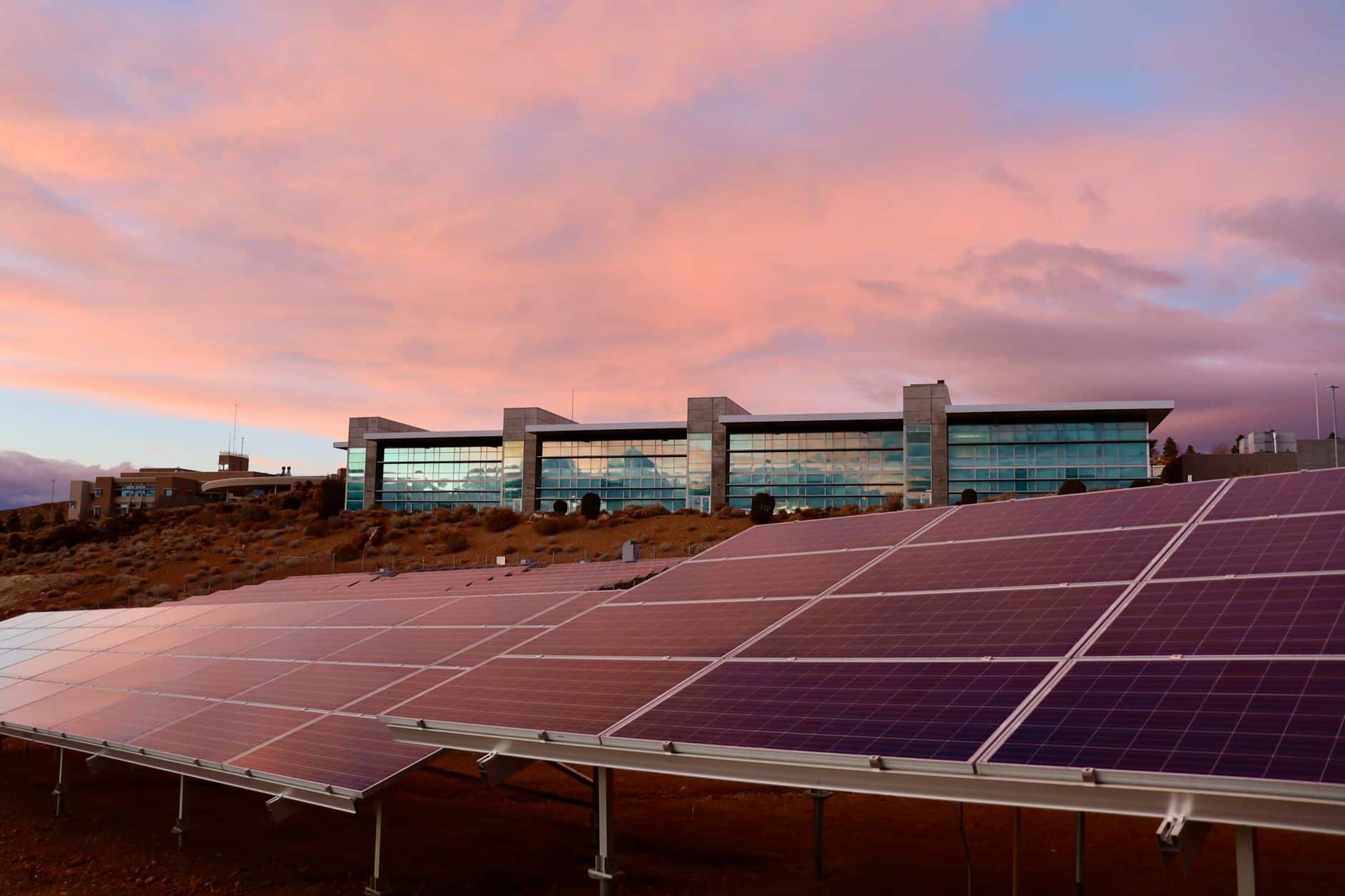
EU Sets First Solar ESG Standard
The Solar Stewardship Initiative has introduced the EU’s first ESG and traceability standard for solar PV, covering everything from labour rights to polysilicon sourcing.
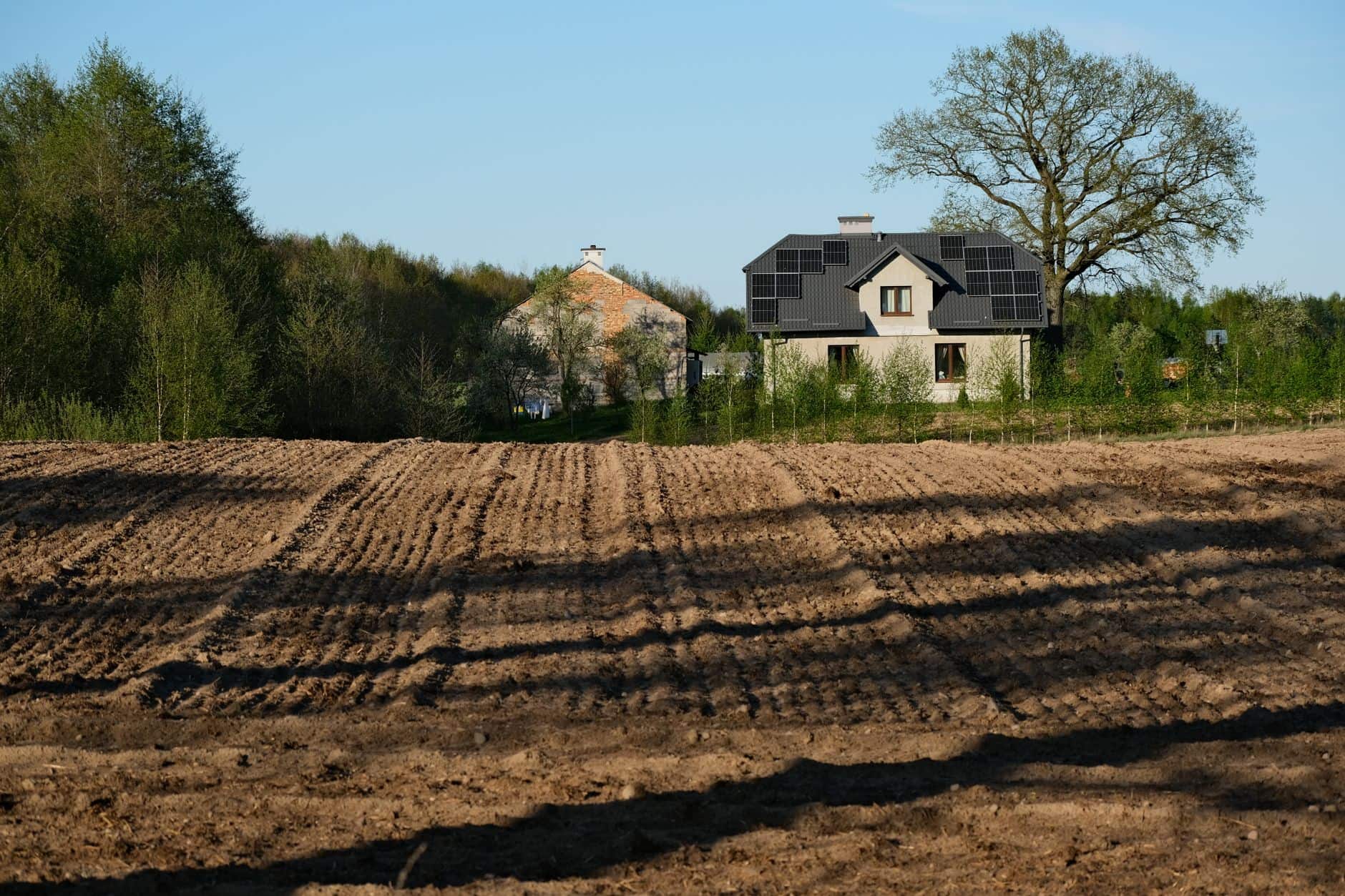
Ukraine Cuts Solar Feed‑in Tariffs to $0.14/kWh
Ukraine lowered its solar feed‑in tariffs to UAH 6.13/kWh for households and UAH 5.49/kWh for small businesses, with rates locked in until the end of 2029.