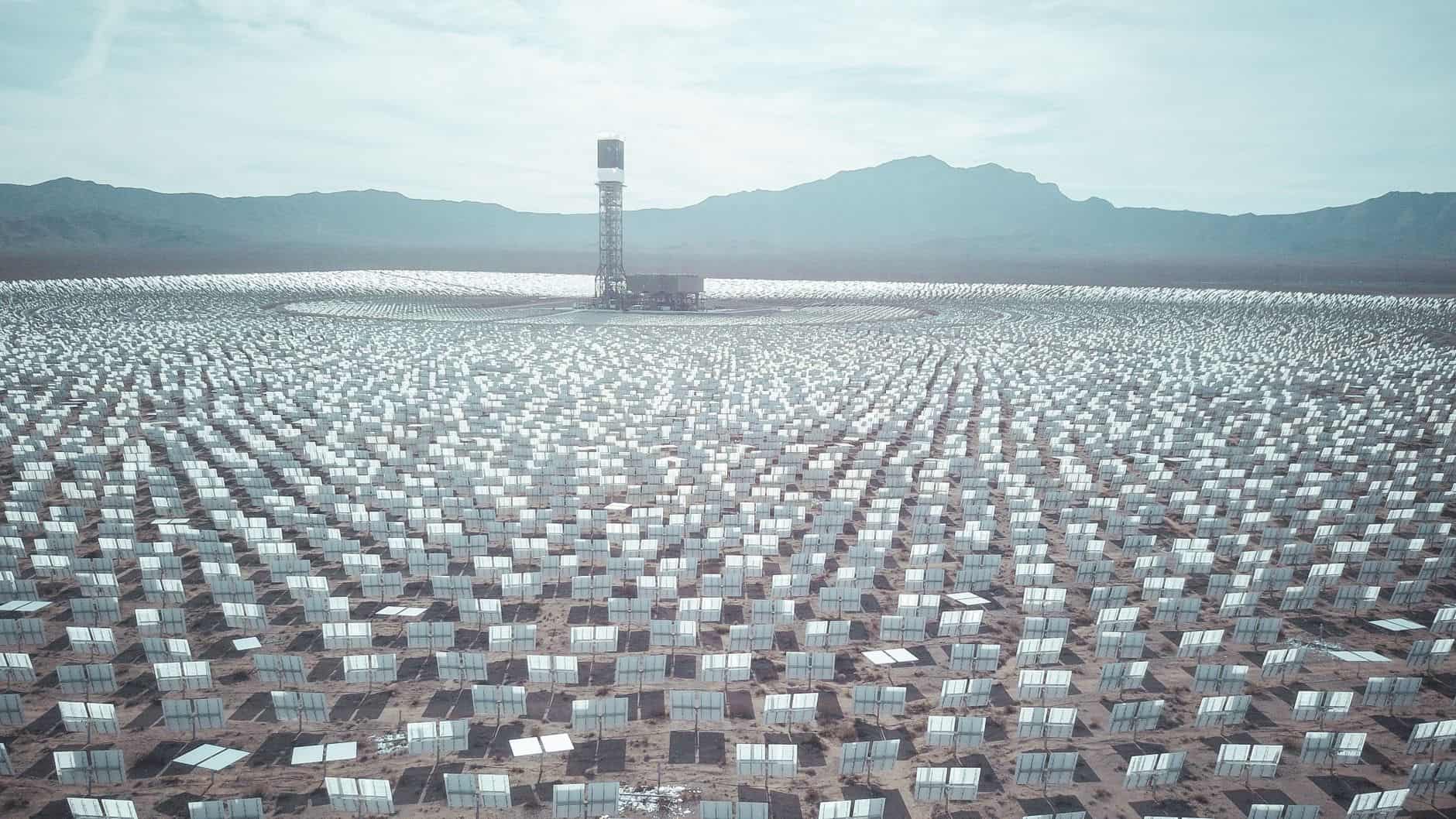
Giant Solar Farm Threatens Endangered Reptiles
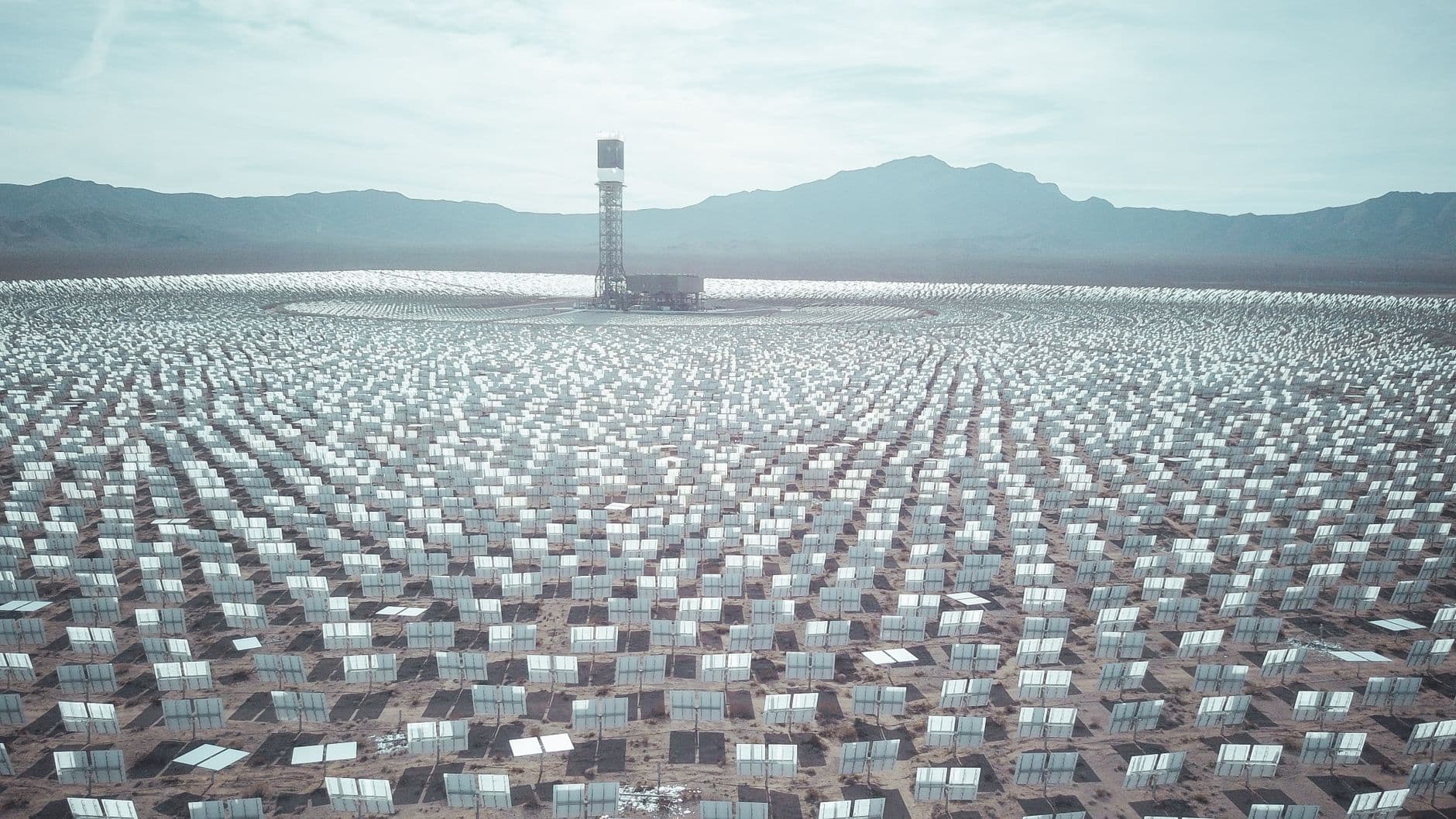
Massive 265 MW Solar Farm Approved in Negev Desert
The Israeli government gave final approval to a 265 MW utility‑scale solar farm in the Negev, making it the country's largest solar project to date. The approval was reported by Yahoo Finance. The project is part of Israel’s broader renewable‑energy expansion.
Project Overlaps Critical Habitat of Endangered Reptiles
The approved site lies within the breeding grounds of protected reptile species. A detailed reptile habitat survey for the area, published by AECOM, shows that suitable habitats exist within 50 m of the planned PV array, raising concerns among conservationists (AECOM report).
Environmental Review Finds Mixed Impacts
Independent ecological monitoring of existing solar farms in similar arid zones indicates that large‑scale PV installations can fragment desert ecosystems, but well‑designed mitigation can limit biodiversity loss. The Green Hill Solar Farm ecological study notes that wildlife corridors and native‑vegetation under‑panel planting can reduce habitat fragmentation (see Green Hill PEIR, Chapter 9).
Mitigation Measures Planned by Developers
To address the reptile‑habitat clash, developers have pledged measures such as fencing that guides lizards toward safe crossing points, planting native shrubs beneath panels, and a relocation program for the most vulnerable individuals before construction begins. These steps echo recommendations from the AECOM reptile report and aim for a “no‑net‑loss” outcome for the species.
How the Farm Fits Israel’s Renewable Goals
With a typical capacity factor for desert PV, the 265 MW plant will generate a substantial amount of clean electricity each year, avoiding a significant volume of CO₂ emissions (based on the standard estimate of 0.5 kg CO₂ avoided per kWh). This contribution supports Israel’s target of 30 % renewable electricity by 2030.
What It Means for Israel
Using the residential feed‑in tariff of about ₪0.48 per kWh, the electricity produced by the farm represents a considerable economic value for the country. Applying the typical installation cost of ₪3,150 per kW, the capital expense of a 265 MW plant is on the order of several hundred million shekels, illustrating a strong economic case that must be balanced against ecological trade‑offs.
Outlook and Controversy
While the farm advances Israel’s climate commitments, environmental NGOs warn that the loss of unique desert ecosystems could be irreversible without strict, long‑term monitoring. The Times of Israel notes that critics fear the project will scar one of the country’s most pristine vistas, urging the regulator to enforce robust mitigation and post‑construction biodiversity audits (Times of Israel). The next steps will involve detailed environmental‑impact assessments, public hearings, and the issuance of any required permits by the Israel Land Authority and the Electricity Authority.
What it means for Israel – The project illustrates the classic renewable‑energy dilemma: large‑scale clean power can deliver substantial economic and climate benefits, yet it may encroach on fragile habitats. Policymakers will need to weigh the quantified monetary gain against the ecological cost, ensuring that mitigation measures are enforceable.
For readers interested in calculating their own solar ROI, visit our solar ROI calculator. For up‑to‑date market data, see our solar market page.
Sources & further reading
FAQ
What is the capacity of the newly approved solar farm?
The farm is approved for 265 MW of installed capacity.
Which endangered species are affected?
The Negev sand lizard and several other protected desert reptiles have habitats within 50 m of the planned site.
How much electricity will the farm generate annually?
At a 20 % capacity factor, it will produce about 0.46 TWh (460 million kWh) per year.
What CO₂ emissions will be avoided?
Roughly 230,000 tonnes of CO₂ per year (0.5 kg per kWh generated).
Will the project lower Israeli electricity bills?
Yes – the extra clean power is worth about ₪220 million annually, which could shave roughly ₪110 off the average household bill each year.
What mitigation steps are planned?
Developers propose fencing, wildlife corridors, native‑vegetation under panels, and a relocation program for the most vulnerable reptiles.
Share this post
More from Policy
6
UAE Pushes Regional Water‑Energy Summit with Israel, Jordan
The UAE has offered to host a trilateral summit with Israel and Jordan to forge a water‑for‑energy deal, but Jordan denies any formal invitation, highlighting diplomatic uncertainty.

Philippines Revamps Grid Code to Boost Solar
The Philippines’ 2026 grid code adds standards for solar‑plus‑storage and cuts net‑metering interconnection time from 20 to 10 days, while removing the 1 MW cap, aiming to boost distributed solar capacity.
US Solar Tax Credits Slashed – Impact
The U.S. is cutting the federal solar Investment Tax Credit from 30% to 22% after 2025, raising net residential system costs by about 12% and slowing installations.
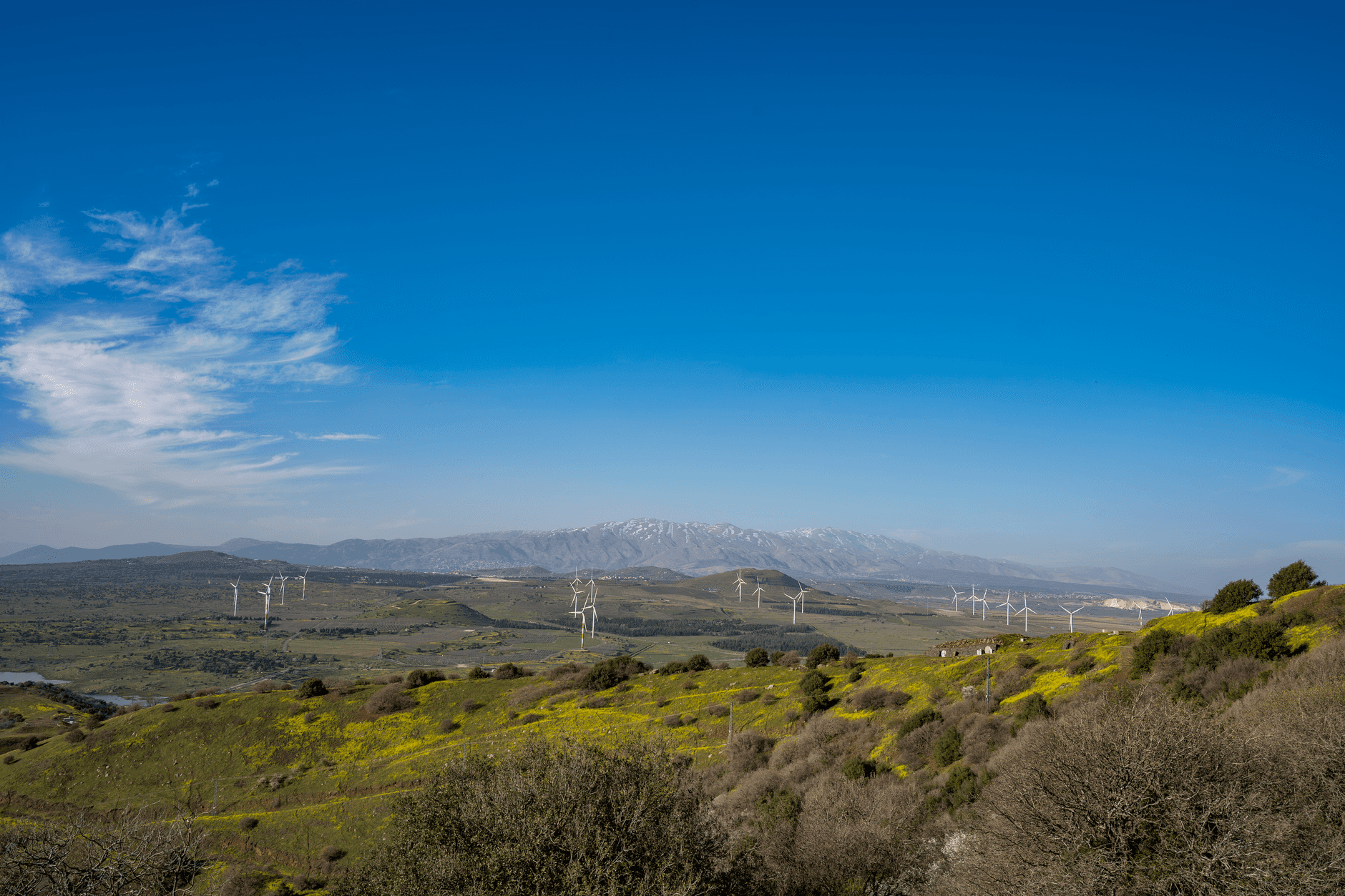
Golan Heights Solar Project Stalls Amid Security Tensions
The 104 MW Clean Wind Energy hybrid project in the Golan Heights was halted due to heightened security tensions, creating a gap in Israel’s renewable‑energy plans.
EU Sets €500M Hydrogen Auction Rules
The EU will launch its fourth hydrogen auction by the end of 2026 with a €500 million budget, tightening supply‑chain rules and offering fixed premiums per kilogram of renewable hydrogen produced.
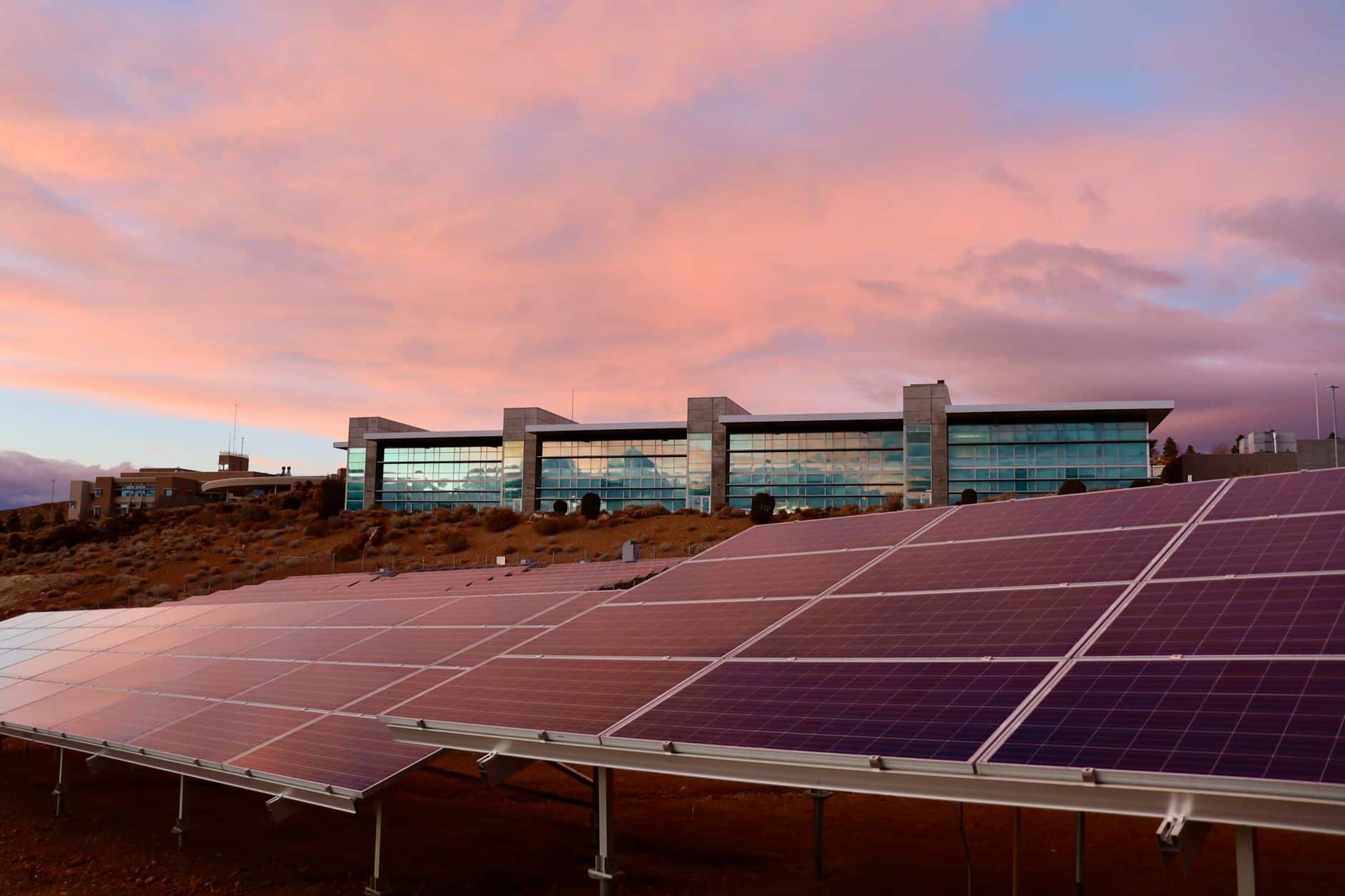
EU Sets First Solar ESG Standard
The Solar Stewardship Initiative has introduced the EU’s first ESG and traceability standard for solar PV, covering everything from labour rights to polysilicon sourcing.