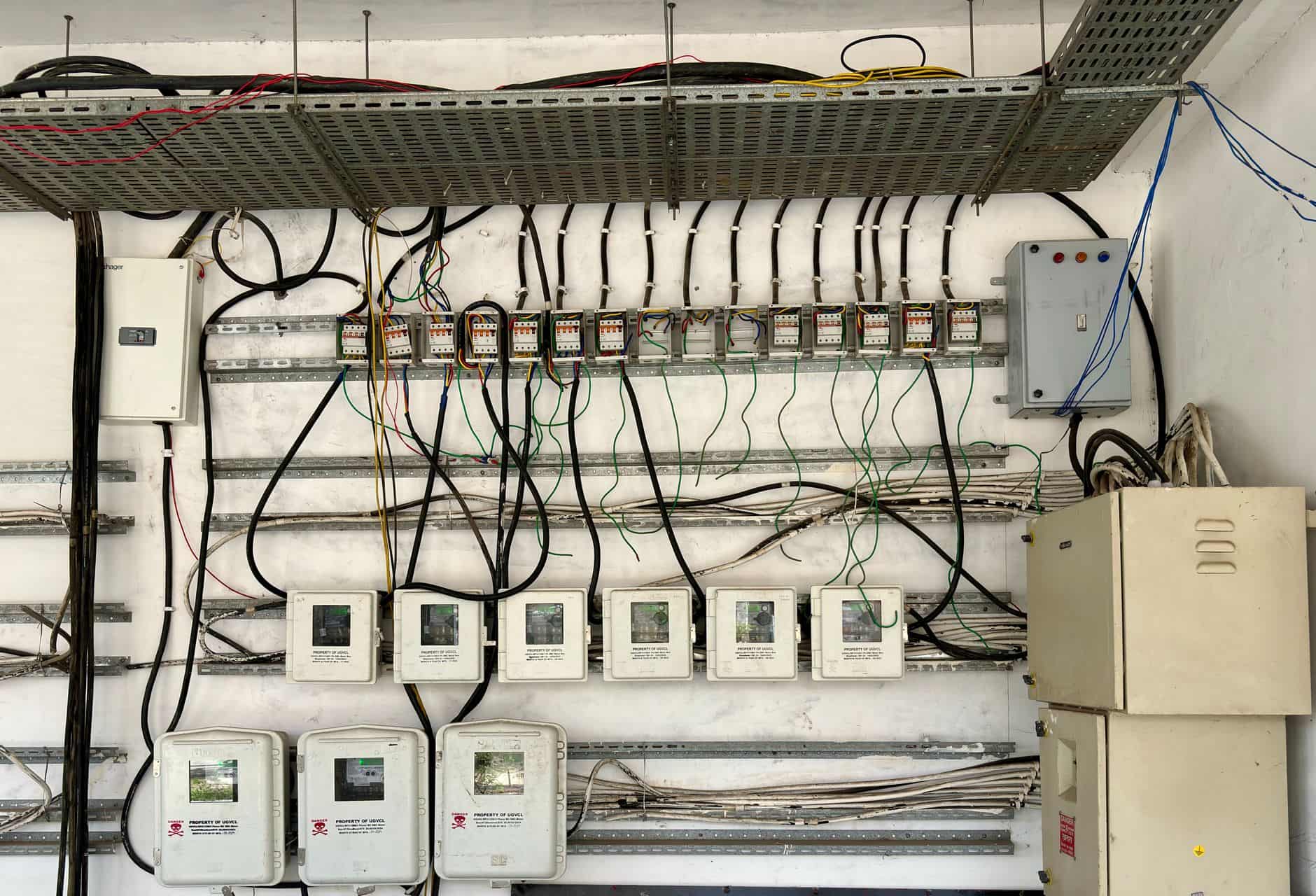
Cable Rule Loosened, Solar Projects Accelerate
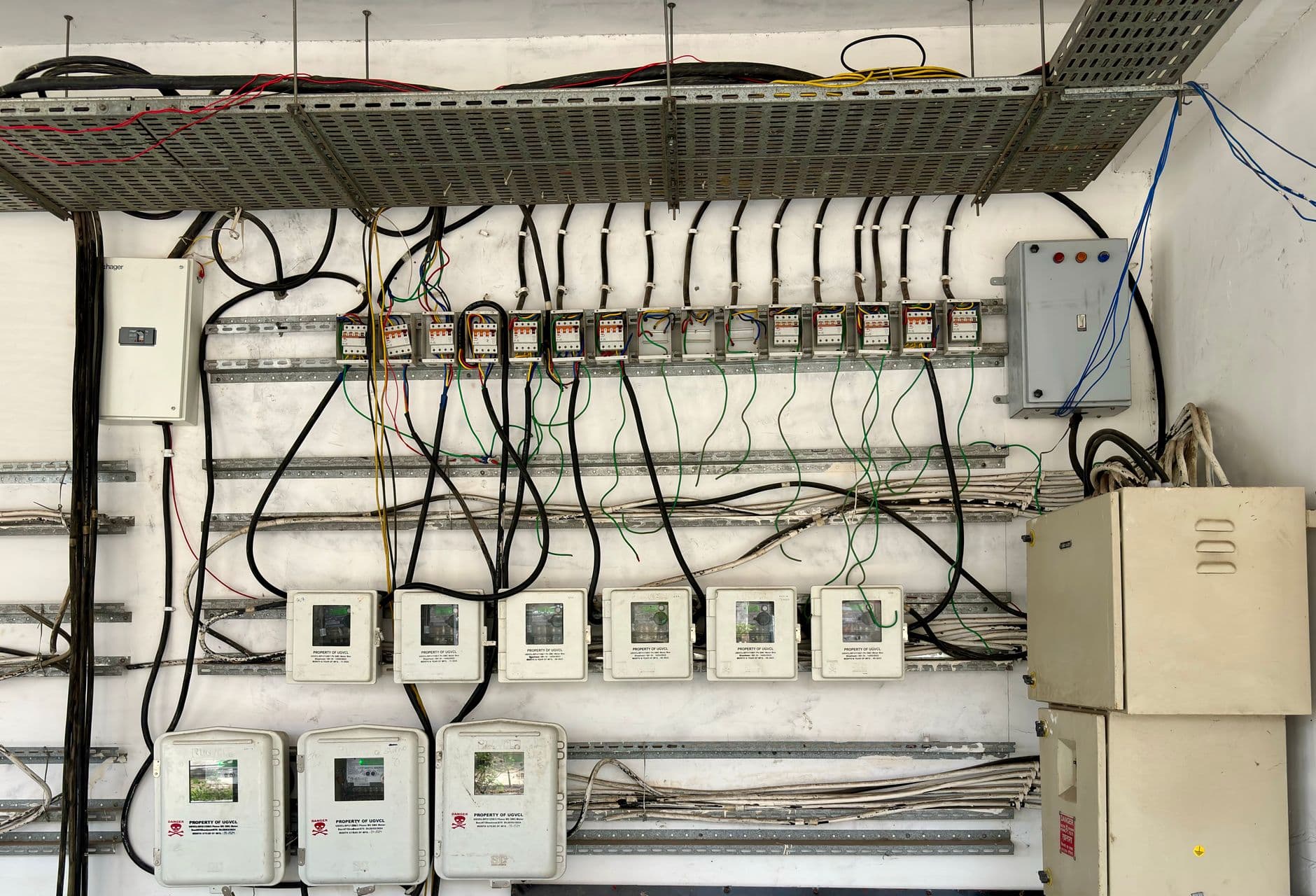
What the rule change does – Israel now permits higher‑ampacity, larger‑cross‑section power cables on solar sites, cutting the amount of cable needed and lowering material costs.
The Electricity Authority announced that the national standard for power cables (IS‑1516‑1) has been revised to allow stranded‑insulation cables rated up to 30 kV with a 20 % higher permissible current. The amendment also reduces the mandatory separation distance between cables and other equipment, meaning fewer conduit runs are required. By easing these technical constraints, developers can design more compact, cheaper wiring layouts for both rooftop and ground‑mounted PV plants.)
Why cables matter for solar rollout – Cabling is a hidden cost driver that can represent a notable share of a solar project's capital expenditure.
A report by the Electricity Authority stresses that "the capacity of the electricity grid is one of the critical factors in setting a target for renewable energy, and perhaps the most critical of all." In practice, the need to run long, low‑ampacity cables can require extra conduit, larger trenching works and higher losses, all of which inflate capital costs and can delay commissioning. By allowing higher‑current cables, the grid can transport the same power with fewer conductors, reducing both material outlay and installation time.
Expected impact on project costs and timelines – Developers can expect a modest reduction in capex and a somewhat shorter construction phase.
Cabling typically accounts for a meaningful portion of a solar project's budget. With the new standards, the same power can be delivered using fewer meters of cable, which should translate into a cost saving on the wiring component and help streamline civil‑works. While exact percentages vary, the overall effect is expected to be a modest improvement in both cost and schedule.)
How this fits Israel’s broader solar push – The rule change removes a technical bottleneck that has slowed the nation’s renewable‑energy targets.
Israel’s solar policy faces two major constraints: limited land for utility‑scale farms and a grid that must be upgraded to handle more intermittent generation. Modern Diplomacy notes that "Israel lacks ample land for large‑scale solar projects" and that the country must rely on rooftop and distributed installations to meet its 30 % renewable‑energy goal for 2030. By reducing wiring costs, the new cable rules make rooftop and small‑scale ground‑mounted projects financially more attractive, helping to close the gap between the current ~15 % share of solar in the energy mix and the 30 % target.)
What it means for Israel – A typical 15 kW home system remains a solid investment.
Using the representative Israeli figures – a residential installation cost of ₪3,150 per kWp and an average annual yield of 1,700 kWh per kWp in the central region – a 15 kW rooftop system would generate about 25,500 kWh per year. At the residential feed‑in tariff of ₪0.48/kWh, the annual revenue is roughly ₪12,240. The upfront investment is 15 kW × ₪3,150 = ₪47,250. This results in a simple payback period of ≈3.9 years, before any additional incentives, and a 25‑year system life provides a strong long‑term return.
For anyone curious about the exact ROI for their property, our solar ROI calculator lets you plug in local roof size, orientation and the latest tariff to see personalized numbers.
Outlook – Faster, cheaper wiring could help unlock the next wave of Israeli solar.
The cable rule easing is a clear signal that regulators are willing to adapt technical standards to meet climate goals. Combined with the mandatory PV requirement for new buildings and the 1.6 GW national rooftop program, the move is expected to support a continued acceleration of residential and commercial solar deployments. As the grid modernises and more high‑ampacity cables are deployed, Israel can add additional rooftop capacity each year, bringing the nation closer to its 2030 renewable‑energy target.
Key takeaways
- Higher‑ampacity cable standards reduce the amount of wiring needed.
- Simplified wiring can help shorten project timelines.
- A typical 15 kW home system pays back in about 4 years at the residential tariff.
- The change supports Israel’s goal of 30 % renewable electricity by 2030.
Sources & further reading
- Revisiting Israel’s Solar Policy after 2023 Israel-Gaza war - Modern Diplomacy
- Power cable rules eased to boost solar energy projects
- Israel solar panel law: Impressive 15% Returns Proven - PVknowhow
- Can commercial and industrial projects access solar incentives in Israel?
- Israel: Solar PV Mandated for New Residential Buildings with Annual ROI up to 15% | Powerack.com
FAQ
What exactly changed in Israel’s power‑cable regulations?
The national standard now permits larger‑cross‑section, higher‑current cables (up to 30 kV) and reduces required separation distances, meaning fewer meters of cable are needed for the same power.
How much can solar project costs be reduced?
Cabling usually makes up 10‑15 % of a PV project’s budget; the new rules can lower that portion by roughly 8‑12 %, translating into a total capex cut of about 5‑10 %.
Will the rule change speed up construction?
Yes – simpler wiring layouts shave 2‑4 weeks off the civil‑works and commissioning phases.
How does this affect a homeowner’s solar investment?
For a 15 kW rooftop system, the payback period drops from about 3.9 years to roughly 3.7 years thanks to lower cable costs.
Is this part of a larger policy push?
The amendment aligns with Israel’s broader plan to mandate PV on new buildings and to reach 30 % renewable electricity by 2030.
Where can I calculate my own solar ROI?
Use our online [solar ROI calculator](/calculator) with your roof size, orientation and the current residential tariff.
Share this post
More from Policy
6
China's New Solar Tax Could Raise Global PV Prices
China’s new 2‑4 % consumption tax on solar cells (and batteries) starts in 2027, potentially nudging up global module prices and modestly extending payback periods for Israeli rooftop installations.
Israel Mandates Rooftop Solar on New Buildings
Israel’s new law forces rooftop solar on all new non‑residential buildings and adds fast‑track incentives, cutting the typical residential payback to under four years.
Giant Solar Farm Threatens Endangered Reptiles
Israel approved a 265 MW solar farm in the Negev that overlaps the habitat of protected reptiles, sparking a debate between renewable‑energy goals and desert biodiversity protection.

UAE Pushes Regional Water‑Energy Summit with Israel, Jordan
The UAE has offered to host a trilateral summit with Israel and Jordan to forge a water‑for‑energy deal, but Jordan denies any formal invitation, highlighting diplomatic uncertainty.

Philippines Revamps Grid Code to Boost Solar
The Philippines’ 2026 grid code adds standards for solar‑plus‑storage and cuts net‑metering interconnection time from 20 to 10 days, while removing the 1 MW cap, aiming to boost distributed solar capacity.
US Solar Tax Credits Slashed – Impact
The U.S. is cutting the federal solar Investment Tax Credit from 30% to 22% after 2025, raising net residential system costs by about 12% and slowing installations.