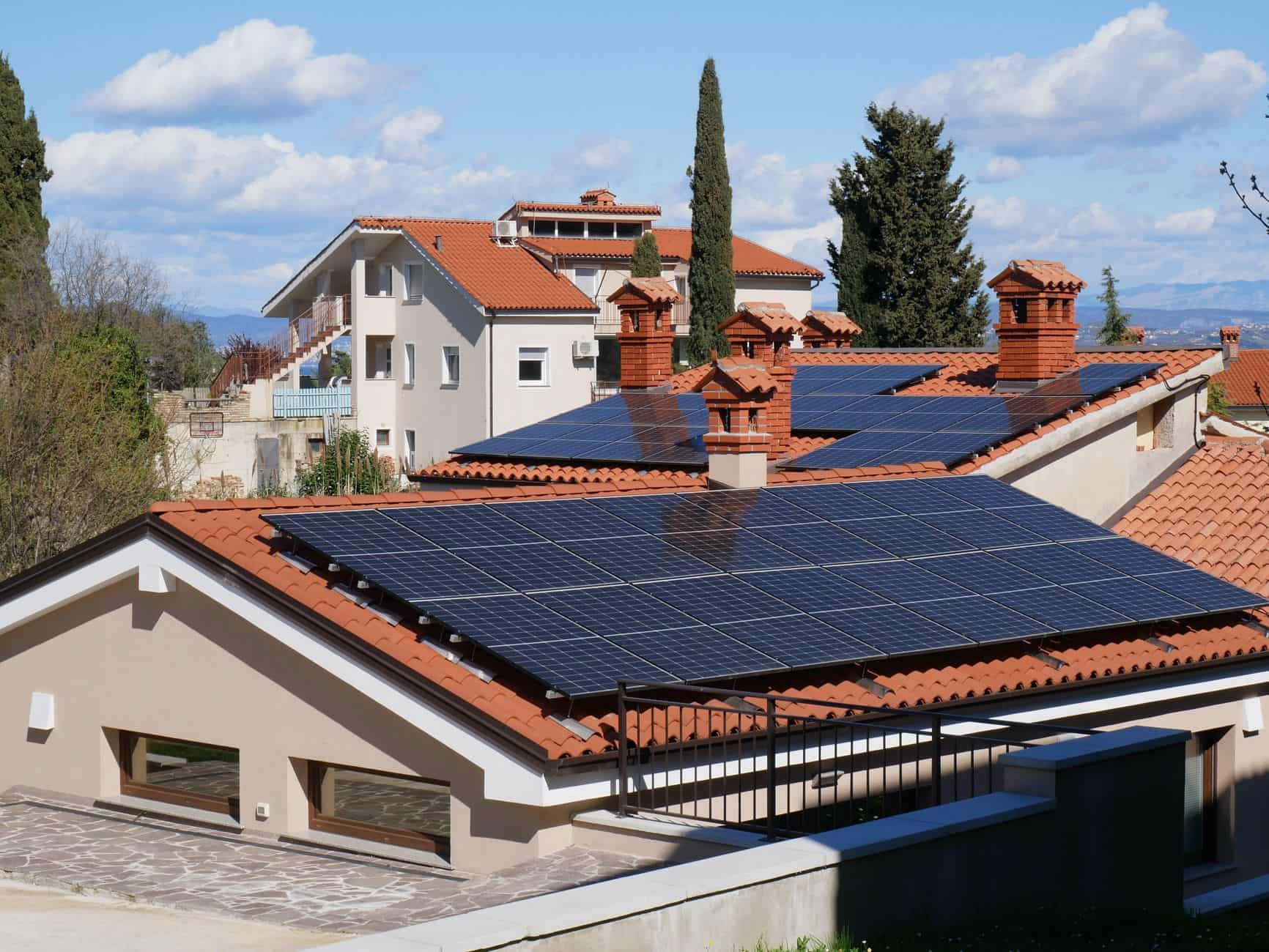
AI Tool Slashes Solar Soft Costs
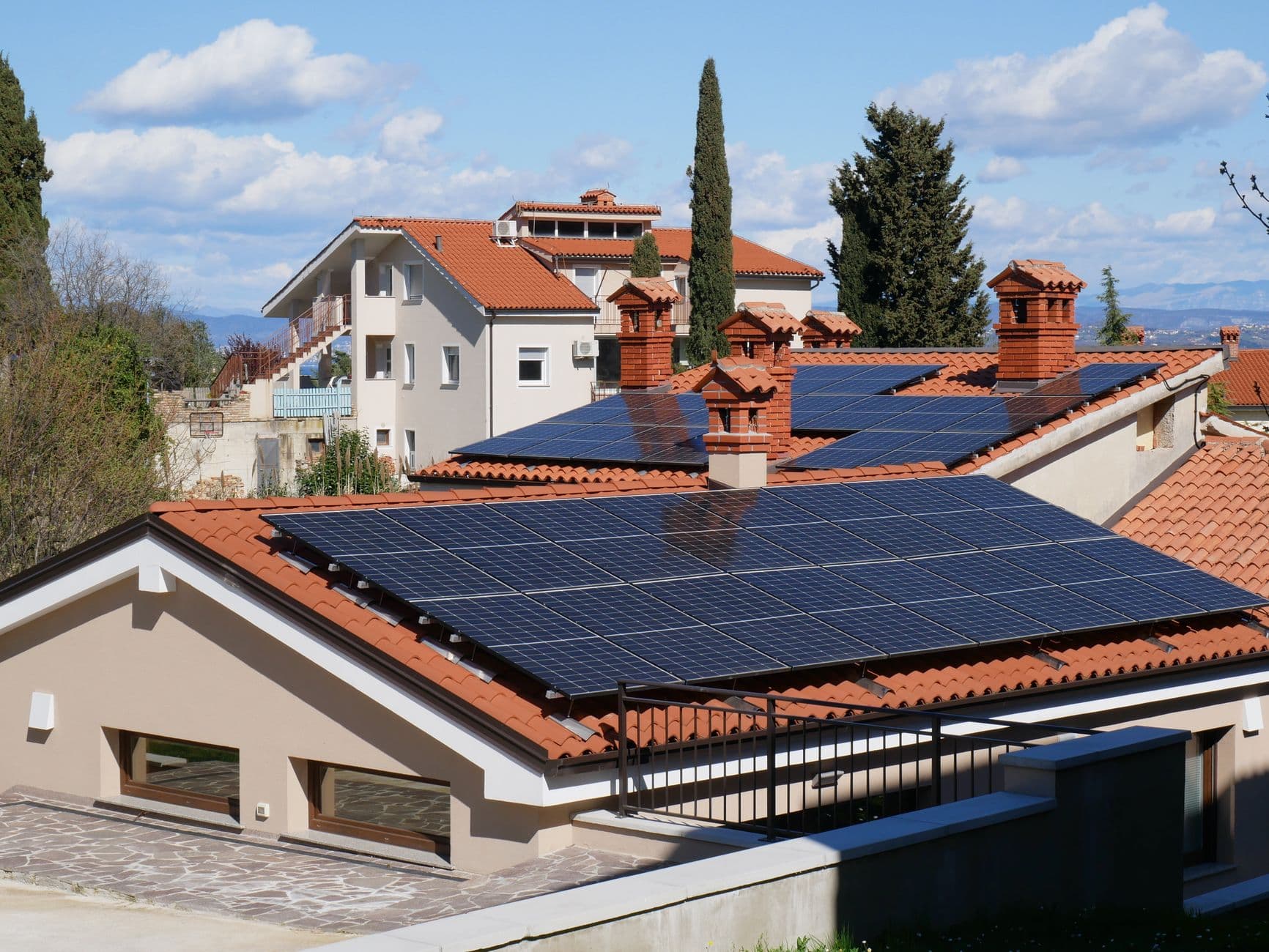
AI tool cuts solar soft costs for homeowners
AgentSolar AI can trim $4,000‑$6,000 of customer‑acquisition expenses from a typical 8 kW U.S. residential system, significantly reducing the total price. The startup’s agentic AI reads full‑proposal PDFs, cross‑checks line items against a market database, and negotiates counter‑offers on the homeowner’s behalf, turning a black‑box sales process into a transparent, data‑driven dialogue.
How AgentSolar AI works
AgentSolar’s Quote Evaluation Agent extracts every financial figure from a 40‑page proposal and flags items that exceed market averages, while the Company Research Agent validates installer reputation via reviews and licensing records. When the homeowner opts to proceed, the platform launches an automated negotiation workflow that drafts concrete counter‑offers, sends them to the installer, and iterates until a fair deal is reached – all under human‑admin oversight for safety. According to the original PV‑Magazine report, the system “only notifies the homeowner that the contract is ready to sign” after a satisfactory price is secured.
US market soft costs: the numbers behind the problem
Soft costs still dominate U.S. residential solar, accounting for about 65 % of total system spend — far higher than hardware costs — as highlighted by a recent analysis on solar‑soft‑costs.com. Wood Mackenzie notes that customer‑acquisition costs (CAC) are projected to rise from $0.60 /W in 2025 to $0.84 /W in 2026, a 40 % jump, while the SEIA 2024 Market Insight Report records CAC at $0.87 /W in Q4 2024, up 8 % YoY. The same SEIA data shows the average residential price fell to $3.39 /W in Q4 2025, a modest 1 % decline, meaning the $2 billion over‑payment estimate for 2025 is driven largely by soft‑cost inflation rather than hardware price spikes.
Potential savings: a back‑of‑the‑envelope calculation
Take an 8 kW home system priced at $3.39 /W (2025 Q4) → total $27,120. 65 % soft costs = $17,628, of which CAC typically adds $4,000‑$6,000. If AgentSolar trims the CAC by roughly $5,000, the system cost drops to about $22,000, representing a sizable reduction overall. Scaling a similar cut across many installations could offset a substantial portion of the estimated $2 billion over‑payment.
What it means for Israel
Israeli rooftop solar already faces soft‑cost pressure, with a typical turnkey price of ₪3,150 /kWp. A representative 10 kWp home system in central Israel produces ~17,000 kWh/year, generating roughly ₪8,160 annually at the residential tariff (₪0.48/kWh). At the typical cost of ₪31,500, the simple payback is about 3.9 years. Reducing soft costs would lower the upfront price and shorten the payback period, helping homeowners achieve savings faster and supporting the national renewable electricity target of 30 % by 2030.
Outlook: AI and the future of residential solar
Ablekim predicts that within five years AI will handle roof modeling, quote negotiation, post‑install monitoring, and even Virtual Power Plant dispatch, effectively creating a “Zillow for Solar” and a “Manus for Solar” service ecosystem. If such platforms scale, the first cost component to disappear will be high‑pressure CAC, freeing quality local installers from the marketing arms race of national players. The combined effect—lower soft costs, faster payback, and automated grid services—could reshape the residential market into a data‑rich, consumer‑first arena, both in the United States and in export markets like Israel.
Sources: PV‑Magazine, Wood Mackenzie, SEIA 2024 Market Insight Report, SiteCapture – Understanding Solar Soft Costs, CleanTechnica
Sources & further reading
- Why are US distributed solar customer acquisition costs still on the...
- Solar Market Insight Report 2024 Year in Review – SEIA
- New scraping data suggests US residential solar soft costs... - Reddit
- Understanding Solar Soft Costs: What They Are and How to Reduce...
- U.S. residential solar: Acquisition costs to surge 40% - Rinnovabili
FAQ
How does AgentSolar AI differ from a regular chatbot?
It actively extracts line items from full proposals, cross‑checks them against a market database, and automatically drafts counter‑offers, whereas a chatbot only gives static price‑per‑watt estimates.
What are ‘soft costs’ in residential solar?
Soft costs are non‑hardware expenses like permitting, marketing, financing and especially customer‑acquisition, which today make up roughly 65 % of total system cost.
How much can U.S. homeowners overpay for solar?
Analysts estimate U.S. homeowners overpaid about $2 billion in 2025 compared with a fair market price, mainly due to inflated soft costs.
Can the AI tool help Israeli solar buyers?
If similar AI‑driven negotiation cuts soft costs by 20 % in Israel, a typical 10 kWp home system’s payback drops from ~3.9 years to ~3.1 years.
What’s the projected trend for customer‑acquisition costs?
Wood Mackenzie forecasts CAC to rise from $0.60/W in 2025 to $0.84/W in 2026 (+40 %), while SEIA reports an 8 % YoY increase to $0.87/W in Q4 2024.
Share this post
More from Technology
6
Israel Pours $2 Million into Blue‑Tech Energy R&D
Israel is allocating NIS 6 million (≈US $2 million) to a new Blue‑Tech energy R&D fund, targeting offshore wind, wave, tidal and marine bio‑energy projects.
סולארי על גלגלים: רכב חכם ללא נהג מסין
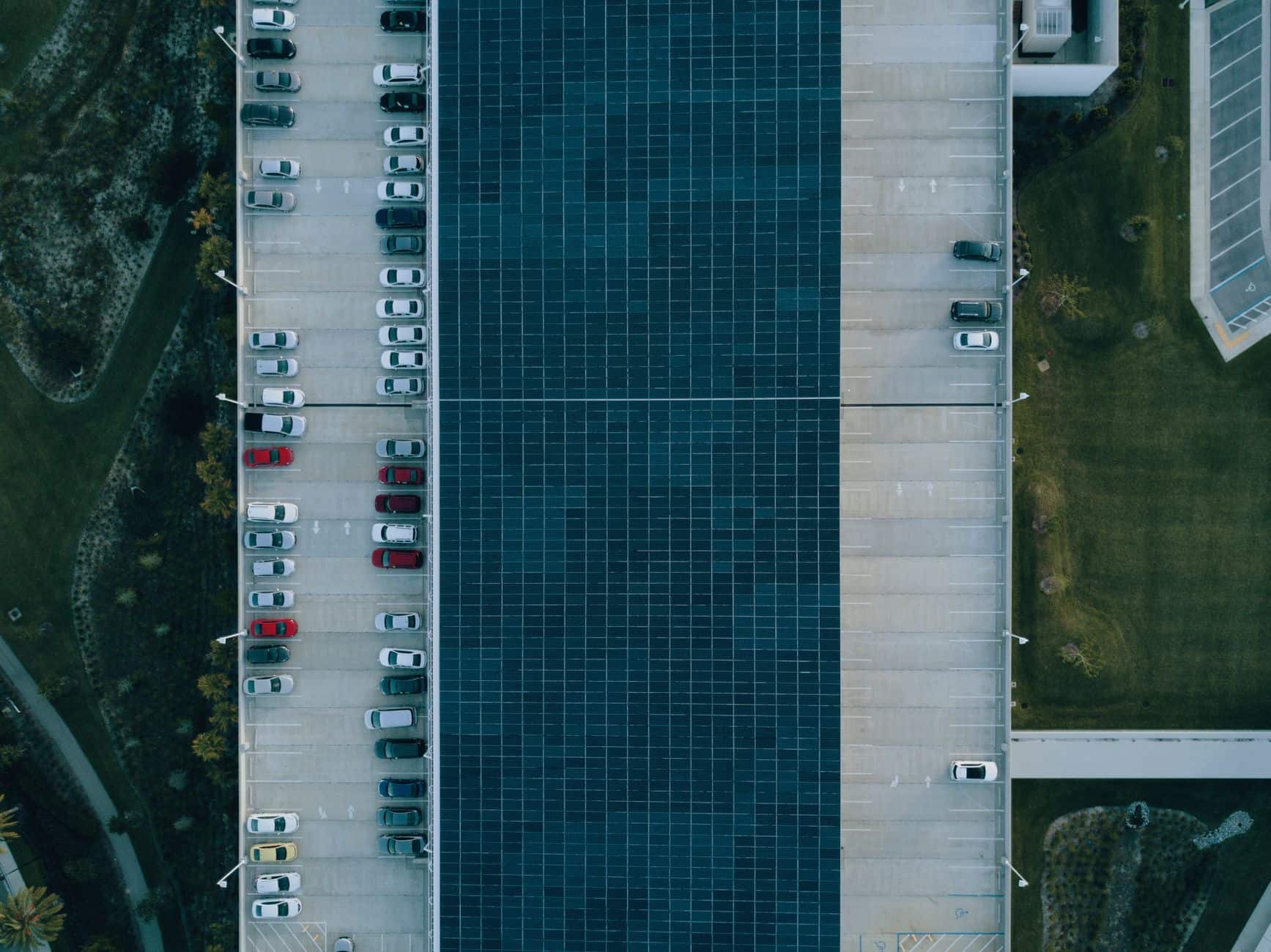
רכב חשמלי סולארי בלתי מאויש שפותח בסין מייצר עד 7.6 kWh ביום בעזרת פאנלים של 8 מ״ר, ומאפשר להרחיב את טווח הנסיעה.
Mekorot Targets Energy‑Independent Water Supply
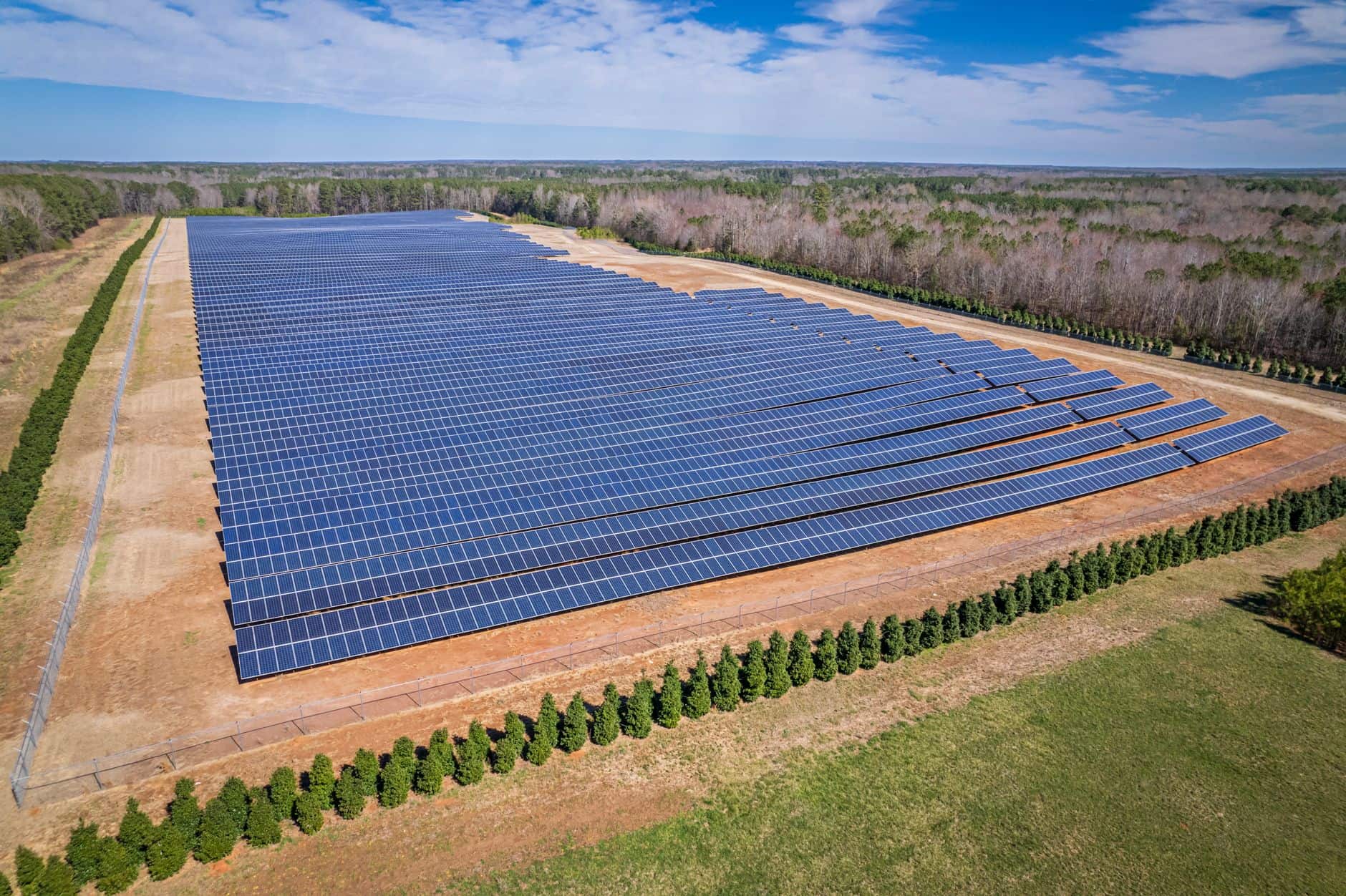
Mekorot plans to meet all its electricity needs with renewable energy by 2030, leveraging large solar farms and storage, and drawing on a ₪40 billion national investment in clean energy.
Silicon Recycling Keeps Solar Loop Open
Silicon recovery from end‑of‑life solar panels now achieves high yields and AI‑driven robotics are pushing purity toward 9N, paving the way for a closed‑loop supply chain and lower module costs worldwide.
Virtual Power Plants to Power Data Centers
Israeli startup nGrid’s AI‑driven virtual power plant cuts data‑center electricity costs significantly and demonstrates fast payback for residential solar in Israel.
European Solar Module Prices Stabilize in July
European solar module prices were flat in July 2026, back‑contact cells stayed scarce, and perovskite‑tandem technology eyes a 2027 market debut.