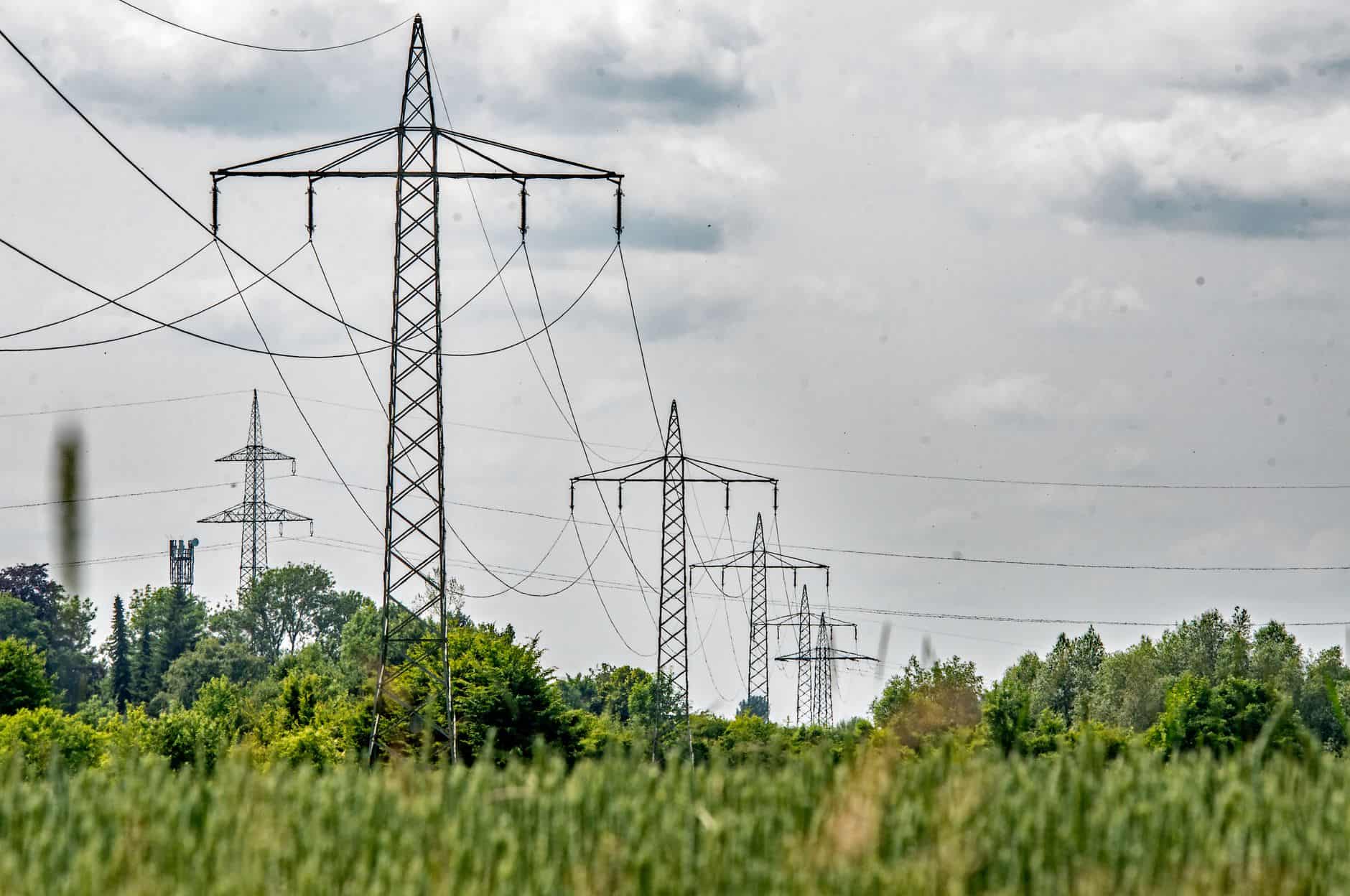
EU Electrification Plan to Double Power Use
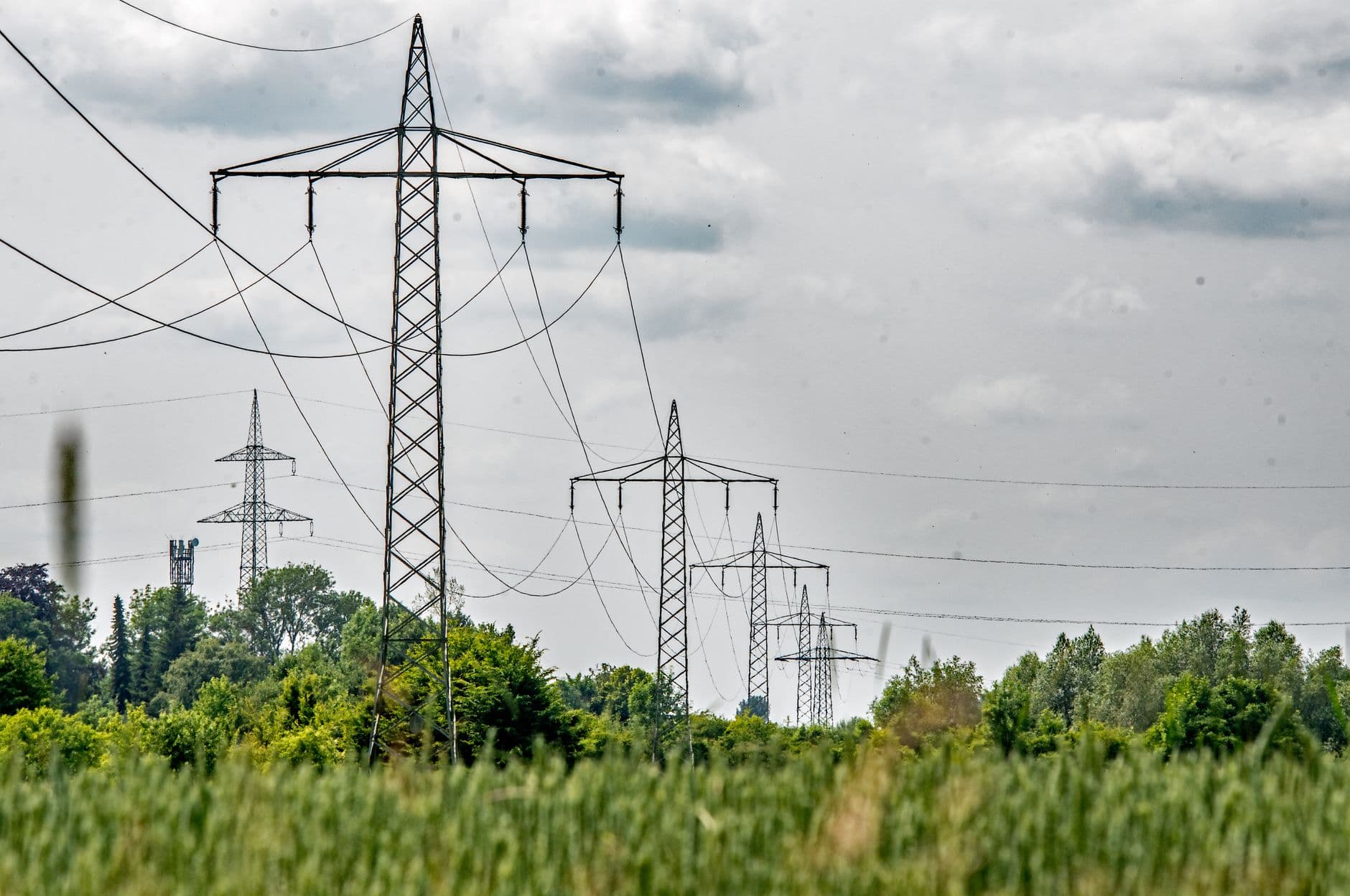
EU Electrification Action Plan: Doubling electricity’s share in final energy demand to 46% by 2040
The European Commission’s Electrification Action Plan sets a concrete target to lift the share of electricity in final energy consumption from the current 23% to 46% by 2040, effectively doubling the role of clean power across industry, transport and buildings. The plan is part of the post‑2020 Energy Union package and is meant to curb the EU’s reliance on imported fossil fuels (https://energy.ec.europa.eu/topics/eus-energy-system/electrification_en). By 2030 the Commission already aims for 32% electrification, with the 46% figure serving as the long‑term benchmark (https://www.cep.eu/eu-topics/details/priorities-for-an-eu-electrification-action-plan.html).
Cutting €240 bn in annual fossil‑fuel import costs
Reaching the 46% target could slash the EU’s yearly fossil‑fuel import bill by about €240 billion, according to the Commission’s own impact assessment. The savings stem from reduced demand for oil, coal and gas in heating, mobility and industrial processes, which currently drive a large share of the bloc’s trade deficit (https://energy.ec.europa.eu/topics/eus-energy-system/electrification_en). In simple terms, every euro saved on imported fuel can be reinvested in clean‑energy infrastructure, creating a virtuous cycle of decarbonisation.
Key measures: price parity, grid expansion and ETS reform
The plan tackles three main barriers: (1) the price gap – electricity often costs three times more than gas for industry, discouraging a switch to electric heat pumps or EVs; (2) grid bottlenecks – long connection waiting times and under‑utilised networks slow rollout; and (3) insufficient incentives for high‑intensity users. To level the playing field, the Commission proposes lowering grid charges for targeted consumer groups, cutting taxes on energy‑intensive firms, and ensuring electricity is not taxed more heavily than gas (https://www.eurelectric.org/wp-content/uploads/2024/06/electrification-action-plan-final.pdf). It also calls for faster smart‑meter deployment and a revised EU Emissions Trading System that ties free allowances more closely to decarbonisation investments (https://climate.ec.europa.eu/eu-action/carbon-markets/about-eu-ets_en).
Timeline and legislative steps
The action plan is slated for formal adoption in mid‑2026, with the EU’s Grid Package expected to be approved by the end of the year to speed network upgrades (https://www.europarl.europa.eu/legislative-train/theme-a-new-plan-for-europe-s-sustainable-prosperity-and-competitiveness/file-electrification-action-plan). Once in force, member states will be able to adjust grid tariffs, reduce taxes for heavy users and unlock €100 billion from the new Industrial Decarbonisation Bank to fund pilot projects and scale‑up manufacturing (https://www.catf.us/2026/04/making-100-billion-count-turning-europes-industrial-decarbonisation-ambitions-steel-ground/).
What it means for Israel’s solar market
Israel can draw a direct parallel: narrowing the electricity‑vs‑gas price gap would make electric heat pumps and rooftop solar far more attractive to households. Using the typical Israeli residential tariff of ₪0.48 /kWh and a standard 10 kWp rooftop system that yields ~17,000 kWh / year, a homeowner currently earns about ₪8,160 per year in avoided electricity costs [Verified Israeli Solar Facts]. Measures that narrow the electricity‑vs‑gas price gap could further improve the financial return of such systems, potentially shortening the pay‑back period. Moreover, a smoother grid‑connection process—mirroring the EU’s accelerated grid‑package—could reduce waiting times for new rooftop installations, supporting Israel’s 30% renewable electricity target for 2030.
Outlook: Europe’s path to an electrically powered continent
Ursula von der Leyen summed up the ambition: “Today we are proposing to make Europe the world’s first electrically powered continent.” If the EU delivers on price parity, grid upgrades and targeted financing, the continent could see a surge in heat‑pump adoption, EV charging infrastructure and, crucially, rooftop solar installations—mirroring the growth trajectory Israel is already pursuing.
Sources: European Commission (https://energy.ec.europa.eu/topics/eus-energy-system/electrification_en), Eurelectric (https://www.eurelectric.org/wp-content/uploads/2024/06/electrification-action-plan-final.pdf), CEP (https://www.cep.eu/eu-topics/details/priorities-for-an-eu-electrification-action-plan.html), European Parliament (https://www.europarl.europa.eu/legislative-train/theme-a-new-plan-for-europe-s-sustainable-prosperity-and-competitiveness/file-electrification-action-plan), EU ETS (https://climate.ec.europa.eu/eu-action/carbon-markets/about-eu-ets_en), Industrial Decarbonisation Bank (https://www.catf.us/2026/04/making-100-billion-count-turning-europes-industrial-decarbonisation-ambitions-steel-ground/).
Sources & further reading
FAQ
What is the EU’s target for electricity in final energy demand?
The Electrification Action Plan targets 46% of final energy consumption to be met by electricity by 2040, up from the current 23%.
How much could the EU save on fossil‑fuel imports?
The Commission estimates the plan could cut annual fossil‑fuel import costs by about €240 billion.
Which sectors are most affected by the plan?
Industry, transport and buildings are the focus, with measures for heat pumps, electric vehicles and industrial electric processes.
What grid‑related actions are included?
The plan proposes lower grid charges for certain users, faster smart‑meter rollout and an accelerated European Grid Package to speed network upgrades.
How does the plan impact the EU Emissions Trading System?
It will adjust the linear reduction factor and tie free allowance allocations more closely to companies’ decarbonisation investments.
What does this mean for Israeli homeowners?
If electricity prices fall 30%, a typical 10 kWp rooftop system could cut its pay‑back time from 3.9 to about 2.8 years, making solar even more attractive.
Share this post
More from Policy
6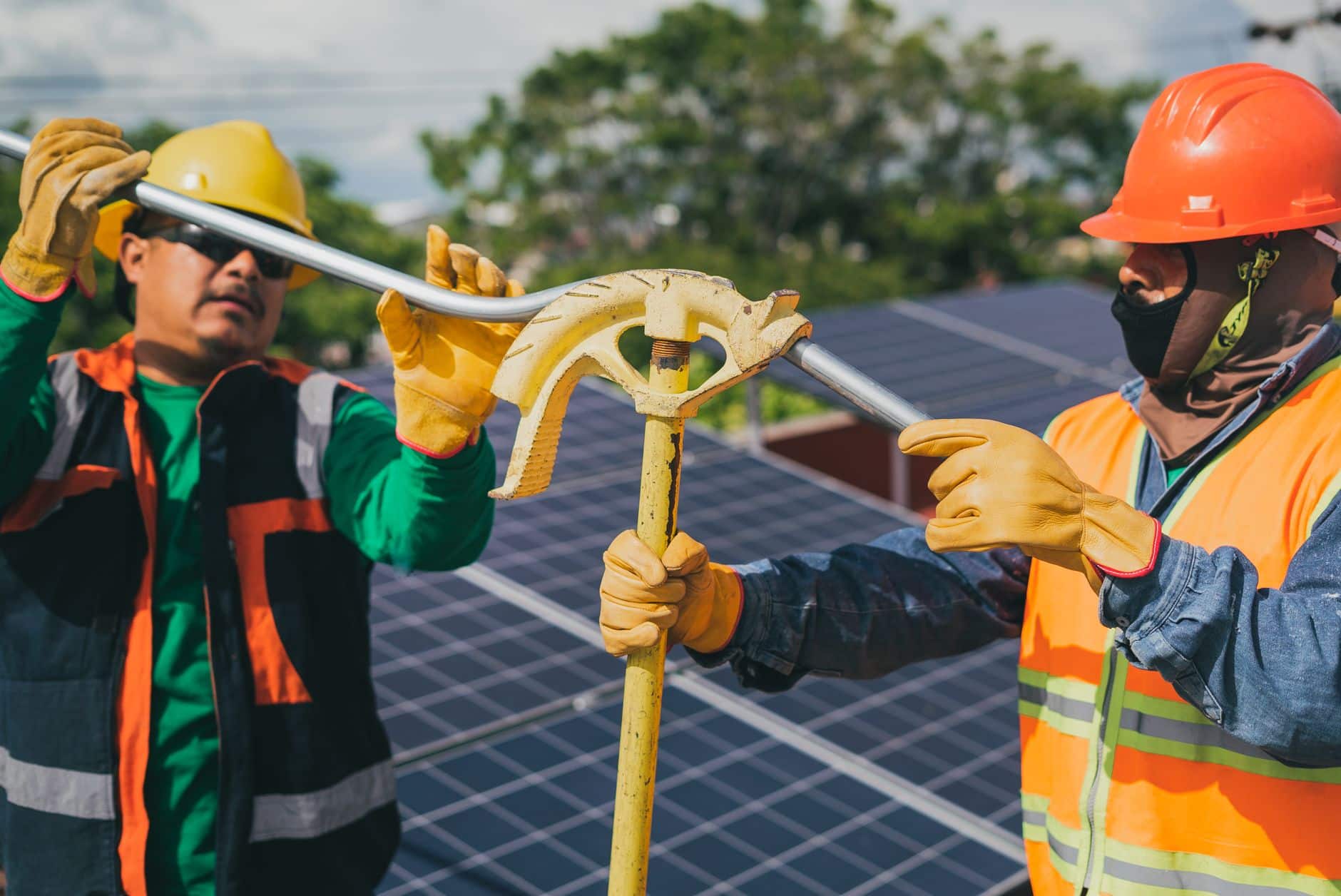
Inclusion Must Move Past Token Gestures
Inclusion in solar must move beyond token gestures to practical tools, gender‑neutral hiring and real leadership roles, a shift already shown to boost innovation and resilience worldwide.
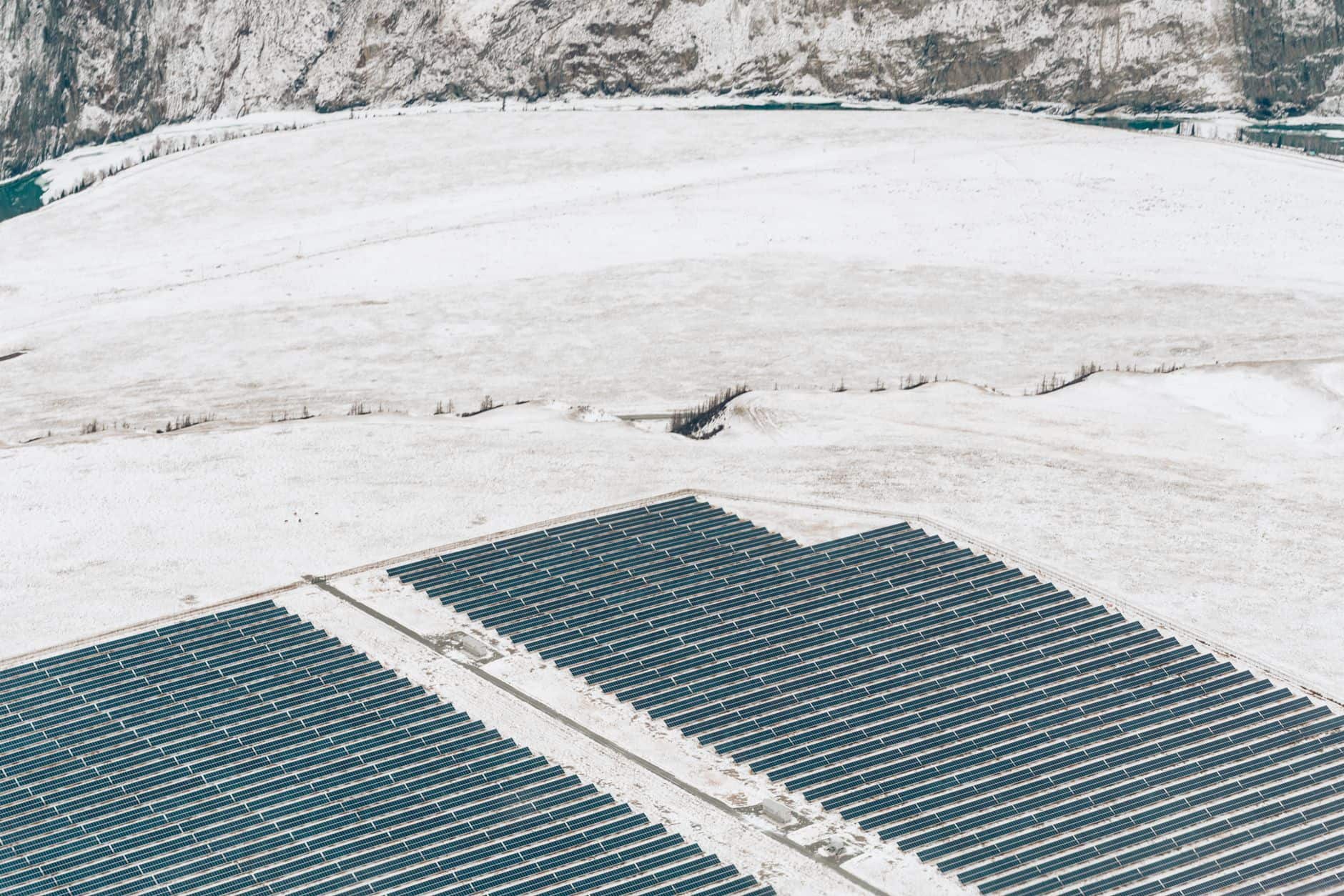
China's New Solar Tax Could Raise Global PV Prices
China’s new 2‑4 % consumption tax on solar cells (and batteries) starts in 2027, potentially nudging up global module prices and modestly extending payback periods for Israeli rooftop installations.
Cable Rule Loosened, Solar Projects Accelerate
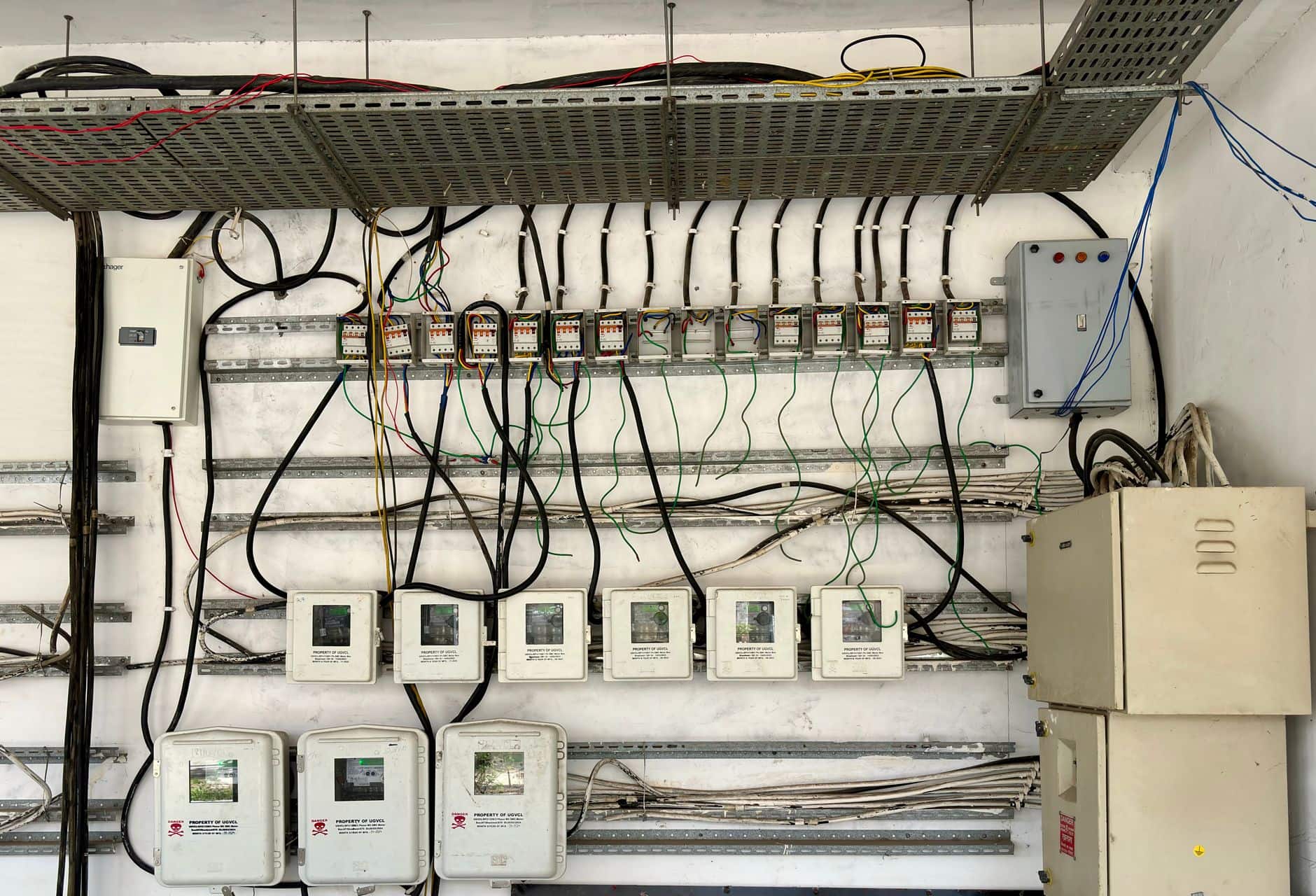
Israel has relaxed its power‑cable standards, permitting higher‑ampacity conductors that cut solar project wiring, modestly lower costs and accelerate deployments, helping the country move toward its 2030 renewable‑energy goal.

Israel Mandates Rooftop Solar on New Buildings
Israel’s new law forces rooftop solar on all new non‑residential buildings and adds fast‑track incentives, cutting the typical residential payback to under four years.
Giant Solar Farm Threatens Endangered Reptiles
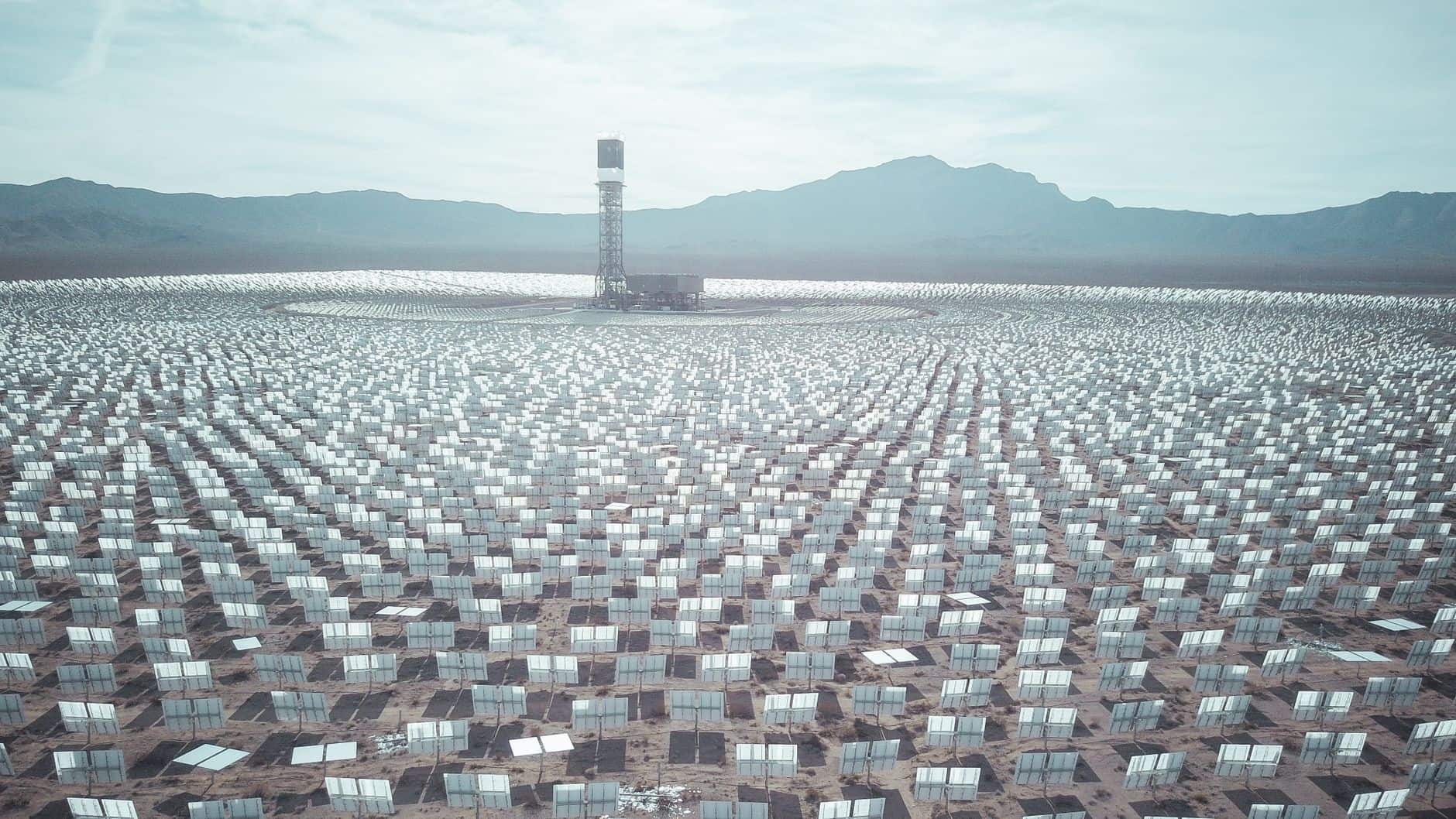
Israel approved a 265 MW solar farm in the Negev that overlaps the habitat of protected reptiles, sparking a debate between renewable‑energy goals and desert biodiversity protection.
UAE Pushes Regional Water‑Energy Summit with Israel, Jordan
The UAE has offered to host a trilateral summit with Israel and Jordan to forge a water‑for‑energy deal, but Jordan denies any formal invitation, highlighting diplomatic uncertainty.