Israel Pours $2 Million into Blue‑Tech Energy R&D
Quick answer: Israel is committing NIS 6 million (about US $2 million) to a new Blue‑Tech energy research fund.
The Israel Innovation Authority (IIA) and the Ministry of Energy and Infrastructure announced a joint call for proposals that will allocate roughly NIS 6 million to develop breakthrough marine‑focused renewable technologies — often called “Blue‑Tech.” The fund is intended to accelerate R&D, pilot projects and commercialisation of ocean‑based energy solutions.
Who is funding it and how the call works
The IIA and the Ministry of Energy and Infrastructure are each contributing half of the NIS 6 million budget, creating a joint programme that will run for several years. Proposals must address marine‑related energy challenges and will be evaluated on technical merit and potential impact. According to the Jerusalem Post, the call opened in 2024 and aims to award several projects in its first round.
What technologies are in focus
The Blue‑Tech call targets a suite of ocean‑based solutions, including:
- Offshore wind and floating‑wind concepts that can harness Mediterranean breezes.
- Wave and tidal converters that turn sea motion into electricity.
- Marine bio‑energy and algae‑based fuels.
- Desalination and water‑management systems that couple renewable power with clean water production.
- Integrated monitoring and digital platforms for marine resource optimisation.
These categories align with the broader definition of Blue‑Tech as “innovative applications that improve the sustainable management of oceans, coasts and large water bodies” — see the BlueTech summary.
Why the investment matters now
Global clean‑tech spending is on a steep upward trajectory; the IEA’s Energy Technology Perspectives 2024 notes that “a major wave of investment in manufacturing clean technologies is underway” across the world — a trend Israel is joining (IEA, 2024). At the same time, Israel’s own Climate‑Tech Status Report highlights the sector’s resilience despite a global funding slowdown, with R&D receiving strong domestic backing — the Blue‑Tech fund is a concrete example of that policy continuity (Innovation Israel, 2024).
Anticipated economic and environmental impact
Analysts expect the programme to generate several dozen high‑tech jobs in marine engineering, create export‑ready prototypes and add a measurable share of clean electricity to the national grid. A 10 MW offshore wave farm could generate several tens of GWh per year, representing a notable share of a community’s electricity demand. While exact figures for Israeli projects are still being modelled, the initiative could help meet Israel’s 30 % renewable‑energy target for 2030.
What it means for Israel’s solar market
The Blue‑Tech fund illustrates how government‑backed R&D can shorten payback periods for clean‑energy assets. For example, a typical 10 kWp rooftop solar system in central Israel yields ~17,000 kWh / year, worth about ₪8,160 at the residential tariff of ₪0.48/kWh, and recoups its ₪31,500 installation cost in roughly 3.9 years — a calculation based on the verified Israeli solar figures (see the Worked Example in the Israeli facts sheet). If similar subsidy structures were applied to marine pilots, developers could see comparable ROI timelines, making Blue‑Tech projects financially attractive alongside rooftop solar.
Forward look: next steps for innovators
Grants are expected to be awarded later in 2024, with pilot installations planned for the following years. Recipients will receive not only funding but also access to the IIA’s test‑beds, regulatory guidance and market‑entry support. Stakeholders are encouraged to submit proposals through the IIA portal before the upcoming deadline. If the programme meets its targets, Israel could become a regional hub for marine renewable technology, exporting know‑how to neighboring Mediterranean countries.
What it means for you – Whether you’re a homeowner considering solar panels or an investor eyeing the next clean‑energy frontier, Israel’s dual focus on rooftop solar and Blue‑Tech shows a clear policy direction: clean power is being made cheaper, faster and more locally sourced. Use our solar ROI calculator to see how quickly a home system pays for itself, and keep an eye on the upcoming marine‑energy pilots that could reshape the country’s energy mix.
Sources & further reading
- Energy Technology Perspectives 2024 – Analysis - IEA
- 'Going blue': Israel invests in marine-related renewable energies with Innovation Authority fund
- Israel Invests Close to $2 Million to Advance Next Generation of Blue...
- Israel ClimateTech Report.pdf
- Climate Tech Status Report 2024-25 - English Innovation Site
FAQ
How much money is Israel investing in Blue‑Tech energy research?
Israel is committing NIS 6 million – roughly US $2 million – to a joint Blue‑Tech R&D fund.
Which agencies are running the Blue‑Tech fund?
The Israel Innovation Authority and the Ministry of Energy and Infrastructure are co‑funding the programme.
What kinds of technologies will the fund support?
It will back offshore wind, floating‑wind, wave and tidal converters, marine bio‑energy, desalination and digital marine‑resource platforms.
When can companies expect to receive the first grants?
The first round of awards is slated for the fourth quarter of 2024, with pilots beginning in 2025‑2026.
How does this investment relate to Israel’s renewable‑energy goals?
The fund aims to help Israel reach its 30 % renewable‑energy target by 2030 by adding marine‑based power to the grid.
Will the Blue‑Tech programme affect solar‑panel owners?
Yes – it shows how government‑backed clean‑energy projects can achieve fast payback, similar to the 3.9‑year ROI typical for a 10 kWp home solar system.
Share this post
More from Technology
6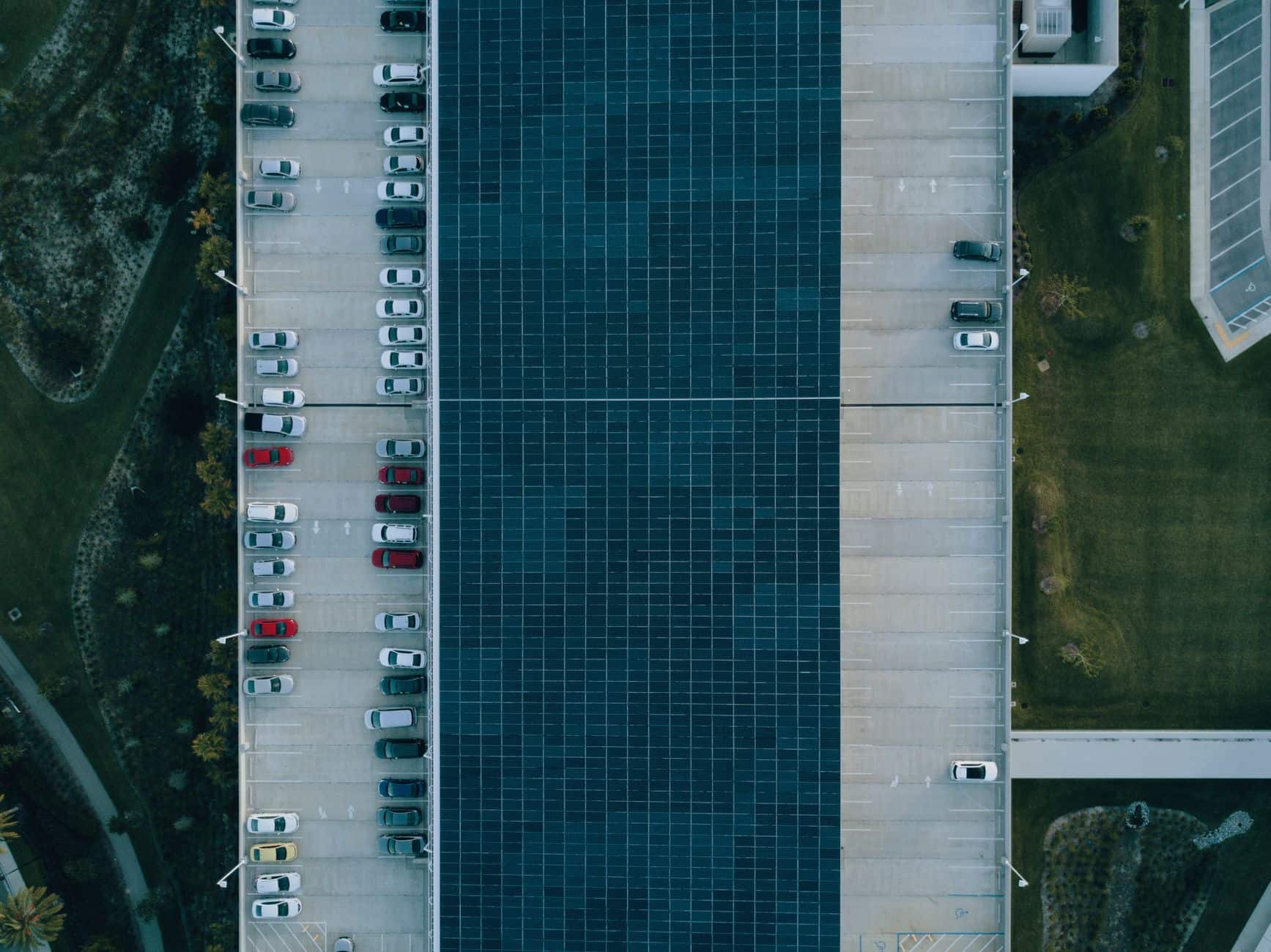
סולארי על גלגלים: רכב חכם ללא נהג מסין
רכב חשמלי סולארי בלתי מאויש שפותח בסין מייצר עד 7.6 kWh ביום בעזרת פאנלים של 8 מ״ר, ומאפשר להרחיב את טווח הנסיעה.
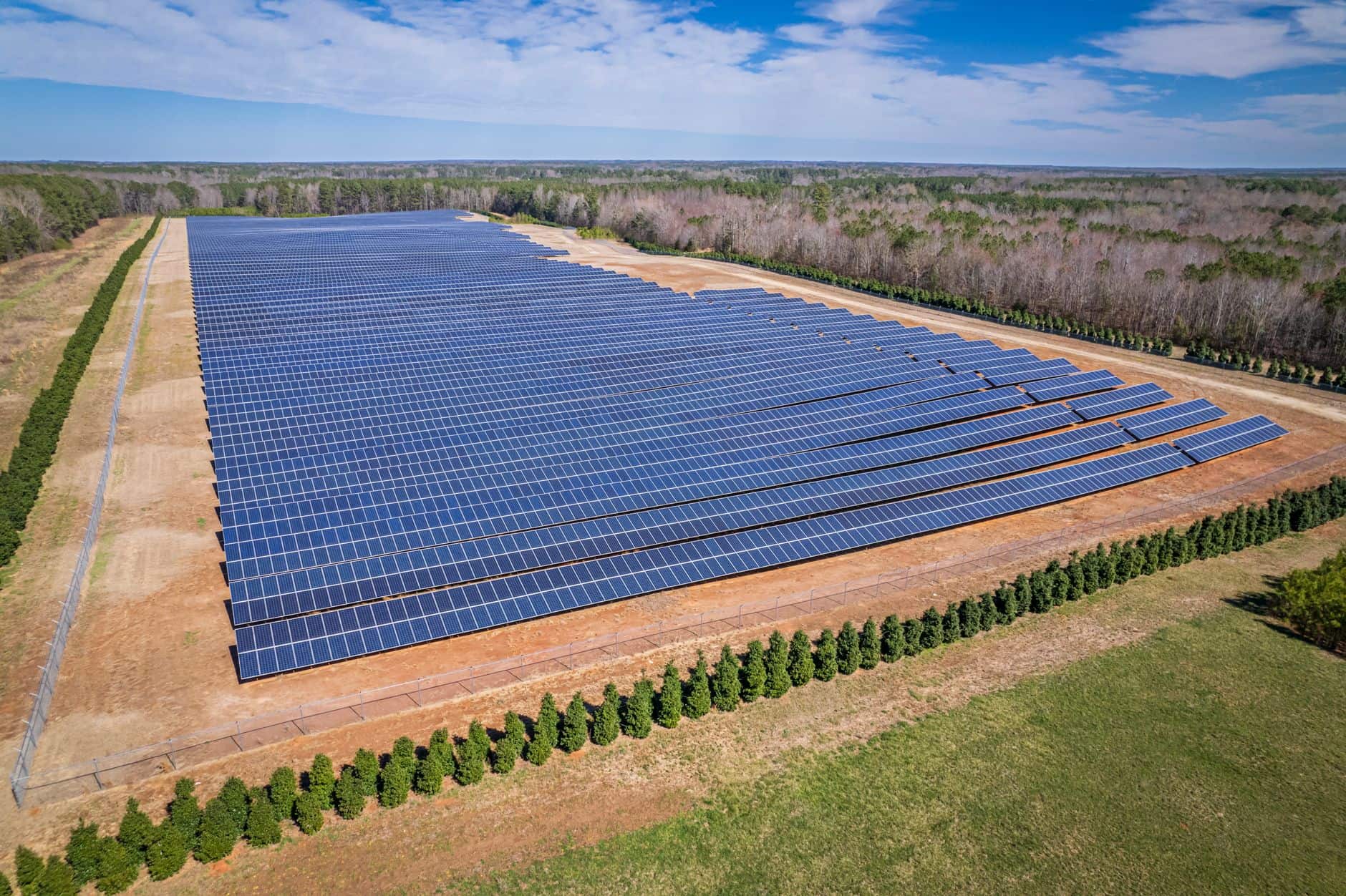
Mekorot Targets Energy‑Independent Water Supply
Mekorot plans to meet all its electricity needs with renewable energy by 2030, leveraging large solar farms and storage, and drawing on a ₪40 billion national investment in clean energy.
Silicon Recycling Keeps Solar Loop Open
Silicon recovery from end‑of‑life solar panels now achieves high yields and AI‑driven robotics are pushing purity toward 9N, paving the way for a closed‑loop supply chain and lower module costs worldwide.
AI Tool Slashes Solar Soft Costs
AgentSolar AI can shave $4,000‑$6,000 off a typical 8 kW U.S. residential solar system by automating quote analysis and negotiation, while in Israel reduced soft costs could speed up payback for a standard 10 kWp home install.
Virtual Power Plants to Power Data Centers
Israeli startup nGrid’s AI‑driven virtual power plant cuts data‑center electricity costs significantly and demonstrates fast payback for residential solar in Israel.
European Solar Module Prices Stabilize in July
European solar module prices were flat in July 2026, back‑contact cells stayed scarce, and perovskite‑tandem technology eyes a 2027 market debut.