
Diversity Powers Solar’s Global Surge

Diversity is a Competitive Edge in Solar Projects
Diverse teams reduce risk and boost project performance by bringing multiple viewpoints to technical and commercial decisions. Tuğçe Gür, Supply‑Chain Manager at RCT Solutions, explains that evaluating people on capability, giving them visibility and responsibility, and providing continuous feedback creates faster problem‑solving and higher‑quality outcomes. Research indicates that gender‑balanced teams can better identify risks and generate innovative solutions, a trend echoed across the renewable‑energy sector.
Global Solar Capacity Booms While Markets Localize
In 2025 the world added 511 GW of new solar PV, lifting total installed solar to 2 383 GW. Solar accounted for 75 % of all renewable‑energy growth in 2025. While the technology spreads globally, success now hinges on local market knowledge: understanding regional regulations, grid codes, and customer financing models. Companies that blend global finance and supply chains with on‑the‑ground local expertise are winning the biggest contracts.
Tuğçe Gür’s Journey Illustrates the Power of Inclusion
Gür’s career started in Turkey when the country’s solar capacity was about 5.1 GW (2018). By the time she left for Germany, Turkey’s fleet had grown to ≈25 GW and India’s to 135.5 GW (IRENA 2026 data). Her move from an operational role in a Turkish factory to international project consulting in Germany shows how inclusion opens pathways for talent that might otherwise be overlooked. Gür credits mentorship, clear feedback, and being judged on execution rather than gender stereotypes for her rapid advancement.
Localization vs Globalization: The New Balance
The renewable sector is not abandoning globalization; cross‑border financing, technology transfer, and shared R&D remain vital. However, the implementation phase now demands localized supply‑chain assessments, cost‑structure analysis, and regulatory navigation – tasks Gür performs daily for multi‑GW solar investments. This hybrid model reduces project delays caused by mismatched standards and improves cost predictability, a key factor for investors seeking stable returns.
What it Means for Israel
Israel’s solar market can reap the same benefits by embedding diversity in project teams and tailoring solutions to local conditions. Using the typical Israeli figures (residential tariff ≈ ₪0.48 /kWh, install cost ≈ ₪3 150 /kWp, central‑region yield ≈ 1 700 kWh/kWp yr) a 10 kWp rooftop system would generate about 17 000 kWh per year, worth roughly ₪8 160 in electricity savings. At a ₪31 500 installation price, the simple payback is ≈ 3.9 years, after which the system delivers virtually free clean power for the remainder of its 25‑year life. Faster payback and lower carbon intensity (≈ 0.5 kg CO₂ avoided per kWh) make solar an attractive option for homeowners, businesses, and municipalities alike. Companies that champion gender‑balanced engineering and local market expertise will be best positioned to capture upcoming Israeli tender opportunities, especially as the nation pushes for 30 % renewable electricity by 2030.
Looking Ahead: Scaling Inclusion for the Energy Transition
The next decade will see solar capacity continue its strong rise, driven by falling module prices and expanding storage. To sustain this growth, the industry must systematically embed inclusive hiring, mentorship, and localized decision‑making. As Gür puts it, “pivot, learn and continue” – a mantra that encourages teams to adapt quickly, leverage diverse insights, and keep the momentum toward a carbon‑free future.
For a deeper dive into Israeli solar economics, try our interactive ROI calculator [/calculator] and explore market data [/data].
Sources & further reading
FAQ
How much solar capacity was added worldwide in 2025?
The world installed 511 GW of new solar PV in 2025, raising total solar capacity to 2 383 GW.
Why is diversity important for solar project success?
Mixed‑gender and multicultural teams spot more risks, generate more ideas, and deliver projects on time and on budget.
What does ‘localization’ mean for renewable projects?
It means tailoring design, financing and permitting to each country’s rules, grid codes and customer preferences while still using global technology and capital.
How fast can a typical Israeli rooftop system pay for itself?
A 10 kWp system in central Israel usually breaks even in about 3.9 years, based on a ₪0.48/kWh tariff and a ₪3 150/kWp install cost.
What are Israel’s renewable electricity targets?
Israel aims for 20 % renewable electricity by 2025 and 30 % by 2030.
Share this post
More from Markets
6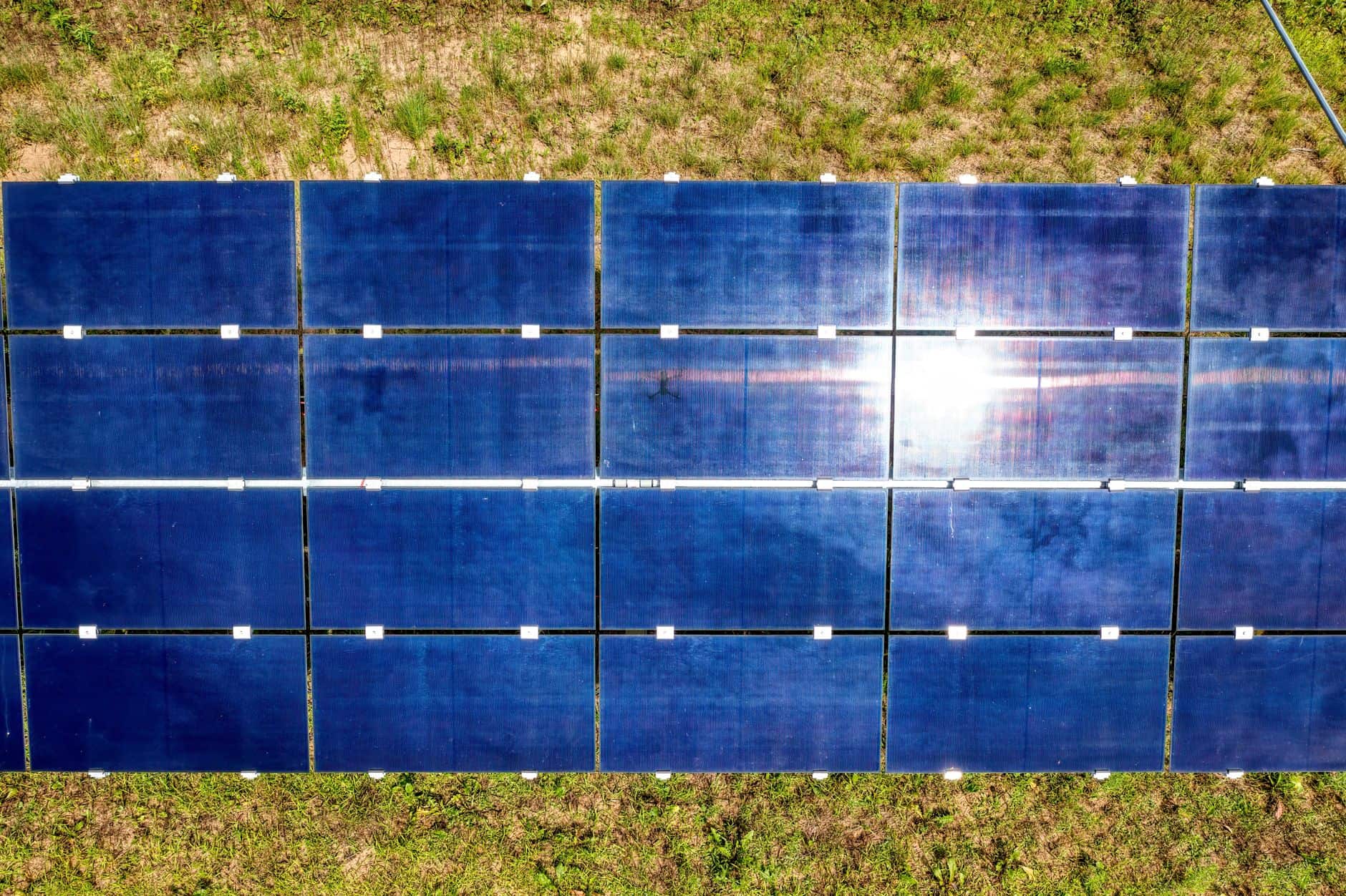
TCL Zhonghuan Adds 70 GW After Das Solar Deal
TCL Zhonghuan’s July acquisition of Das Solar adds 20 GW of TOPCon cells and 50 GW of modules, and the company will invest CNY 2.6 bn to convert 20 GW of cells and 25 GW of modules to back‑contact technology, while polysilicon and wafer prices keep falling.
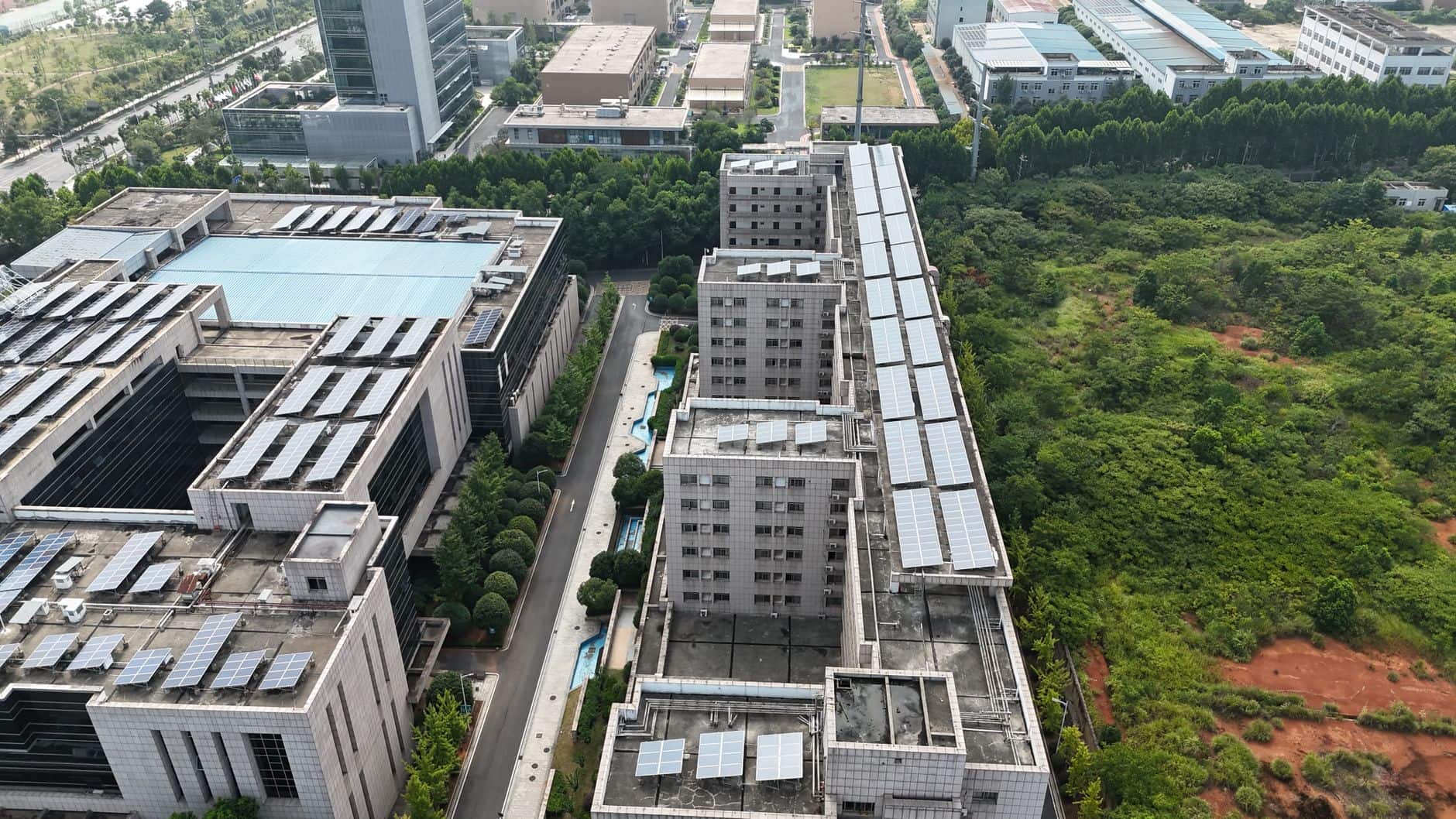
China Solar Module Prices Drop on Weak Europe
Chinese TOPCon module prices held at $0.113/W while forward contracts slipped modestly, as weaker European demand and the end of export‑tax rebates curb buying urgency.
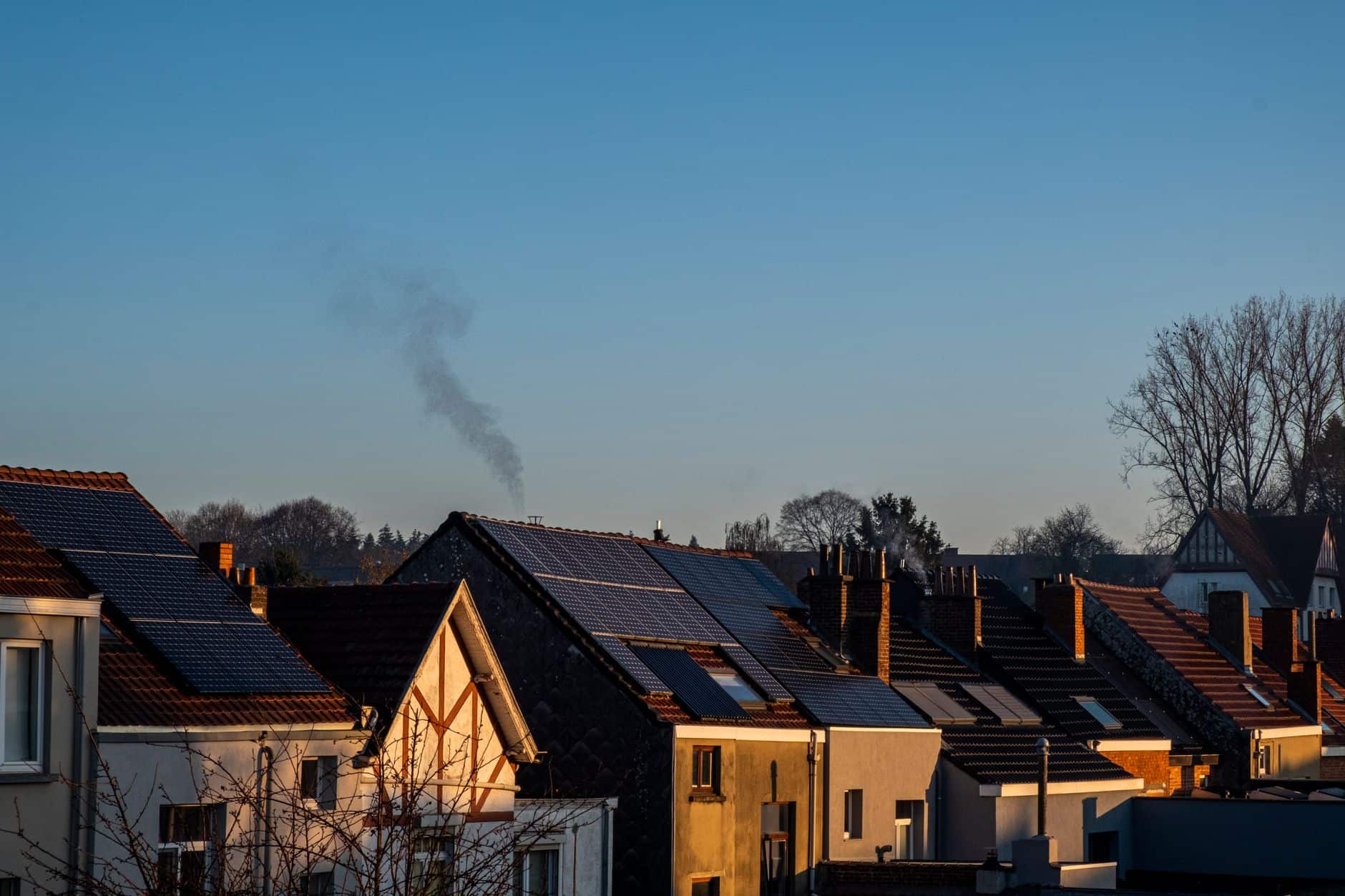
EU Solar Hits Record 58.8 TWh in Q1 2026
EU renewables supplied 45.5% of electricity in Q1 2026, with solar generating a record 58.8 TWh – enough to power about 13 million homes.
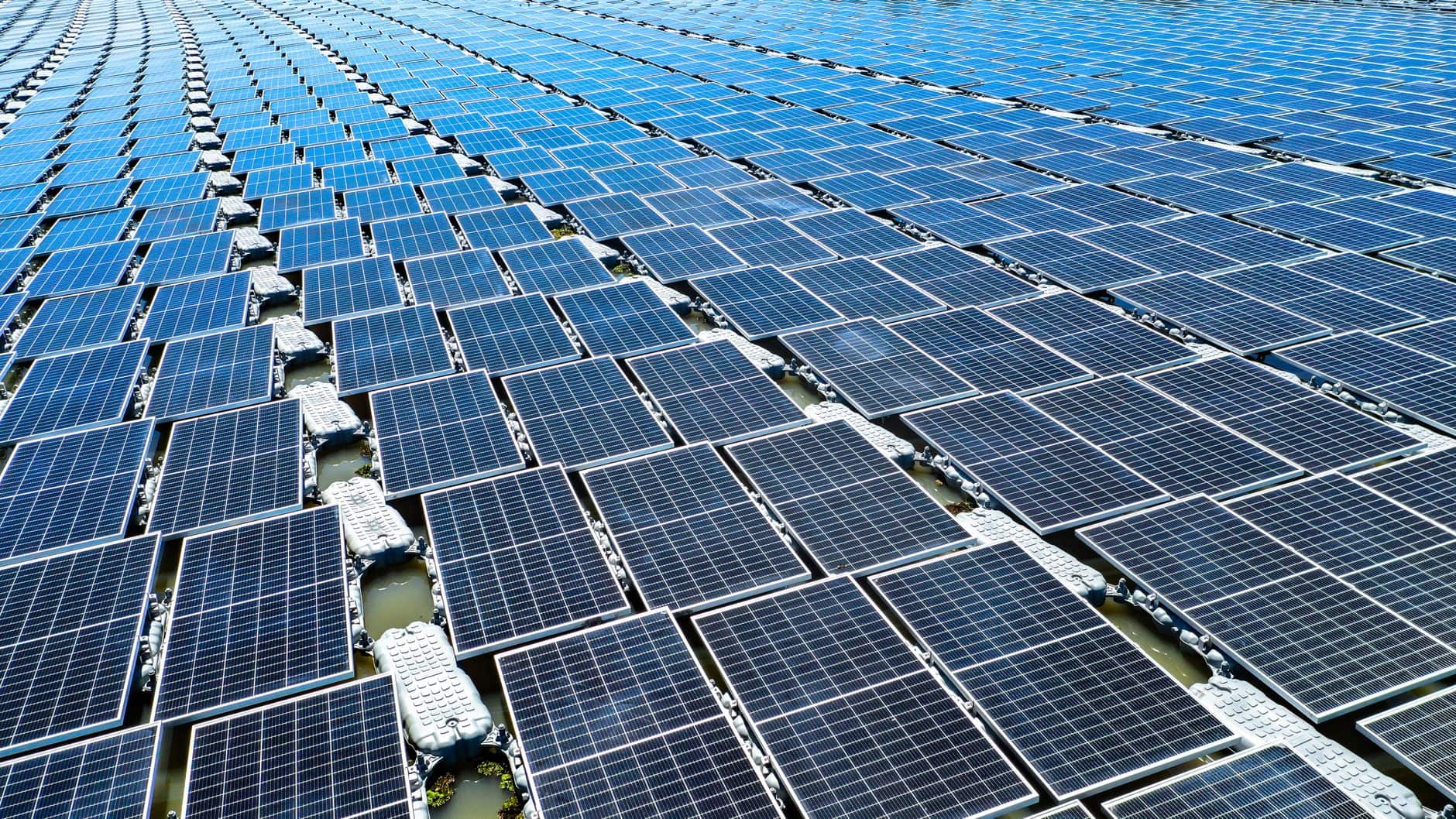
KKR's $4.2B EDF Deal Accelerates US Solar
KKR is buying EDF Power Solutions North America for about $4.2 billion, giving the firm a top‑ten U.S. renewable‑energy portfolio and marking its biggest clean‑energy investment yet.
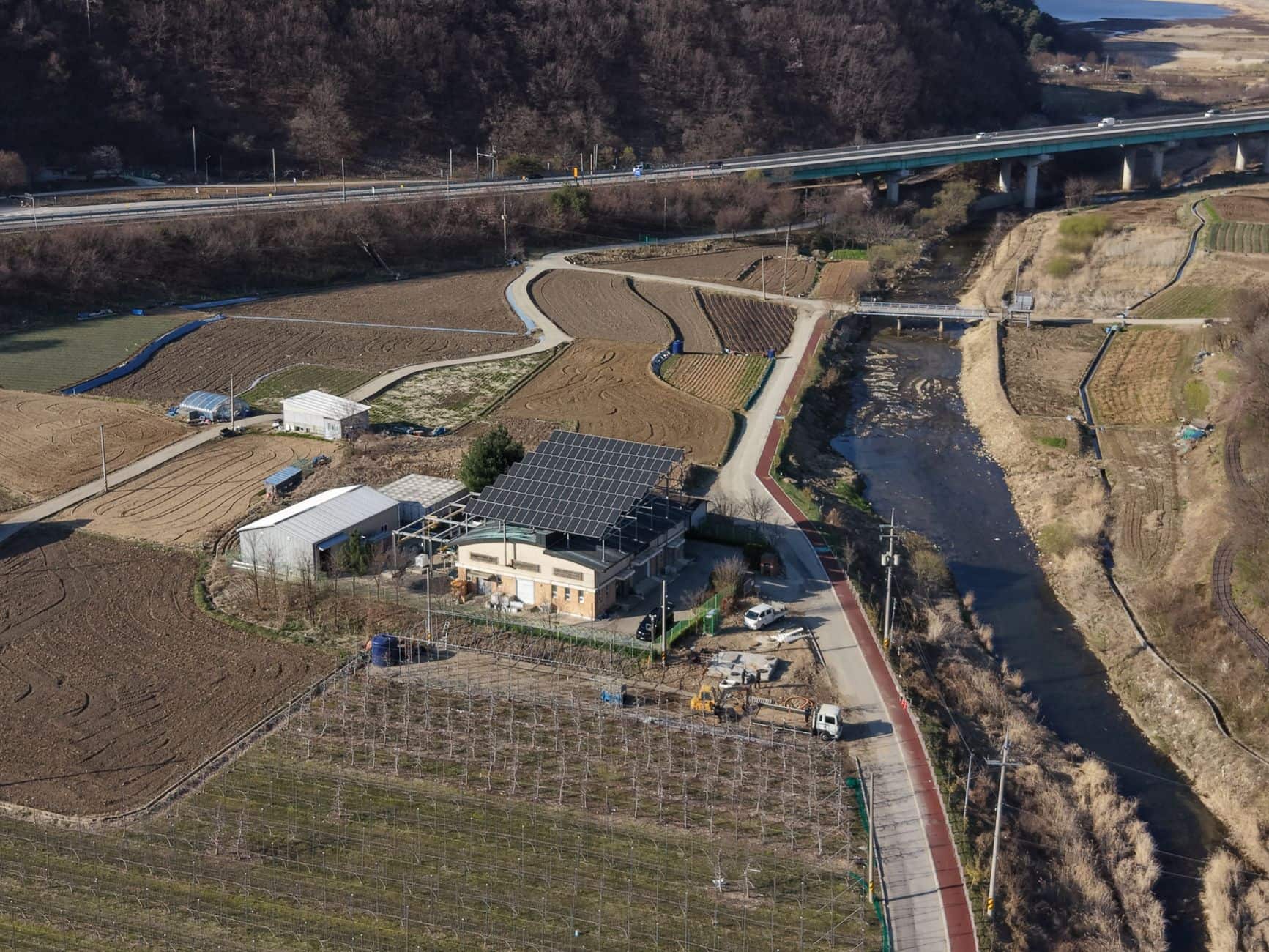
South Korea to Add 4 GW Solar in 2026
South Korea will add about 4 GW of new solar capacity in 2026, matching 2025 levels, as the market pivots toward higher quality and long‑term sustainability.
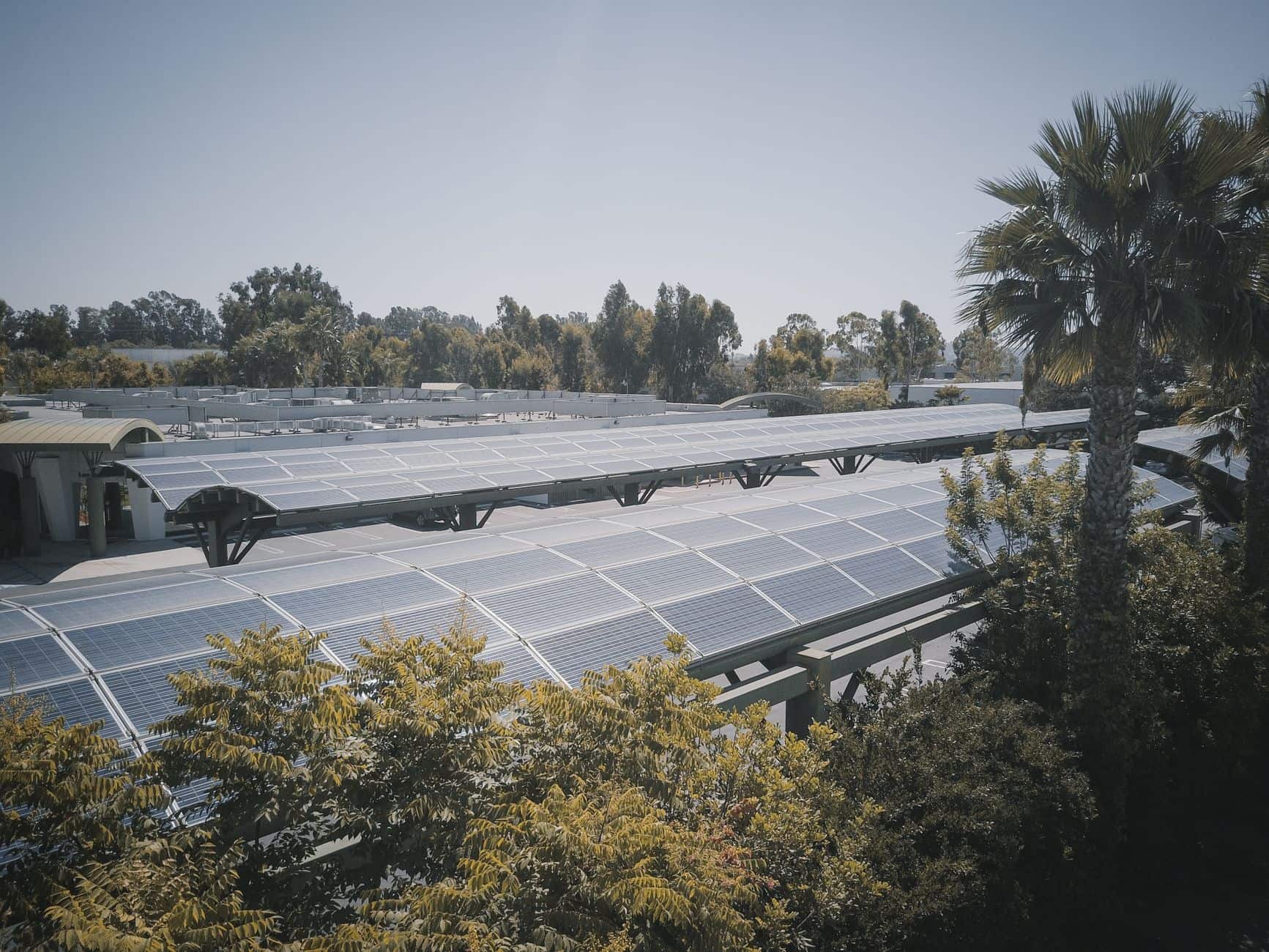
India Could Install 85 GW Solar by 2030
India could boost annual solar installations from about 50 GW in FY 27 to nearly 85 GW by FY 30, spurred by data‑centres, green‑hydrogen and round‑the‑clock power demand.