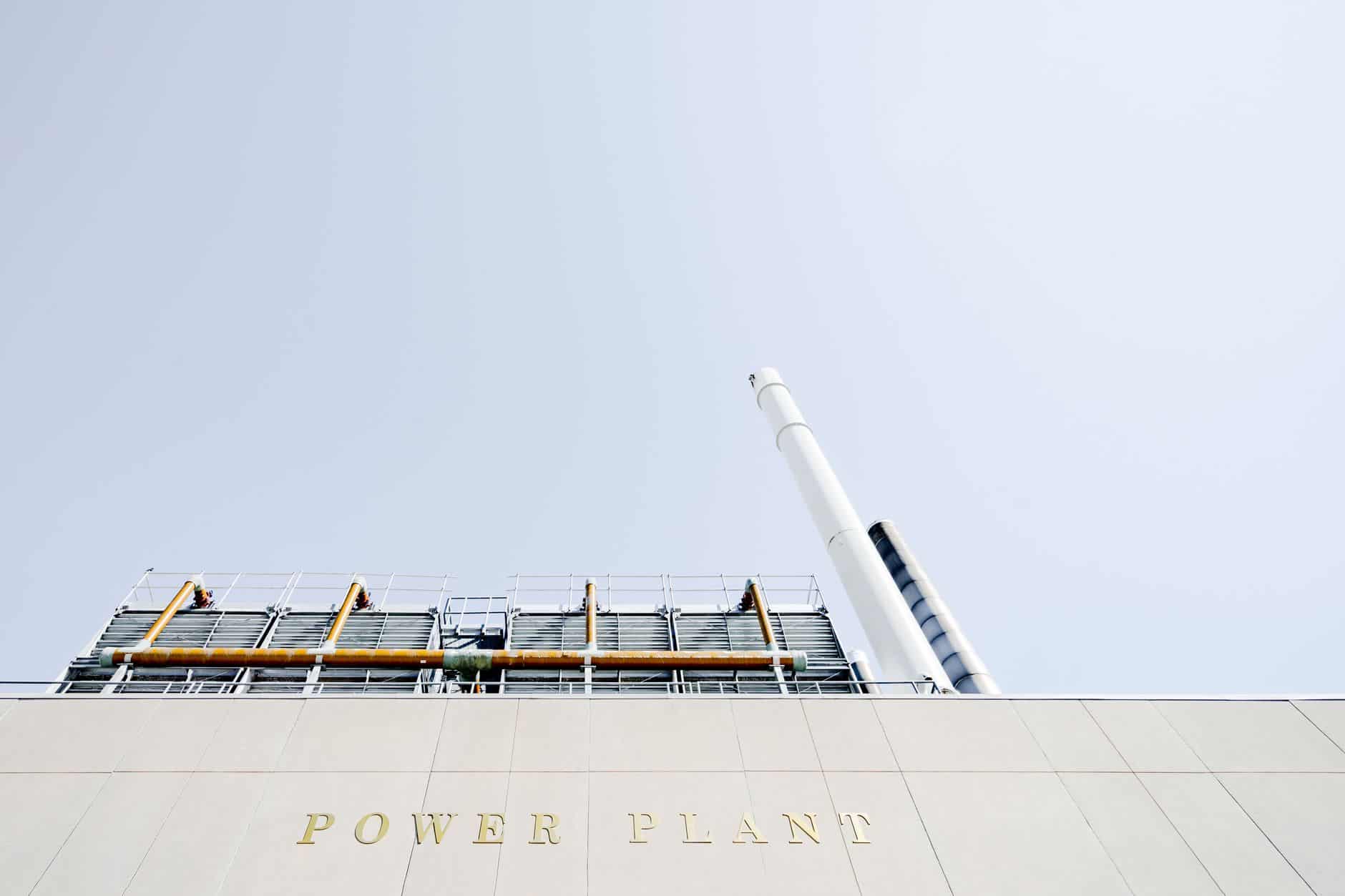
Australia’s 50 MW Green Hydrogen Hub Approved
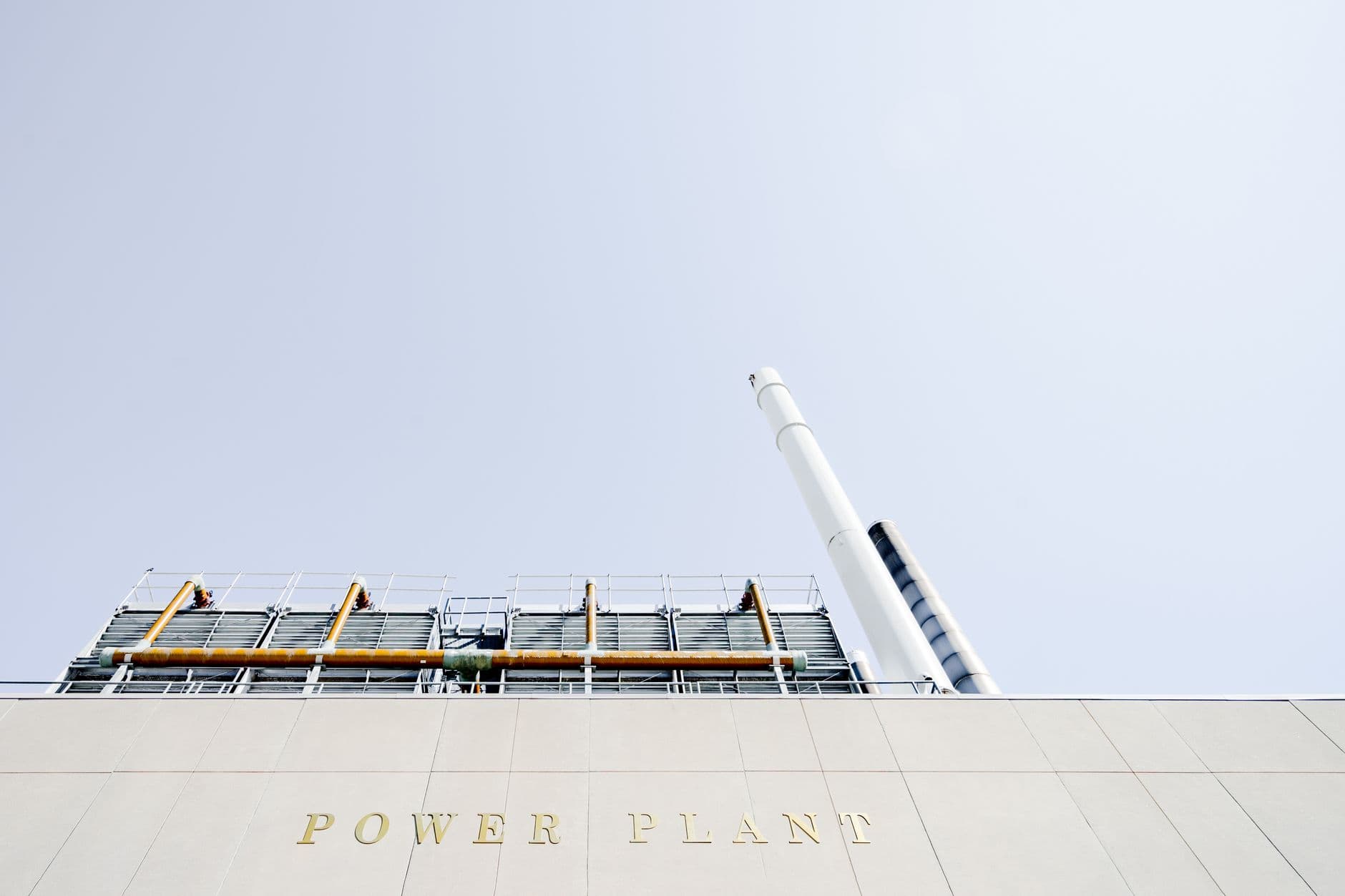
Orica’s 50 MW Hunter Valley Hydrogen Hub gets final investment decision
Orica announced a final investment decision (FID) to build a 50 MW renewable‑hydrogen plant in New South Wales, backed by A$432 million in government funding. The hub will replace natural‑gas feedstock in Orica’s ammonia plant on Kooragang Island, cutting emissions from one of Australia’s most carbon‑intensive processes. The project is part of the federal Hydrogen Headhead program, which provides production‑credit contracts for up to ten years to bridge the cost gap between renewable hydrogen and market prices.
How much green hydrogen will the hub produce?
The 50 MW electrolyser is expected to generate about 4,700 tonnes of renewable‑based hydrogen each year – enough to feed roughly 26,600 tonnes of low‑carbon ammonia annually. This represents a substantial amount of clean energy output for the region.
Mitsubishi signs 100,000 t/yr green methanol off‑take
In parallel, Japan’s Mitsubishi Gas Chemical (MGC) signed a long‑term purchase agreement with India’s ACME Group to offtake 100,000 tonnes of green methanol per year, starting when the Odisha plant reaches commercial operation in 2030. The methanol will be produced from green hydrogen, linking the project to a broader Asian supply chain for low‑carbon fuels.
Funding and policy support behind the project
The Hydrogen Headstart program was expanded in the 2024‑25 Australian federal budget with an additional AUD 2 billion, bringing total program funding to about AUD 4 billion for large‑scale projects. ARENA administers the competitive production‑credit contracts that will underwrite the Hunter Valley hub’s revenue stream, ensuring a predictable cash flow while the market for renewable hydrogen matures.
What the hub means for Israel
Israel’s renewable‑energy landscape is already driven by solar PV, with a typical 10 kWp rooftop system in the central region producing about 17 MWh of electricity per year. The hub’s annual clean‑energy output is many times the electricity consumption of a typical Israeli household, illustrating its scale. If Israel were to import green hydrogen or methanol, such low‑carbon fuels could offset a meaningful share of residential electricity demand, helping the country move toward its 30 % renewable‑energy target for 2030.
Outlook and next steps
Construction of the electrolyser and associated ammonia plant is planned to start in the mid‑2020s, with commercial operation expected a few years later. The Mitsubishi‑ACME methanol agreement positions the Australian hub as a key upstream supplier for Asian markets, while the Australian government’s production‑credit scheme de‑risks the economics of large‑scale renewable hydrogen. For Israel, the project illustrates how international hydrogen hubs can complement domestic solar expansion, offering a pathway to diversify clean‑energy imports and meet ambitious decarbonisation goals.
For a deeper dive into the economics of a typical Israeli solar installation, see our solar ROI calculator and the latest market data [/data].
Sources & further reading
FAQ
When will the Hunter Valley Hydrogen Hub start operating?
Construction is planned to start in 2025 with commercial operation targeted for 2027.
How much hydrogen will the Australian hub produce each year?
The 50 MW electrolyser is expected to generate roughly 4,700 tonnes of renewable hydrogen annually.
What is the size of Mitsubishi’s green methanol deal?
Mitsubishi Gas Chemical will offtake about 100,000 tonnes of green methanol per year from ACME’s project in Odisha, India.
How does the hub’s energy output compare to Israeli household consumption?
At about 156 GWh per year, the hydrogen energy could power roughly 9,200 typical Israeli homes (each using ~17 MWh annually).
What government support backs the Australian hydrogen project?
The project receives A$432 million under the Hydrogen Headstart program, which offers up to ten years of production‑credit contracts.
Why is the Australian hub important for the global hydrogen market?
It links Australian renewable electricity to Asian low‑carbon fuel demand, creating a supply chain for green methanol and ammonia.
Share this post
More from Technology
6

Predictive Tracker Tech Boosts Solar Yield
Sunner’s True Wind predicts tracker galloping in real time, reducing wind‑related downtime and modestly boosting solar output.
Africa’s Largest Floating Solar Plant Online
Morocco’s new 13 MW floating solar plant on the Oued Rmel Dam is Africa’s largest FPV installation, delivering clean power to the Tanger Med port and showcasing how flexible anchoring can handle 30‑plus‑metre water‑level swings.
Solar Panel Waste Turned Into Battery Power
Indian researchers have cracked a method that recovers 97.75 % of silicon from dead solar panels and turns it into high‑performance lithium‑ion battery electrodes.
Flat‑Roof Inverter Rack Slashes Install Time
Opsun’s SunRail Inverter Rack lets commercial installers finish flat‑roof solar projects faster, with a pre‑assembled aluminum frame that tolerates 180 mph winds and 100 psf snow loads.
AC‑Side V2H Boosts Home Solar Flexibility
The new Binary Series V2H system separates AC charging from DC discharge and permits charger‑inverter distances of up to 50 m, enhancing residential flexibility.