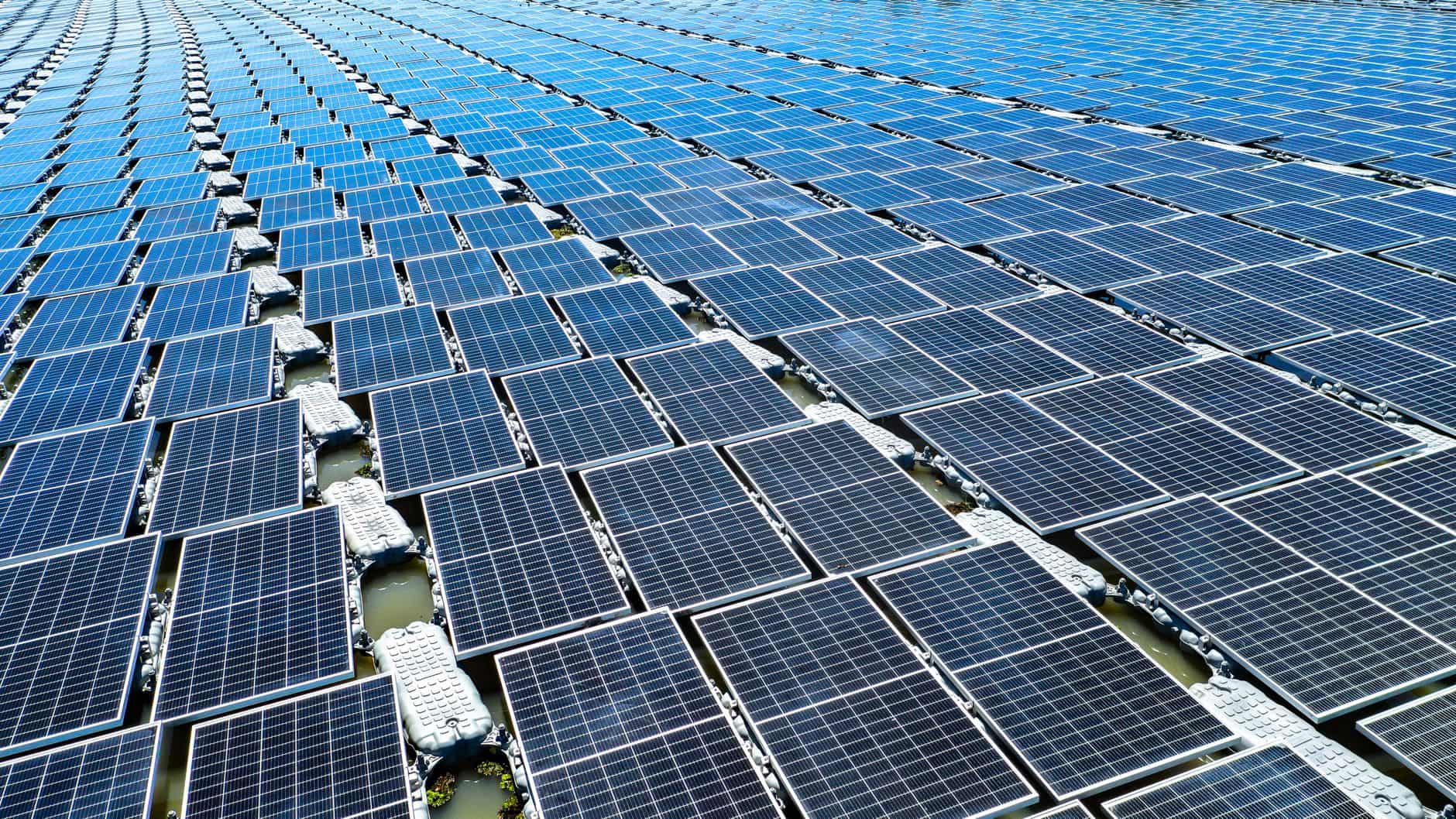
KKR's $4.2B EDF Deal Accelerates US Solar
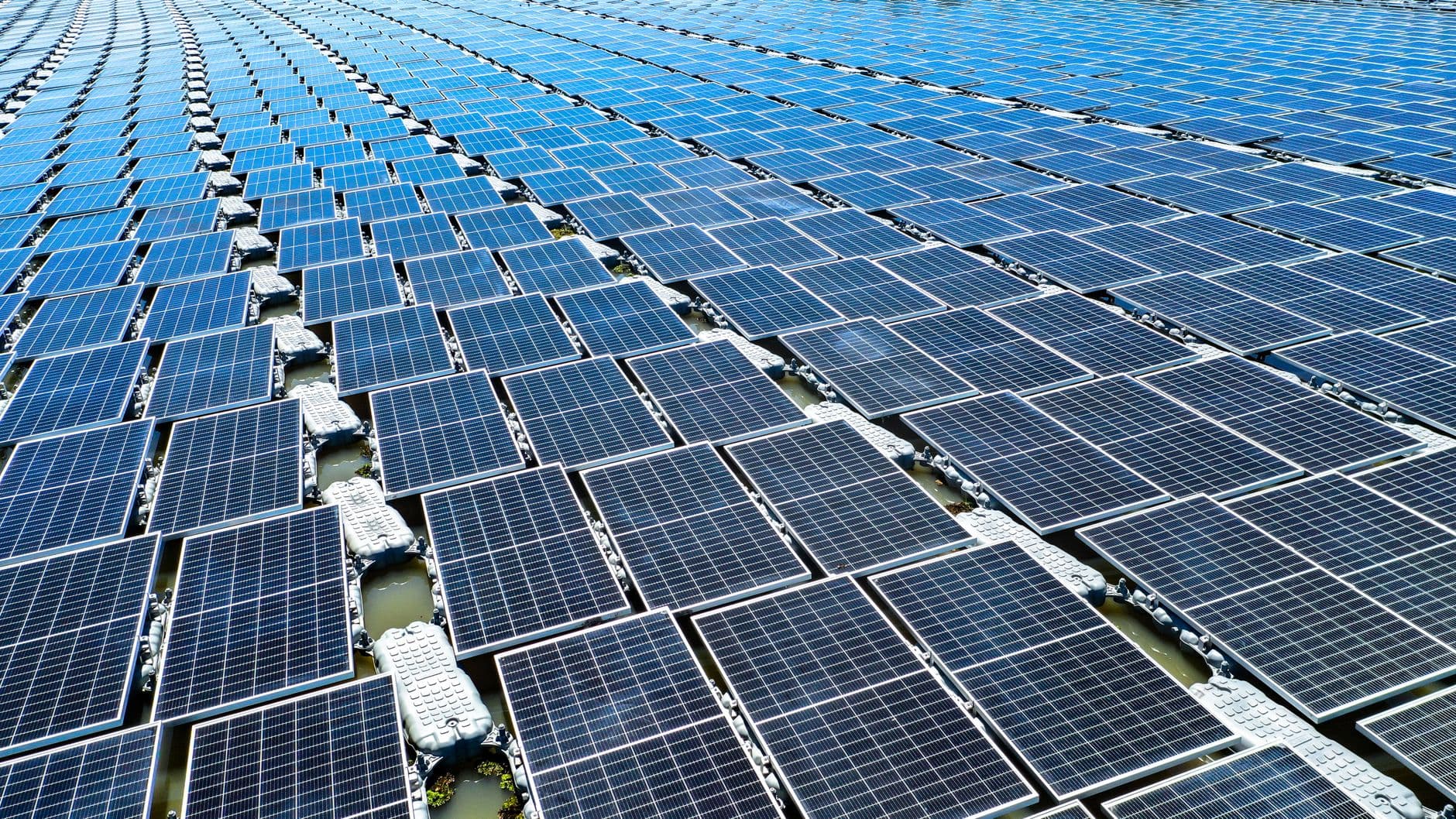
Overview – KKR is buying EDF Power Solutions North America for about $4.2 billion
Kohlberg Kravis Roberts (KKR) has agreed to acquire the U.S. and Canadian subsidiaries of EDF Power Solutions, valuing the equity at roughly $4.2 billion plus up to $390 million in performance‑based earn‑outs. The deal makes the transaction KKR’s largest single investment in the clean‑energy sector to date and gives it a top‑ten renewable‑energy owner in the United States.
The acquisition was announced by KKR’s Managing Director Cecilio Velasco, who said the platform’s “scale, operational track record, and integrated capabilities” are essential for meeting the soaring U.S. power demand driven by data‑center build‑outs, reshoring of clean‑energy manufacturing, and transport electrification.
Deal Details – The purchase includes a full utility‑scale portfolio and development pipeline
The transaction covers EDF Power Solutions’ North‑American assets, which span utility‑scale solar, wind, and battery energy storage systems (BESS). EDF Power Solutions North America is ranked among the ten largest renewable‑energy owners in the United States and brings a 40‑year project‑delivery pedigree.
In addition to the $4.2 billion equity price, the agreement contains a contingent earn‑out of up to $390 million tied to future performance, a structure highlighted in Harvard Business Review’s guide to earn‑outs Harvard Business Review. Closing is subject to customary regulatory approvals from U.S. federal energy agencies and antitrust clearance.
Strategic Rationale – KKR gains an end‑to‑end renewable platform
KKR’s acquisition gives it control of a fully integrated value chain: early‑stage project development, construction, long‑term operations & maintenance (O&M), and asset management. This mirrors a broader private‑equity trend of buying tier‑1 developers that own both operational assets and deep interconnection queues, as described in a ScienceDirect analysis of renewable‑energy PE deals ScienceDirect.
The platform’s diversified mix—solar, wind, and storage—aligns with KKR’s 2024 Sustainability Report, which notes the firm’s focus on “large‑scale solar and energy‑storage projects that deliver sustainable value” KKR Sustainability Report. By adding EDF’s pipeline, KKR can accelerate the build‑out of dispatchable clean power needed for the U.S. grid’s rapid electrification.
Impact on the U.S. Renewable Market – Consolidation fuels faster capacity growth
Industry analysts expect U.S. utility‑scale solar capacity to nearly triple by 2036, reaching roughly 770 GW dc, according to SEIA’s 2025 outlook SEIA. KKR’s injection of capital and operational expertise is likely to speed that trajectory, especially as grid operators face record‑high demand forecasts (the EIA reported solar generated a record 17 % of U.S. electricity in 2025) EIA.
The deal also underscores the premium placed on “shovel‑ready” projects that can be brought online quickly to serve data‑center clusters and manufacturing hubs. With EDF’s existing 128 MW ac solar‑plus‑40 MW/160 MWh storage site already powering over 70,000 homes EDF Facebook, KKR inherits assets that can be scaled up or replicated across high‑growth regions.
What it Means for Israel – Similar scale‑up could cut residential bills dramatically
Israel’s residential solar market still relies largely on rooftop installations. Using the typical Israeli figures (₪0.48/kWh tariff, ₪3,150/kWp install cost, and a central‑region yield of 1,700 kWh/kWp yr), a 10 kWp home system would generate about 17,000 kWh per year, worth roughly ₪8,160 annually. At a total install cost of ₪31,500, the simple payback is about 3.9 years, after which the homeowner enjoys essentially free electricity for the remainder of the system’s 25‑year life.
If a similar utility‑scale model were introduced in Israel—leveraging large‑portfolio ownership, integrated O&M, and storage—industrial and municipal customers could see comparable payback periods, especially given the higher commercial tariff (₪0.41/kWh) and the potential to bundle solar with battery storage to avoid peak‑price spikes. KKR’s move signals that global investors see value in such integrated platforms, which could eventually flow into Israeli projects through joint‑venture financing or technology transfer.
Expert Commentary – Analysts see a win‑win for investors and the grid
Analysts note that the acquisition adds capital and disciplined management to a mature, cash‑generating asset base. The earn‑out component aligns incentives, helping ensure the platform continues to meet performance targets while the grid benefits from faster, more reliable clean‑energy delivery.
The partnership is also expected to accelerate the commercialization of next‑generation solar‑plus‑storage solutions, as reflected in EDF’s ongoing 240‑MW ac Rich Road solar‑plus‑storage project in Texas Rich Road Project.
Future Outlook – More M&A likely as the U.S. pushes toward higher renewable shares
The United States is pursuing a substantial increase in renewable electricity generation by 2030, a goal that will require billions of dollars of new capacity. As grid operators scramble for interconnection slots, more private‑equity firms are expected to chase tier‑1 developers with ready‑to‑build pipelines. KKR’s $4.2 billion move sets a benchmark for future deals and may spur competitive bidding for other large‑scale solar‑wind‑storage portfolios.
What it means for Israeli readers: The KKR‑EDF transaction illustrates how integrated renewable platforms can deliver faster, cheaper clean power. For Israeli homeowners, the same economics that give a 3.9‑year payback on a 10 kWp rooftop system could be replicated at community‑scale, helping the country meet its 30 % renewable target for 2030 while slashing electricity bills.
For deeper analysis, try our solar ROI calculator and browse the latest market data on our data page.
Sources & further reading
FAQ
How much is KKR paying for EDF Power Solutions North America?
The equity portion is valued at about $4.2 billion, with up to $390 million in performance‑based earn‑outs.
What assets are included in the acquisition?
EDF’s utility‑scale solar, wind, and battery energy storage systems, plus its development pipeline and O&M capabilities.
Why is KKR interested in this deal?
KKR wants an end‑to‑end renewable platform that can quickly deliver clean power to meet rising U.S. demand from data centers, manufacturing reshoring, and electrification.
How does this affect the U.S. renewable‑energy market?
The infusion of capital and expertise is expected to accelerate capacity growth, especially for projects that are shovel‑ready and can be paired with storage.
What can Israeli homeowners learn from this transaction?
The integrated model shows how large‑scale, well‑managed solar plus storage can achieve payback periods under four years, similar to a typical 10 kWp rooftop system in Israel.
When will the deal close?
Closing is pending customary regulatory approvals and antitrust clearance, with no exact date disclosed yet.
Share this post
More from Markets
6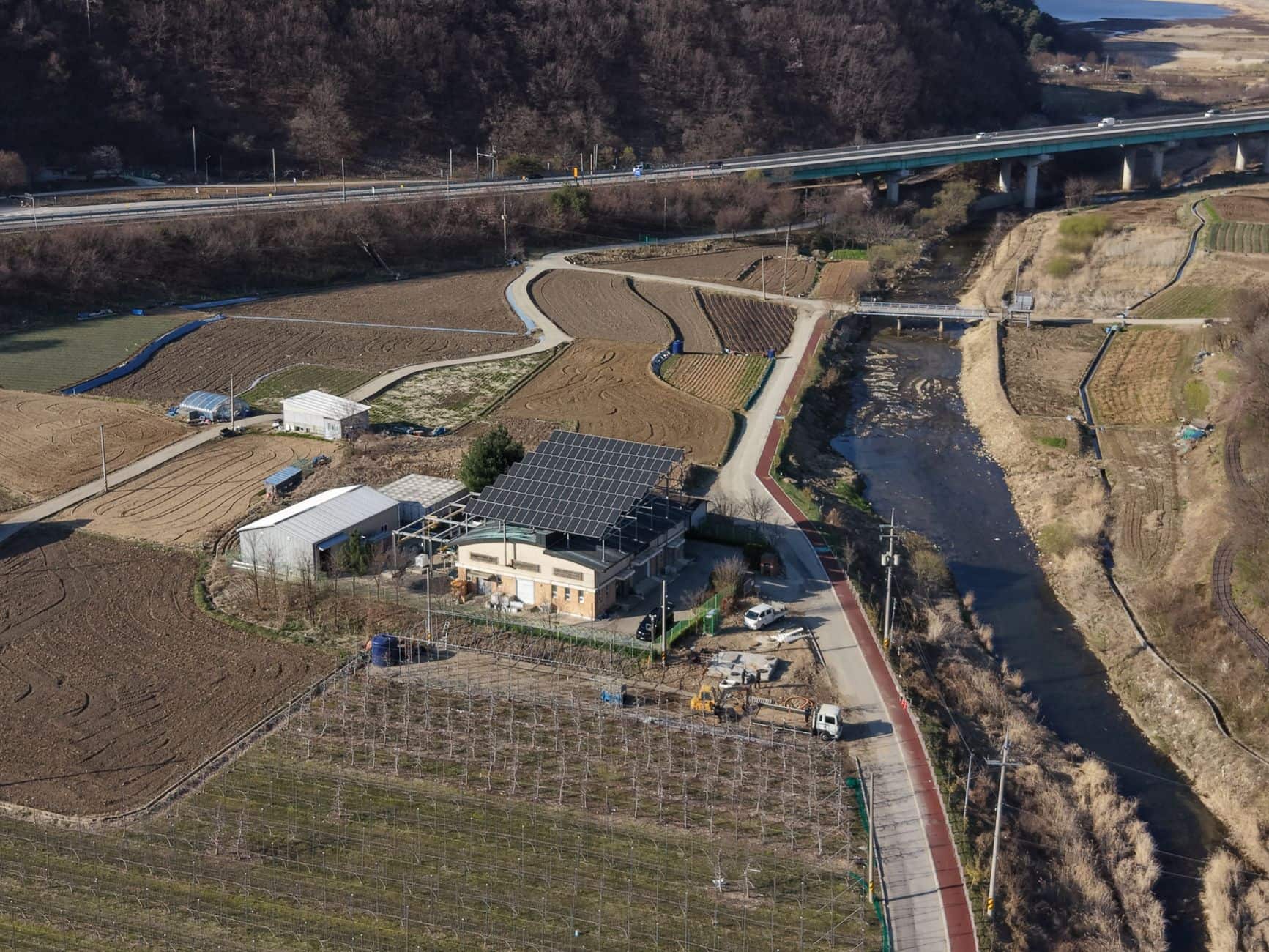
South Korea to Add 4 GW Solar in 2026
South Korea will add about 4 GW of new solar capacity in 2026, matching 2025 levels, as the market pivots toward higher quality and long‑term sustainability.
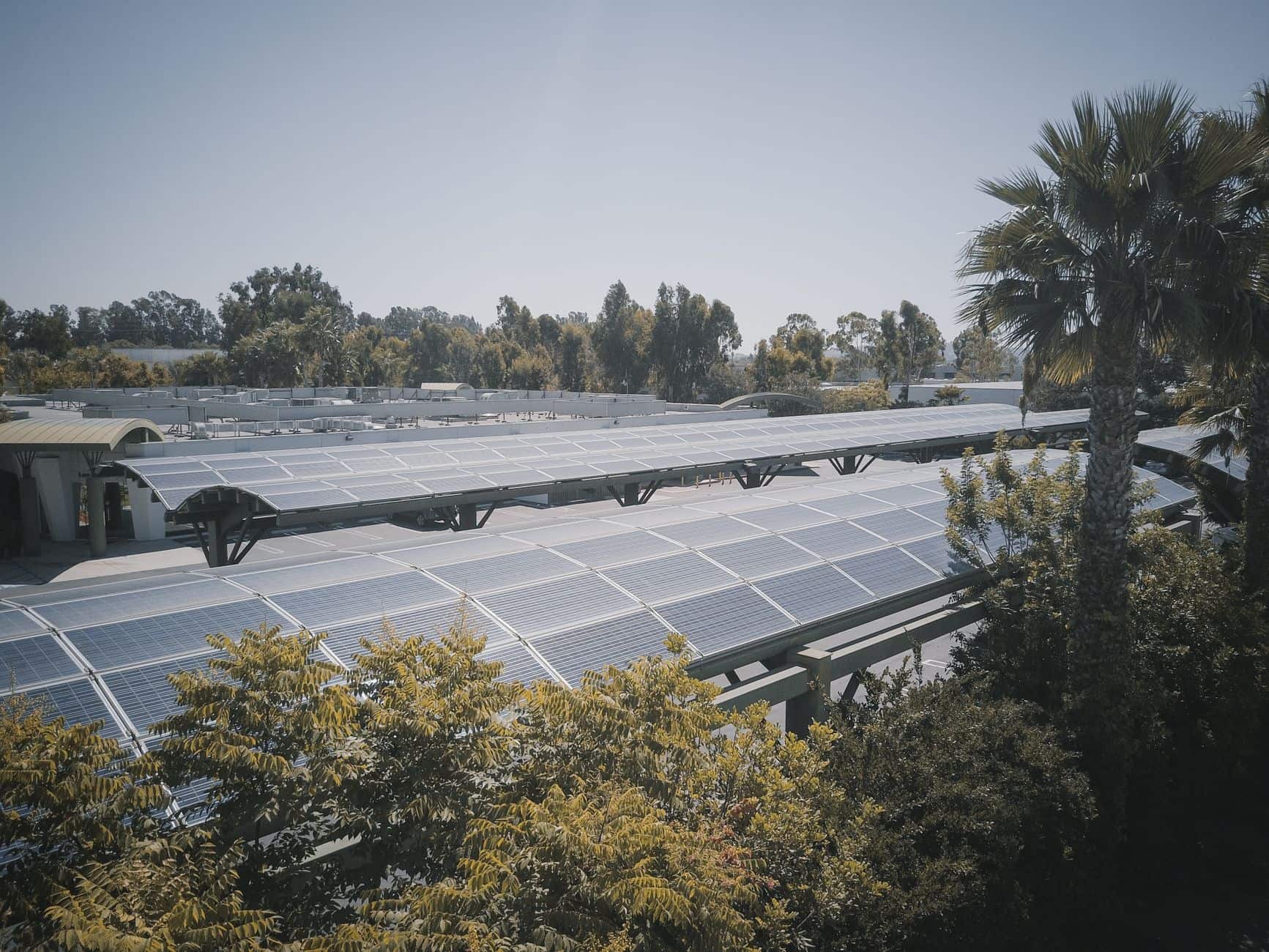
India Could Install 85 GW Solar by 2030
India could boost annual solar installations from about 50 GW in FY 27 to nearly 85 GW by FY 30, spurred by data‑centres, green‑hydrogen and round‑the‑clock power demand.
Ireland to Top 3.3 GW Solar by Year‑End
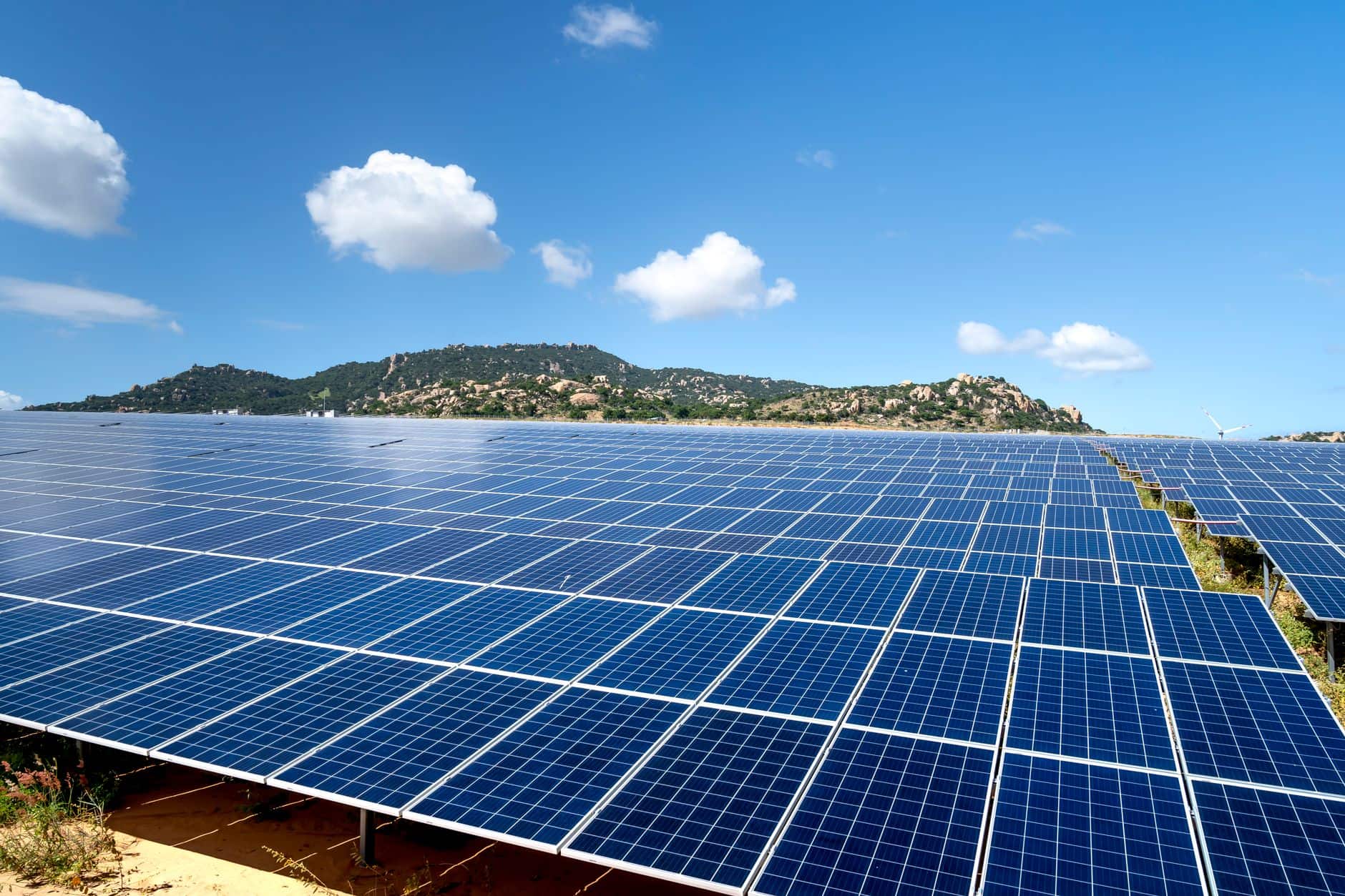
Ireland is poised to add significant solar capacity by year‑end, driven by utility‑scale farms, a booming rooftop market and a €1,800 grant that remains in place.
אומן משיקה מכרז של 1.5 ג'יגה ווט סולאר
אומן פותחת מכרז של 1.5 GW סולארי, כולל פרויקט של 1 GW עם אחסון ו‑500 MW ללא אחסון, וההצעה נסגרת ב‑27 ביולי.
China’s Polysilicon Dip Lowers Solar Costs
Polysilicon prices in China slipped to an average of CNY 33,200/ton, wafer prices stayed flat, and a 5.4 GW N‑type module tender underscores strong demand. The dip could modestly cut Israeli rooftop solar costs, shortening pay‑back periods.
Corporate Solar PPAs Slip 10% as GHG Rules Loom
Corporate solar PPAs fell 10% in 2025 as the GHG Protocol’s draft scope‑2 revision pushes the industry toward hourly matching and battery storage, reshaping procurement and developer strategies.