China Solar Module Prices Drop on Weak Europe
Prices Hold Steady at $0.113/W, Spot Range $0.110‑$0.117/W
The benchmark Chinese Module Marker (CMM) for TOPCon modules stayed at $0.113 per watt this week, with spot indications moving between $0.110 and $0.117 per watt, according to OP IS’s weekly Global Solar Markets Report (June 30). This flat‑lined forward price shows that manufacturers are not offering deep discounts despite softer demand in Europe.
Forward Prices Slip Slightly as Buyers Hold Back
Forward contracts for Q4 2026 fell 0.88 % week‑on‑week to $0.113/W and Q1‑Q3 2027 slipped 0.87 % to $0.114/W. The dip reflects weaker second‑half‑year demand expectations and a continued decline in upstream cell and wafer costs. Several Chinese makers say buyers have already booked most of their volumes after China cancelled export‑tax rebates on April 1, leaving little room for new orders.
Export‑Tax Rebate Cancellation Dampens Near‑Term Purchases
The removal of China’s export‑tax rebates for PV products has reduced the price advantage of Chinese modules and curbed buying urgency. As noted by OPIS, this change influences overseas buyers’ timing decisions and forward‑price dynamics.
Back‑Contact (BC) Modules Edge Toward Mainstream
BC technology, long touted for its higher efficiency and lower silver use, is gaining traction in Europe. An industry note from Taiyang News highlights that most top‑trade‑show exhibitors now showcase at least one BC product, and European buyers are seeing price gaps narrow to the mid‑high $0.110 /W range – essentially on par with TOPCon.
European Inventory Normalisation Lowers Stock‑Holding Pressure
In Munich’s Intersolar Europe 2026, participants reported that European module inventories have fallen from six‑to‑twelve‑month levels to a more balanced state. According to PV Europe, distributors are now buying based on actual project needs rather than speculative stock‑piling, which further weakens export demand for Chinese modules.
What It Means for Israel’s Rooftop Market
For a typical Israeli 10 kW home system (central region yield ≈ 1,700 kWh/kW·yr), the module cost at $0.113/W translates to $1,130 for the entire array. Adding the average Israeli turnkey installation cost of ₪3,150/kW gives a base installation outlay of about ₪31,500. Including the module cost, the total system expense is roughly in the mid‑to‑high ₪30‑k range. At the residential feed‑in tariff of ₪0.48/kWh, the system generates about ₪816 per kW each year, resulting in a payback period of roughly four to four‑and‑a‑half years. The modest forward‑price decline therefore does not dramatically shift the economics for Israeli homeowners, while the easing of European inventory pressure helps keep Chinese supply abundant and local module prices stable.
Outlook: Technology Mix and Market Balance
Looking ahead, a top‑10 Chinese manufacturer plans to convert 6.3 GW of TOPCon capacity and 3.5 GW of module capacity to BC by the end of 2027, signalling a strategic bet on higher‑efficiency tech. Combined with the softer European demand and the lingering impact of export‑tax changes, the market is likely to see a gradual price convergence between TOPCon and BC modules, while forward‑price discounts remain modest. For Israel, the key takeaway is that module‑price volatility will stay limited, allowing developers and homeowners to focus on system design, storage integration, and grid‑flexibility solutions that are becoming the next growth frontier.
Sources & further reading
- China Ends Solar Export VAT Rebates: UK PV Impact 2026
- China tax rebate changes signal new reality for solar and battery...
- China's Solar Export Rebate Cut Could Lift Prices, Spur Q1 Buying
- China Export Tax Rebate Changes 2026 - LinkedIn
- China Cancels PV Module Export Tax Rebates April 2026 | Analysis
FAQ
Why did Chinese solar module prices stop falling?
Forward prices held near $0.113/W as buyers paused after China cancelled export‑tax rebates, limiting new orders despite weaker European demand.
What is the price gap between TOPCon and back‑contact modules?
Both technologies are now quoted around mid‑high $0.110 /W FOB China, meaning the premium for BC modules has essentially vanished.
How does the price change affect an Israeli homeowner?
A 10 kW rooftop system now costs about ₪35,600 total, giving a payback of roughly 4.4 years at the typical residential tariff of ₪0.48/kWh.
When will Chinese manufacturers finish converting to BC tech?
A top‑10 maker aims to complete the conversion of 6.3 GW TOPCon and 3.5 GW module capacity to BC by the end of 2027.
Are European module inventories still high?
No – Intersolar participants reported inventories have normalized, with distributors now buying based on actual project needs rather than stock‑piling.
Share this post
More from Markets
6
TCL Zhonghuan Adds 70 GW After Das Solar Deal
TCL Zhonghuan’s July acquisition of Das Solar adds 20 GW of TOPCon cells and 50 GW of modules, and the company will invest CNY 2.6 bn to convert 20 GW of cells and 25 GW of modules to back‑contact technology, while polysilicon and wafer prices keep falling.
EU Solar Hits Record 58.8 TWh in Q1 2026
EU renewables supplied 45.5% of electricity in Q1 2026, with solar generating a record 58.8 TWh – enough to power about 13 million homes.
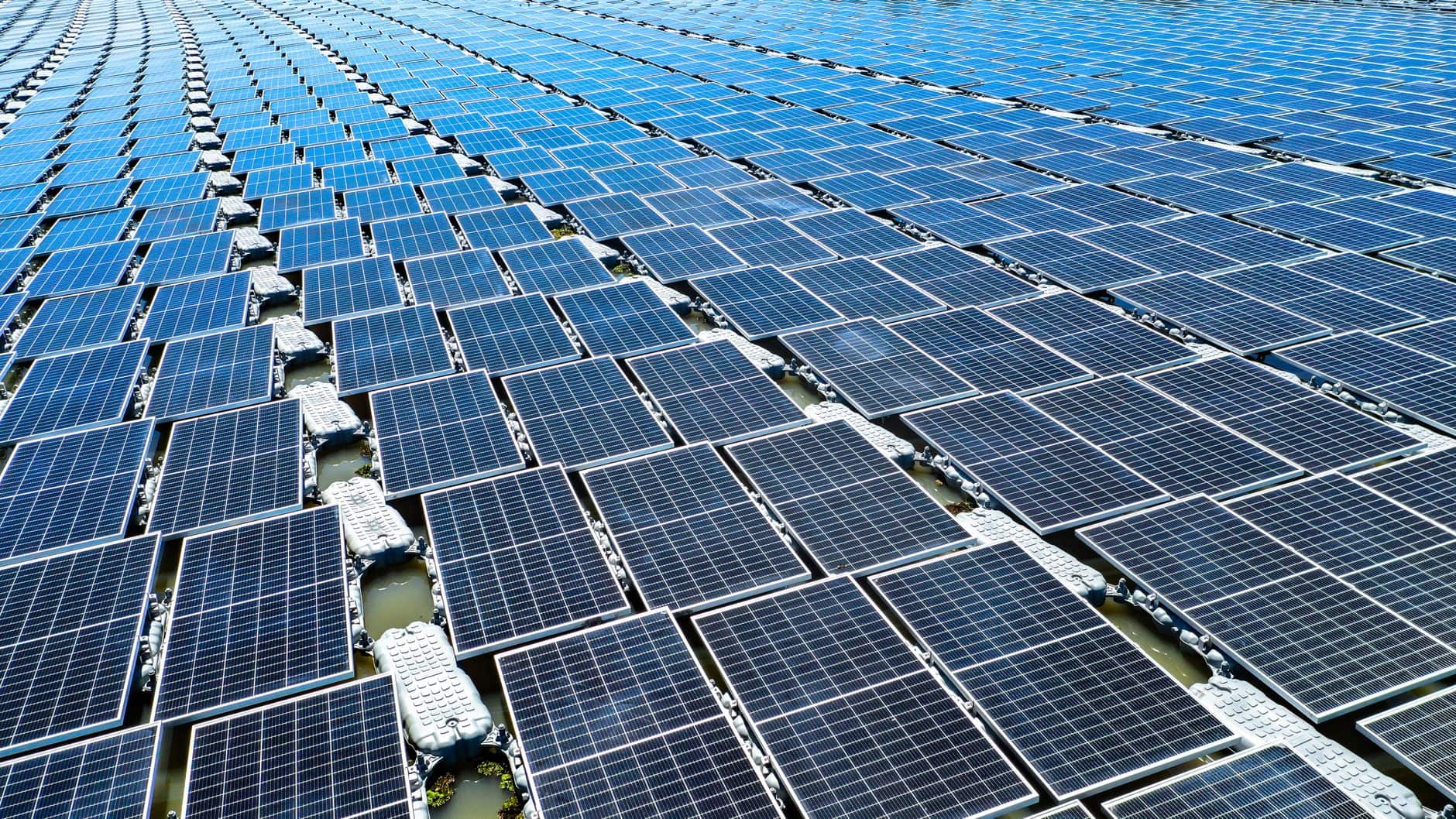
KKR's $4.2B EDF Deal Accelerates US Solar
KKR is buying EDF Power Solutions North America for about $4.2 billion, giving the firm a top‑ten U.S. renewable‑energy portfolio and marking its biggest clean‑energy investment yet.
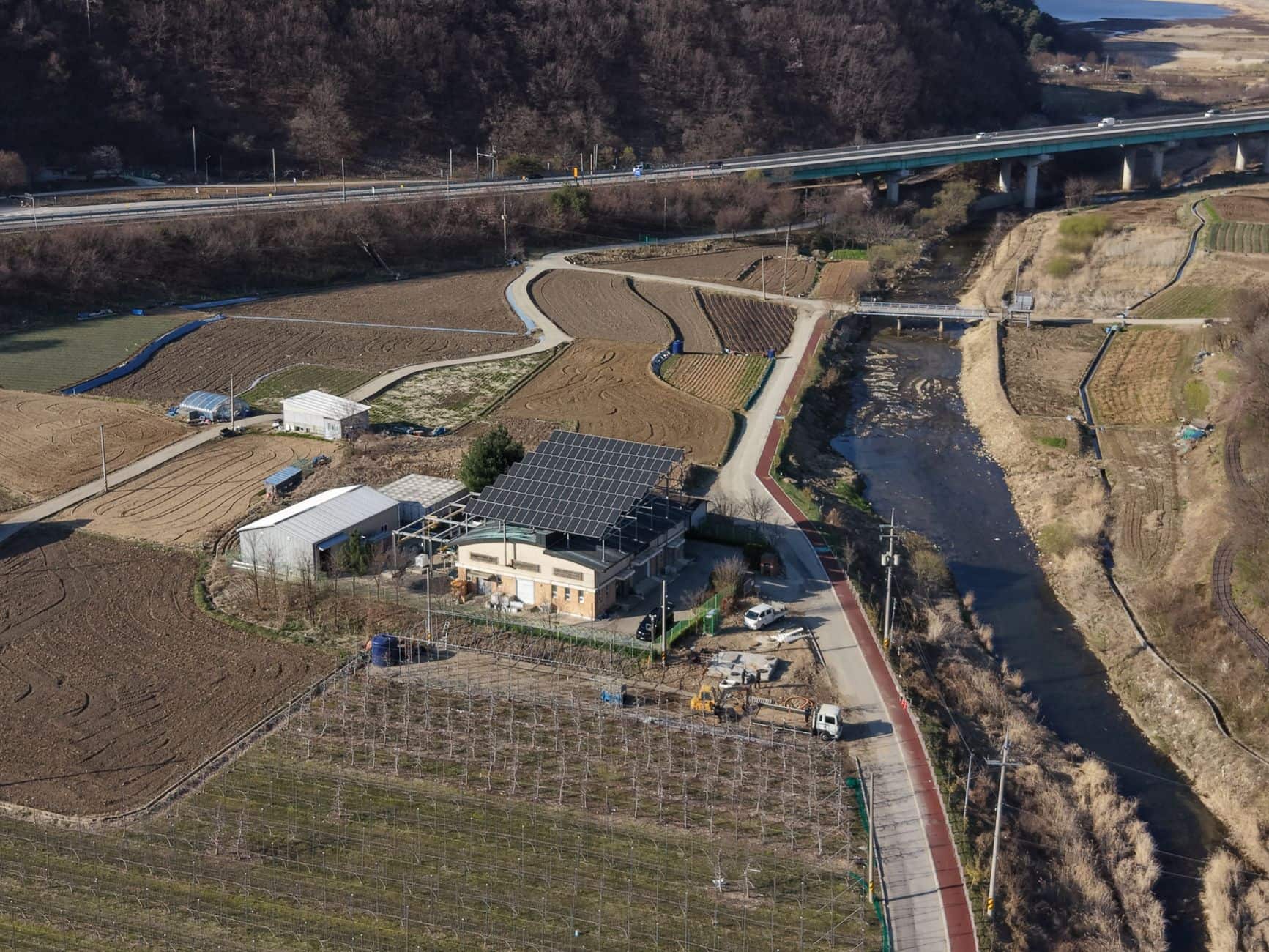
South Korea to Add 4 GW Solar in 2026
South Korea will add about 4 GW of new solar capacity in 2026, matching 2025 levels, as the market pivots toward higher quality and long‑term sustainability.
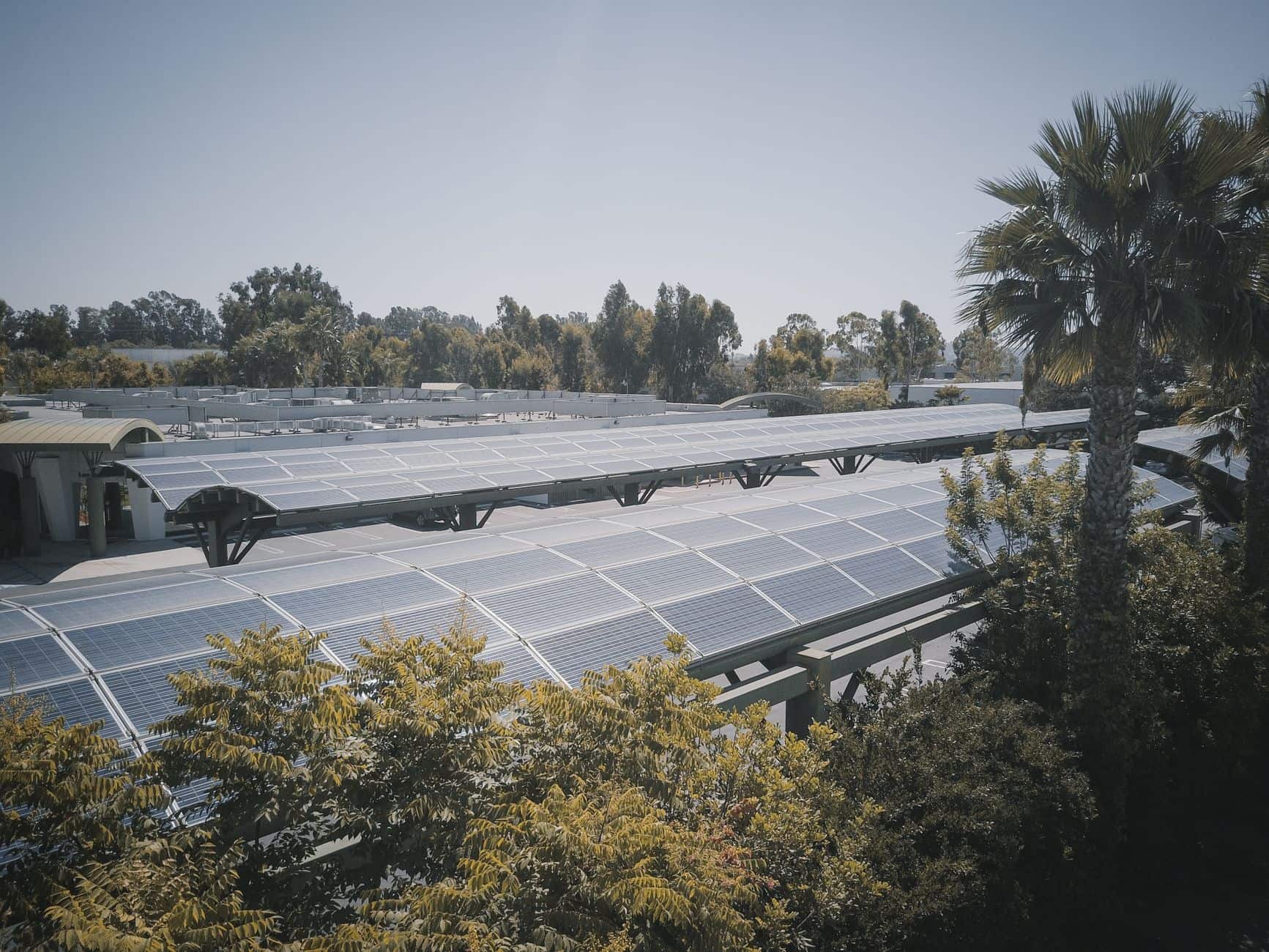
India Could Install 85 GW Solar by 2030
India could boost annual solar installations from about 50 GW in FY 27 to nearly 85 GW by FY 30, spurred by data‑centres, green‑hydrogen and round‑the‑clock power demand.
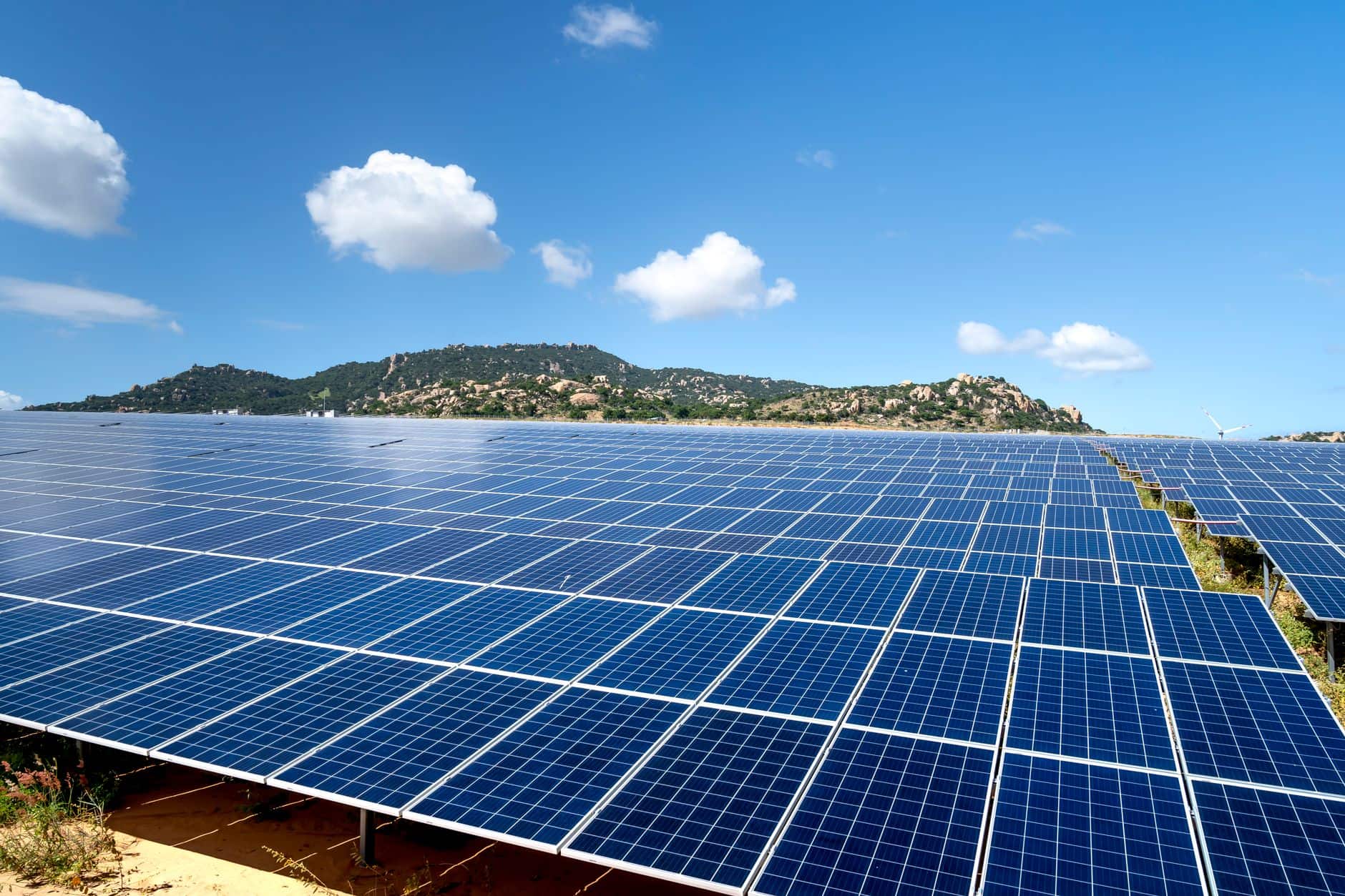
Ireland to Top 3.3 GW Solar by Year‑End
Ireland is poised to add significant solar capacity by year‑end, driven by utility‑scale farms, a booming rooftop market and a €1,800 grant that remains in place.