India Could Install 85 GW Solar by 2030
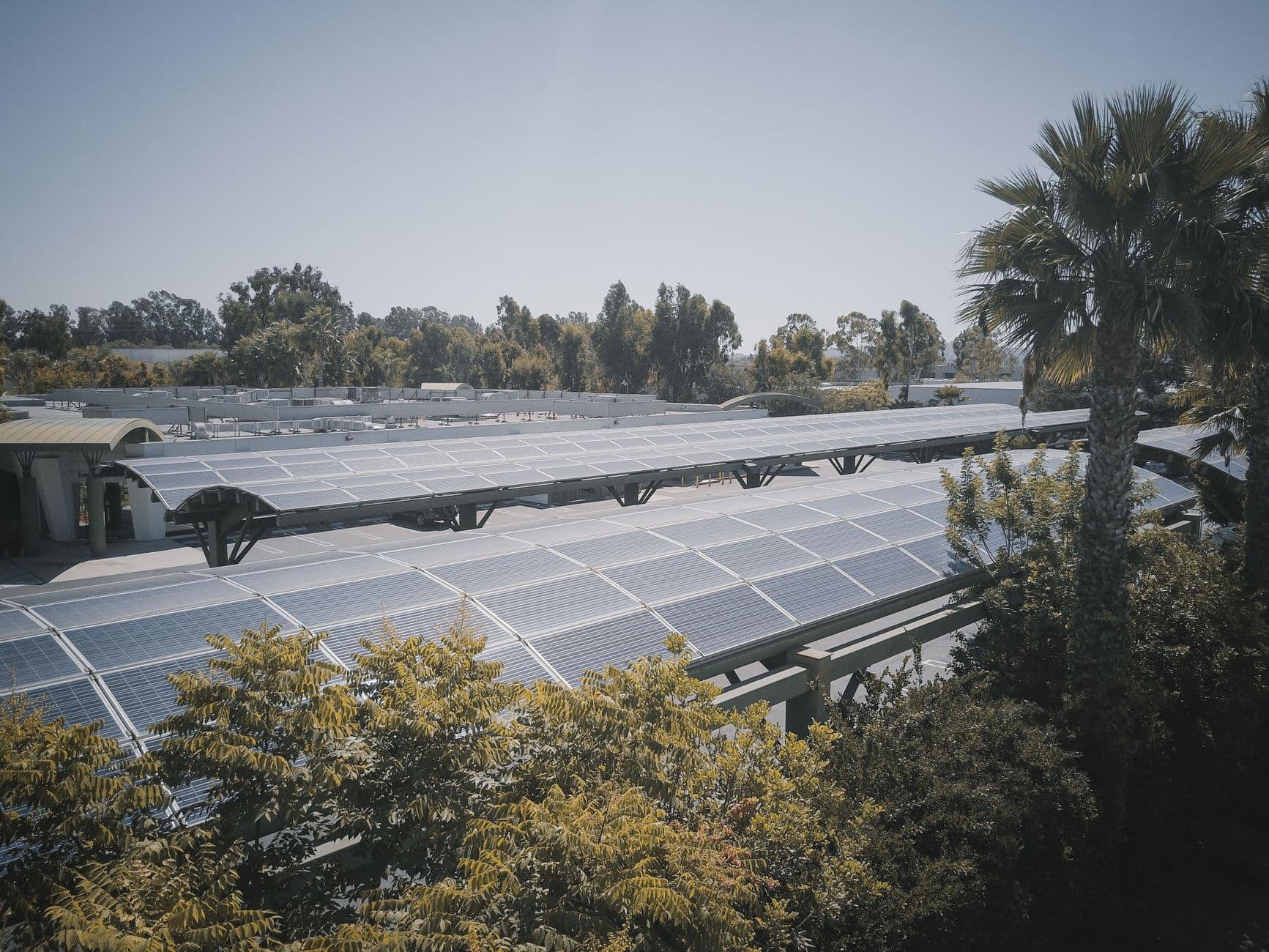
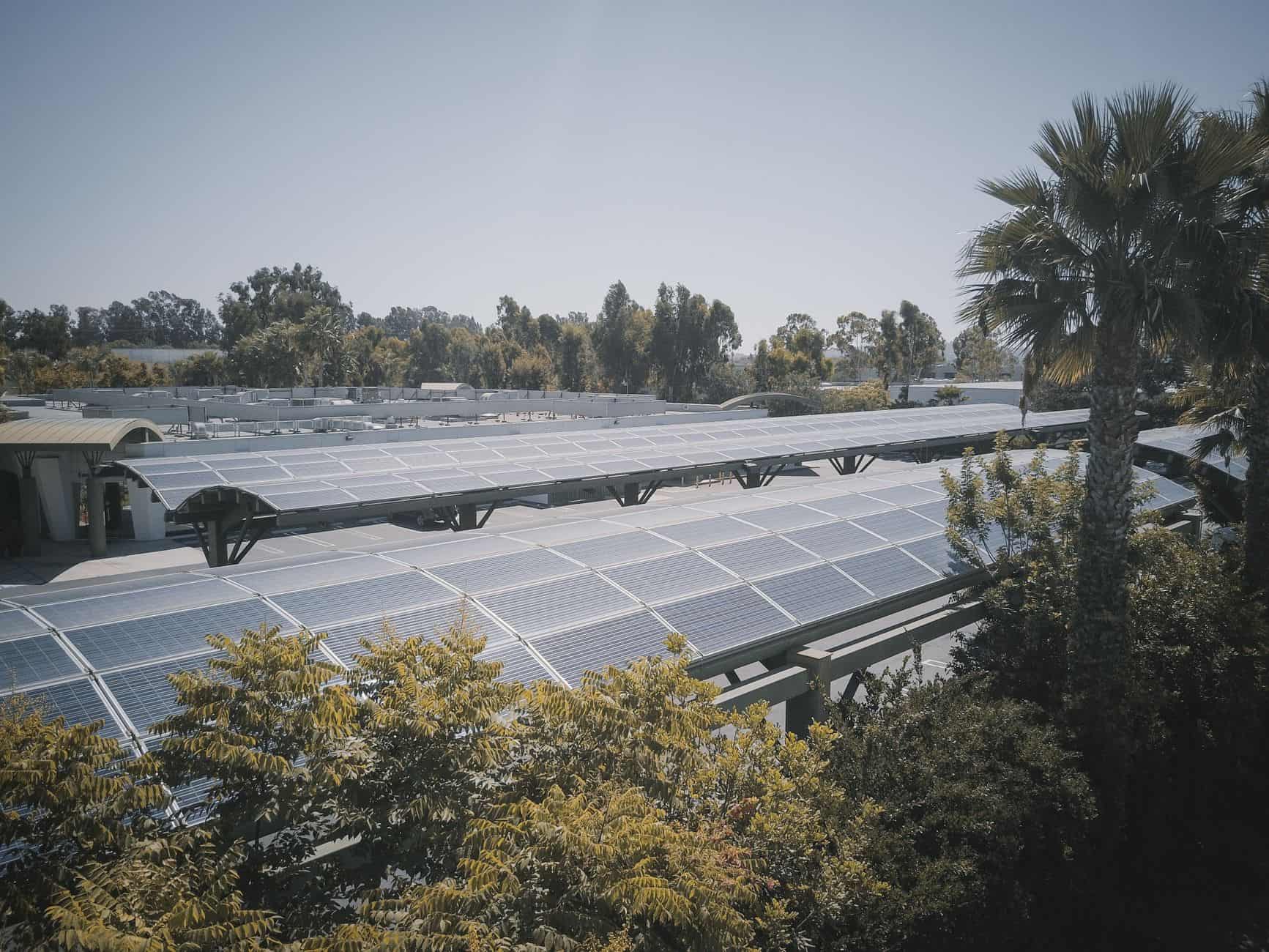
India’s solar build‑out could hit 85 GW by FY 2030
India could see annual utility‑scale solar installations rise to nearly 85 GW by fiscal year 2030, up from about 50 GW in FY 27, according to a June 2026 report from Equirus Securities PV‑Magazine. This would place India among the world’s fastest‑growing solar markets.
Data‑centre, green‑hydrogen and night‑time power add 15‑20 GW of demand each year from FY 29
Equirus estimates that data‑centre expansion, green‑hydrogen production and night‑time connectivity could together add 15‑20 GW of incremental solar demand annually starting FY 29. The report notes that more than 300 data‑centre projects are planned across India, with major investments announced by AWS, Microsoft and Google. A 100 MW data‑centre would need roughly 250 MW of solar, 150 MW of wind and about 450 MWh of battery storage to operate on 100 % renewable power The Hindu BusinessLine.
58 GW of projects still sit in the pipeline, split between standard and firm‑power tenders
Developers have secured 174 GW of letters of award (LoAs) between FY 18 and FY 26; of this, 118 GW have signed power‑purchase agreements (PPAs) and 60 GW are already commissioned, leaving 58 GW in the pipeline PV‑Magazine. Roughly 73 % (about 42 GW) of the pending capacity is under standard solar or hybrid tenders, where PPA signing odds are low as distribution companies favour firm‑power supply. The remaining about 15 GW falls under RTC, firm‑dispatchable renewable energy (FDRE) and solar‑plus‑BESS projects, which enjoy a higher probability of PPA closure.
Battery storage demand set to surge from 34.7 GWh to 236.2 GWh by 2032
India’s need for battery energy storage systems (BESS) is projected to grow more than six‑fold, from 34.7 GWh (2022‑27) to 236.2 GWh (2027‑32). The surge is linked to the integration of variable renewables, grid‑stability requirements and policy mandates for storage PV‑Magazine. This aligns with global trends where BESS markets are expanding rapidly, as highlighted by BloombergNEF’s outlook for data‑centre power needs.
What it means for Israel – scale, economics and a quick payback example
A typical 10 kWp residential system in central Israel costs about ₪31,500 (≈₪3,150/kWp) and produces roughly 17,000 kWh per year, valued at ≈₪8,160 using the residential tariff of ₪0.48/kWh. The simple payback period is therefore around 3.9 years, after which the system generates net savings for the remaining 20+‑year lifetime [Verified Israeli Solar Facts].
This illustration shows that even a modest rooftop system in Israel offers an attractive return, underscoring the business case for expanding residential solar across the country.
Sources
- Equirus Securities report via PV‑Magazine (June 30 2026) link
- NationPress recap of the same report link
- The Hindu BusinessLine on data‑centre power needs link
- National Green Hydrogen Mission details link
- BloombergNEF on global BESS trends (context) link
Sources & further reading
FAQ
How much solar capacity is India expected to install by FY 2030?
Around 85 GW of new utility‑scale solar capacity per year, up from roughly 50 GW in FY 27.
What sectors are driving the extra solar demand in India?
Data‑centres, green‑hydrogen production and the need for round‑the‑clock (RTC) power each add 15‑20 GW of demand annually from FY 29.
How much battery storage will India need by 2032?
BESS demand is projected to rise from about 35 GWh (2022‑27) to over 236 GWh (2027‑32).
What is the size of India’s remaining solar pipeline?
58 GW of projects are still in the pipeline, with 42 GW in standard tenders and 15 GW in firm‑power formats.
How does India’s 85 GW compare to Israeli rooftop solar?
At Israel’s typical yield, 85 GW could power roughly 8.5 million 10 kWp home systems, illustrating the massive scale of India’s build‑out.
What is the payback period for a typical Israeli home solar system?
A 10 kWp system costing about ₪31,500 pays back in roughly 3.9 years at the residential tariff of ₪0.48/kWh.
Share this post
More from Markets
6
Ireland to Top 3.3 GW Solar by Year‑End
Ireland is poised to add significant solar capacity by year‑end, driven by utility‑scale farms, a booming rooftop market and a €1,800 grant that remains in place.
אומן משיקה מכרז של 1.5 ג'יגה ווט סולאר
אומן פותחת מכרז של 1.5 GW סולארי, כולל פרויקט של 1 GW עם אחסון ו‑500 MW ללא אחסון, וההצעה נסגרת ב‑27 ביולי.
China’s Polysilicon Dip Lowers Solar Costs
Polysilicon prices in China slipped to an average of CNY 33,200/ton, wafer prices stayed flat, and a 5.4 GW N‑type module tender underscores strong demand. The dip could modestly cut Israeli rooftop solar costs, shortening pay‑back periods.
Corporate Solar PPAs Slip 10% as GHG Rules Loom
Corporate solar PPAs fell 10% in 2025 as the GHG Protocol’s draft scope‑2 revision pushes the industry toward hourly matching and battery storage, reshaping procurement and developer strategies.

Enlight Raises $2.6B for Arizona Solar‑Storage
Enlight Renewable Energy secured a $2.6 billion financing package to build a 1.2 GW solar‑plus‑storage complex in Arizona, marking the Israeli firm’s biggest debt raise to date.
Silver Prices Slip to $57/oz Amid Fed Hawkishness
Silver fell to about $57 per ounce, breaking the $70 support level as the Fed’s hawkish outlook lifted real yields and the dollar, while PV‑sector demand for silver is set to drop 19 % in 2026.