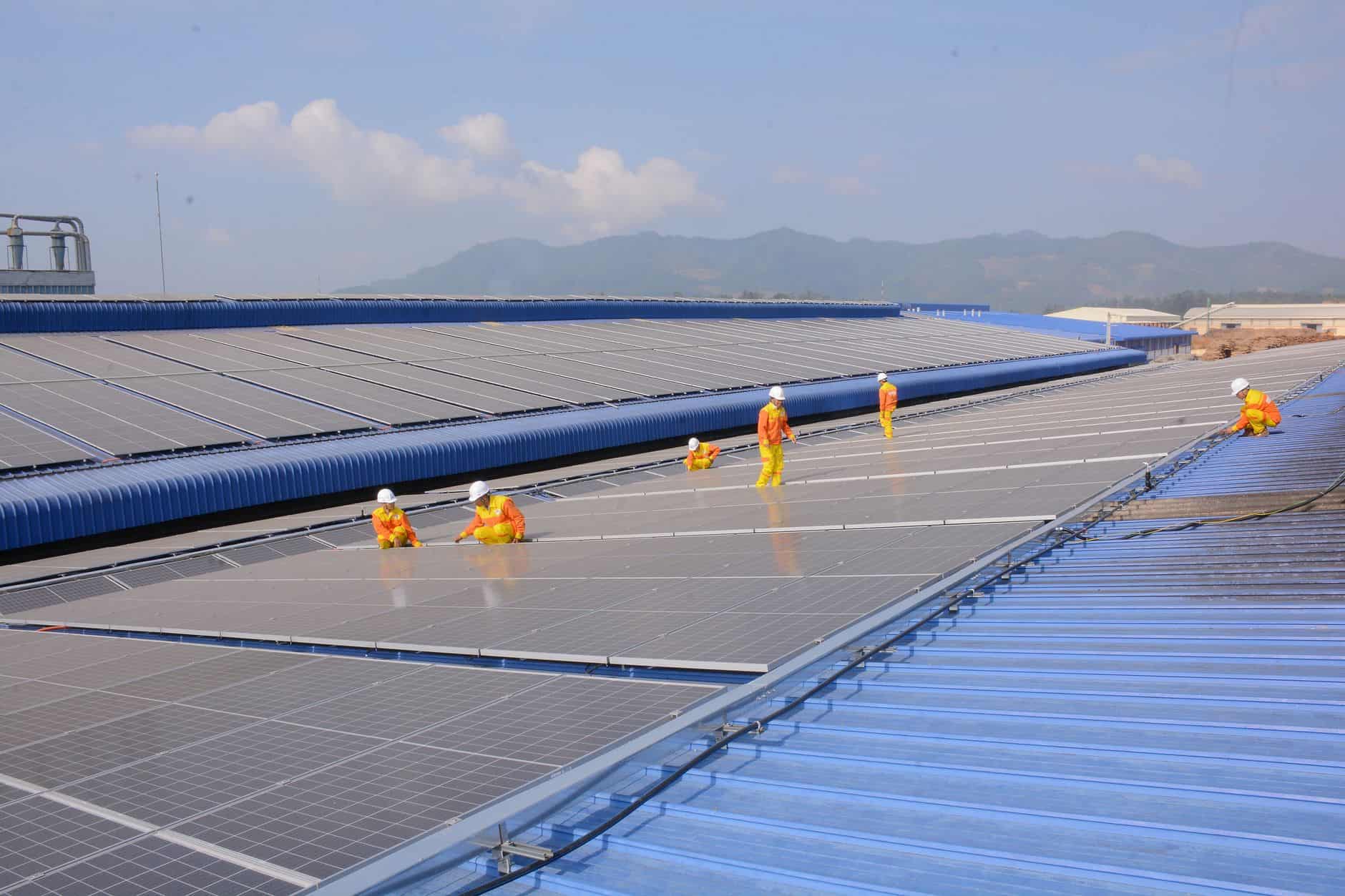
China's PV Standards Target Overcapacity
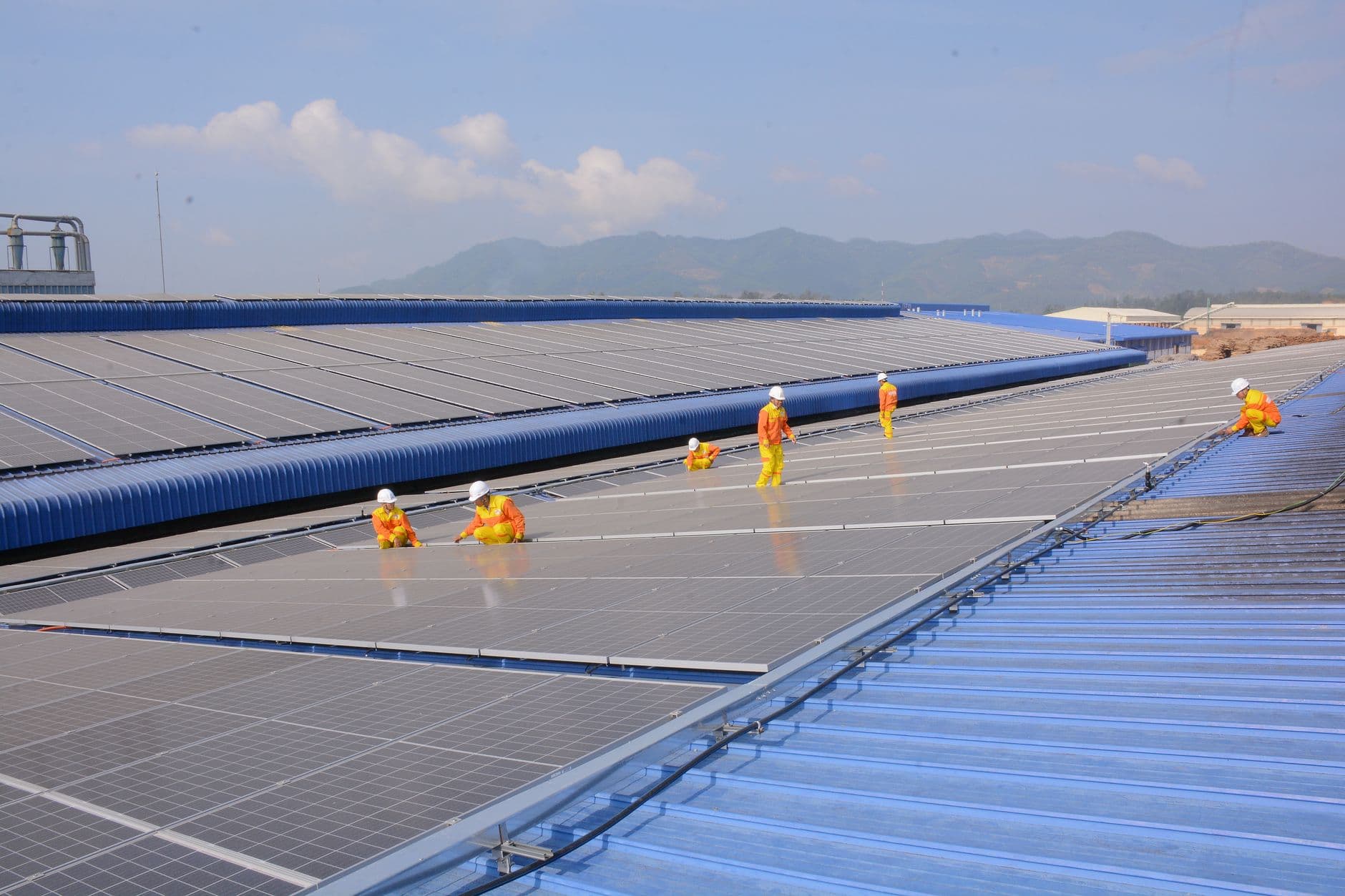
Quick Take: China’s mandatory PV standards will start Jan 1 2027 and aim to slash energy use and curb overcapacity across the entire solar supply chain.
China announced three binding national standards – GB 29447‑2026, GB 47835‑2026 and GB 47834‑2026 – that set hard limits on energy consumption for polysilicon, monocrystalline silicon, modules and inverters. The rules become law on 1 January 2027 and may become entry requirements for state‑backed projects and large‑scale tenders.
What the Three New GB Standards Cover
The three standards each target a different stage of the PV value chain. GB 29447‑2026 caps the unit energy use of polysilicon and germanium production, tightening limits for both trichlorosilane and silane fluidised‑bed processes. GB 47835‑2026 applies to monocrystalline silicon, limiting energy per ingot pulled and per wafer made, which pushes older crystal‑pulling furnaces toward continuous pulling and thinner wafers. GB 47834‑2026 governs crystalline‑silicon modules and grid‑connected inverters, introducing three efficiency grades for modules and minimum weighted‑average efficiencies for inverters.
New Efficiency Grades for Modules and Inverters
For modules the standard defines Grade 1 (top), Grade 2 and Grade 3 (minimum). Grade 3 must meet at least about 23 % efficiency for TOPCon and HJT cells and about 23.5 % for back‑contact (BC) cells, with bifaciality minima of roughly 75 % (TOPCon), 85 % (HJT) and 70 % (BC). Draft grading proposals from the same year pushed those minima slightly higher – around 23.4 % for TOPCon, 23.5 % for HJT and 23.9 % for BC – showing the direction of tightening. Inverters are now classified by power rating and must meet specified weighted‑average and peak conversion efficiencies, effectively weeding out low‑efficiency models from large‑scale projects.
How the Rules Hit Overcapacity and Legacy Plants
China’s PV sector has been battling severe overcapacity for two years, with polysilicon capacity roughly three times domestic demand and module prices at historic lows. By imposing energy‑use caps, the standards make it uneconomic to run high‑consumption lines, accelerating retirements of legacy PERC lines, early‑stage TOPCon capacity and older wafer lines. Analysts expect firms that already run n‑type, low‑energy‑intensity factories to gain market share, while those reliant on older equipment will need retrofits such as heat‑recovery and hydrogen‑recycling systems.
Procurement, Tendering and Project Selection Shifts
State‑owned utilities and government‑backed renewable programmes are expected to embed the new grades as eligibility criteria. Projects that cannot meet the minimum efficiency grades may receive lower scores in tender evaluations, steering demand toward higher‑efficiency, lower‑energy‑intensity modules and inverters. In the short term, the market may see a spike in retrofit spending as developers replace under‑performing equipment, while the longer‑term outlook points to a cleaner, quality‑focused industry rather than pure scale‑driven growth.
What It Means for Israel
Israel imports a large share of its PV modules, many of which are manufactured in China. The new efficiency floor will raise the baseline performance of imported modules, meaning Israeli installers can achieve the same annual generation with somewhat fewer panels. Using the typical Israeli yield of 1,700 kWh / kWp · year for the central region, a 10 kWp system fitted with a high‑efficiency module would still produce around 17,000 kWh per year. Because the system would require fewer panels, the upfront investment could be modestly lower, while the residential feed‑in tariff of ₪0.48 / kWh continues to provide a short payback period.
Bottom‑Line Outlook
China’s mandatory energy‑consumption standards are a decisive policy move to prune overcapacity, lift average module efficiency and force the sector onto a higher‑quality trajectory. For global buyers, including Israel, the shift promises better‑performing panels at comparable prices, reduced roof‑space requirements and a potentially lower carbon footprint per watt installed. As the standards take effect in 2027, watch for a wave of equipment upgrades, a narrowing of the price‑vs‑performance gap, and tighter tender criteria that could reshape the global PV supply chain.
What it means for Israel – The higher efficiency floor will let Israeli rooftop owners install fewer panels for the same output, cutting roof‑space needs and upfront costs while preserving the attractive payback period under current tariffs.
Sources & further reading
- China Tightens Polysilicon Energy Standards, Industry Split on Impact - OPIS, A Dow Jones Company
- China moves to curb overcapacity in PV industry with mandatory energy...
- China PV energy standards turn efficiency into a compliance metric
- #standard #polysilicon #china #market #energy | Johannes...
- 国家标准 - 全国标准信息公共服务平台
FAQ
When do China's new PV energy‑consumption standards take effect?
The three mandatory GB standards become legally binding on 1 January 2027.
Which parts of the solar supply chain are covered?
The standards cover polysilicon and germanium production, monocrystalline silicon ingot and wafer making, crystalline‑silicon modules and grid‑connected inverters.
What are the minimum efficiency thresholds for modules?
Grade 3 modules must reach at least 23.2 % efficiency for TOPCon and HJT cells and 23.5 % for back‑contact cells, with bifaciality minima of 75‑85 % depending on technology.
How will the standards affect Chinese PV manufacturers?
Older, high‑energy‑intensity plants will need costly retrofits or risk exclusion from state tenders, while firms with advanced n‑type or low‑energy lines will become more competitive.
Will Israeli solar installers see higher prices for Chinese panels?
Initial costs may stay similar, but higher efficiency means fewer panels are needed for the same output, effectively lowering total system cost for Israeli customers.
What is the expected impact on global PV overcapacity?
By making low‑efficiency production uneconomic, the standards should gradually shrink excess capacity and shift the market toward quality‑driven growth.
Share this post
More from Policy
6
Israel Aims 70% Renewable Transport by 2050
Israel has set a 70 % renewable‑energy target for its transport sector by 2050, backed by rapid EV growth, expanding fast‑charging networks, and a push for rooftop solar to power home‑charging.

Israel's New Plan to Fast‑Track Rooftop Solar
Israel’s Energy Ministry plans to cut permitting delays and mandate solar‑ready roofs on all new buildings, targeting roughly 3.5 GW of rooftop PV by 2030 and shortening payback periods for homeowners.
US Drafts Ban on Chinese Solar Inverters
The Trump administration is drafting a rule that could ban Chinese‑made solar inverters from U.S. projects, citing cybersecurity risks and echoing recent EU restrictions.
Bangladesh Opens 95 MW Solar Tender Amid Investor Doubts
Bangladesh’s Power Development Board has opened a 95 MW solar tender, but investors are hesitant because the government offers no land, financing or payment guarantees.

Germany Moves to Block Chinese Solar Inverters
Germany is set to restrict Chinese solar inverters, citing cybersecurity risks, with 70‑80 % of European inverters currently sourced from China.
EU Opens Sixth Cross‑Border Renewable Funding Call
The EU has opened its sixth call for cross‑border renewable energy projects, accepting applications until 6 October and offering significant CEF funding support.