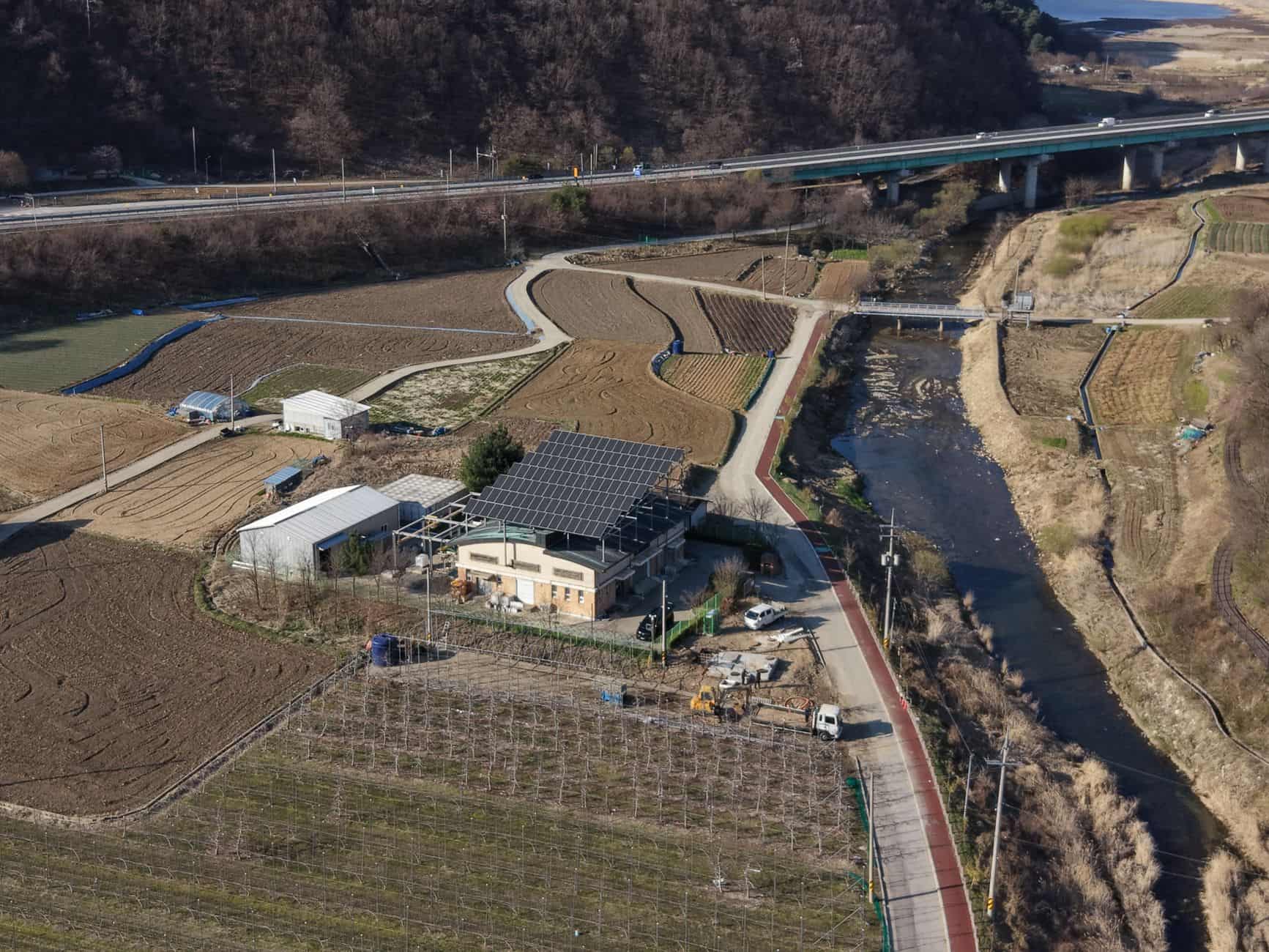
South Korea to Add 4 GW Solar in 2026
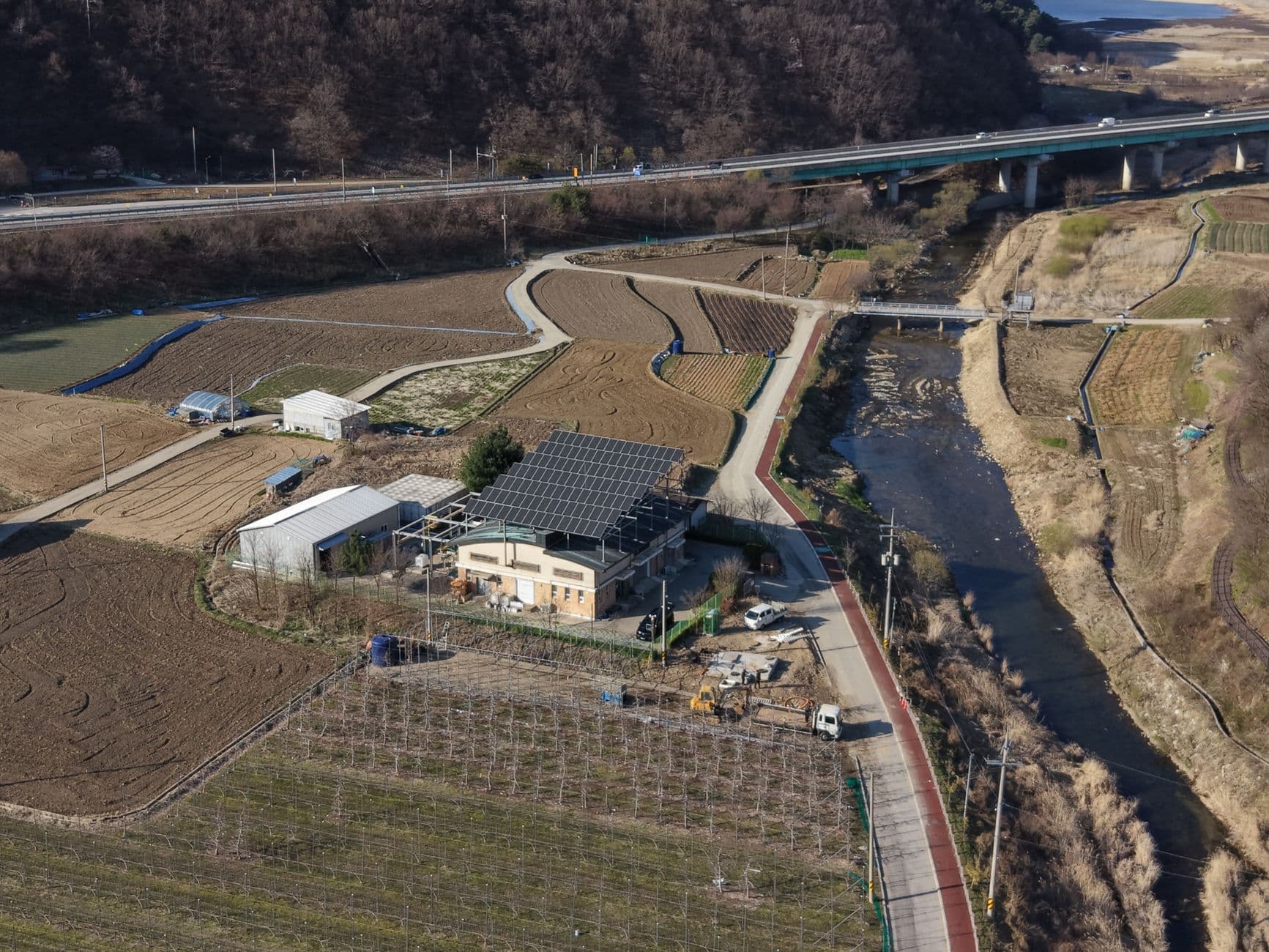
South Korea will install roughly 4 GW of new solar capacity in 2026, matching the pace of 2025
South Korea’s solar market is set to add about 4 GW of fresh photovoltaic capacity in 2026, mirroring the 2025 annual installation level. This reflects a deliberate pause in rapid expansion to focus on quality, durability and long‑term sustainability rather than sheer volume.
Quality over speed: the market’s new priority
The shift is driven by both private players and public bodies that now treat electricity as a long‑term risk to be managed, not just a cost to be minimized. This strategic re‑orientation moves the industry from a supply‑centric model—where the goal was to install as many megawatts as possible—to a choice‑centric model that puts consumers’ reliability and system lifespan at the forefront. Investors are increasingly emphasizing higher‑grade modules, robust mounting systems, and strong operation‑and‑maintenance contracts to ensure that the installed capacity remains productive for decades.
Scale of the market: big projects and steady growth
- The 100 MW Dangjin coastal solar farm commissioned by SK E&S in June 2025 exemplifies the move toward large, well‑engineered sites.
- Nuveen’s 137 MW solar project on a former salt farm, announced in early 2025, is the country’s biggest single‑site solar investment to date.
- A LinkedIn report showed that South Korea added 1.56 GW of solar capacity in the first five months of 2025, a 61 % jump over the same period in 2024.
- The International Energy Agency projects the nation’s cumulative solar capacity to reach 50 GW by 2030, up from 32 GW in 2023. These data points confirm that while annual additions are stabilising at around 4 GW, the overall pipeline remains robust, with megawatt‑scale projects continuing to break ground.
Policy backdrop: RPS, RECs and regulatory reform
South Korea’s Renewable Portfolio Standard (RPS) obliges major utilities to source 10 % of their electricity from renewables by 2023, and the government has refined its REC (Renewable Energy Certificate) trading scheme to reward high‑quality generation assets. Recent policy analyses argue that a new regulatory model—shifting oversight from the Ministry of Trade, Industry and Energy to an independent regulator—will further embed consumer‑centric risk management into the power sector.
How South Korea’s 4 GW compares globally
A 2025 IEA‑PVPS snapshot lists 25 countries with more than 10 GW of cumulative solar capacity, placing South Korea among the top emerging markets. While the United Kingdom sits at roughly 19 GW total installed capacity, South Korea’s annual 4 GW addition is comparable to the UK’s cumulative total, underscoring the rapid catch‑up of Asian economies.
What it means for Israel
For Israeli readers, the 4 GW figure can be translated into a tangible household impact using local yield data. A typical 5 kW rooftop system in central Israel generates about 8,500 kWh / year (1700 kWh / kWp × 5 kWp). Dividing the 4 GW of new South Korean capacity (4,000 MW) by 5 kW per home yields ≈800,000 homes that could be powered by that amount of solar. In Israeli terms, a 10 kW system costs roughly ₪31,500 and earns about ₪8,160 / year at the residential tariff of ₪0.48/kWh, giving a simple payback of ≈3.9 years (before any incentives). This illustrates that the scale South Korea is targeting is equivalent to a massive nationwide rooftop rollout in Israel, reinforcing the economic case for high‑quality installations.
Outlook: steady growth, higher standards
Looking ahead, South Korea’s solar sector is likely to maintain the 4 GW‑per‑year cadence while tightening technical standards and expanding the REC market. The combination of policy certainty, large‑scale project financing, and consumer‑focused risk management should keep the country on track to hit the 50 GW target by 2030. For global investors and technology suppliers, the market offers a stable, quality‑driven demand that could shape the next generation of PV modules and mounting solutions.
For a deeper dive into Israeli solar economics, try our solar ROI calculator or explore the latest market data on our data page.
Sources & further reading
FAQ
How much solar capacity will South Korea add in 2026?
Around 4 GW of new solar PV capacity, essentially the same amount installed in 2025.
Why is South Korea slowing down its solar build‑out?
The industry is shifting from sheer volume to higher‑quality, longer‑lasting installations to manage electricity as a long‑term risk.
What big solar projects are under construction in South Korea?
A 100 MW coastal farm in Dangjin, a 137 MW salt‑farm project backed by Nuveen, and several other megawatt‑scale sites.
How does South Korea’s solar growth compare to Israel’s?
4 GW of new capacity could power roughly 800,000 Israeli homes with typical 5 kW rooftop systems.
What policy supports South Korea’s solar expansion?
The Renewable Portfolio Standard (10 % renewable share by 2023) and an evolving REC trading scheme drive investment.
Share this post
More from Markets
6
India Could Install 85 GW Solar by 2030
India could boost annual solar installations from about 50 GW in FY 27 to nearly 85 GW by FY 30, spurred by data‑centres, green‑hydrogen and round‑the‑clock power demand.
Ireland to Top 3.3 GW Solar by Year‑End
Ireland is poised to add significant solar capacity by year‑end, driven by utility‑scale farms, a booming rooftop market and a €1,800 grant that remains in place.
אומן משיקה מכרז של 1.5 ג'יגה ווט סולאר
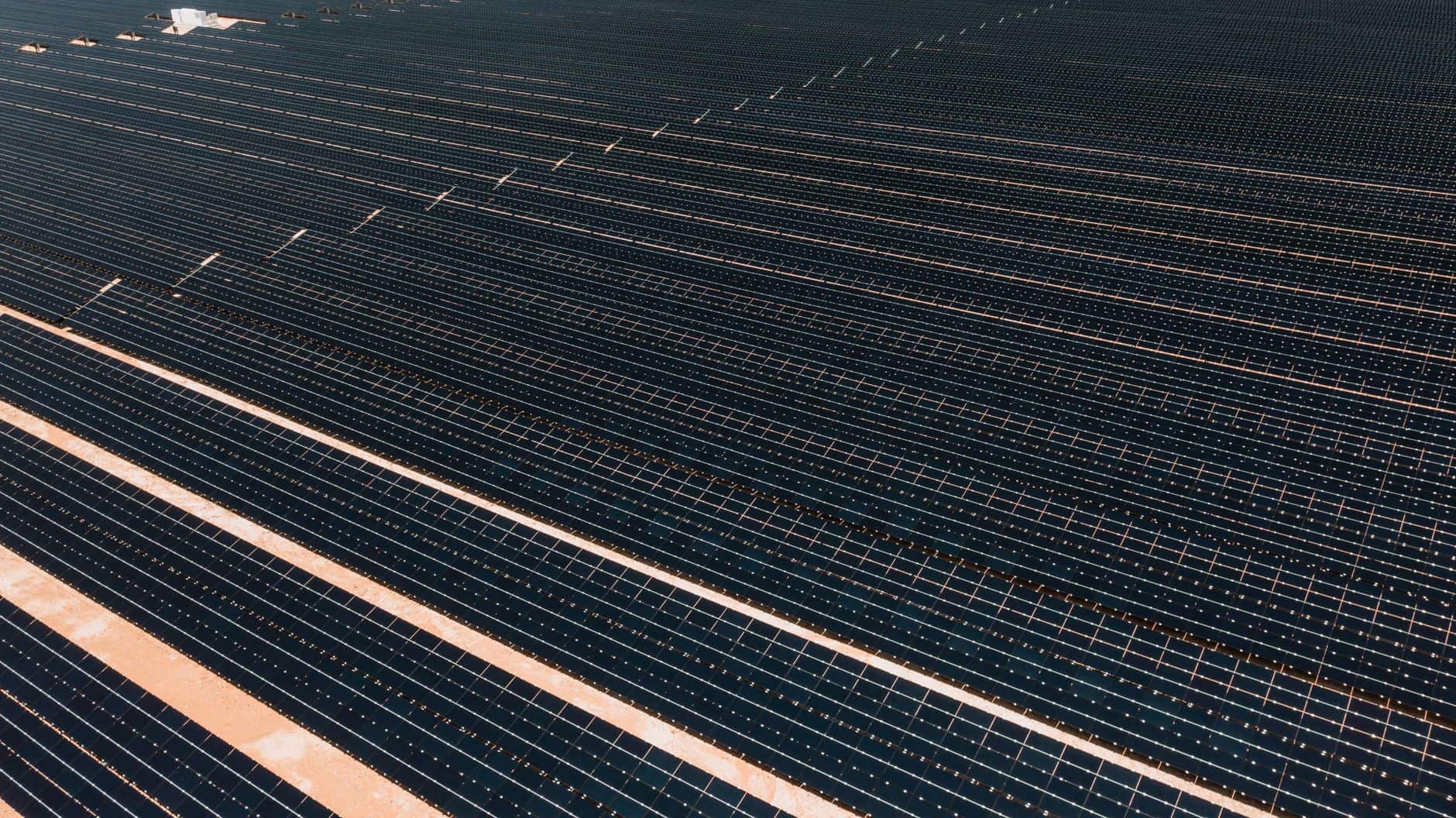
אומן פותחת מכרז של 1.5 GW סולארי, כולל פרויקט של 1 GW עם אחסון ו‑500 MW ללא אחסון, וההצעה נסגרת ב‑27 ביולי.
China’s Polysilicon Dip Lowers Solar Costs
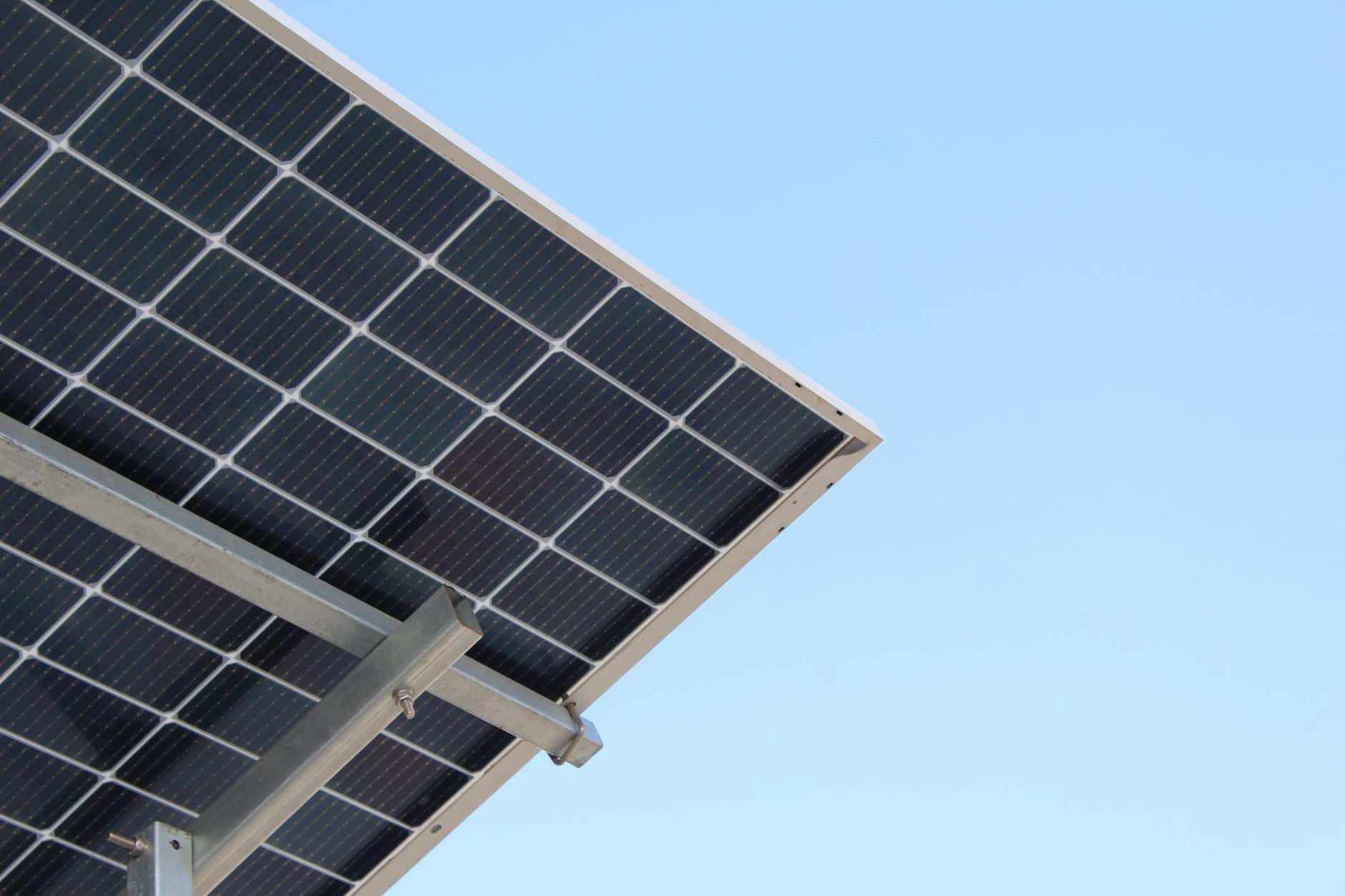
Polysilicon prices in China slipped to an average of CNY 33,200/ton, wafer prices stayed flat, and a 5.4 GW N‑type module tender underscores strong demand. The dip could modestly cut Israeli rooftop solar costs, shortening pay‑back periods.
Corporate Solar PPAs Slip 10% as GHG Rules Loom
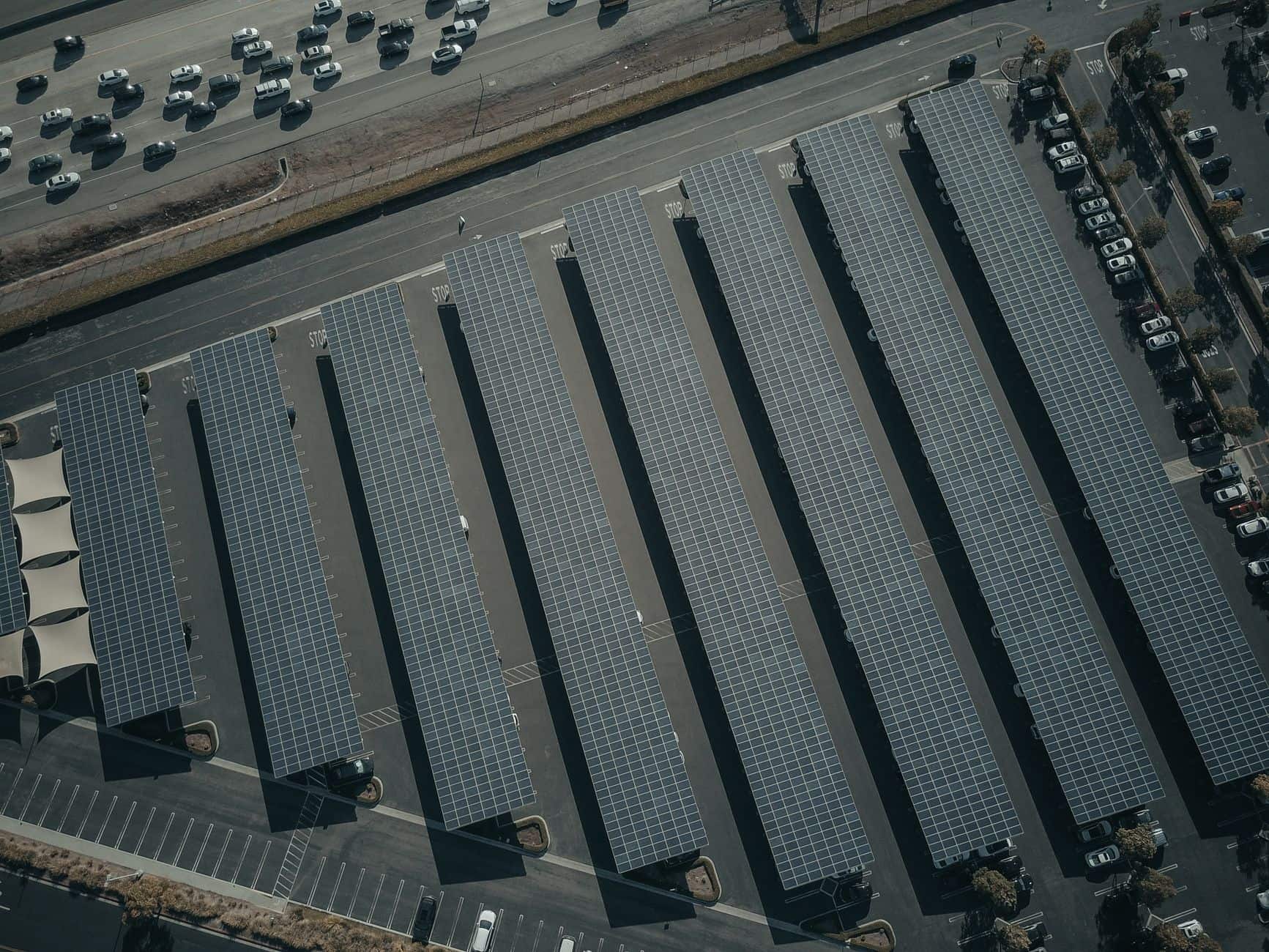
Corporate solar PPAs fell 10% in 2025 as the GHG Protocol’s draft scope‑2 revision pushes the industry toward hourly matching and battery storage, reshaping procurement and developer strategies.
Enlight Raises $2.6B for Arizona Solar‑Storage
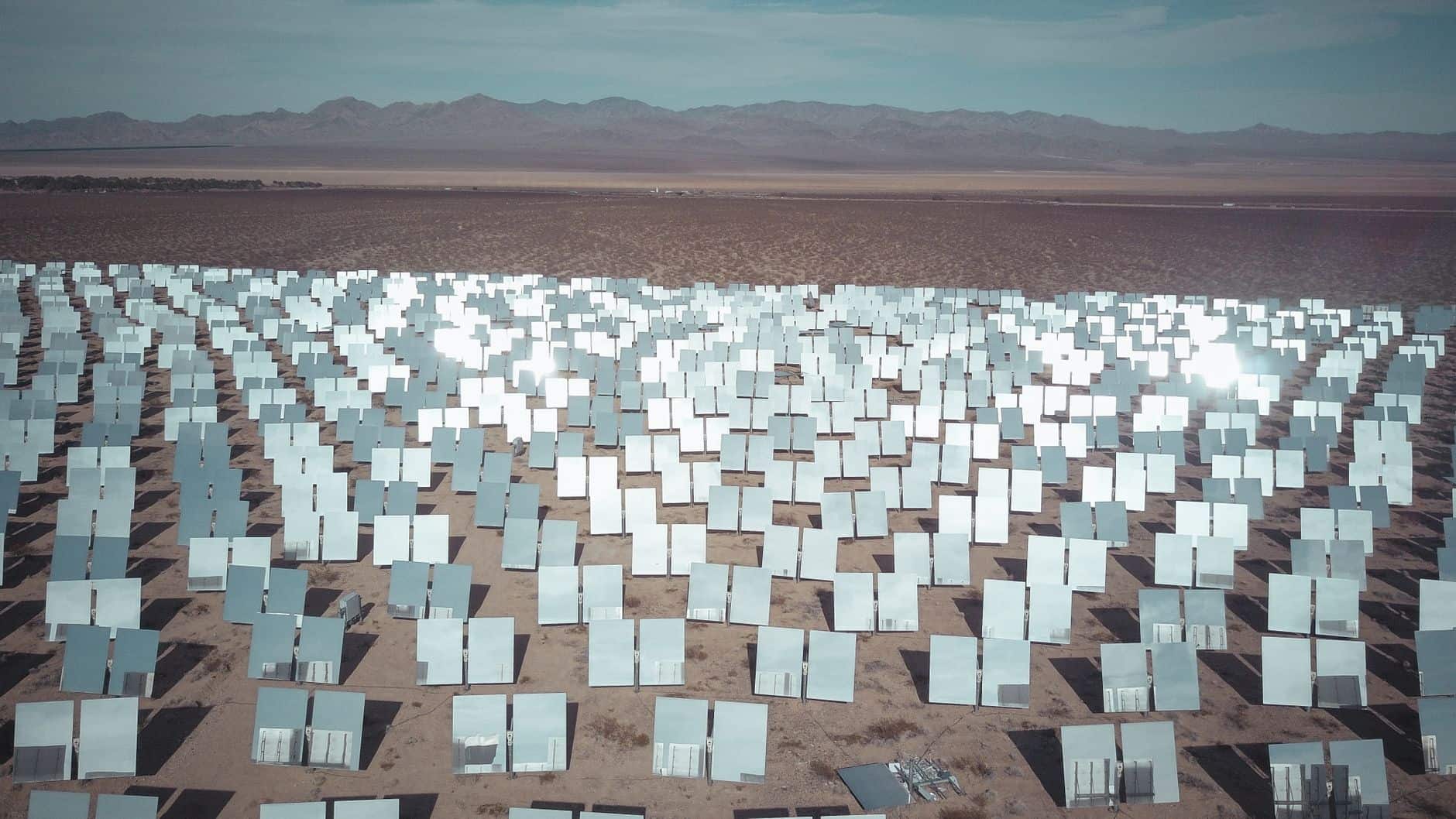
Enlight Renewable Energy secured a $2.6 billion financing package to build a 1.2 GW solar‑plus‑storage complex in Arizona, marking the Israeli firm’s biggest debt raise to date.