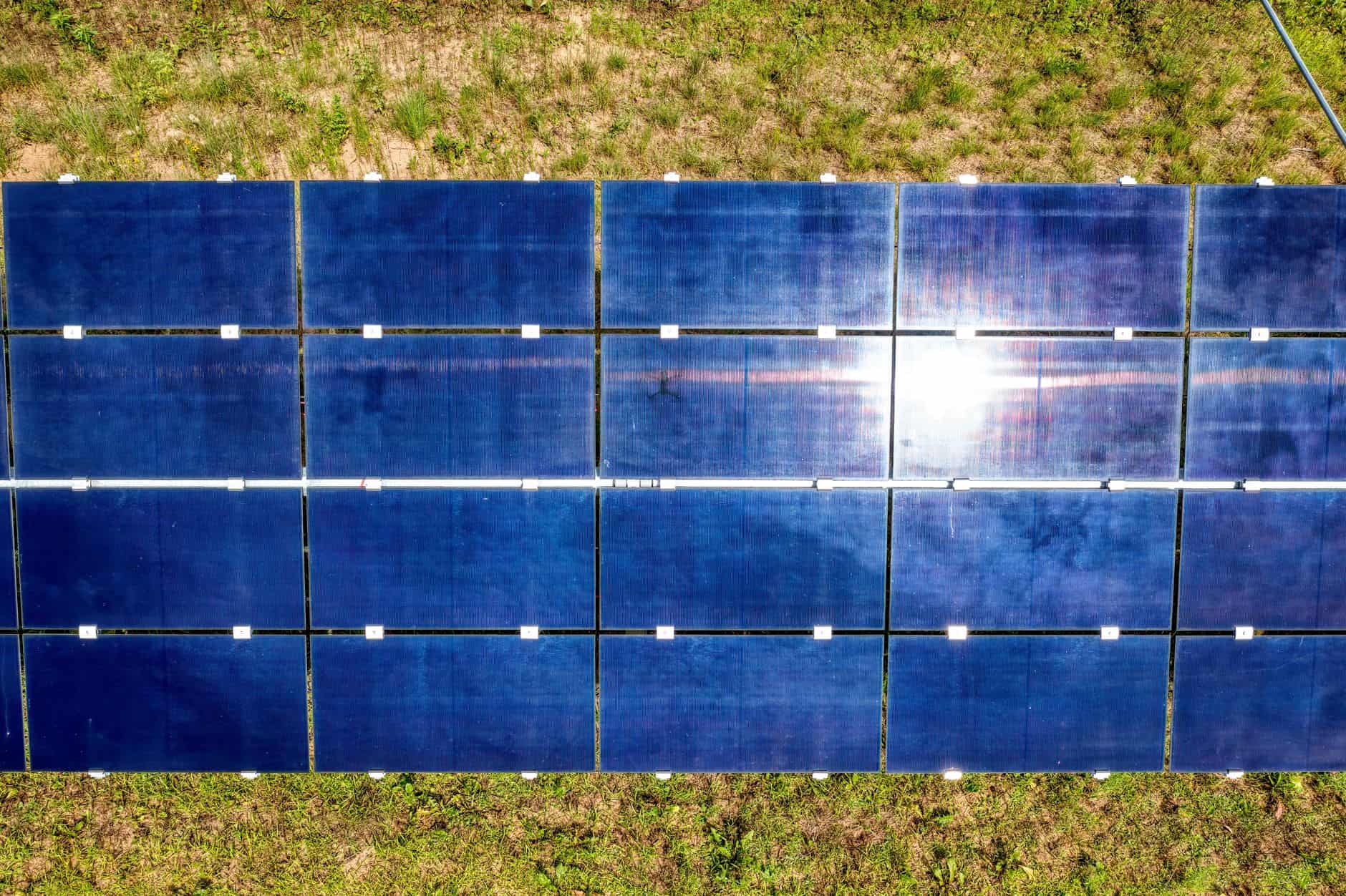
TCL Zhonghuan Adds 70 GW After Das Solar Deal
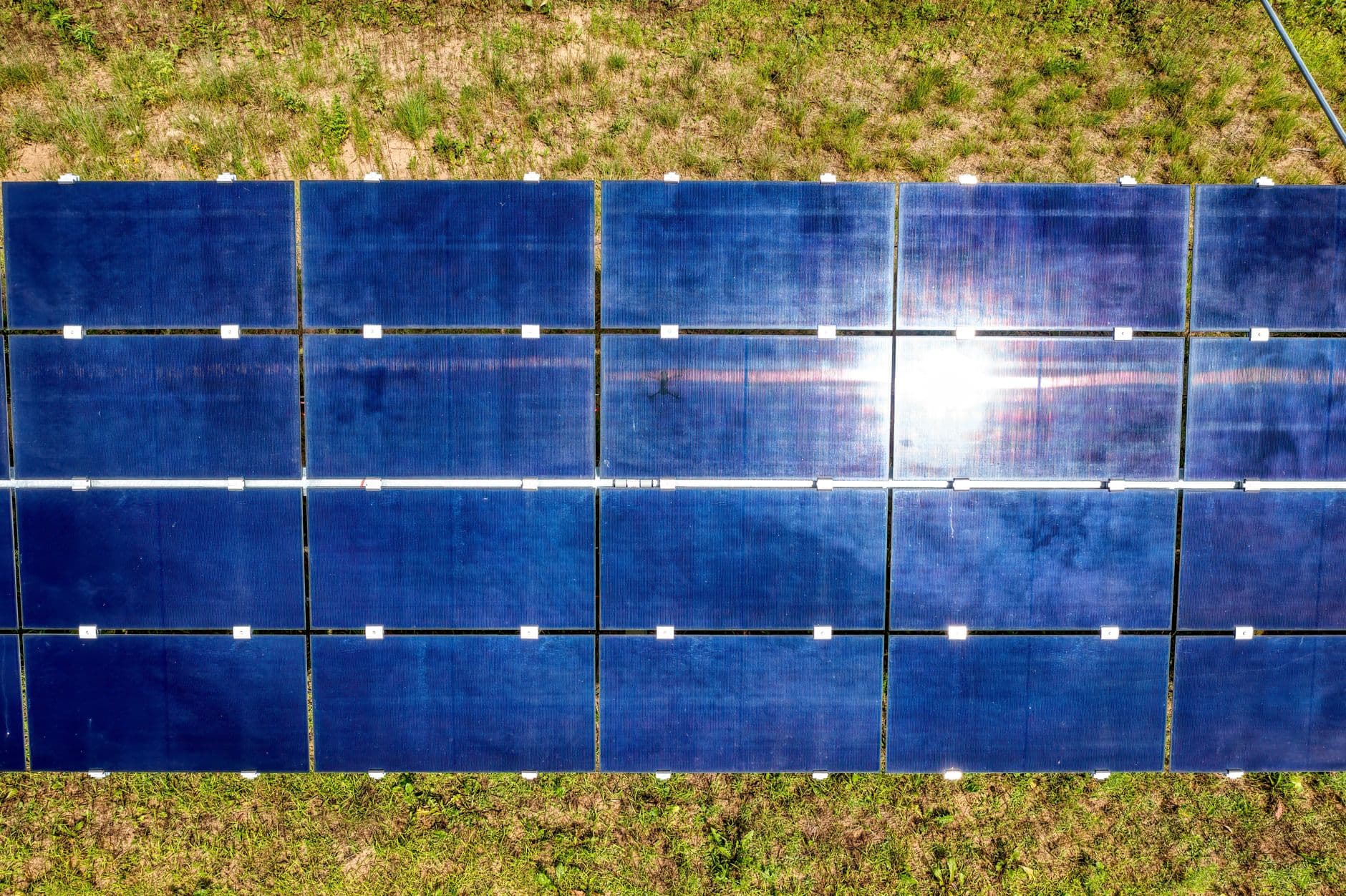
Deal snapshot – TCL Zhonghuan now controls 70 GW of capacity
TCL Zhonghuan completed the purchase of Das Solar on 2 July (date confirmed by the acquisition announcement), instantly giving it 20 GW of n‑type TOPCon cell capacity and 50 GW of solar‑module capacity — a combined 70 GW boost that places the group among the major n‑type producers. The acquisition also unlocks a roadmap to convert the newly‑acquired lines to back‑contact (BC) technology.
Upgrade plan – 20 GW of cells and 25 GW of modules will go BC
TCL Zhonghuan announced a CNY 1.4 billion (≈ US$206 m) spend to retrofit the full 20 GW of TOPCon cell lines into back‑contact production, and a further CNY 1.2 billion (≈ US$176 m) to convert 25 GW of module assembly to BC format. Once the upgrades finish, the company will own 20 GW of BC cell capacity and 25 GW of BC module capacity. This dual‑track strategy pushes the firm toward the next efficiency frontier beyond TOPCon.
Polysilicon and wafer prices keep sliding – a cost‑down catalyst
The Silicon Industry Branch of the China Non‑ferrous Metals Industry Association reported that n‑type recharging polysilicon traded at an average CNY 32,800 / ton (≈ US$4,824) in early July, down 1.2 % week‑on‑week. The same week, n‑type G10L wafers fell to CNY 0.88 / piece, G12R to CNY 0.97, and G12 to CNY 1.16, each slipping between 0.8 % and 2.2 %. High inventories and weak downstream demand keep the market in a “bottoming phase”, meaning manufacturers can source raw material cheaper, a trend that should translate into lower module prices.
Why TOPCon and back‑contact matter – efficiency and cost converge
TOPCon (Tunnel‑Oxide Passivated Contact) has become the mainstream high‑efficiency architecture since 2023, delivering strong efficiencies and a solid cost‑performance ratio. Back‑contact cells push efficiencies a step higher by eliminating front‑side metal shading and simplifying interconnects. China’s draft PV‑product grading system even sets A+ efficiency thresholds at 25 % for TOPCon and 25.2 % for BC products, signalling regulatory encouragement for these technologies.
Global market context – a booming high‑efficiency segment
Strategic market research projects the TOPCon cell market to grow from US$14.8 bn in 2024 to US$39.2 bn by 2030, a CAGR of 17.5 %. Meanwhile, the broader back‑contact cell market is attracting major OEMs as they chase the combined promise of higher yield and lower balance‑of‑system (BOS) costs. TCL Zhonghuan’s dual upgrade positions it to capture a sizable share of this fast‑growing niche.
What it means for Israel – cheaper modules could shrink rooftop payback
Falling polysilicon and wafer prices in China are likely to reduce module‑level costs worldwide. In Israel, a typical 10 kWp rooftop system in the central region produces about 17,000 kWh / year, valued at ≈₪8,160 at the residential tariff of ₪0.48 / kWh. With an installation cost of ≈₪31,500, the simple payback is ~3.9 years. A modest reduction in module prices would lower the upfront cost and further shorten the payback period, improving the investment’s net present value. Israeli homeowners and businesses could therefore see faster ROI and lower electricity bills, especially as the nation pushes toward its 30 % renewable target by 2030.
Outlook – scaling efficiency while trimming price
TCL Zhonghuan’s acquisition and upgrade plan give it a 70 GW platform that will soon run both TOPCon 3.0 and back‑contact lines. Combined with the ongoing price softening of polysilicon and wafers, the group is set to deliver high‑efficiency modules at ever‑lower cost. For global markets—including Israel—this translates into more affordable, higher‑yield solar power systems, accelerating the transition to clean energy.
Related tools: Use our solar ROI calculator to model your own payback, and explore the latest market data on our solar data page.
Sources & further reading
- JA Solar, TCL Zhonghuan, GCL Tech, and Ganfeng Lithium all...
- TCL Zhonghuan Announces Strategic Acquisition of DASOLAR to Accelerate...
- China proposes PV product grading system in bid to drive industry...
- TCL Zhonghuan's DASOLAR Acquisition: A Strategic Bet on N-Type's...
- International Solar PV and BESS Manufacturing Trends
FAQ
How much capacity does TCL Zhonghuan gain from the Das Solar deal?
The acquisition adds 20 GW of n‑type TOPCon cell capacity and 50 GW of module capacity – a total of 70 GW.
What investment is TCL Zhonghuan making to upgrade to back‑contact technology?
It will spend CNY 1.4 bn to convert 20 GW of cell lines and CNY 1.2 bn to upgrade 25 GW of module lines to back‑contact production.
Are polysilicon prices falling in China?
Yes, the average price of n‑type recharging polysilicon dropped to CNY 32,800 / ton, down 1.2 % week‑on‑week.
What is the efficiency advantage of back‑contact cells over TOPCon?
Back‑contact cells typically exceed 24.5 % efficiency, slightly higher than the ~24 % common for TOPCon, thanks to the absence of front‑side metal shading.
How could these trends affect a typical Israeli rooftop system?
If module costs fall 10 %, a 10 kWp system’s install price drops to about ₪28,350, shortening the payback period from ~3.9 years to ~3.5 years.
When is TCL Zhonghuan expected to have the BC lines operational?
The company plans to complete the BC upgrades over the next few years, with the first lines slated for 2025‑2026.
Share this post
More from Markets
6
China Solar Module Prices Drop on Weak Europe
Chinese TOPCon module prices held at $0.113/W while forward contracts slipped modestly, as weaker European demand and the end of export‑tax rebates curb buying urgency.

EU Solar Hits Record 58.8 TWh in Q1 2026
EU renewables supplied 45.5% of electricity in Q1 2026, with solar generating a record 58.8 TWh – enough to power about 13 million homes.
KKR's $4.2B EDF Deal Accelerates US Solar
KKR is buying EDF Power Solutions North America for about $4.2 billion, giving the firm a top‑ten U.S. renewable‑energy portfolio and marking its biggest clean‑energy investment yet.
South Korea to Add 4 GW Solar in 2026
South Korea will add about 4 GW of new solar capacity in 2026, matching 2025 levels, as the market pivots toward higher quality and long‑term sustainability.
India Could Install 85 GW Solar by 2030
India could boost annual solar installations from about 50 GW in FY 27 to nearly 85 GW by FY 30, spurred by data‑centres, green‑hydrogen and round‑the‑clock power demand.
Ireland to Top 3.3 GW Solar by Year‑End
Ireland is poised to add significant solar capacity by year‑end, driven by utility‑scale farms, a booming rooftop market and a €1,800 grant that remains in place.