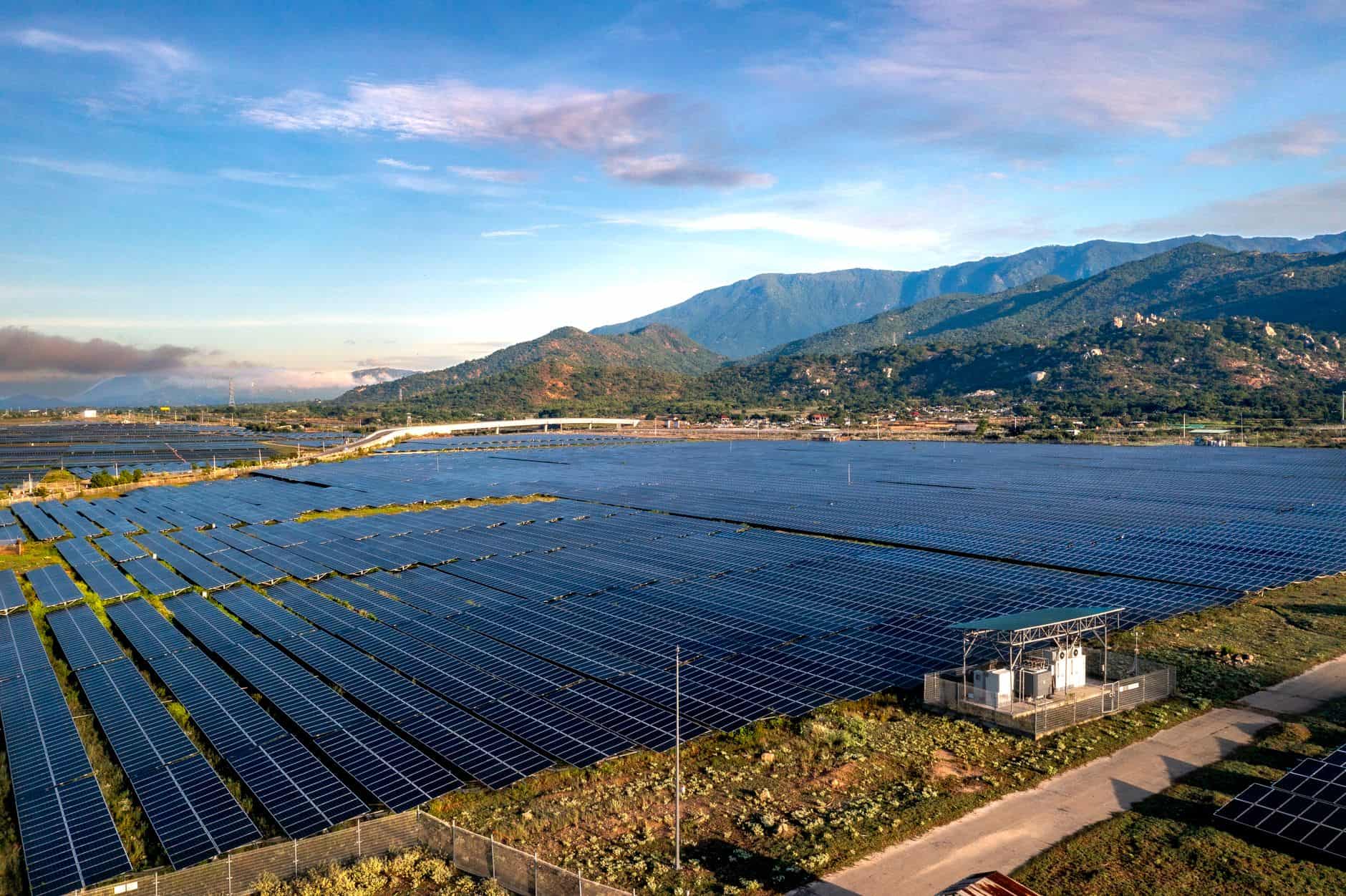
Bhutan Gets $160 M Boost for 310 MW Solar
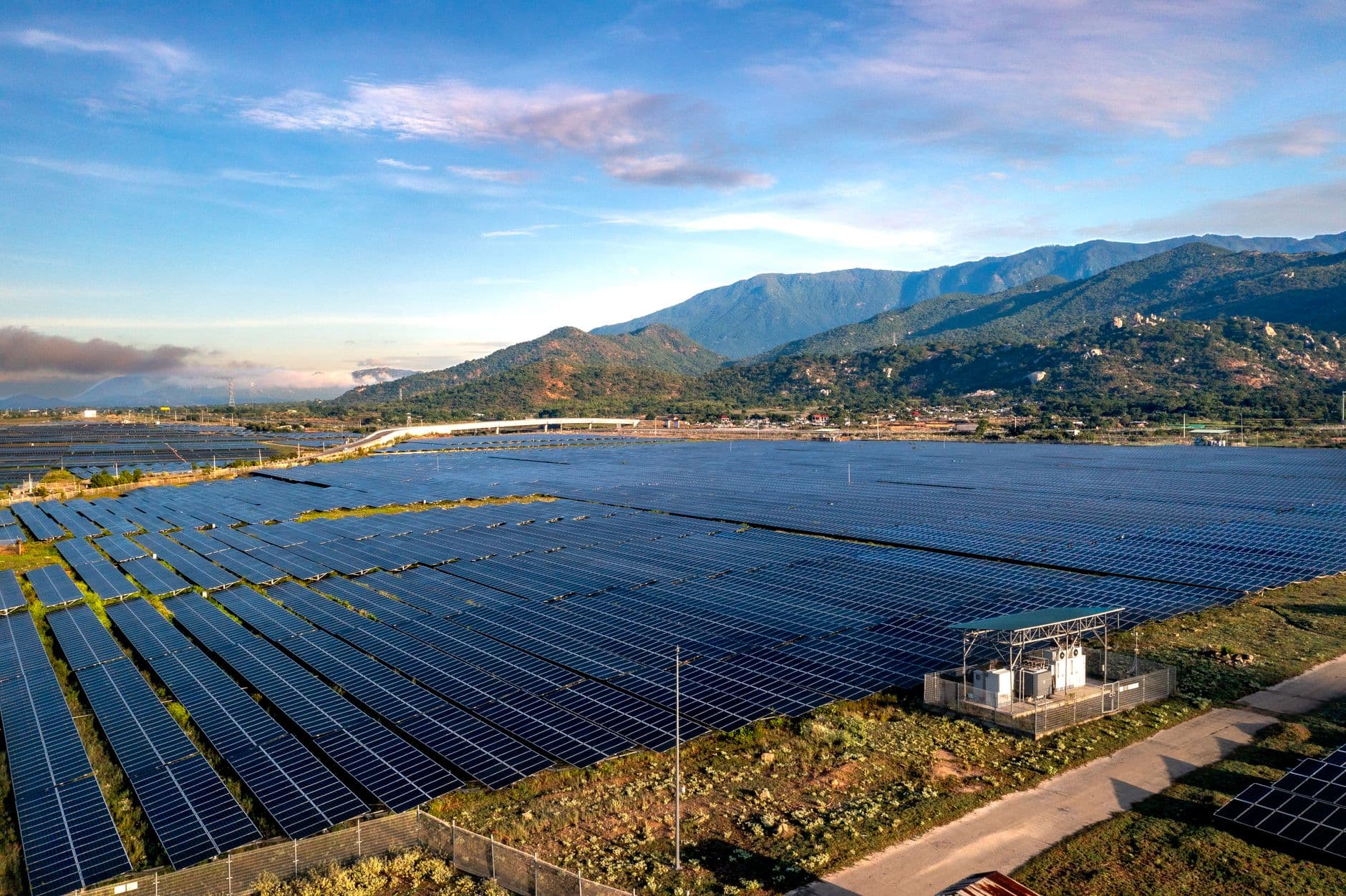
Bhutan’s $160 M Solar Leap
Bhutan has secured a US$160 million loan from the Asian Development Bank (ADB) to build three utility‑scale solar farms totalling 310 MW, marking the country’s first private‑majority public‑private partnership in the energy sector. The funding will cover most of the capital costs and is expected to unlock an additional US$68.7 million of private equity and debt.
Funding and Partners
The ADB loan, approved as ordinary capital resources, will finance the construction of the 120 MW Wobthang and 40 MW Pedseling farms in Bumthang (northern Bhutan) and the 150 MW Dramthang farm in Lhuentse (northeastern Bhutan). Bhutan‑based Druk Green Power Corporation (DGPC) will develop the first two farms, while the third will be a joint venture between DGPC and India’s Tata Power Renewable Energy Ltd. The state‑owned Bhutan Power Corporation will build 46 km of transmission lines to connect the farms to the national grid.
Additional support comes from a US$500,000 grant from Japan’s Innovative Finance Facility for Climate in Asia and the Pacific for training and scholarships, plus a US$1 million technical assistance grant from the ADB’s Special Fund.
“By scaling up solar alongside hydropower, Bhutan can cut costly electricity imports and create green jobs for women and youth,” said ADB Country Director for Bhutan Sonomi Tanaka.
(Information from the ADB press release and PV Magazine’s report.)
Project Scale and Expected Output
The three farms together will add 310 MW of solar capacity, a substantial increase for Bhutan’s renewable energy mix and a step toward reducing winter electricity deficits. Bhutan’s cumulative solar capacity rose to 21 MW by the end of 2025, up from just 3 MW a year earlier, after commissioning its first utility‑scale 17.38 MW plant in mid‑2025 (IRENA data). The new 310 MW projects push the country toward its 5 GW solar target for 2040.
Why the Partnership Matters
This is Bhutan’s first “private‑majority” PPP in the power sector, meaning private investors hold the majority equity while the public utility provides grid access and transmission. The structure is designed to attract commercial debt and equity, reduce the fiscal burden on the government, and accelerate deployment of renewable energy.
The ADB expects its loan to catalyze US$68.7 million of additional private financing, demonstrating confidence from international investors in Bhutan’s regulatory environment and its long‑term hydropower‑backed grid stability.
What It Means for Israel
For Israeli readers, the Bhutan project illustrates how a modest‑cost solar investment can dramatically expand clean‑energy supply. Using Israel’s typical residential tariff of ₪0.48/kWh and a turnkey cost of ₪3,150/kWp, a 1 MW solar plant in Israel would cost about ₪3.15 million and generate roughly 1.7 GWh/year in the central region (1,700 kWh/kWp × 1,000 kW). That translates to annual revenue of about ₪816,000 and a simple payback of just under 4 years – comparable to the economics Bhutan is achieving with far lower capital costs thanks to ADB financing.
The Bhutan example also shows the power of PPPs to mobilise private capital for large‑scale renewables, a model that could be replicated in Israel’s own 30 % renewable‑energy‑by‑2030 target. Investors and developers can look to similar financing structures to de‑risk projects and accelerate the rollout of utility‑scale solar across the country.
Outlook
Construction is expected to begin soon, with the farms coming online in the coming years, delivering clean power that will reduce Bhutan’s reliance on costly winter imports and create green jobs. The success of this financing model could spur further ADB‑backed renewable projects in the Himalayas and beyond, reinforcing the region’s transition to a low‑carbon future.
Sources: PV Magazine, Asian Development Bank press release, IRENA statistics
FAQ
How much solar capacity is Bhutan adding with the new projects?
The three farms will add 310 MW of solar capacity.
Who is providing the financing for Bhutan’s solar expansion?
The Asian Development Bank is providing a $160 million loan, plus Japan’s $500,000 grant and a $1 million ADB technical assistance grant.
What is the expected annual electricity generation from the new farms?
At a 20 % capacity factor, the 310 MW will generate roughly 527 GWh per year.
Why is the partnership described as ‘private‑majority’?
Private investors hold the majority equity in the projects, while the public utility supplies grid connection and transmission.
How does this project relate to Israel’s solar market?
It shows how PPP financing can lower costs and speed up deployment, a model Israel could use to meet its 30 % renewable target.
When will the solar farms be operational?
Construction is set to start later this year with commissioning expected by 2027.
Share this post
More from Technology
6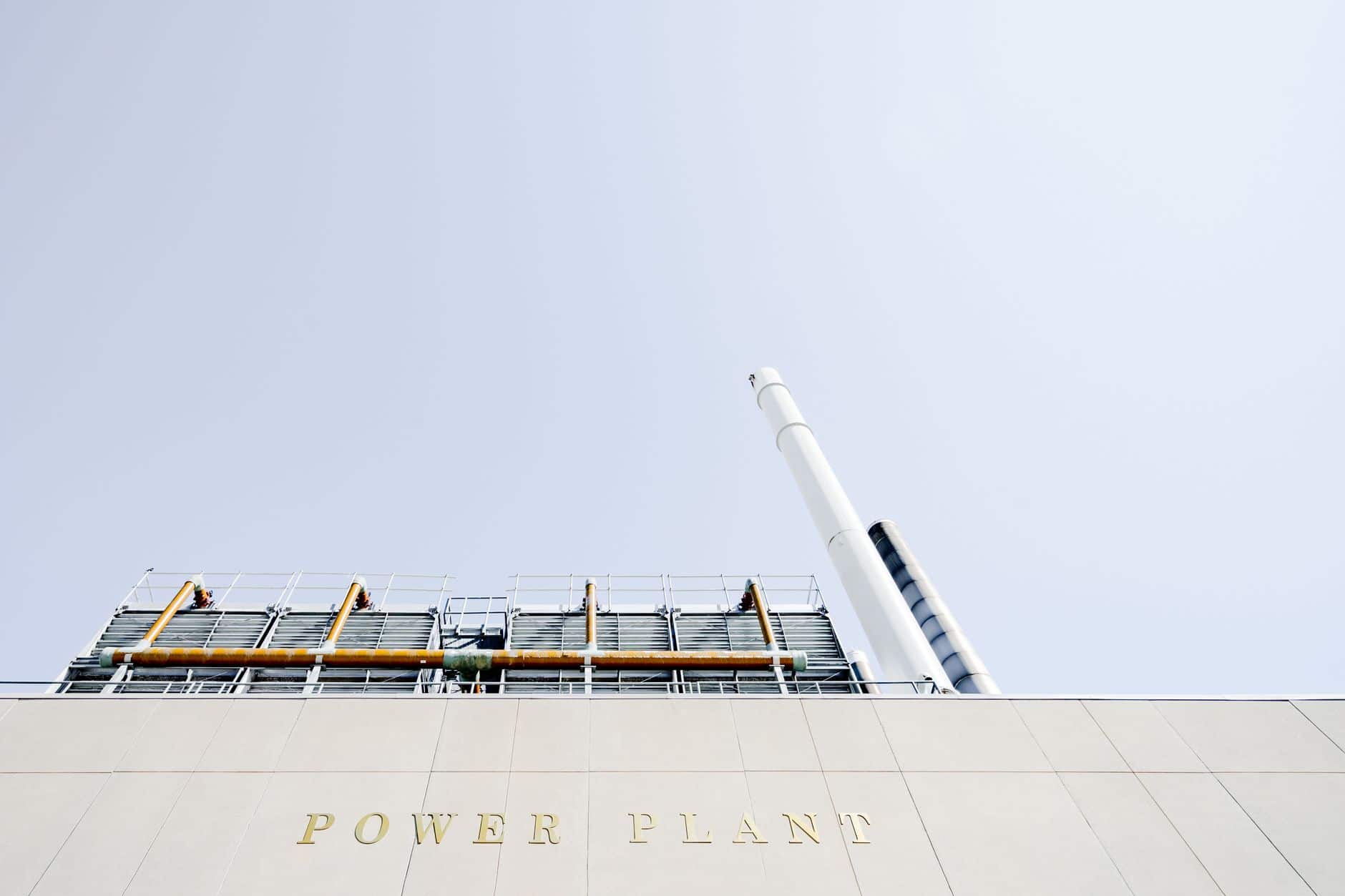
Australia’s 50 MW Green Hydrogen Hub Approved
Orica has secured A$432 million to build a 50 MW green‑hydrogen hub in New South Wales, which will produce about 4,700 tonnes of hydrogen per year and illustrate the scale of clean‑energy projects that can support Israel’s renewable‑energy targets.
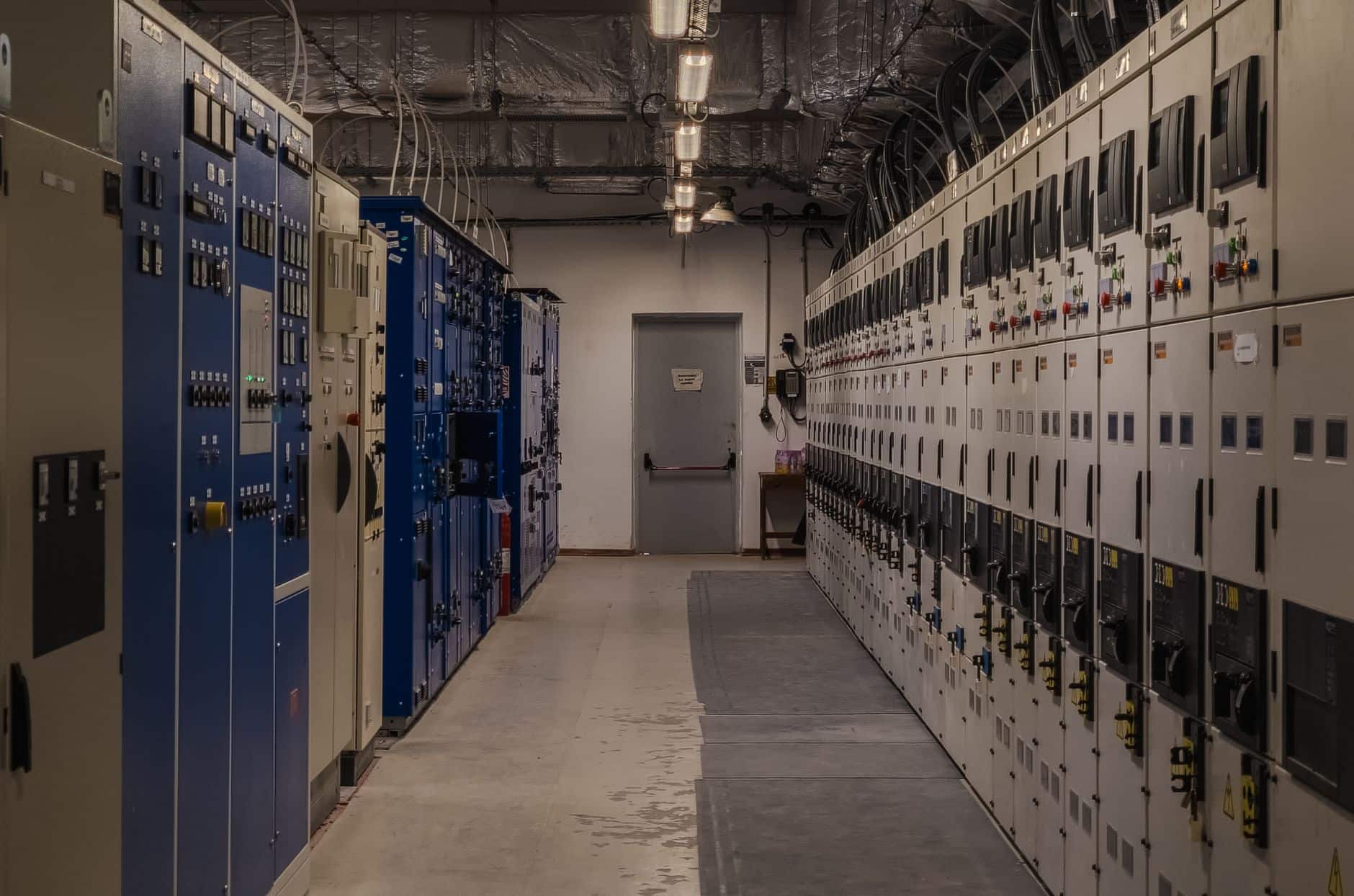
Predictive Tracker Tech Boosts Solar Yield
Sunner’s True Wind predicts tracker galloping in real time, reducing wind‑related downtime and modestly boosting solar output.
Africa’s Largest Floating Solar Plant Online
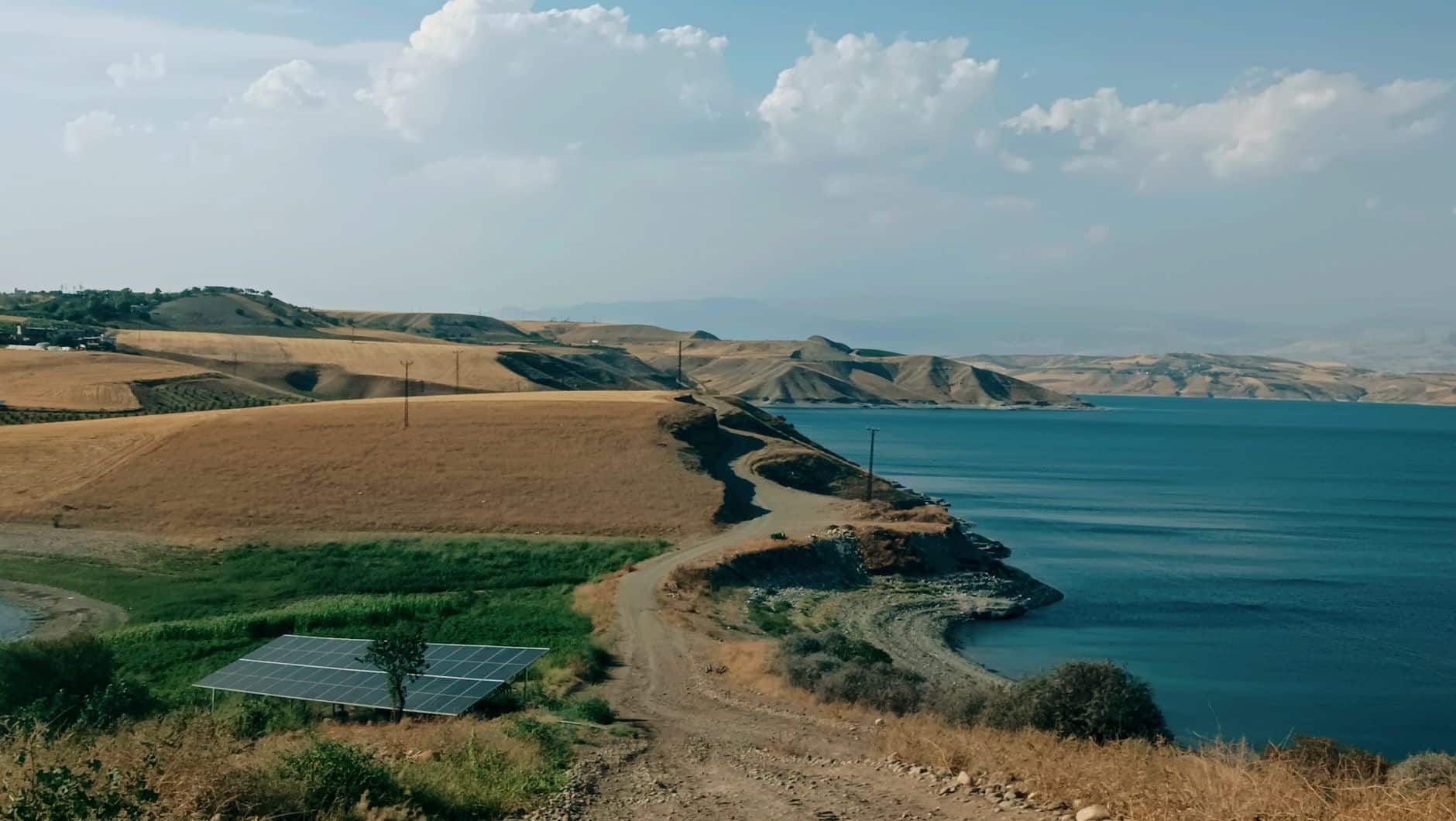
Morocco’s new 13 MW floating solar plant on the Oued Rmel Dam is Africa’s largest FPV installation, delivering clean power to the Tanger Med port and showcasing how flexible anchoring can handle 30‑plus‑metre water‑level swings.
Solar Panel Waste Turned Into Battery Power
Indian researchers have cracked a method that recovers 97.75 % of silicon from dead solar panels and turns it into high‑performance lithium‑ion battery electrodes.
Flat‑Roof Inverter Rack Slashes Install Time
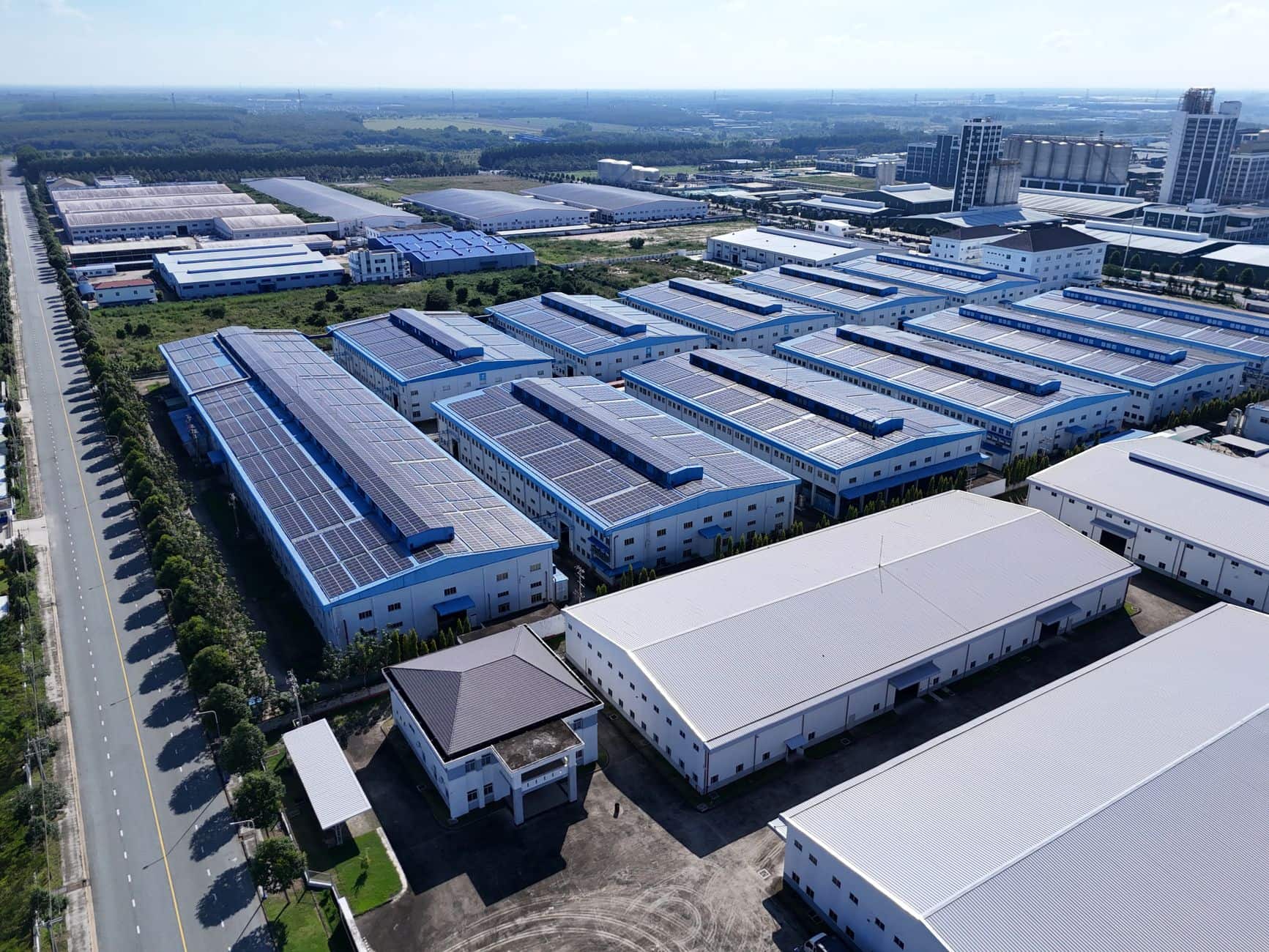
Opsun’s SunRail Inverter Rack lets commercial installers finish flat‑roof solar projects faster, with a pre‑assembled aluminum frame that tolerates 180 mph winds and 100 psf snow loads.