Why Virtual Power Plants Are US’s Next Grid Hero
The aggregation imperative: VPPs are now essential for grid stability
Virtual power plants (VPPs) are moving from pilots to mainstream tools because U.S. grid operators need a fast‑acting way to balance soaring electricity demand and frequent extreme‑weather outages. By aggregating rooftop solar, batteries, EV chargers and other distributed energy resources (DERs) into a single, dispatchable resource, VPPs can supply power instantly where it’s needed, reducing the risk of blackouts and costly peak‑fuel purchases.
Data centers are driving a 50% surge in U.S. power demand
U.S. data‑center electricity consumption is projected to climb from about 53 GW in 2023 to 75.8 GW by 2026, a jump that will account for nearly half of all U.S. power‑demand growth through 2030. The AI‑driven compute boom means utilities are seeing larger, more unpredictable loads that traditional baseload plants struggle to meet on short notice.
Extreme weather pushes utilities toward VPPs
Heatwaves, wildfires and hurricanes are hitting the grid harder than ever. In 2024, the average combustion‑gas plant lost market share as utilities turned to flexible, distributed resources that can be turned on or off in minutes. The Rocky Mountain Institute notes that grid‑scale VPPs are already matching or exceeding the output of conventional power plants, offering a resilient alternative when transmission lines are knocked out.
Market boom: VPP industry set to hit $30‑$40 B by early 2030s
Multiple forecasts agree the global VPP market is exploding. Fortune Business Insights projects growth from $2.46 B in 2025 to $7.27 B by 2034 (CAGR 11.8%). Grand View Research sees a steeper climb, from $6.0 B in 2025 to $30.9 B in 2033 (CAGR 22.6%), while SNS Insider projects $4.01 B in 2025 to $41.43 B by 2035 (CAGR 26.3%). Even the most conservative estimate points to a ten‑fold market expansion within a decade, underscoring how quickly VPPs are becoming a core grid asset.
Lessons from Puerto Rico: 48 MW from 70,000 batteries
Puerto Rico’s first large‑scale VPP showed the power of aggregation in a real‑world crisis. LUMA Energy dispatched 70,000 customer‑owned batteries, delivering 48 MW into the grid and helping avoid multiple load‑shedding events. The island’s experience proves that thousands of small‑scale assets can collectively provide megawatt‑scale reliability when the central grid is stressed.
What it means for Israel
Israel’s solar market already enjoys high rooftop penetration, with typical residential installations costing ₪3,150/kWp and yielding ≈1,700 kWh/kWp / year in the central region. If a homeowner installs a 15 kW system, the array would generate about 25,500 kWh annually (15 kW × 1,700 kWh/kWp). At the current residential feed‑in tariff of ₪0.48/kWh, that translates to ≈₪12,240 of yearly revenue. The upfront cost would be ≈₪47,250 (15 kW × ₪3,150/kWp), giving a simple payback of roughly 3.9 years—the same order as the 10 kW example but scaled up for larger homes.
If thousands of Israeli rooftops joined a national VPP, the aggregated capacity could reach hundreds of megawatts, providing fast‑response reserve that complements Israel’s 30 % renewable‑energy target for 2030. Such a VPP would lower reliance on imported gas, shave peak‑load prices, and improve grid resilience against heat‑wave spikes that have become more frequent in recent summers. Homeowners could earn additional income by selling flexibility services, while the Electricity Authority and NOGA would gain a powerful tool to meet policy goals without massive new transmission investments.
Looking ahead: VPPs as the backbone of a decarbonized grid
The convergence of data‑center growth, climate‑driven outages, and falling storage costs makes VPPs the logical next step for both the United States and Israel. As market size balloons into the tens of billions, utilities, regulators and technology providers will race to standardise communication protocols, settle compensation mechanisms and integrate VPPs into wholesale markets. For consumers, the promise is clear: a rooftop solar system that not only cuts your electric bill but also earns you money by helping keep the lights on for everyone.
For a quick estimate of your own rooftop ROI, try our solar ROI calculator. For the latest Israeli market data, visit our solar data hub.
Sources & further reading
- Virtual Power Plant Market Size, Share | Growth Report [2034]
- Virtual Power Plant Market Size & Share Report, 2026-2033
- Virtual Power Plant Market Size, Share & Industry Report 2035
- Virtual Power Plant (VPP) Market Size to Hit USD 45.67 Billion by...
- Grid-Scale Virtual Power Plants are Here. Have Utilities Noticed?
FAQ
What is a virtual power plant?
A VPP aggregates many small distributed resources—like rooftop solar, batteries, and EV chargers—into a single, controllable asset that can be dispatched like a traditional power plant.
Why are data centers driving the need for VPPs?
U.S. data‑center electricity use is set to rise to 75.8 GW by 2026, representing about half of all projected power‑demand growth through 2030, creating large, fast‑rising loads that the existing grid struggles to meet.
How fast is the global VPP market growing?
Forecasts show the market expanding from roughly $2‑$6 B in 2025 to $30‑$41 B by 2033‑2035, implying a compound annual growth rate of 12‑26 %.
Can VPPs really replace large power plants?
Yes. In 2024 grid‑scale VPPs in the U.S. matched or exceeded the output of many conventional plants, providing flexible, on‑demand power during peak or outage conditions.
What does this mean for Israeli homeowners?
A typical 15 kW rooftop system could pay for itself in under four years and, if linked to a national VPP, could earn extra revenue by supplying grid services during emergencies.
Are there policy supports for VPPs in Israel?
The Electricity Authority and grid operator NOGA oversee the market, and Israel’s 30 % renewable‑energy target for 2030 creates a favorable regulatory backdrop for VPP expansion.
Share this post
More from Technology
6
Predictive Tracker Tech Boosts Solar Yield
Sunner’s True Wind predicts tracker galloping in real time, reducing wind‑related downtime and modestly boosting solar output.

Africa’s Largest Floating Solar Plant Online
Morocco’s new 13 MW floating solar plant on the Oued Rmel Dam is Africa’s largest FPV installation, delivering clean power to the Tanger Med port and showcasing how flexible anchoring can handle 30‑plus‑metre water‑level swings.

Solar Panel Waste Turned Into Battery Power
Indian researchers have cracked a method that recovers 97.75 % of silicon from dead solar panels and turns it into high‑performance lithium‑ion battery electrodes.
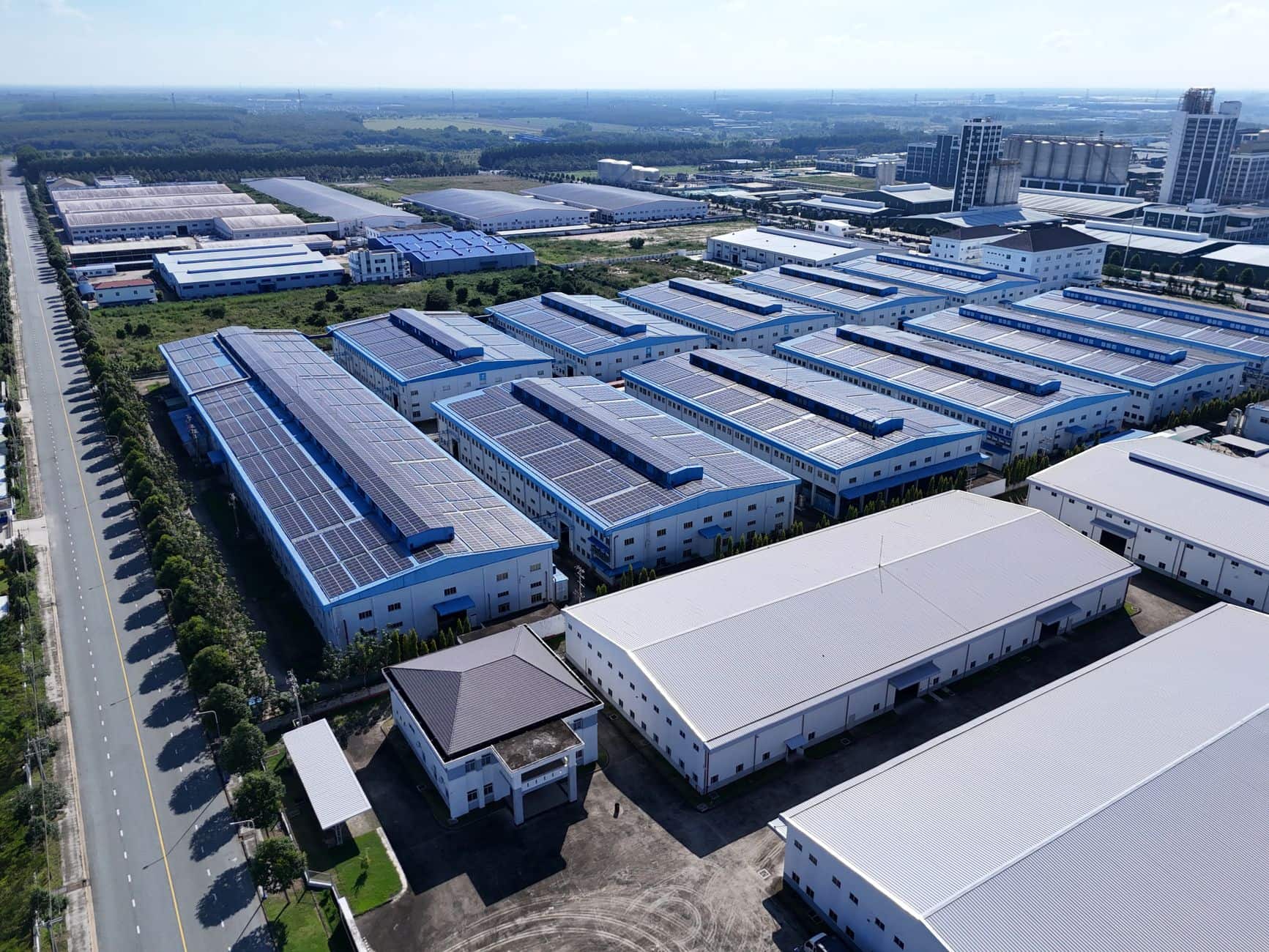
Flat‑Roof Inverter Rack Slashes Install Time
Opsun’s SunRail Inverter Rack lets commercial installers finish flat‑roof solar projects faster, with a pre‑assembled aluminum frame that tolerates 180 mph winds and 100 psf snow loads.
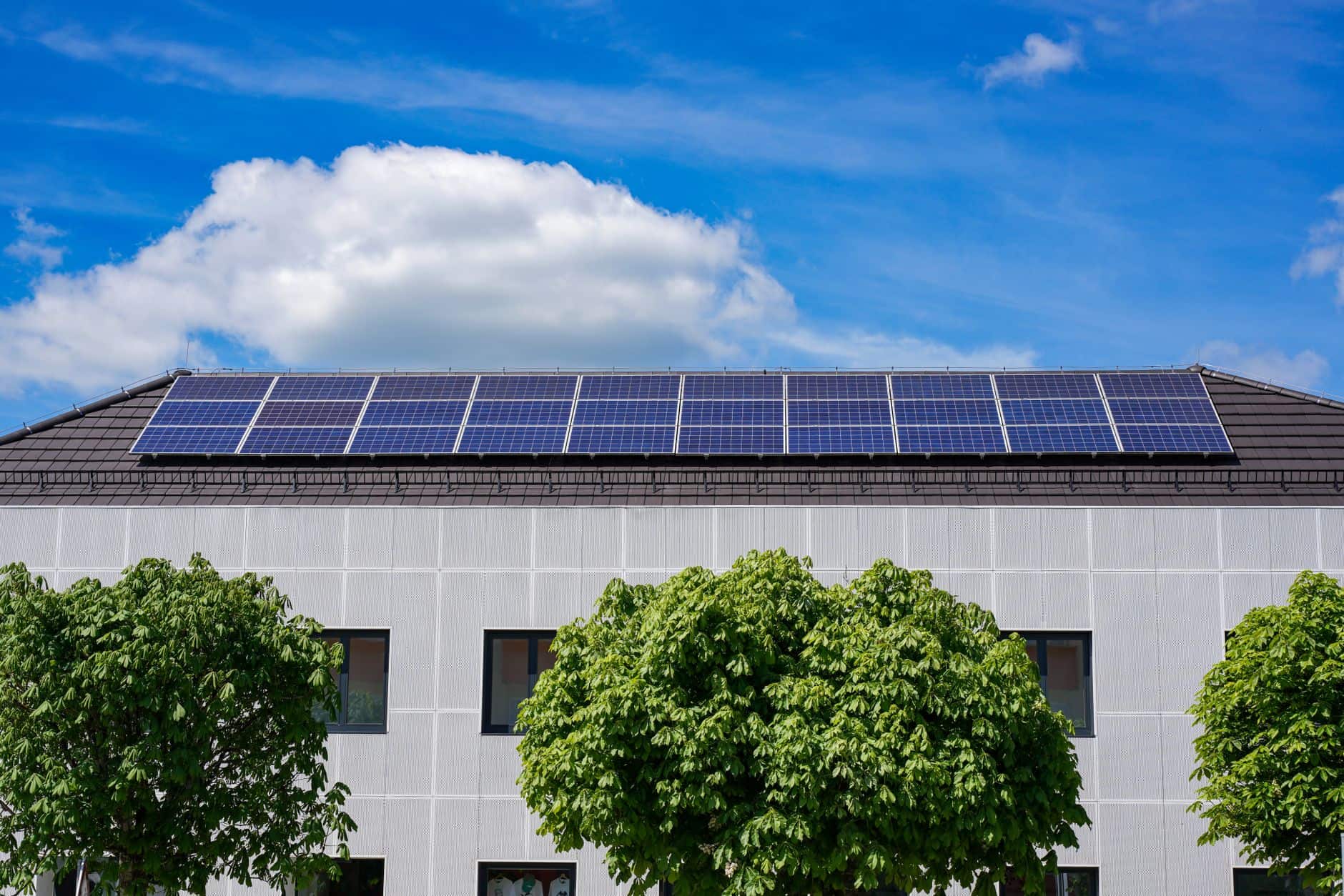
AC‑Side V2H Boosts Home Solar Flexibility
The new Binary Series V2H system separates AC charging from DC discharge and permits charger‑inverter distances of up to 50 m, enhancing residential flexibility.
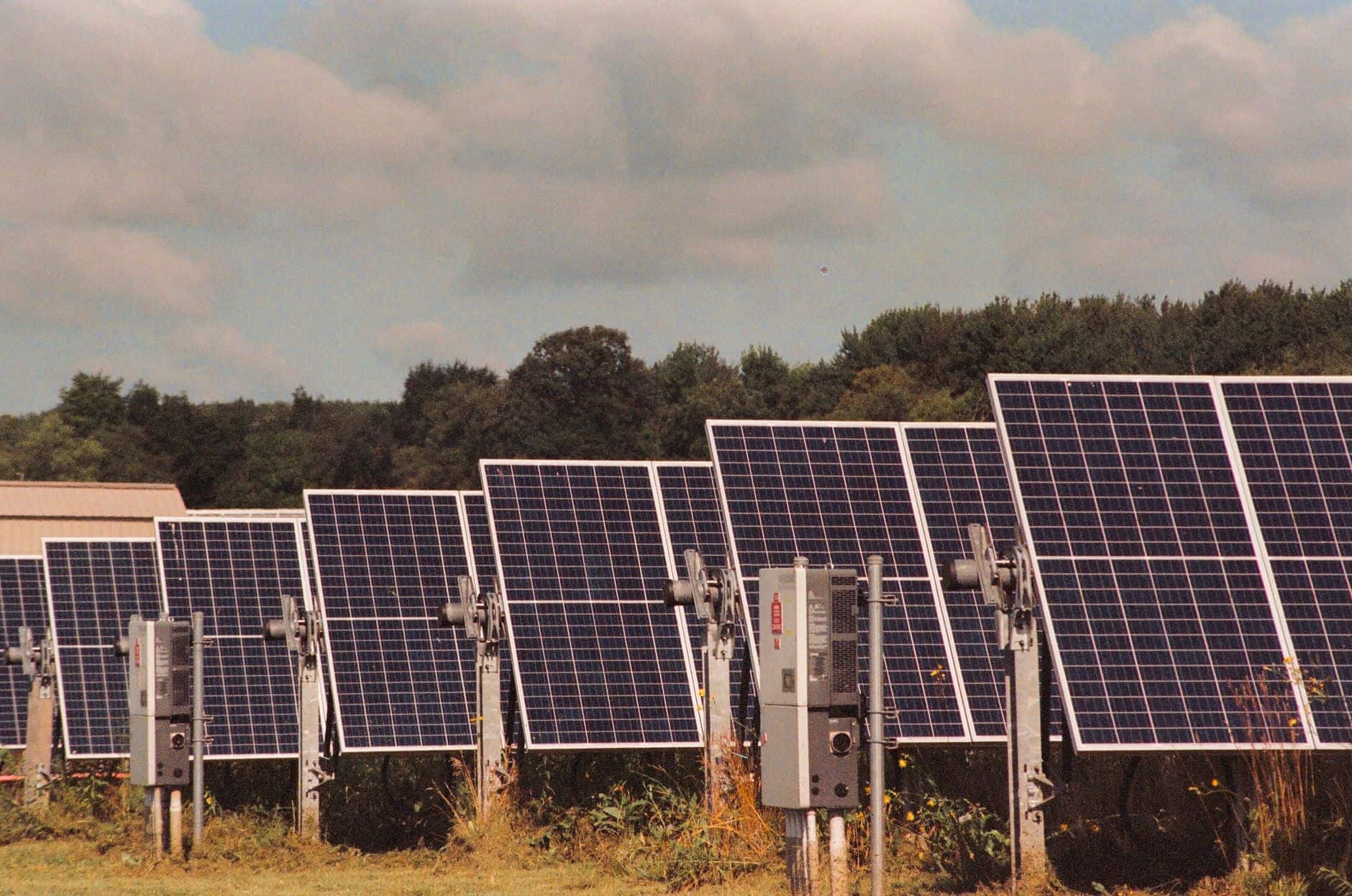
HeliomatiX Builds 1 MW Solar Farm in 8 Hours
Goldbeck Solar’s HeliomatiX automation can install up to 1 MW of PV in eight hours, cutting manual labour by 85 % and reshaping utility‑scale solar construction worldwide.