Cold‑Frame Solar Boosts Lettuce 3‑Fold
Agrivoltaic Cold Frames Boost Lettuce Yields Up to 300%
Neutral‑tinted semi‑transparent PV modules produced three times more lettuce than open‑air controls. In field trials on Ontario farms, romaine lettuce grown inside the cold frames harvested 300 % more fresh biomass when the roof and side were covered with neutral‑gray CdTe thin‑film modules. Colored modules also outperformed the control: green +210 %, red +161 %, and blue +120 % % PV Magazine and the peer‑reviewed study in Solar Energy confirm these gains.
The researchers attribute the boost to two micro‑climatic effects. In summer the semi‑transparent panels shade the plants, lowering leaf temperature and preventing heat stress. Toward the end of the season the frames can be closed, trapping heat and extending the growing period—exactly what a traditional cold frame does, but with electricity generation added.
Integrated Thin‑Film PV Generates ~213 kWh/yr per Frame
A single 204 W cold‑frame system is estimated to produce about 213 kWh of electricity each year. Using the System Advisor Model (SAM), the horizontal roof modules delivered 1,209 kWh per kW installed, while the vertical south‑facing modules produced 878 kWh/kW. Together they amount to 212.9 kWh yr⁻¹ for the whole frame % PV Magazine and the SAM documentation % (https://sam.nlr.gov/).
For comparison, typical rooftop installations at similar latitudes produce a comparable amount of electricity per kW installed % (https://www.sciencedirect.com/science/article/pii/S0959652625017421).
How the System Works: Repurposed Crates and Semi‑Transparent CdTe Modules
Six bifacial CdTe modules are mounted on a wooden shipping crate to create a low‑tech, up‑cycled agrivoltaic cold frame. Each crate measures 233 × 122 × 102 cm. The roof and south wall are replaced with 55 % transparent CdTe thin‑film panels (0.72 m², 34 W each). Six modules per frame (three roof, three side) give a total nameplate capacity of 204 W.
The choice of CdTe stems from its high absorption coefficient and flexibility, allowing thin, lightweight panels that let a substantial fraction of photosynthetically active radiation (PAR) through. Studies on CdTe thin‑film highlight its ability to maintain efficiency even when partially shaded, which is crucial for agrivoltaic applications % (https://www.nature.com/articles/s41598-025-12006-6).
Why Semi‑Transparent CdTe Beats Conventional Silicon in Cold Frames
CdTe’s strong absorption and low‑cost manufacturing make it ideal for partially shading crops while still generating power. Unlike crystalline silicon, which blocks most light, CdTe thin‑film can be tuned to 55 % transparency, preserving enough PAR for photosynthesis. The bifacial design also captures reflected light from the ground, boosting energy yield on the vertical side.
Industry reports note that CdTe modules have seen rapid cost declines and are now the world’s most deployed thin‑film technology, with efficiencies that continue to improve % (https://www.rinnovabili.net/tech-innovations-and-startups/energy-tech-innovations-and-startups/cdte-photovoltaics-efficiency-boost-2025/).
Implications for Sustainable Food‑Energy Co‑Production
Combining food and power on the same footprint can increase land‑use efficiency and rural resilience. The Ontario study demonstrates that a modest‑size structure can simultaneously raise vegetable yields and generate enough electricity to offset a small portion of a household’s bill. Joshua Pearce’s broader work on agrivoltaics emphasizes that such systems can diversify farm income, reduce dependence on fossil fuels, and support renewable‑energy targets % (https://westernu.academia.edu/JoshuaPearce) and % (https://www.mdpi.com/2071-1050/18/12/6350).
Multi‑year trials are still needed to confirm long‑term durability, especially for the crate housing and module sealing in harsher climates, but the proof‑of‑concept suggests a scalable pathway for regions with short growing seasons.
What It Means for Israel: Payback and Potential
A 1 kW agrivoltaic cold frame would earn roughly ₪102 per year from electricity, implying a ~31‑year simple payback at typical residential installation costs. Using the verified Israeli figures (₪0.48 /kWh residential tariff and ₪3,150 /kWp turnkey cost), the annual revenue from 212.9 kWh is 212.9 × 0.48 ≈ ₪102. The upfront cost for a 1 kW system is about 1 kW × ₪3,150 ≈ ₪3,150, giving a payback period of 3,150 ÷ 102 ≈ 31 years.
While the electricity‑only return is modest, the added lettuce yield could help offset household food expenses. Therefore, the technology’s strongest value proposition in Israel may lie in combined food‑energy co‑production rather than pure electricity generation.
For homeowners interested in a quick ROI, pairing the cold frame with a larger rooftop PV array remains advisable. Our solar ROI calculator can model hybrid setups, and the market data page tracks emerging agrivoltaic pilots in the region.
Outlook: From Research Labs to Israeli Gardens
If the cold‑frame concept scales, Israeli growers could harvest fresh greens year‑round while shaving a few hundred shekels off their electricity bills. The next steps include field trials on Israeli soil, integration with existing rooftop PV installations, and policy incentives that recognize dual‑output systems. As Israel pushes toward a 30 % renewable electricity target by 2030, innovative agrivoltaic designs like this could help meet both food security and clean‑energy goals.
Sources & further reading
- Semi-transparent neutral, red, green, and blue photovoltaics impacts...
- Joshua Pearce - Western University Canada - Academia.edu
- $Julfxowxuhiru6xvwdlqdeoh)Rrgdqg 3krwryrowdlfvdqg5hjhqhudwlyh...
- Joshua M Pearce Ph.D. Professor at Western University
- Sustainable Food-Energy Co-Production: Agrivoltaic... - MDPI
FAQ
What is an agrivoltaic cold frame?
It’s a low‑tech greenhouse‑like box that uses semi‑transparent solar panels as its roof and side, providing shade, heat, and electricity for crops grown inside.
How much more lettuce did the neutral‑gray modules produce?
The neutral (gray) CdTe modules delivered 300 % more fresh lettuce than plants grown in open‑air control plots.
How much electricity does one cold‑frame generate?
The six‑module, 204 W frame is estimated to produce about 212.9 kWh of electricity per year.
Can this technology be used in Israel?
Yes – the same design could be built with local crates, and at typical Israeli tariffs the electricity would earn ~₪102 per year per kW, while the extra lettuce can cut grocery costs.
Why choose CdTe thin‑film panels?
CdTe thin‑film offers high light absorption, can be made 55 % transparent, and remains efficient when partially shaded, making it ideal for crops that need some sunlight.
What are the cost implications?
At Israel’s average install cost of ₪3,150 per kW, a 1 kW cold frame costs ~₪3,150 and recoups its electricity cost in about 31 years; the food‑production side can shorten the overall payback.
Share this post
More from Research
6
Mild Oxalic Acid Boosts Indium Recycling from Solar Panels
A French CEA‑Liten process recovers 97 % of indium from HJT solar panels in just four hours using mild oxalic acid, also freeing valuable silver.
Silver Paste Tuning Gains 1% Efficiency
Tuning the PbO/SiO₂ ratio in silver‑paste glass frit to 6 reduces contact resistance and lifts crystalline silicon cell efficiency by about 1 percentage point.
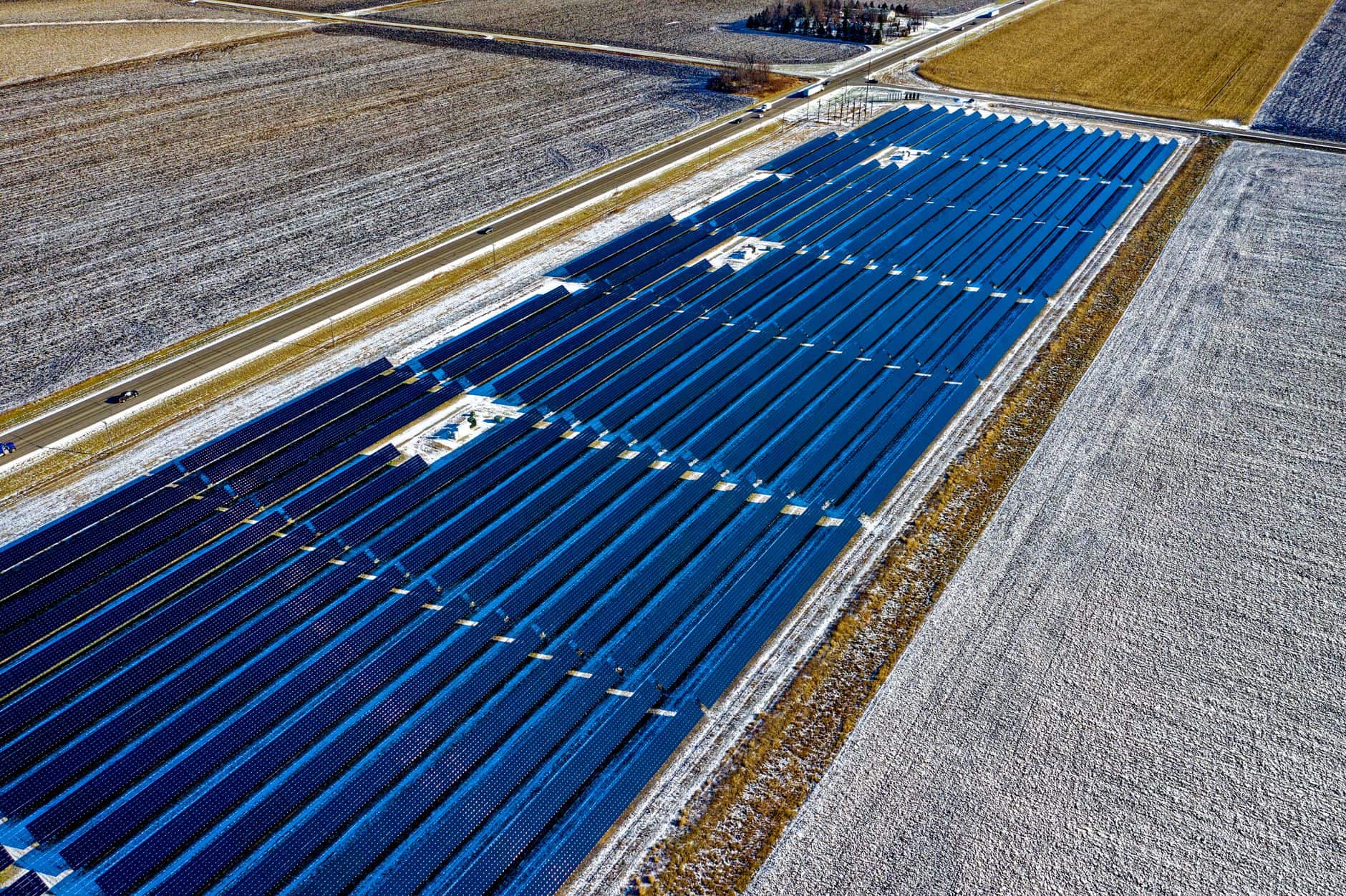
Vertical Agrivoltaics Boost Oat Yields
Swedish researchers found that oats grown under a vertical agrivoltaic system yielded more biomass than open‑field crops, showing that solar panels can boost agricultural productivity while generating electricity.

Europe Can Fit 614 GW Solar Within Demand
A new hour‑by‑hour analysis shows Europe can safely integrate 614 GW of solar PV – about 678 TWh a year – without any hour of over‑production, highlighting the need for grid flexibility and storage.
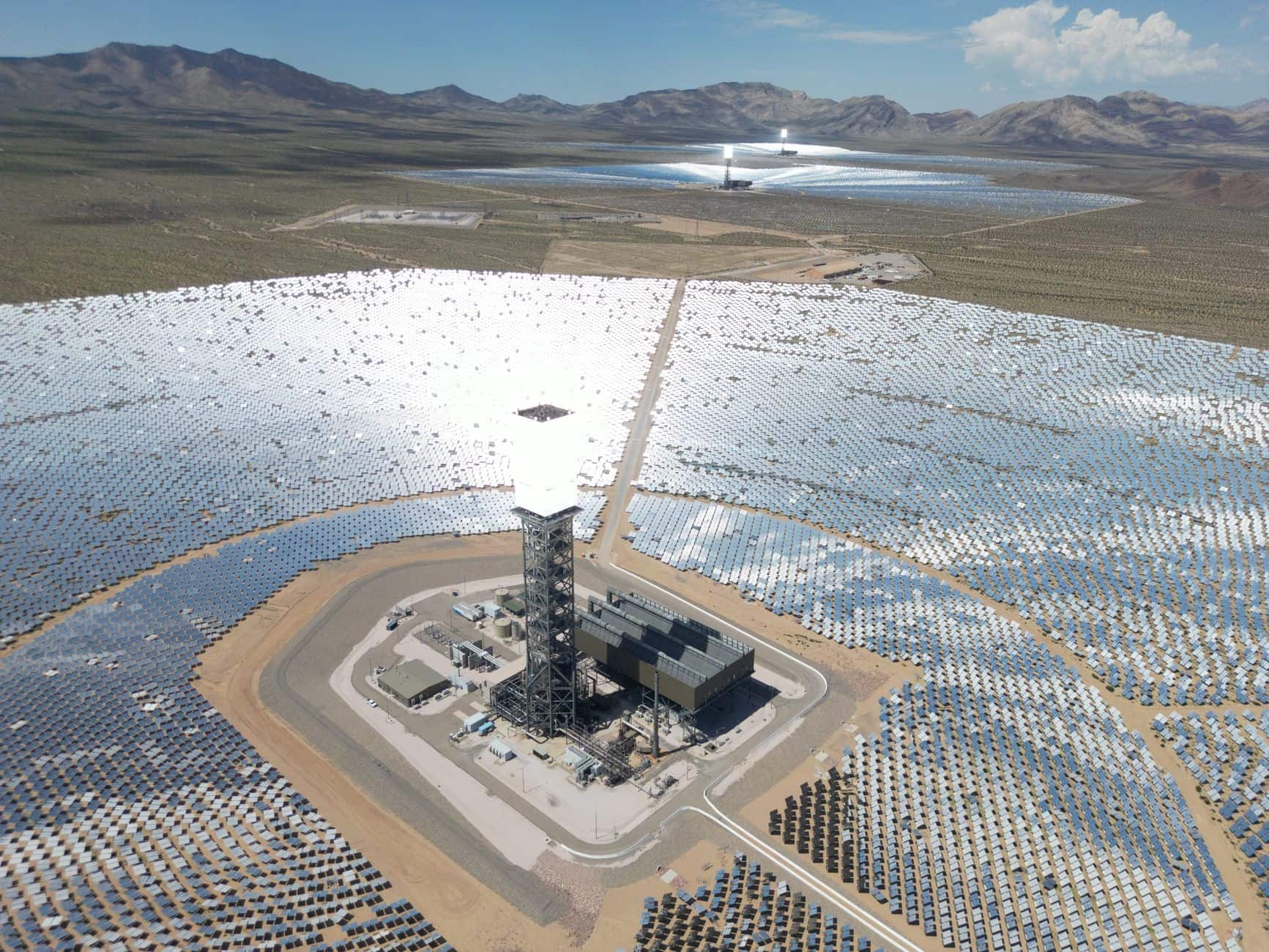
Spectral‑Selective Solar Panels Boost Agrivoltaic Yield
UNSW’s new spectrally selective semi‑transparent solar modules can raise agrivoltaic power output by up to 34% while still transmitting over 90% of the light needed for crops, offering Israeli farms an extra ~₪275,000 per year in revenue.
Heat Pumps Run Better in Cold, Boosting Savings
Real‑world UK data shows heat pumps can become significantly more efficient in colder weather when properly commissioned, boosting SPF and reducing energy bills.