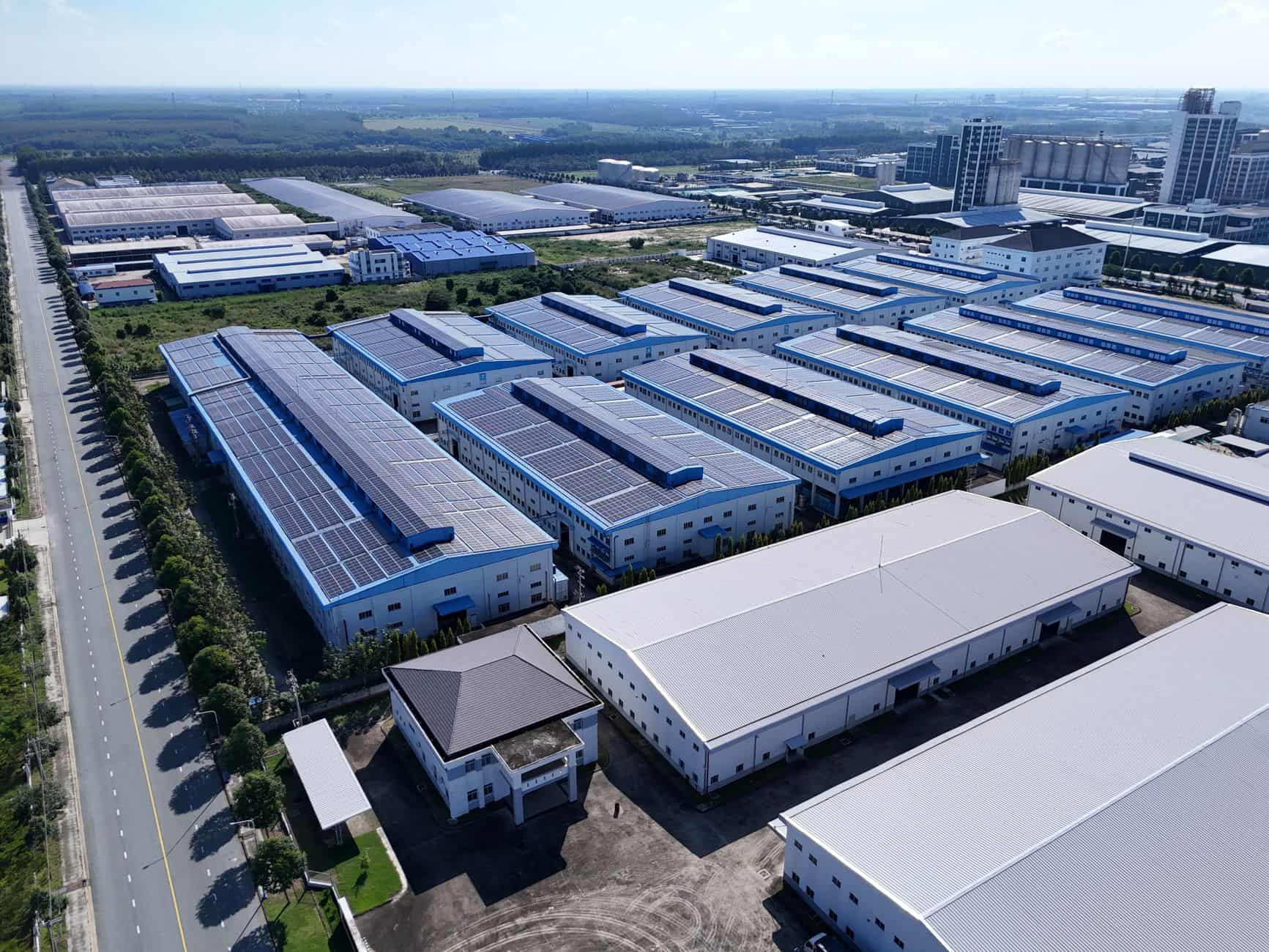
Flat‑Roof Inverter Rack Slashes Install Time
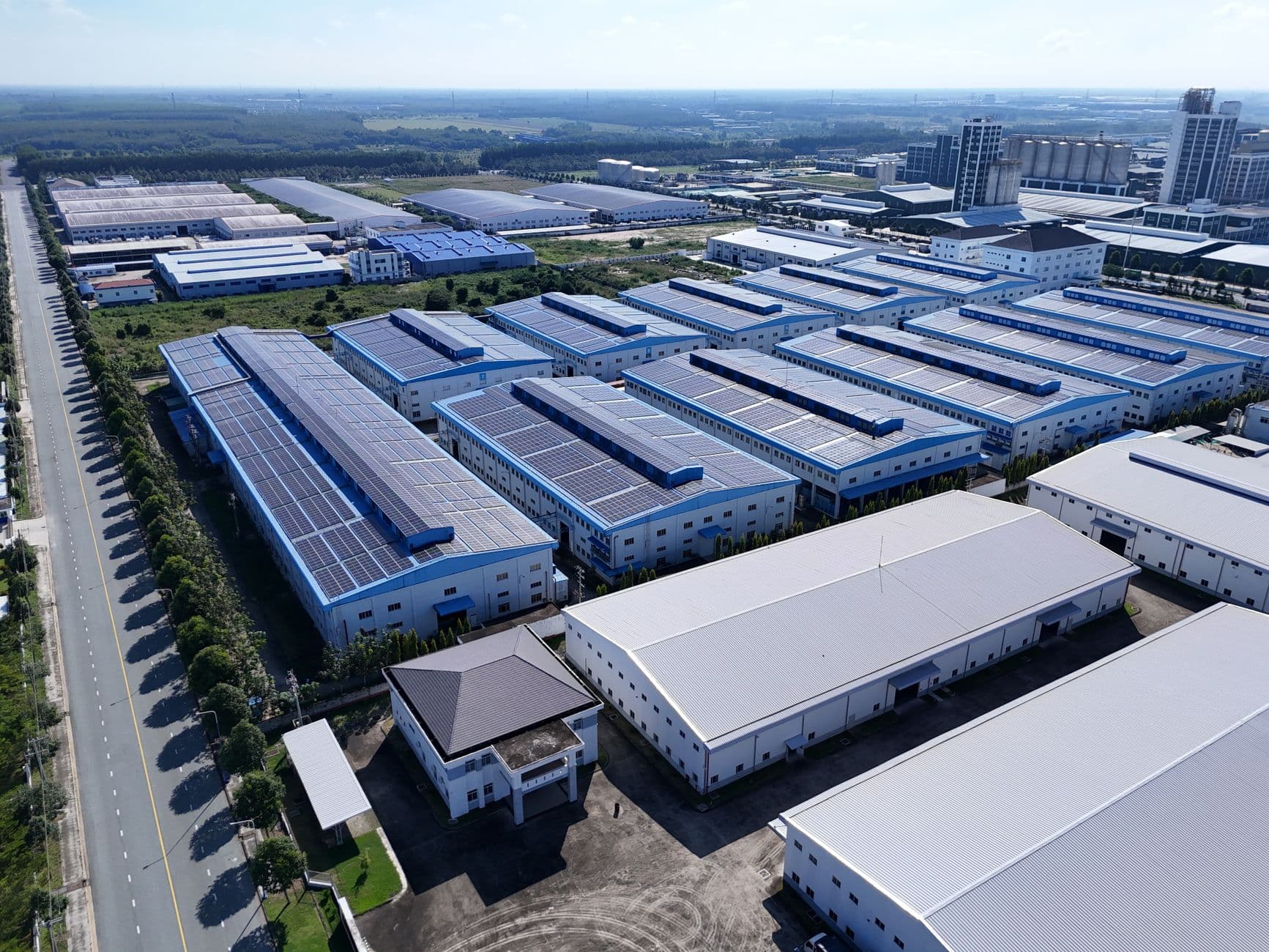
Opsun’s SunRail Inverter Rack cuts rooftop install time
Opsun Systems says its new SunRail Inverter Rack lets EPC contractors finish a commercial flat‑roof solar install in a fraction of the time needed for ad‑hoc inverter mounting. The pre‑assembled aluminum frame arrives ready to bolt onto the roof, eliminating the on‑site cutting and custom fabrication that have traditionally slowed C&I projects.
Engineered for harsh roof conditions
The rack is built from 6000‑series structural aluminum and secured with 306 stainless‑steel bolts, giving it a wind‑load rating of up to 180 mph and a snow‑load capacity of 100 psf (depending on configuration). Those limits meet the most demanding low‑slope sites, from the windy Gulf Coast to snowy northern rooftops. Opsun’s own performance sheet confirms the same numbers.
Modular design scales from 1 to 6 inverters per row
Each rack occupies 15 sq ft of roof space and weighs 60 lb, imposing a localized dead load of 5‑15 psf. The system can be stacked in rows that hold one to six inverter units, giving installers the flexibility to match any commercial string‑inverter layout without redesigning the mounting structure.
Compatibility with major three‑phase inverters
Opsun markets an optional folded‑aluminum Inverter Cover that snaps on like a car hood, keeping the inverter shaded while still allowing free airflow. The cover and rack are explicitly compatible with SolarEdge three‑phase inverters ranging from the SE80KUS to the SE120KUS models, and the base rails bolt onto standard commercial roof‑attachment systems such as OMG, U‑Anchor, S‑5! and Facet.
Market context: flat‑roof mounting growth
Flat‑roof mounting systems are on a rapid expansion curve. Global market analysts project the flat‑roof segment to grow from US$1.5 bn in 2024 to US$3.8 bn by 2034, a CAGR of roughly 9.5 %. In the United States alone, 2023 saw 32.4 GWdc of new solar capacity installed – a 51 % jump from the previous year – underscoring the demand for faster, more reliable mounting solutions.
What it means for Israel’s commercial rooftop market
For a typical Israeli commercial rooftop project, a 15 kW system in the central region would cost about ₪33,000 (15 kW × ₪2,200/kW) and generate roughly 25,500 kWh / yr (15 kW × 1,700 kWh/kW·yr). At the current commercial feed‑in tariff of ₪0.41/kWh, that translates to ≈₪10,455 / yr in revenue. A simple pay‑back period is therefore about 3.2 years (₪33,000 ÷ ₪10,455). By shaving labor time – the SunRail rack arrives pre‑assembled and needs only a few bolt‑down steps – installers can reduce the EPC portion of the budget, tightening the pay‑back window even further. Israeli EPC firms that adopt the SunRail system can therefore accelerate project delivery, meet the nation’s 30 % renewable‑energy target for 2030 sooner, and lower the overall cost of commercial solar.
Outlook and next steps
Opsun plans to ship the SunRail racks from its two North‑American plants in High Point, NC, and Cornwall, ON, and will showcase the product at upcoming trade shows such as Intersolar North America 2024. As flat‑roof mounting demand continues to surge worldwide, the combination of high‑load ratings, modular scalability, and plug‑and‑play inverter integration positions Opsun’s SunRail rack as a strong contender for the next wave of C&I solar deployments.
What it means for Israel – The pre‑assembled SunRail rack can trim installation labor by days, which in Israel’s fast‑moving commercial market translates into faster revenue generation and a tighter ROI. For a typical 15 kW rooftop, the pay‑back drops from the baseline 3.2 years to potentially under 3 years when labor savings are factored in, helping Israeli businesses meet the 20 % renewable target for 2025 and the longer‑term 30 % goal for 2030.
For a deeper dive into Israeli solar economics, try our solar ROI calculator or explore the latest market data on our data page.
Sources & further reading
FAQ
What is the SunRail Inverter Rack?
It is a pre‑assembled aluminum mounting system that holds string inverters on flat roofs, rated for 180 mph wind and 100 psf snow loads.
How much roof area does one rack use?
Each rack occupies about 15 sq ft of roof space.
Can the rack be used with SolarEdge inverters?
Yes, it is compatible with SolarEdge three‑phase inverters from SE80KUS to SE120KUS.
What is the typical installation cost for a 15 kW commercial system in Israel?
Around ₪33,000 (₪2,200 per kW).
How quickly can a 15 kW system pay for itself in Israel?
At the current commercial tariff (₪0.41/kWh) the pay‑back is roughly 3.2 years, and can be shorter with the SunRail rack’s labor savings.
Is the flat‑roof mounting market growing?
Yes, it is projected to double from US$1.5 bn in 2024 to US$3.8 bn by 2034 (≈9.5 % CAGR).
Share this post
More from Technology
6
AC‑Side V2H Boosts Home Solar Flexibility
The new Binary Series V2H system separates AC charging from DC discharge and permits charger‑inverter distances of up to 50 m, enhancing residential flexibility.
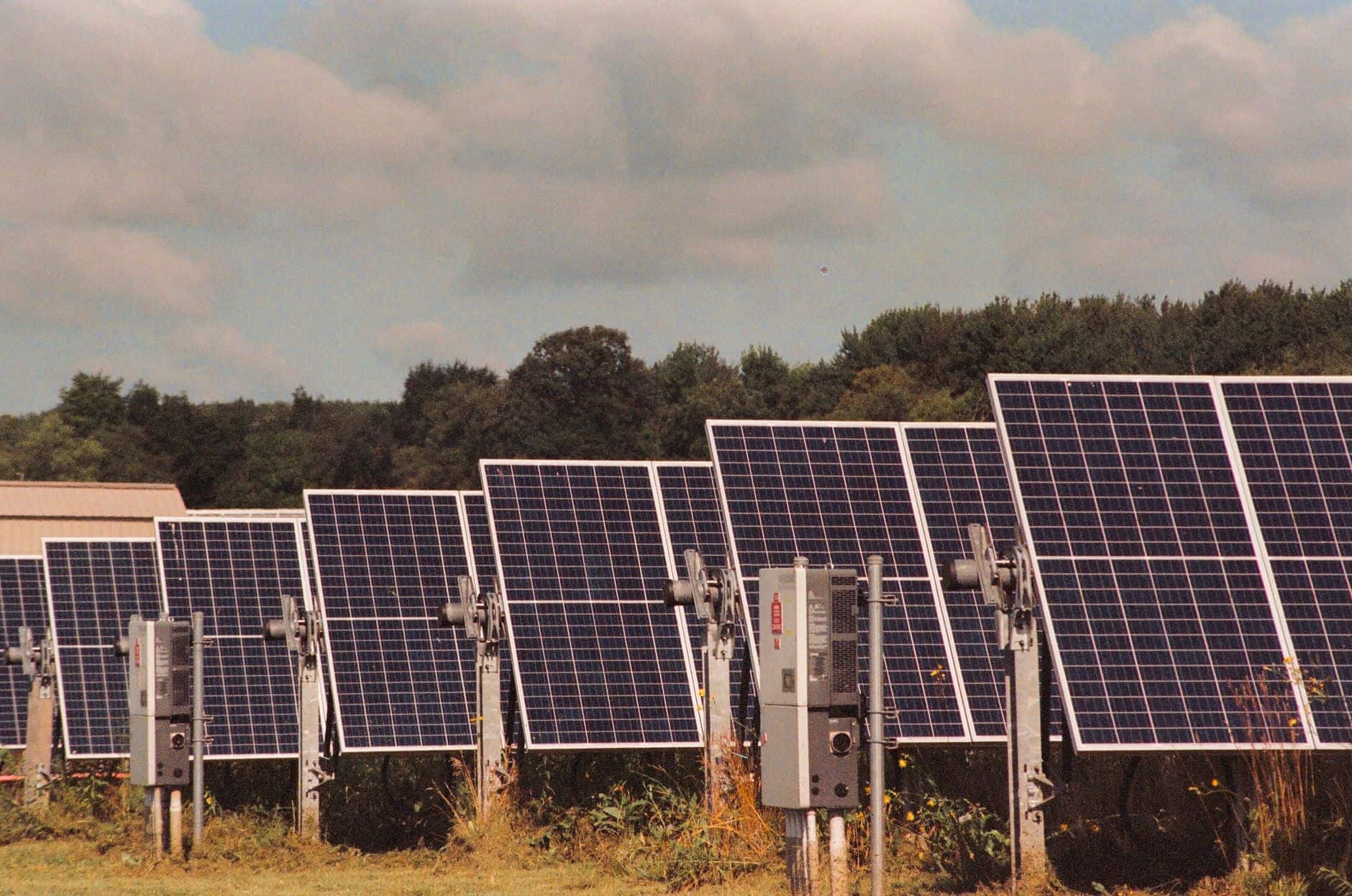
HeliomatiX Builds 1 MW Solar Farm in 8 Hours
Goldbeck Solar’s HeliomatiX automation can install up to 1 MW of PV in eight hours, cutting manual labour by 85 % and reshaping utility‑scale solar construction worldwide.

World Cup Match Slashes Brazil Power Use 20%
Brazil’s grid operator ONS expects a 15‑20% drop in electricity demand during the World Cup Round‑of‑16 match, prompting calls for greater system flexibility as solar and wind now dominate the mix.
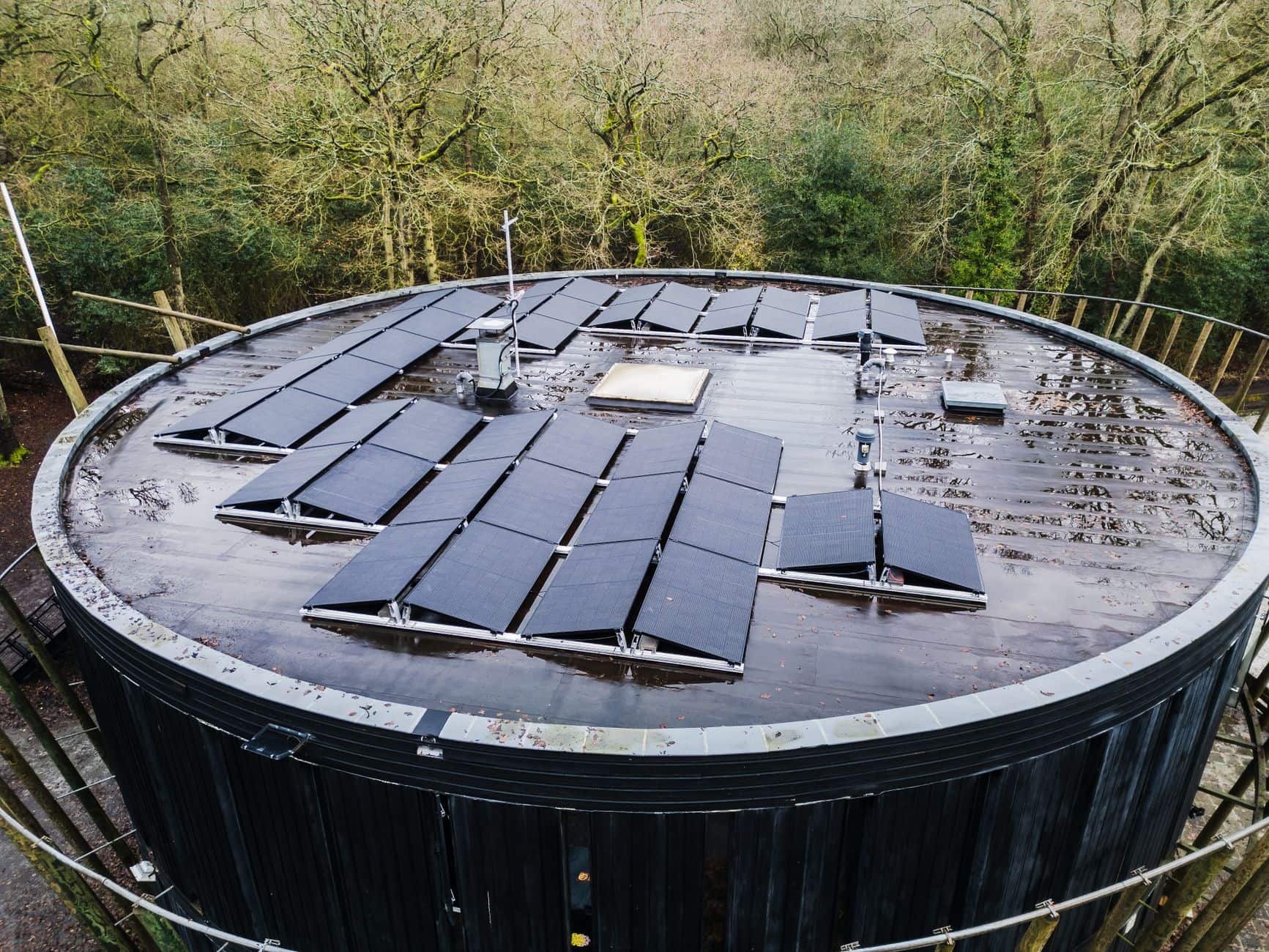
Kyocera Tests Flexible Perovskite Panels in Japan
Kyocera has started outdoor trials of Sekisui Chemical’s 15 % efficient, flexible perovskite solar modules at six Japanese sites, a step toward Japan’s 20 GW perovskite goal by 2040.

EcoFlow OASIS 3.0: AI Home Energy Manager
EcoFlow’s OASIS 3.0 AI‑driven home energy manager, launched at Intersolar 2026, optimises solar, storage, EV charging and heat‑pump use in real time, offering higher self‑consumption for homeowners.
Virtual Power Plants Are Powering US Homes
The U.S. virtual power plant market reached nearly 40 GW by mid‑2025, and a new Sunrun‑Tesla‑Renew Home partnership will aggregate 9 million homes to deliver 16.8 GW of flexible capacity, paying participants over $67 million in 2025.