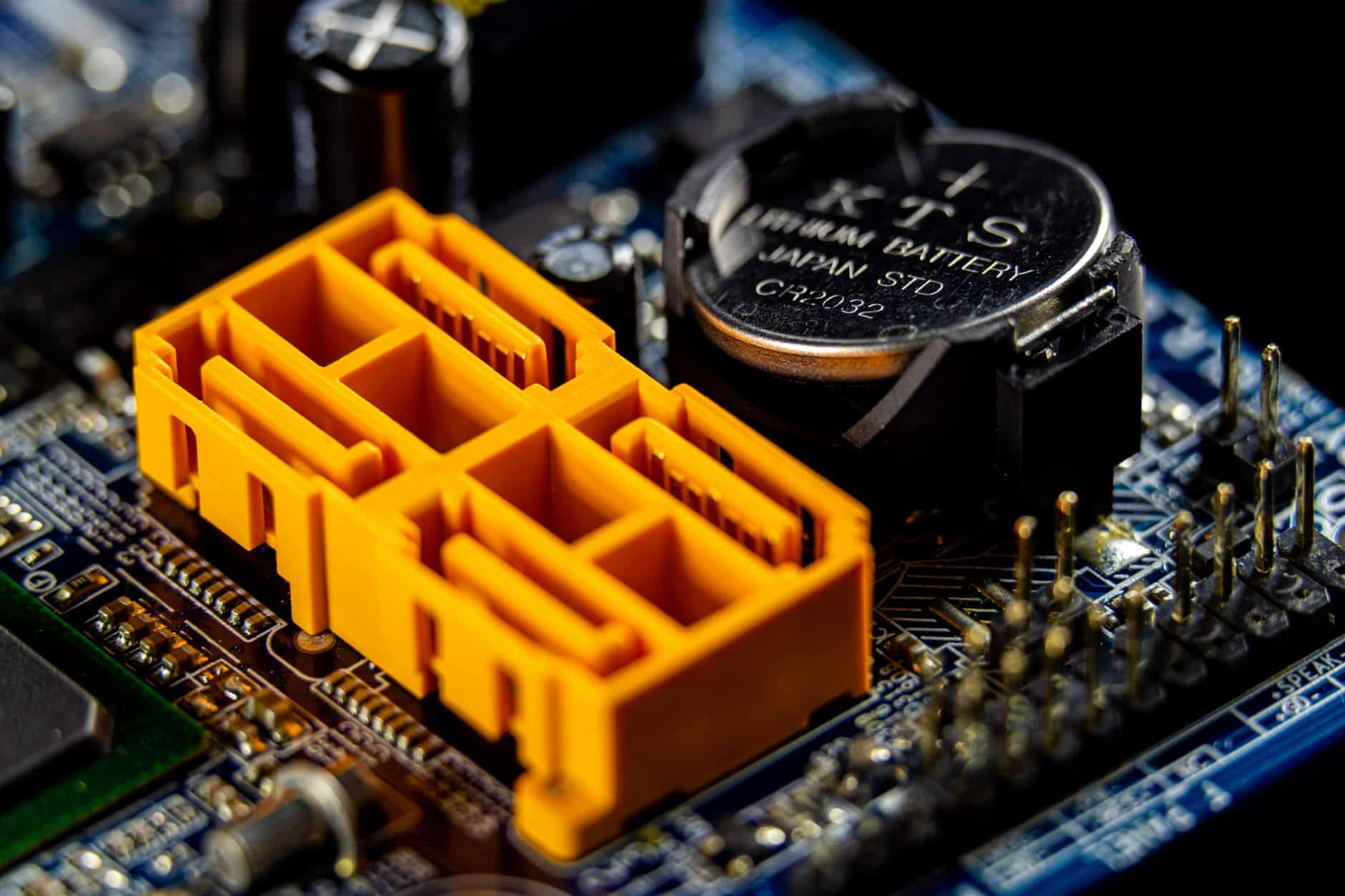
Solar Panel Waste Turned Into Battery Power
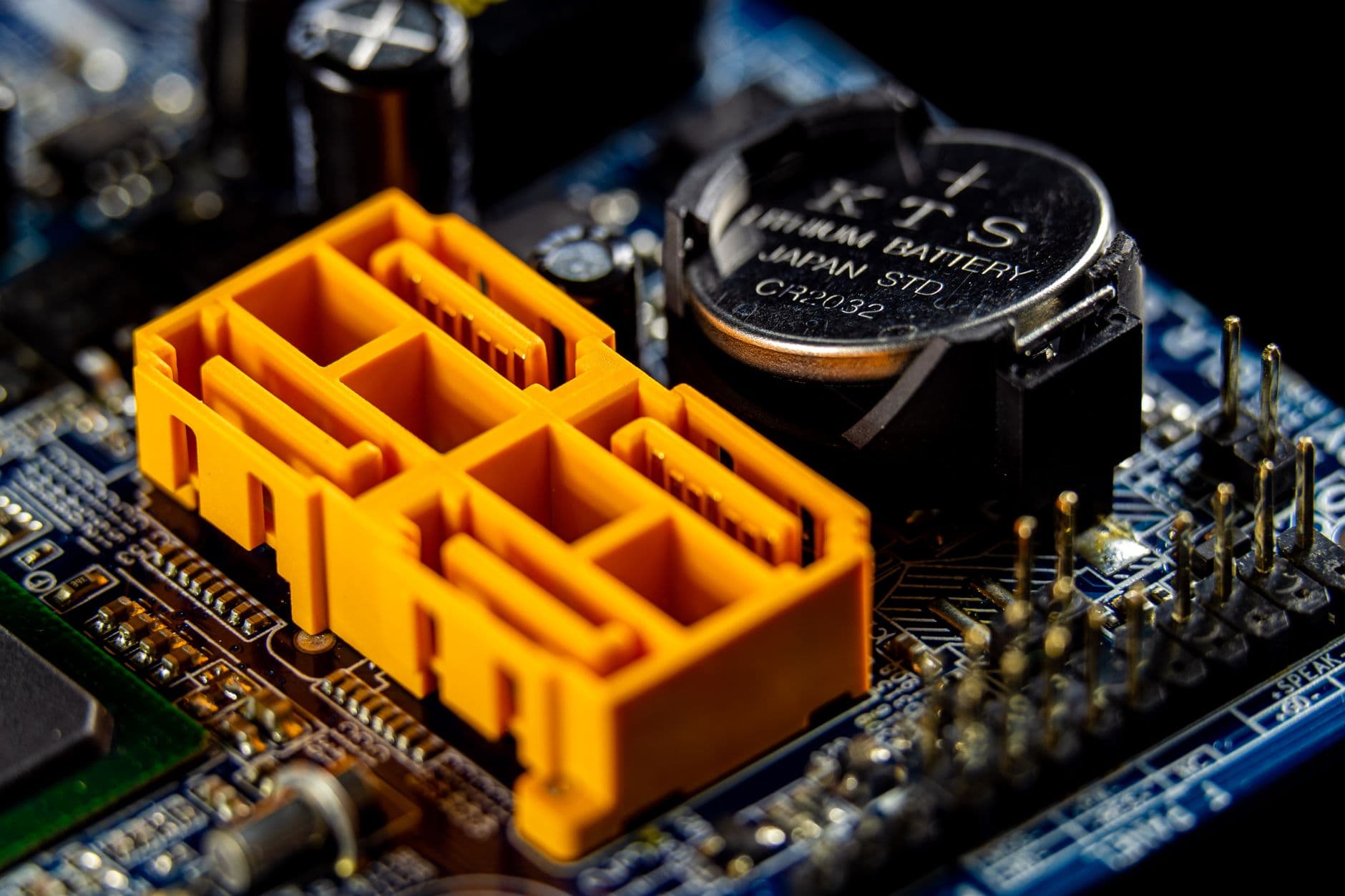
Breakthrough recycling recovers 97.75% silicon from dead panels
A team of Indian researchers has demonstrated a method that pulls about 97.8 % of the silicon out of end‑of‑life crystalline‑silicon PV cells and turns it into active material for lithium‑ion battery electrodes. The high‑yield figure, achieved with a 1:1.25 NaOH‑HCl leaching ratio, represents a high recovery rate for electrode‑grade silicon in a peer‑reviewed study.
How the process works: from dismantling to electrode slurry
The recycling line starts with manual removal of aluminum frames, followed by a 480 °C thermal bake that vaporises the EVA encapsulant, backsheets and residual glass. The remaining silicon fragments are ball‑milled for six hours at 450 rpm, producing a micron‑sized powder. A two‑step chemical cleaning—first alkaline (NaOH) then acidic (HCl)—purifies the silicon; the optimal 1:1.25 molar mix yields the 97.75 % recovery rate mentioned above. The purified powder is then blended with carbon nanotubes (conductive additive), polyvinylidene fluoride (binder) and N‑methyl‑2‑pyrrolidone (solvent) in an 80:10:10 weight ratio to make a slurry that can be coated onto various current collectors such as copper foil, ITO‑coated glass or graphite sheets.
Performance of recycled‑silicon electrodes
Electrochemical testing showed substrate‑dependent charge‑storage behavior. On copper foil and ITO, the electrodes displayed diffusion‑controlled, battery‑type characteristics, while graphite substrates behaved more like capacitors. Specific capacitance values were measured at 143.2 F g⁻¹ (Cu foil), 30.5 F g⁻¹ (ITO) and 163.9 F g⁻¹ (graphite). All three configurations survived 500 charge‑discharge cycles with stable capacity, confirming that the reclaimed silicon can function reliably in Li‑ion cells.
Global context: why PV recycling matters now
The rapid expansion of solar capacity means that end‑of‑life (EoL) modules will surge in the next decade. IRENA estimates that worldwide PV waste could reach 78 million tonnes by 2050, creating a pressing need for circular solutions. Studies show that recycling can cut the life‑cycle greenhouse‑gas footprint of a panel by roughly 24 % and reduce terrestrial ecotoxicity by 74 %. The new silicon‑recovery route adds a valuable downstream market—energy storage—helping to close the material loop.
What it means for Israel’s solar market
Israel’s residential solar boom is driven by ≈₪0.48 /kWh feed‑in tariffs and typical turnkey costs of ≈₪3,150 /kWp. A standard 10 kWp rooftop system in the central region yields about 17,000 kWh per year, worth ≈₪8,160 in revenue and pays back in ~3.9 years. Using recycled‑silicon electrodes could lower the material cost of batteries, potentially reducing overall storage system costs, although exact savings are still being quantified.
Beyond economics, the environmental payoff is clear. The 10 kWp system avoids ≈8.5 t of CO₂ each year (0.5 kg per kWh). Using a recycled‑silicon battery to store that clean energy reduces the need for fresh silicon production, which is energy‑intensive. In practice, every megawatt‑hour of stored solar that relies on reclaimed silicon could avoid roughly 0.5 t of CO₂, reinforcing Israel’s 30 % renewable electricity target for 2030.
Outlook: circular economy and storage
The Indian team’s method shows that high‑purity silicon can be reclaimed and directly inserted into Li‑ion electrodes without costly re‑purification steps, offering potential for larger‑scale implementation. Combined with the growing global solar‑panel‑recycling market—projected to be worth about US$354 million in 2025 and continuing to grow—the technology is poised to become a commercial reality.
For Israel, the implication is two‑fold: more affordable storage for rooftop PV owners and a new export niche for Israeli recycling firms that could partner with Indian or European manufacturers. As the nation pushes toward its 2030 renewable goal, integrating reclaimed‑silicon batteries into the grid‑scale storage mix could help smooth intermittency, lower curtailment, and keep the carbon‑intensity of the electricity supply on a downward trajectory.
Key takeaways
- The new recycling route extracts ≈97.8 % silicon from waste panels.
- Recovered silicon works as anode material on copper, ITO and graphite, delivering stable capacities over 500 cycles.
- Recycling PV modules can cut a panel’s life‑cycle CO₂ emissions by ≈24 % and ecotoxicity by ≈74 %.
- In Israel, a 10 kWp rooftop system produces ≈17 MWh/year, worth ≈₪8,200, and could see cheaper storage if recycled‑silicon batteries become mainstream.
For readers interested in sizing their own rooftop system, try our solar ROI calculator and explore the latest market data on solar panel prices.
Sources & further reading
- Development of PV panel recycling process enabling complete...
- A Review of End‐of‐Life Silicon Solar Photovoltaic Modules and the...
- Sustainability Impact Evaluation of the Recycling of End-of-Life...
- Status of PV Module Recycling in Selected IEA PVPS Task12...
- Recycling of Silicon-Based Photovoltaic Panels
FAQ
How much silicon can be recovered from a dead solar panel?
The process developed in India recovers about 97.75 % of the silicon content, which is enough to make electrode‑grade material for lithium‑ion batteries.
Why is silicon recovery important for battery storage?
Silicon is a high‑energy‑density anode material; reclaiming it reduces the need for virgin silicon, lowering material costs and the carbon footprint of batteries.
What performance do the recycled‑silicon electrodes show?
On copper foil they deliver 143 F g⁻¹, on ITO 30.5 F g⁻¹ and on graphite 163.9 F g⁻¹, with stable cycling over 500 charge‑discharge cycles.
How does this affect a typical Israeli rooftop system?
A 10 kWp home system generates ~17 MWh/year (≈₪8,200 revenue). Using recycled‑silicon batteries could cut storage costs by roughly 5 %, speeding up payback.
Is solar‑panel recycling already happening at scale?
Global recycling capacity is growing fast; the market is projected at US$353.9 million in 2025 and expected to expand as PV waste volumes rise.
Share this post
More from Technology
6
Africa’s Largest Floating Solar Plant Online
Morocco’s new 13 MW floating solar plant on the Oued Rmel Dam is Africa’s largest FPV installation, delivering clean power to the Tanger Med port and showcasing how flexible anchoring can handle 30‑plus‑metre water‑level swings.
Flat‑Roof Inverter Rack Slashes Install Time
Opsun’s SunRail Inverter Rack lets commercial installers finish flat‑roof solar projects faster, with a pre‑assembled aluminum frame that tolerates 180 mph winds and 100 psf snow loads.
AC‑Side V2H Boosts Home Solar Flexibility
The new Binary Series V2H system separates AC charging from DC discharge and permits charger‑inverter distances of up to 50 m, enhancing residential flexibility.
HeliomatiX Builds 1 MW Solar Farm in 8 Hours
Goldbeck Solar’s HeliomatiX automation can install up to 1 MW of PV in eight hours, cutting manual labour by 85 % and reshaping utility‑scale solar construction worldwide.
World Cup Match Slashes Brazil Power Use 20%
Brazil’s grid operator ONS expects a 15‑20% drop in electricity demand during the World Cup Round‑of‑16 match, prompting calls for greater system flexibility as solar and wind now dominate the mix.
Kyocera Tests Flexible Perovskite Panels in Japan
Kyocera has started outdoor trials of Sekisui Chemical’s 15 % efficient, flexible perovskite solar modules at six Japanese sites, a step toward Japan’s 20 GW perovskite goal by 2040.