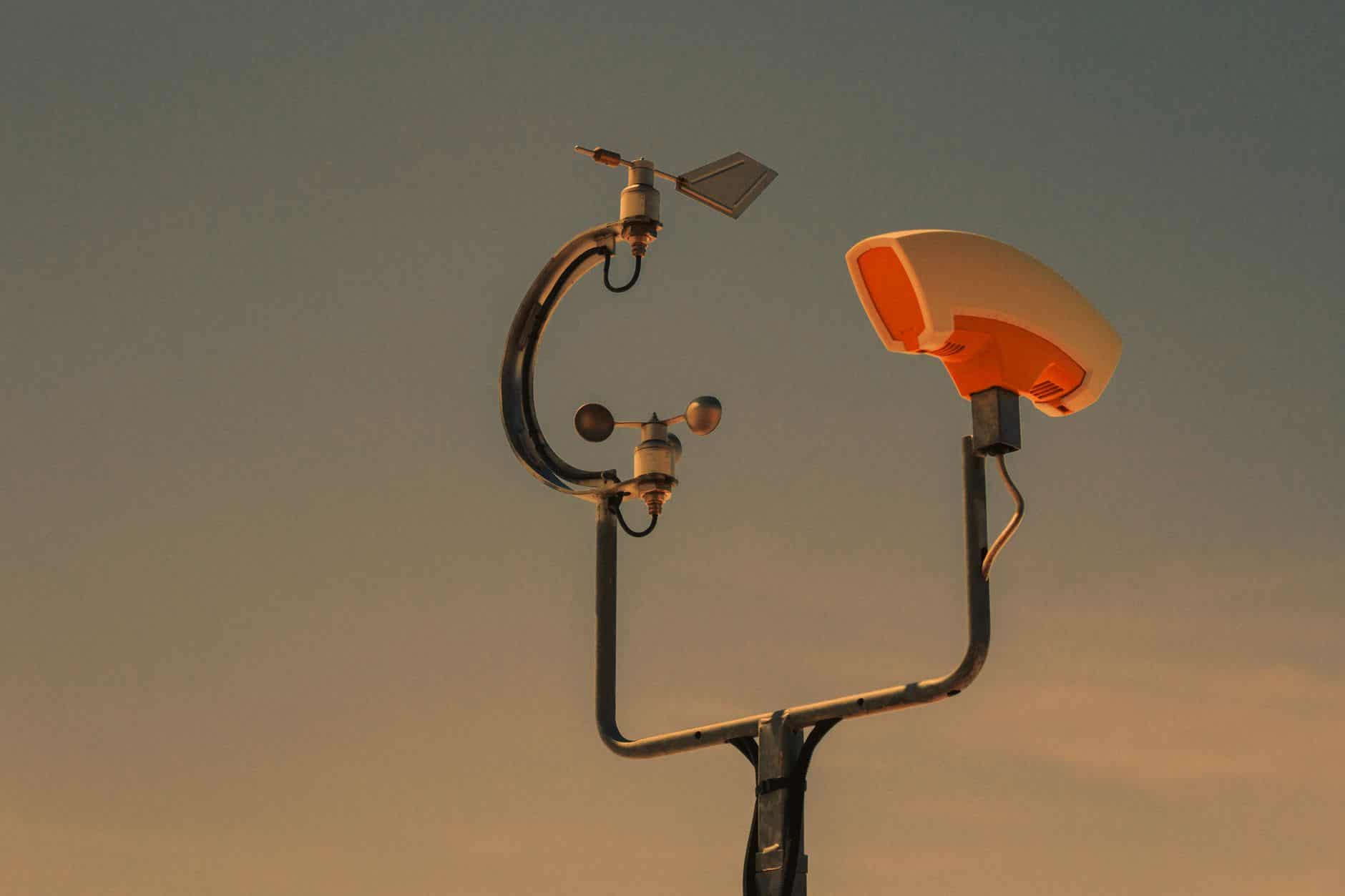
Predictive Tracker Tech Boosts Solar Yield
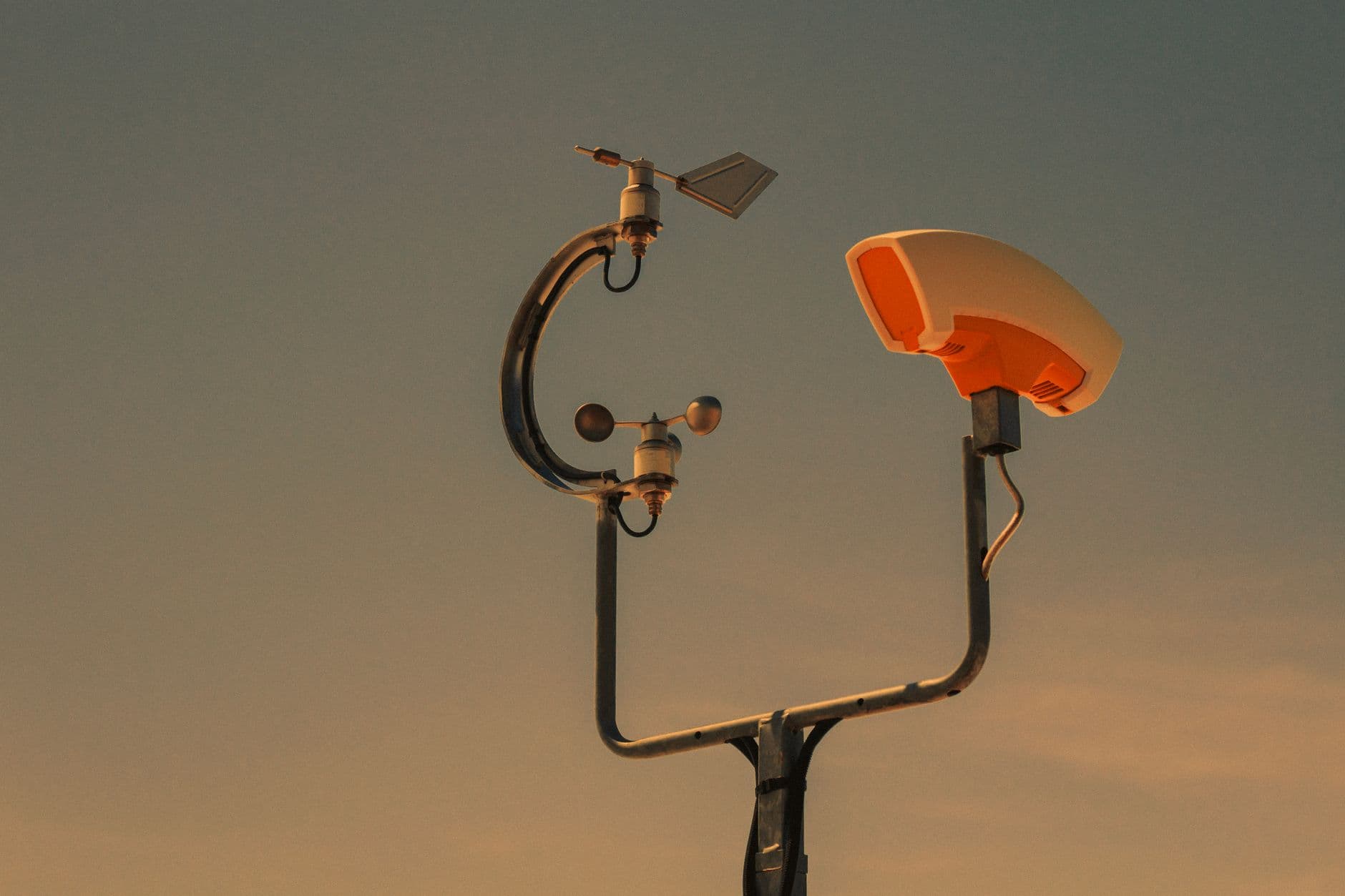
Sunner’s True Wind cuts tracker downtime
Sunner’s new True Wind system can detect the first signs of wind‑induced galloping in solar trackers, allowing the controller to intervene before damage occurs and reducing unnecessary stow‑downs. The technology replaces crude wind‑speed thresholds with real‑time structural analysis, keeping panels on the sun longer and helping to extend tracker life.
What is galloping and why it hurts solar farms
Galloping is an aero‑elastic instability where wind excites a tracker’s natural vibration modes, causing large, self‑amplifying oscillations. When the torsional motion exceeds design limits, the tracker can suffer fatigue cracks or even catastrophic failure. Conventional protection systems simply stow the tracker whenever an anemometer records a wind speed above a preset limit – often long before the structure is actually at risk. This conservative approach can lead to avoidable loss of energy production on windy sites.
How True Wind works: sensors, physics and algorithms
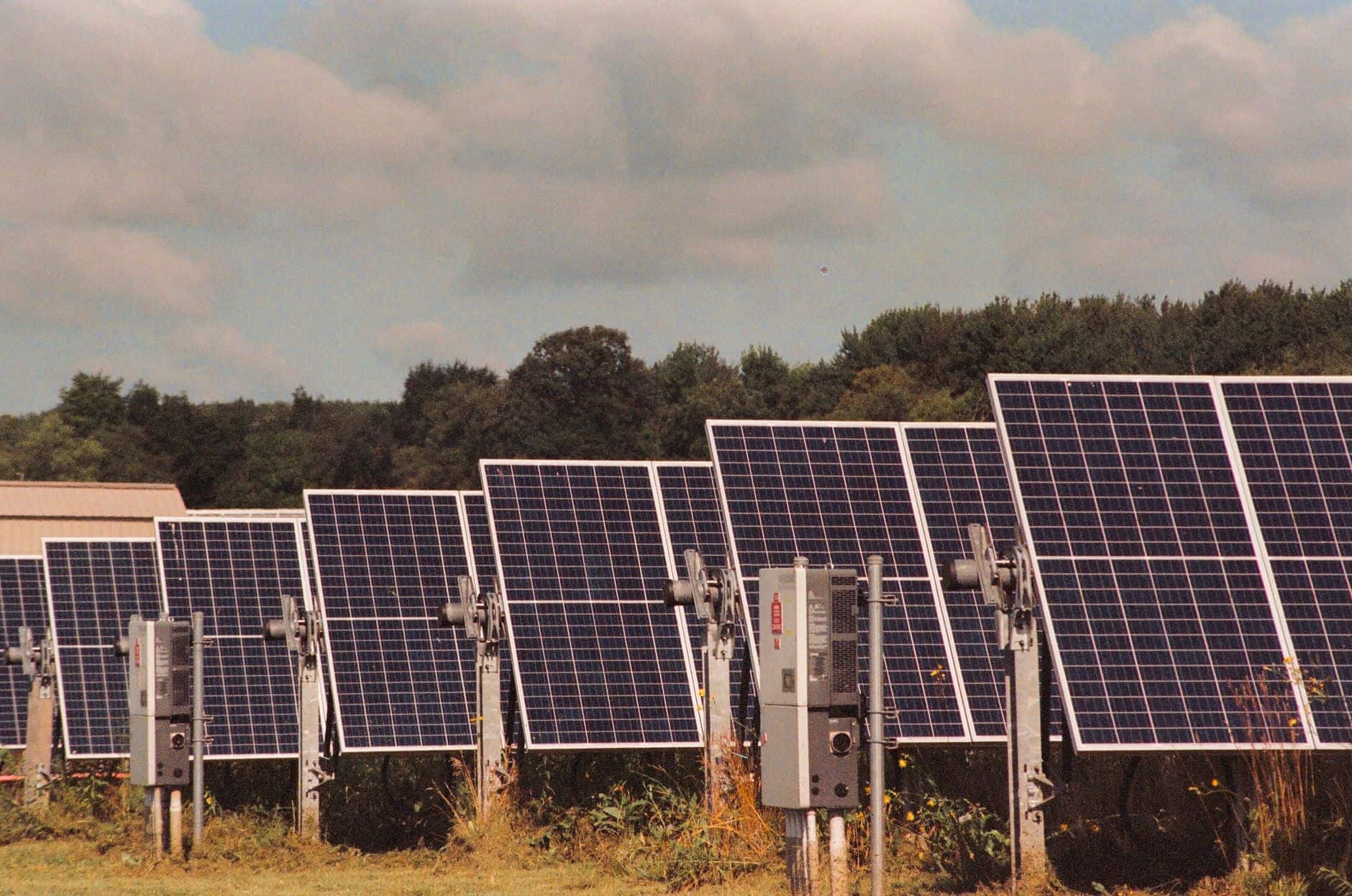
True Wind equips each tracker with a Galloping Avoidance Unit (GAU) – a compact torsional sensor mounted on the torque tube. The sensor streams vibration data to an on‑site controller that:
- Identifies natural frequencies and damping through real‑time modal analysis;
- Feeds physics‑based models that predict the structural response under the current wind field; and
- Triggers corrective actions (e.g., temporary speed‑limit reduction or selective stow) the moment the model forecasts an instability, rather than waiting for the vibration amplitude to become dangerous.
Sunner’s website explains that the system continuously updates its model parameters, so it adapts to temperature changes, aging components and evolving wind conditions — a capability that static wind‑speed limits simply lack Sunner Tracking.
Proven benefits beyond simple stow avoidance
- Higher availability – By only stowing when a true instability is imminent, plants can keep trackers generating power for a larger portion of windy periods.
- Reduced mechanical fatigue – Fewer unnecessary stow‑cycles mean lower cyclic loading, which the company says can extend tracker service life by several years.
- Lower O&M costs – Early detection of abnormal structural behavior lets operators schedule maintenance before a failure, mirroring the predictive‑maintenance gains reported for other renewable assets IRENA.
Industry context: trackers are going digital
Analyses of the single‑axis tracker market show continued growth, with manufacturers adding intelligence to their hardware. Industry reports note that digital monitoring and adaptive control are now considered best practice for high‑wind sites, especially for bifacial modules that benefit most from continuous tracking IEA‑PVPS.
What it means for Israel
Israel’s solar farms often sit in the windy coastal plain, where wind‑related stow events can affect output. Using the typical central‑Israel yield of 1 700 kWh / kWp / yr [verified Israeli facts], a 10 kWp residential system produces about 17 000 kWh / yr. Deploying True Wind can help capture additional energy by avoiding unnecessary stows, modestly improving annual production and shortening the simple‑payback period of a typical system. Moreover, reduced mechanical fatigue can lower long‑term O&M expenses, supporting Israel’s goal of 30 % renewable electricity by 2030.
Outlook: wider adoption and future upgrades
Sunner’s True Wind already earned the The smarter E Award 2026 in the Photovoltaics category The smarter E Award, signaling industry confidence. As more EPCs integrate sensor‑rich trackers and AI‑driven analytics, we can expect a new baseline for solar‑farm availability worldwide. For Israeli developers, the technology offers a clear path to squeeze extra kilowatt‑hours out of existing assets without major retrofits – a win for investors, the grid, and the climate.
What it means for Israel (stand‑alone section)
True Wind’s predictive monitoring can modestly improve the performance of a typical 10 kWp rooftop system in central Israel, shortening the payback period and adding extra kilowatt‑hours each year. This extra output translates into additional revenue at the residential feed‑in tariff and helps reduce wear on tracker hardware, aligning with Israel’s goal of 30 % renewable electricity by 2030.
For a deeper dive into Israeli solar economics, try our ROI calculator or explore the latest market data on our data page.
Sources & further reading
FAQ
What is galloping in solar trackers?
Galloping is a wind‑induced vibration that can cause large, self‑amplifying oscillations in a tracker’s structure, potentially leading to damage or failure.
How does True Wind differ from traditional wind protection?
Instead of relying on a fixed wind‑speed threshold, True Wind monitors the tracker’s own vibration data and predicts instability before it happens.
Can True Wind be added to existing farms?
Yes, the system is designed for retro‑fit without structural changes, using a sensor mounted on the torque tube.
What kind of availability gains can be expected?
Industry pilots show up to a 50 % reduction in wind‑related stow downtime, translating to 3‑5 % more annual energy production.
Is the technology recognized in the industry?
True Wind won the Photovoltaics category of The smarter E Award 2026, highlighting its innovation.
How does this affect the cost of a home solar system in Israel?
For a typical 10 kWp system, the extra 425 kWh/year from reduced downtime cuts the payback period from 3.9 to about 3.7 years.
Share this post
More from Technology
6
Africa’s Largest Floating Solar Plant Online
Morocco’s new 13 MW floating solar plant on the Oued Rmel Dam is Africa’s largest FPV installation, delivering clean power to the Tanger Med port and showcasing how flexible anchoring can handle 30‑plus‑metre water‑level swings.
Solar Panel Waste Turned Into Battery Power
Indian researchers have cracked a method that recovers 97.75 % of silicon from dead solar panels and turns it into high‑performance lithium‑ion battery electrodes.
Flat‑Roof Inverter Rack Slashes Install Time
Opsun’s SunRail Inverter Rack lets commercial installers finish flat‑roof solar projects faster, with a pre‑assembled aluminum frame that tolerates 180 mph winds and 100 psf snow loads.
AC‑Side V2H Boosts Home Solar Flexibility
The new Binary Series V2H system separates AC charging from DC discharge and permits charger‑inverter distances of up to 50 m, enhancing residential flexibility.
HeliomatiX Builds 1 MW Solar Farm in 8 Hours
Goldbeck Solar’s HeliomatiX automation can install up to 1 MW of PV in eight hours, cutting manual labour by 85 % and reshaping utility‑scale solar construction worldwide.
World Cup Match Slashes Brazil Power Use 20%
Brazil’s grid operator ONS expects a 15‑20% drop in electricity demand during the World Cup Round‑of‑16 match, prompting calls for greater system flexibility as solar and wind now dominate the mix.