Africa’s Largest Floating Solar Plant Online
Africa’s biggest floating PV plant now powers Tanger Med
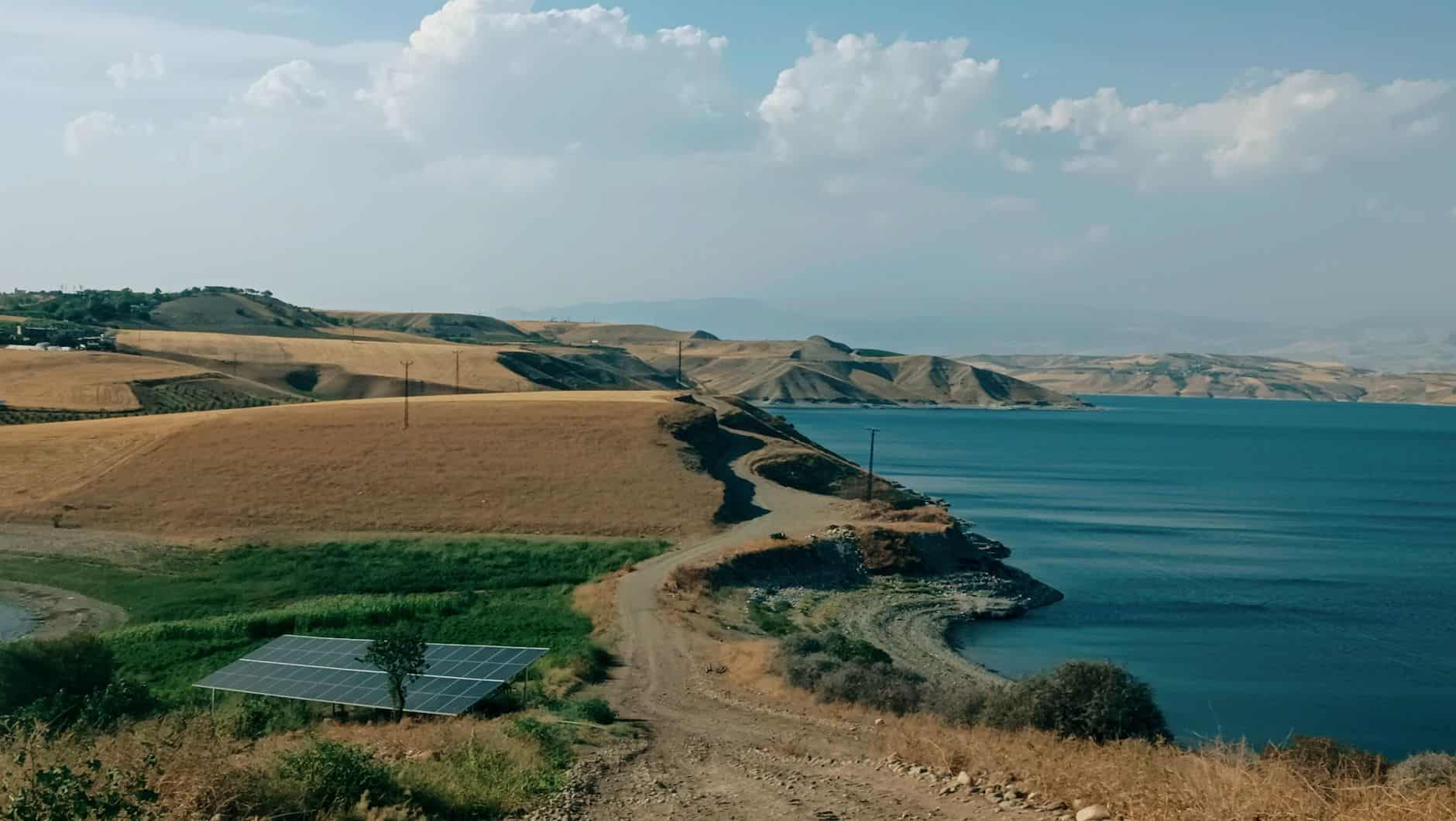
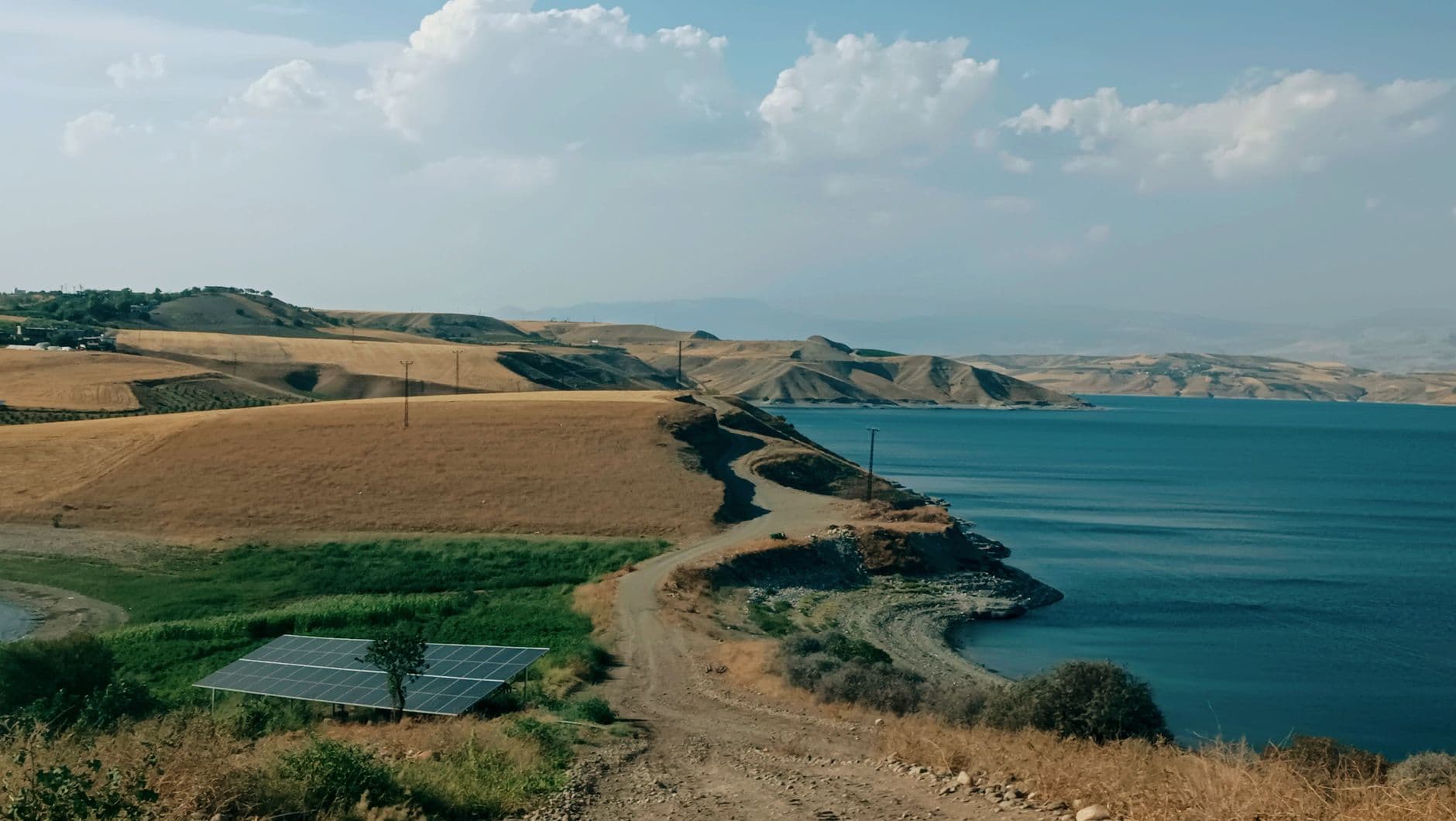
The 13 MW floating photovoltaic (FPV) installation on the Oued Rmel Dam reservoir is officially the largest operational floating solar plant in Africa, delivering clean electricity directly to the industrial and port facilities of Tanger Med.
Project at a glance – capacity, size and design
The Moroccan plant covers 72,870 m² split into three floating islands, each anchored to cope with the reservoir’s 44 m water‑level swing (35 m‑79 m). 13 MW of solar modules, inverters and a dedicated sub‑station were supplied by H air PX, the construction arm of France’s H2air Group. The civil‑engineering work was handled by EnergyDesign, while Seaflex provided the flexible anchoring system and Profloating supplied the buoyant platform.
Why floating matters – land‑scarce, water‑saving, fast‑track
Floating solar avoids the need for valuable land, a crucial advantage in water‑rich but space‑poor regions. Global market research estimates the FPV market was $50.8 million in 2024 and is projected to grow at a 15‑25 % CAGR through 2030, driven by emerging markets in Africa, Southeast Asia and South America. Besides land‑use efficiency, studies show FPV can cut water‑evaporation, preserving freshwater resources while generating power.
Tackling the 44‑metre water‑level challenge
Most FPV projects sit on relatively stable lakes; the Oued Rmel reservoir’s extreme fluctuation demanded a custom solution. Seaflex’s mooring system uses adjustable tension lines that automatically compensate for rising or falling water, while the Profloating pontoons feature a flexible frame that keeps the panels level regardless of depth. This engineering feat ensures continuous performance and protects the modules from mechanical stress.
Africa’s floating solar landscape
Morocco joins a growing list of African FPV sites: Ghana’s 5 MW Bui Dam plant, pilot installations in South Africa, Kenya, Tunisia and Burundi, and several smaller projects on irrigation ponds. The continent’s total installed FPV capacity is still modest, but the rapid rollout reflects a regional push for renewable energy and the desire to exploit under‑used water bodies.
Environmental impact – a carbon‑saving powerhouse
Assuming a typical Moroccan solar yield of 1,800 kWh kW⁻¹ yr⁻¹, the 13 MW plant can generate roughly 23 GWh per year. At the standard estimate of 0.5 kg CO₂ avoided per kWh, the installation prevents about 11,500 tonnes of CO₂ emissions annually, equivalent to taking 2,500 cars off the road each year.
What it means for Israel – a quick back‑of‑the‑envelope case
If Israel built a similar 13 MW floating plant on a suitable reservoir, the expected annual output would be:
- Generation: 13 MW × 1,950 kWh kW⁻¹ yr⁻¹ (South‑region yield) ≈ 25 GWh
- Revenue at residential tariff (₪0.48/kWh): 25 GWh × ₪0.48 ≈ ₪12 million per year
- Installation cost (typical residential rate ₪3,150/kWp): 13,000 kW × ₪3,150 ≈ ₪41 million
- Simple pay‑back: roughly 3‑4 years
These figures illustrate that a floating solar project can be financially attractive while freeing up land for other uses.
Outlook – floating solar set to surge
The IEA‑PVPS notes that floating PV standards are still evolving, but the technology’s rapid cost decline and proven performance are spurring larger utility‑scale deployments. Morocco’s 13 MW plant demonstrates that high‑fluctuation reservoirs are no longer a barrier, opening the door for dozens of similar projects across the country’s many dams and reservoirs.
What it means for Israel
Floating solar offers Israel a way to add gigawatts of clean power without competing for scarce land. Using typical yields and tariffs, a large floating fleet could generate substantial electricity and pay back in roughly 3‑4 years, contributing toward the 30 % renewable electricity target for 2030.
For readers interested in sizing a rooftop system, try our solar ROI calculator. For broader market data, see our solar data hub.
Sources & further reading
FAQ
How large is the new floating solar plant in Morocco?
It has a capacity of 13 MW, spread over three floating islands covering roughly 73,000 m².
Why are floating solar panels useful?
They use water surfaces instead of land, reduce water evaporation, and can be installed where terrain makes ground‑mounts difficult.
What challenges does a reservoir with big water‑level changes pose?
The plant needs flexible anchoring and flotation systems that can adjust to a 44 m swing, which the Moroccan project achieved with Seaflex’s mooring lines and Profloating’s adaptable pontoons.
How much CO₂ does the Moroccan plant avoid each year?
At an estimated 1,800 kWh per kW per year, the 13 MW plant avoids roughly 11,500 tonnes of CO₂ annually.
Could Israel benefit from floating solar?
Yes – a 13 MW floating farm in Israel would generate about 25 GWh a year, worth ~₪12 million, and could pay back in just over three years.
What’s the global outlook for floating solar?
The market was $50.8 million in 2024 and is expected to grow at 15‑25 % CAGR through 2030, driven by projects in Africa, Asia and South America.
Share this post
More from Technology
6
Solar Panel Waste Turned Into Battery Power
Indian researchers have cracked a method that recovers 97.75 % of silicon from dead solar panels and turns it into high‑performance lithium‑ion battery electrodes.
Flat‑Roof Inverter Rack Slashes Install Time
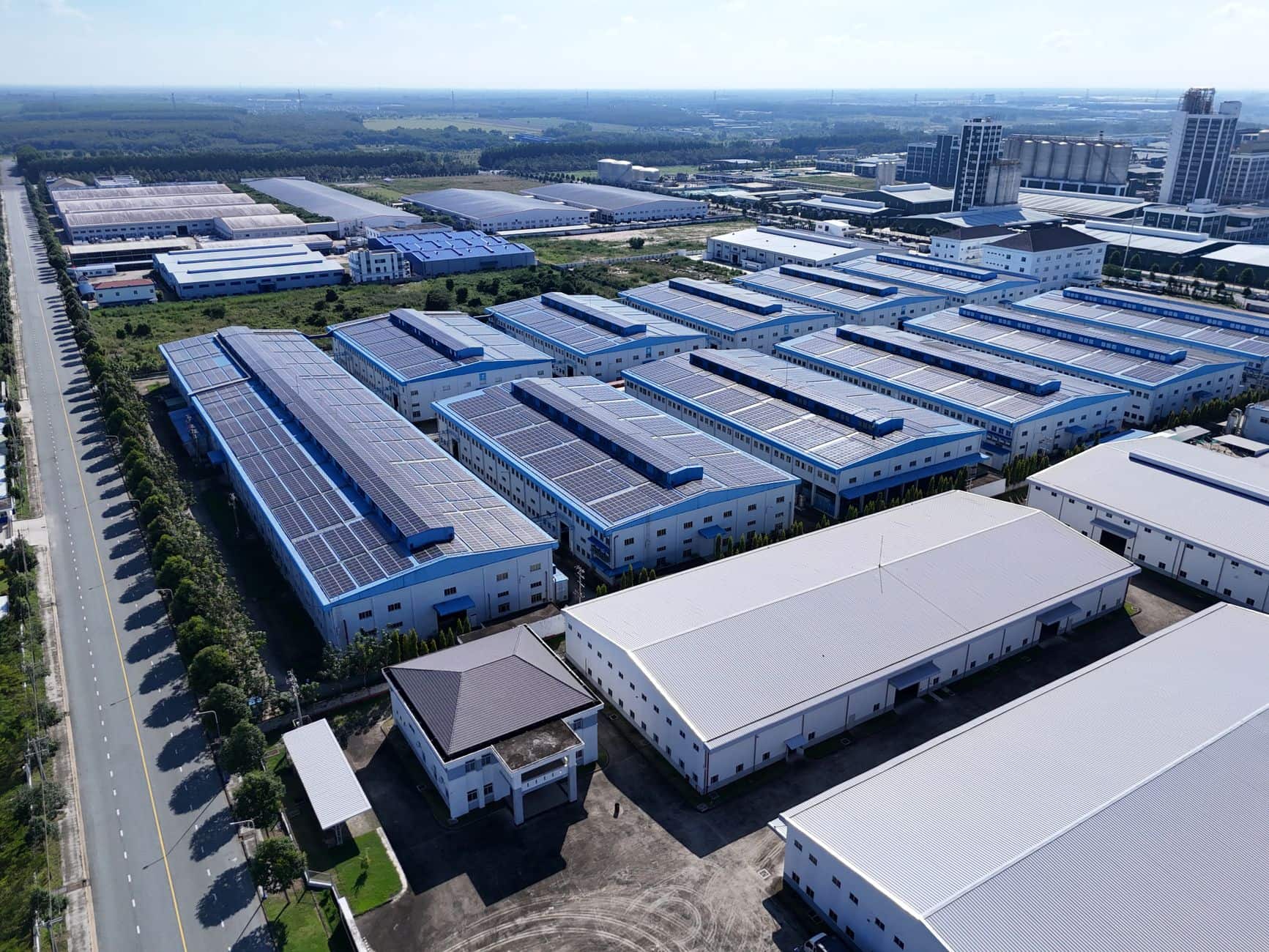
Opsun’s SunRail Inverter Rack lets commercial installers finish flat‑roof solar projects faster, with a pre‑assembled aluminum frame that tolerates 180 mph winds and 100 psf snow loads.
AC‑Side V2H Boosts Home Solar Flexibility
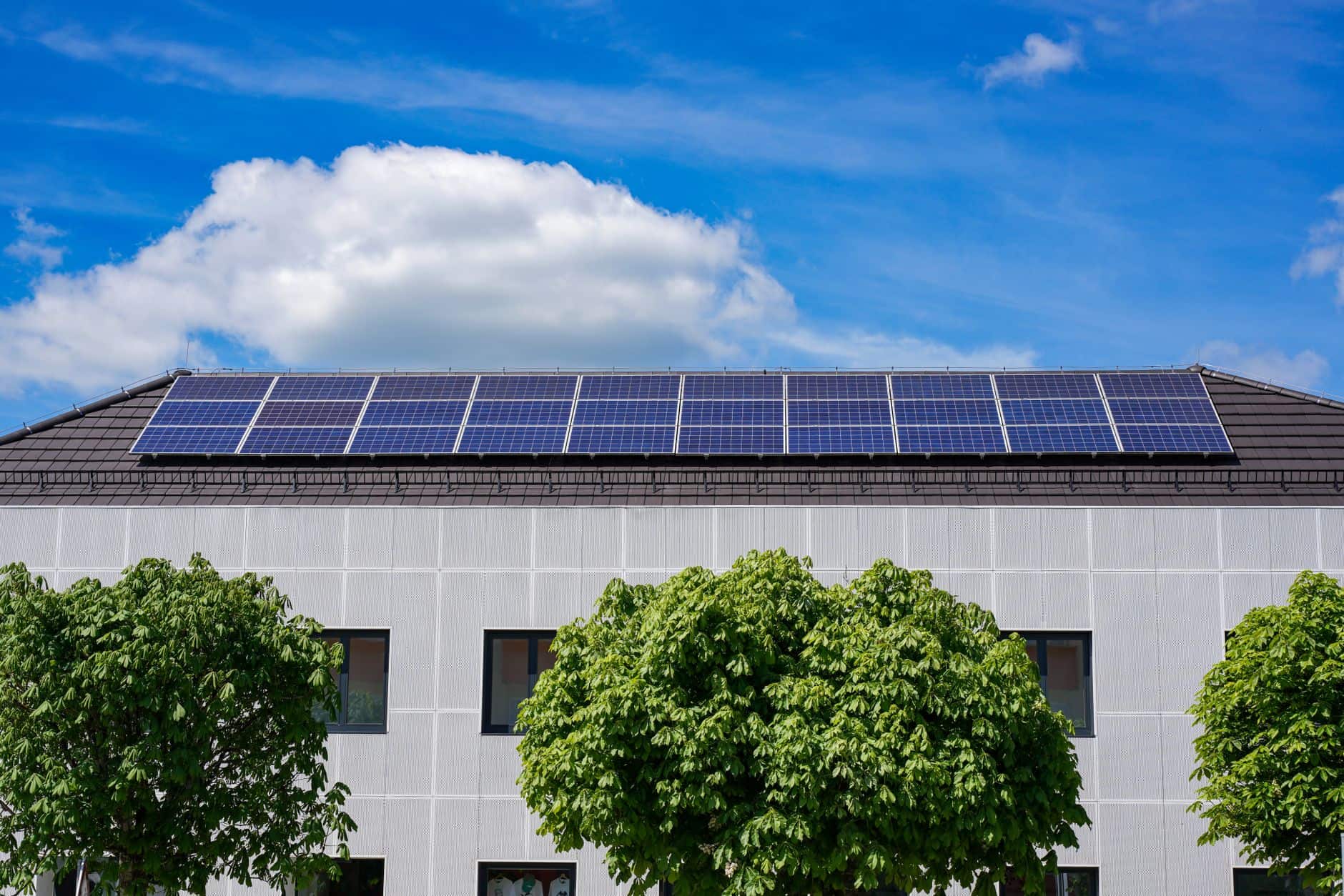
The new Binary Series V2H system separates AC charging from DC discharge and permits charger‑inverter distances of up to 50 m, enhancing residential flexibility.
HeliomatiX Builds 1 MW Solar Farm in 8 Hours
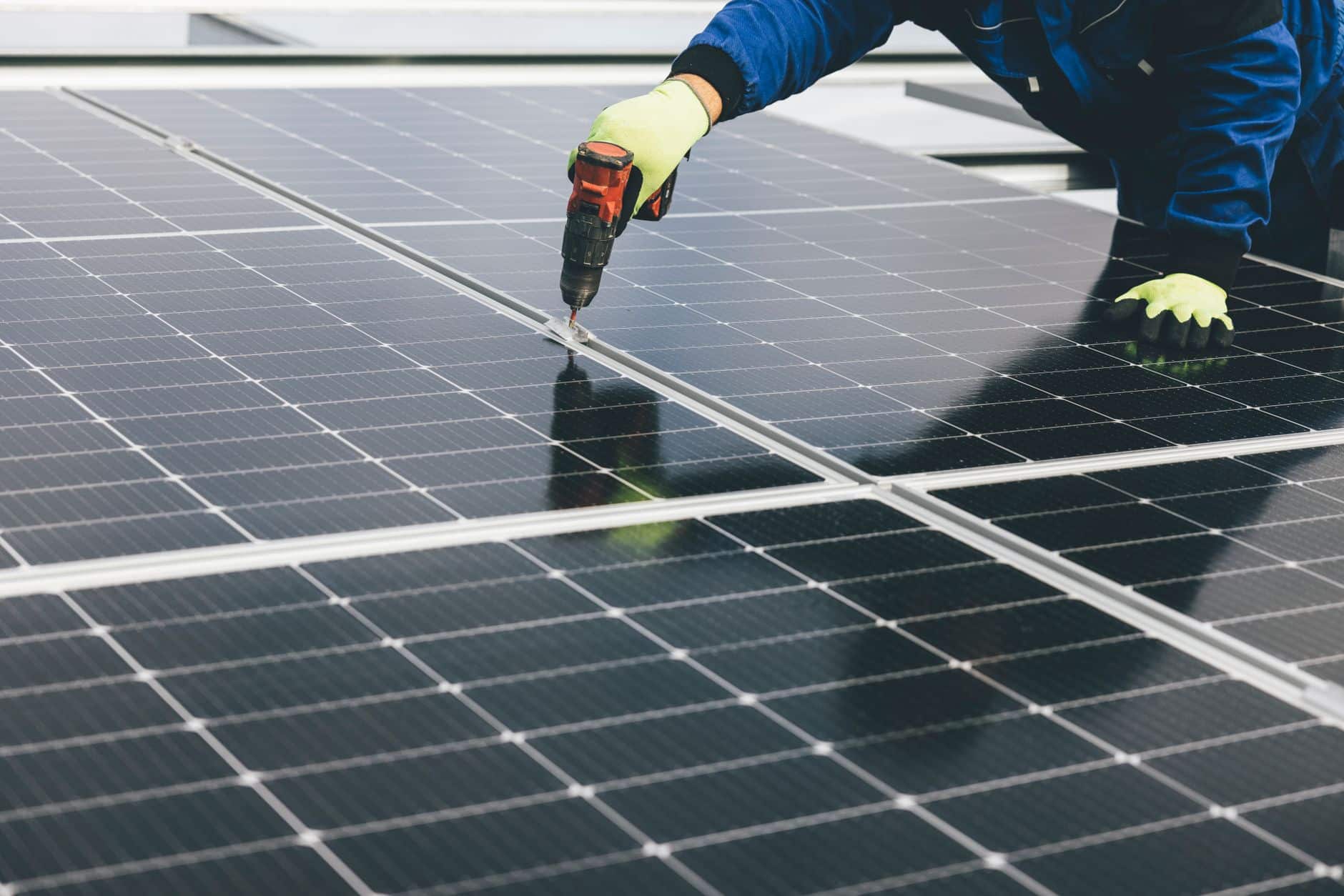
Goldbeck Solar’s HeliomatiX automation can install up to 1 MW of PV in eight hours, cutting manual labour by 85 % and reshaping utility‑scale solar construction worldwide.
World Cup Match Slashes Brazil Power Use 20%
Brazil’s grid operator ONS expects a 15‑20% drop in electricity demand during the World Cup Round‑of‑16 match, prompting calls for greater system flexibility as solar and wind now dominate the mix.
Kyocera Tests Flexible Perovskite Panels in Japan
Kyocera has started outdoor trials of Sekisui Chemical’s 15 % efficient, flexible perovskite solar modules at six Japanese sites, a step toward Japan’s 20 GW perovskite goal by 2040.