Eight‑Hour LDES Boosts Europe’s Battery Power
Eight‑Hour LDES Boosts Europe’s Battery Power
HiTHIUM’s new ∞Power 6.9 MWh system can store around 55 MWh of electricity and discharge it continuously for eight hours – a capability that goes well beyond today’s typical two‑ to four‑hour battery packs. The system debuted at The smarter E Europe exhibition in Munich, marking the first native eight‑hour long‑duration energy storage (LDES) solution offered in Europe.
What is the ∞Power 6.9 MWh solution?
The ∞Power platform is a turnkey, containerised BESS that packs a 6.9 MW/55 MWh capacity into a standard 20‑foot container. It uses HiTHIUM’s proprietary 1,300 Ah lithium‑ion cell – the world’s first cell built specifically for eight‑hour applications – which reduces the total cell count, simplifies the system architecture, and cuts installation costs.
Why eight‑hour matters – technical edge and durability
Designed for eight‑hour discharge, the system can deliver more than 10,000 full cycles and is rated for a 25‑year operational life. The larger‑format cell improves safety with multi‑layer protection at the cell level and integrates low‑GWP coolant, leak‑prevention design and recyclable structural parts, making the whole container suitable for all‑weather deployment.
How the market is shifting toward longer storage
Europe installed 21.9 GWh of battery storage in 2024, a record‑breaking year that underscores the continent’s push for more flexible assets. Grid operators are looking for longer‑duration solutions to smooth the “duck curve” created by solar‑PV peaks and to support data‑center loads that run 24/7. HiTHIUM’s native eight‑hour LDES directly addresses this gap, offering a “key foundation” for grid resilience and lower energy costs.
What it means for Israel’s energy transition
Israel is already planning a massive rollout of storage – a recent tender awarded 1.5 GW of large‑scale battery capacity at a price of $0.0056/kWh. The country’s renewable electricity target of 30 % by 2030 (and 20 % by 2025) will require flexible storage to balance solar generation, especially during the hot summer months when demand spikes. An eight‑hour LDES like HiTHIUM’s could be paired with Israeli solar farms to shift excess midday generation into the evening, reducing reliance on peaker plants and helping meet the national targets.
Israeli‑specific value calculation
A single 55 MWh unit could provide several hours of power for multiple households, illustrating its potential to smooth daily load curves and support grid stability in Israeli cities.
Outlook – scaling eight‑hour storage worldwide
HiTHIUM plans to roll out the ∞Power system across Europe and into markets like Australia, where a similar eight‑hour solution was launched earlier this year. As European policy frameworks increasingly reward longer‑duration storage, manufacturers that can deliver native eight‑hour lithium solutions are likely to capture a growing share of the market. For Israel, adopting such technology could accelerate the path to the 2030 renewable target while providing grid operators with a reliable, long‑life asset that fits within existing land‑use constraints.
What it means for Israel (summary)
- Israel’s 1.5 GW storage tender shows appetite for large‑scale batteries.
- An eight‑hour LDES can shift solar output into evening peaks, supporting the 30 % renewable goal.
- A single unit could supply a significant portion of residential electricity demand, illustrating tangible grid‑balancing benefits.
- With a 25‑year lifetime, the technology aligns with Israel’s long‑term energy security strategy.
For a deeper dive into the economics of a typical Israeli solar‑plus‑storage system, try our solar ROI calculator and explore the latest market data on our data page.
Sources & further reading
- HiTHIUM Unveils the World's First 8-Hour-Native Energy Storage...
- HiTHIUM Showcases Full-Scenario Product Portfolio at The Smarter...
- Hithium pushes into long-duration storage and AI data centres with...
- HiTHIUM Showcases 8-Hour LDES Solution and New Products at...
- European Market Outlook for Battery Storage 2025-2029
FAQ
What is an eight‑hour LDES?
A long‑duration energy storage (LDES) system that can continuously discharge power for eight hours, far longer than typical two‑ to four‑hour batteries.
How much energy can HiTHIUM’s ∞Power store?
The system stores 55.2 MWh (6.9 MW for eight hours) in a single 20‑foot container.
Why is eight‑hour storage important for grids?
It smooths the “duck curve” from solar peaks, supports 24/7 data‑center loads, and reduces the need for expensive peaker plants.
Can Israel use this technology?
Yes – an eight‑hour LDES can shift midday solar generation to evening demand, helping Israel meet its 30 % renewable target by 2030.
How many Israeli homes could one unit power?
One 55.2 MWh unit could cover the full‑year electricity use of about 11 average Israeli households.
What is the expected lifetime of the system?
HiTHIUM rates the containerised LDES for more than 25 years of operation.
Share this post
More from Storage
6
Modular AC‑Coupled Battery Boosts C&I Solar
Atmoce’s M‑ELV BattBank offers a modular AC‑coupled storage system that can scale to about 112.6 kWh and 56 kW, using safe LFP chemistry and >90 % efficiency—ideal for Israeli commercial rooftops looking to shave peak demand.
World Bank Funds 300 MW Moroccan Pumped Hydro
The World Bank approved a $265 million package to fund Morocco’s 300 MW Ifahsa pumped‑hydro plant, a storage project that will enable up to 1 GW of new solar and wind capacity while cutting renewable curtailment by 340 GWh each year.
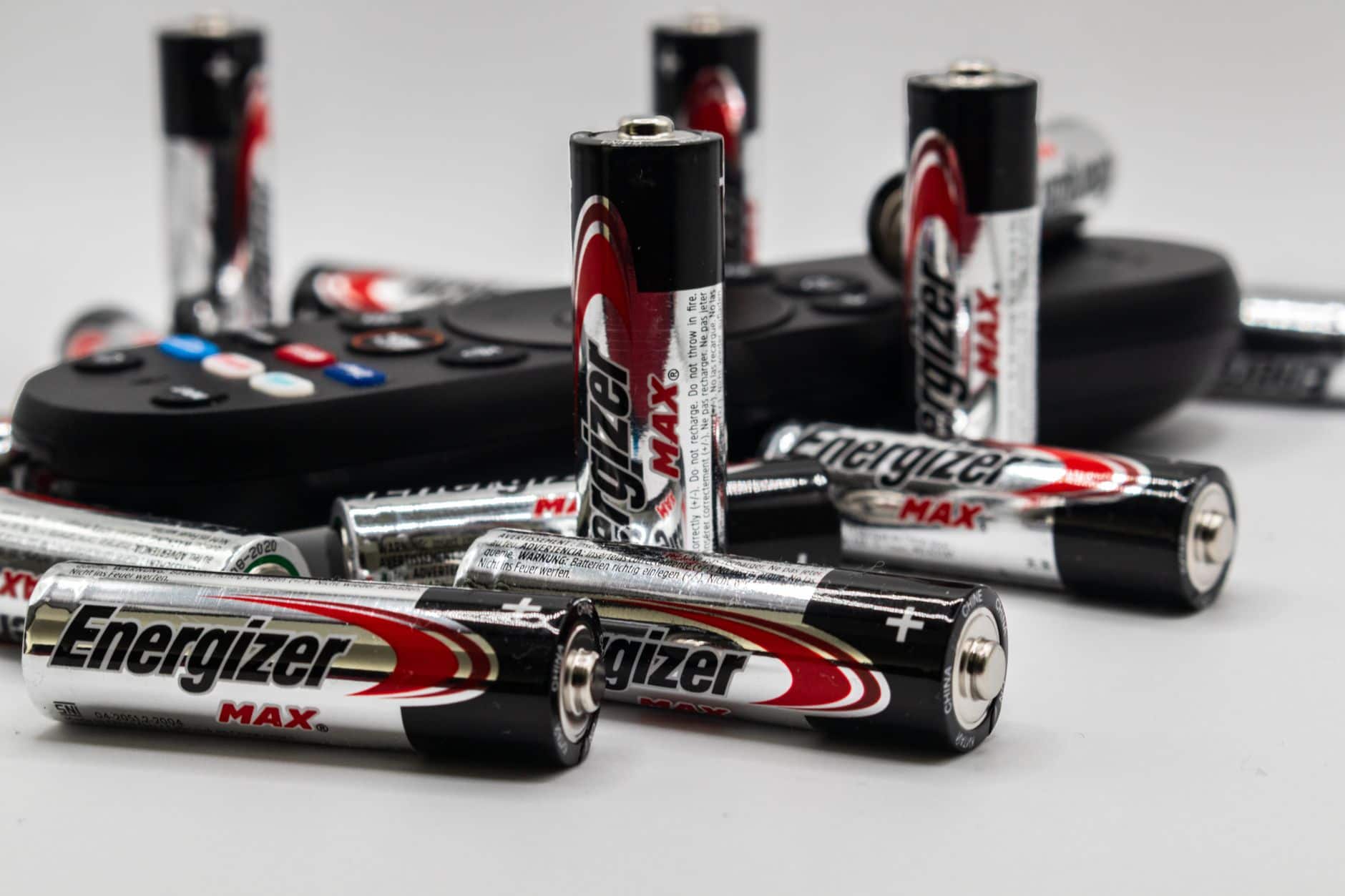
Ireland’s 23 MW Carbon Battery Set for 2028
Energy Dome, with Google’s backing, will build a 23 MW/200 MWh carbon‑dioxide battery in County Offaly, Ireland, secured by a 10‑year capacity contract and slated for operation in 2028.
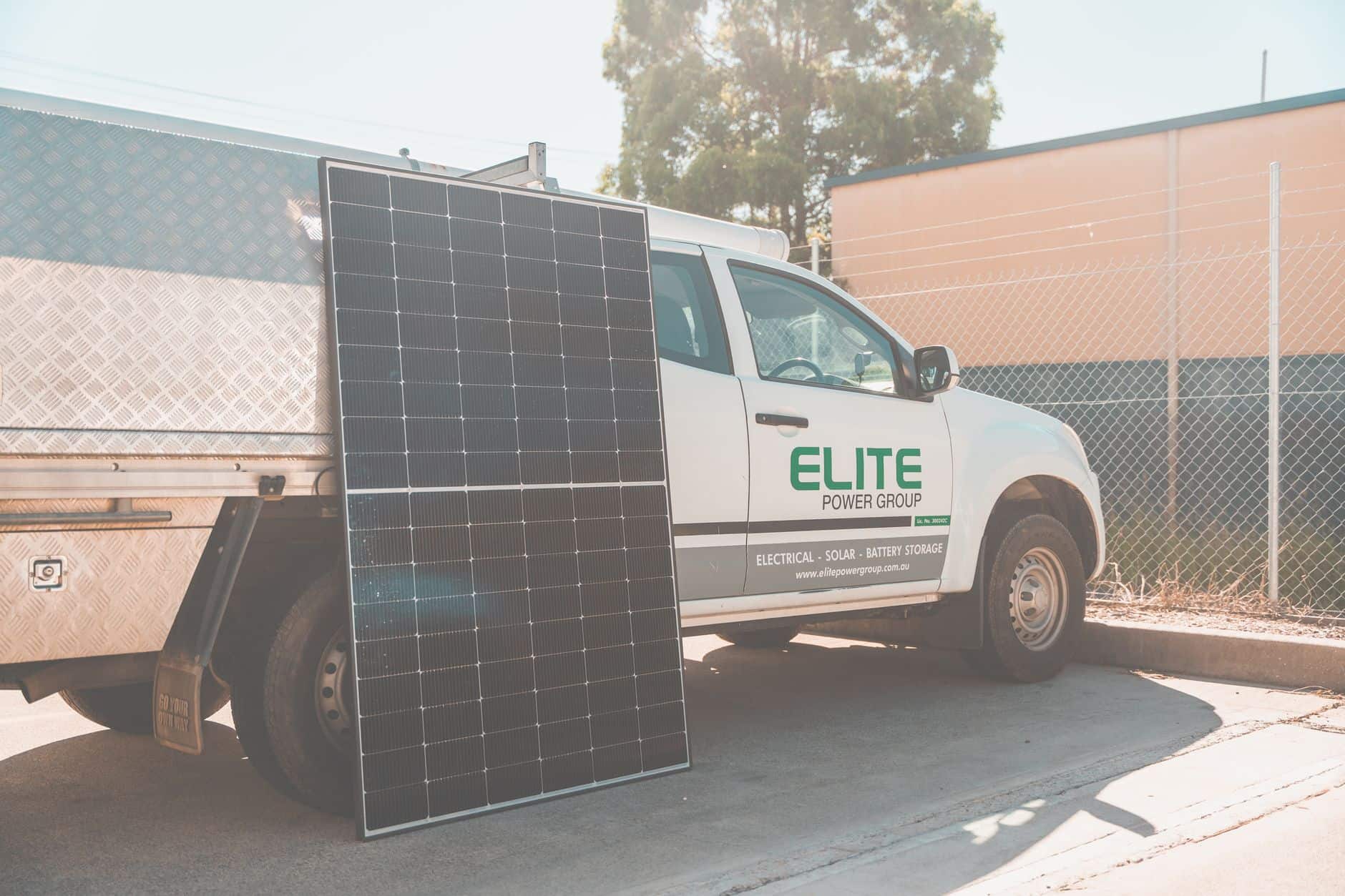
Why BESS Quality Controls Make Projects Bankable
Quality‑control, warranty design and unified certification, not just cell chemistry, determine whether BESS projects stay bankable over a 20‑year life.
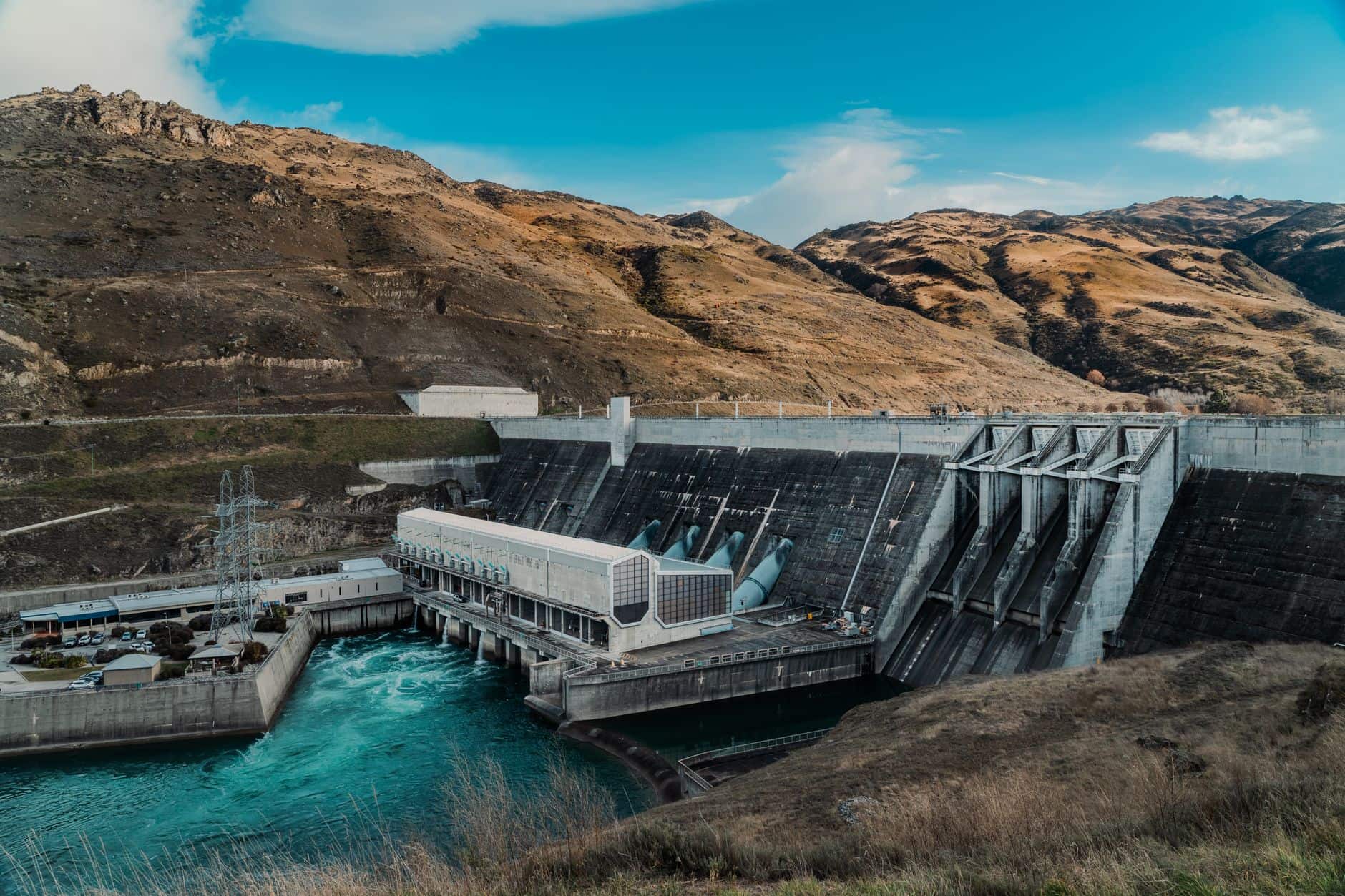
UK Picks Pumped Hydro & Batteries for LDES
Ofgem has provisionally selected 16 long‑duration storage projects, with pumped‑hydro (3.6 GW) and lithium‑ion batteries (11 projects) emerging as the clear winners.
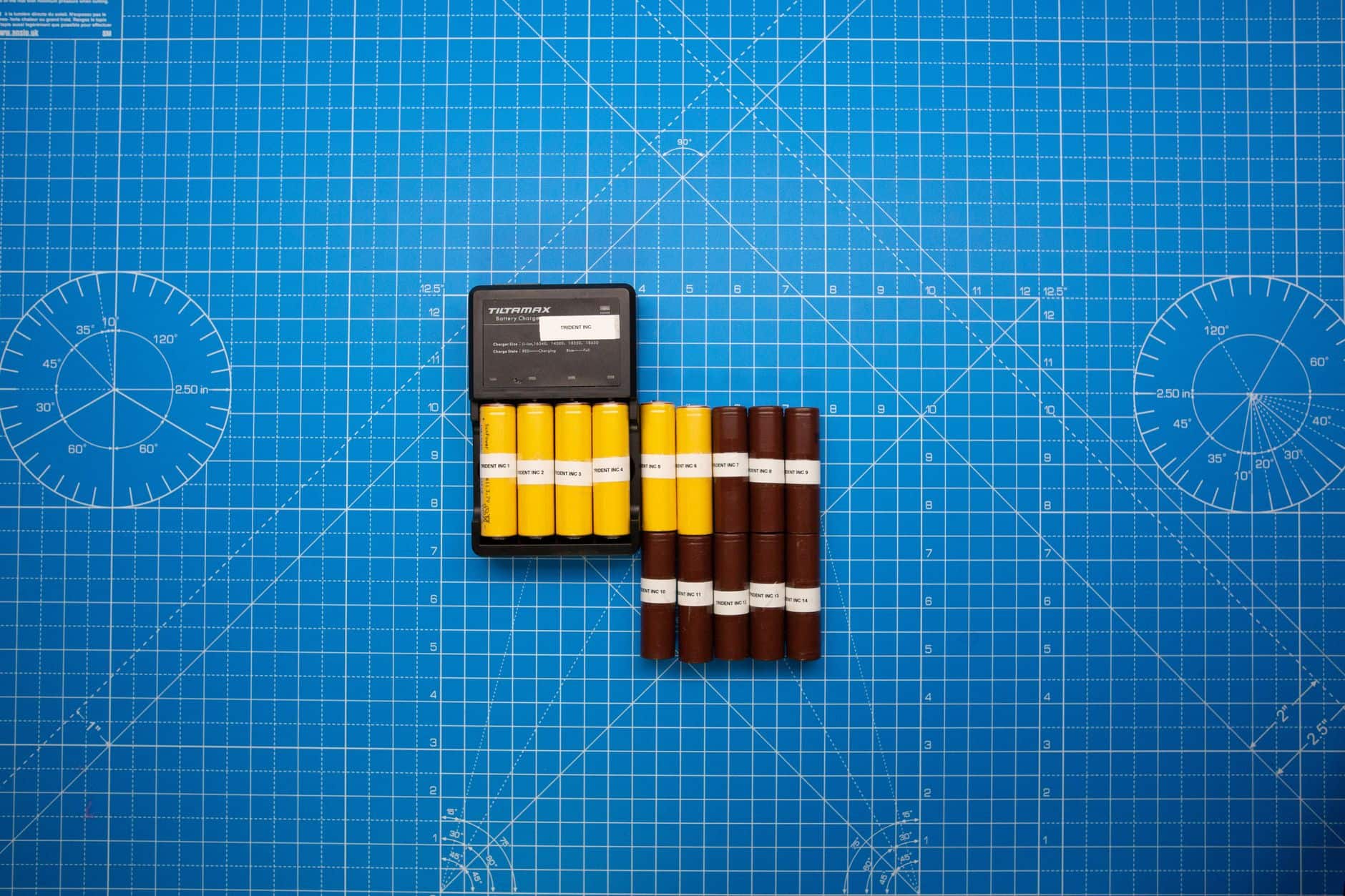
Argentina Battery Auction Hits $7,400/MW‑Month
Argentina’s AlmaSADI battery storage auction received bids as low as $7,397 per MW‑month, about 15% under the $12,500 price cap, with a weighted‑average of $10,568 /MW‑month across 232 qualified proposals.