World Cup Match Slashes Brazil Power Use 20%
Massive demand dip confirmed: up to 20% drop during match
Brazil’s National Interconnected System (SIN) is expected to see a 15‑20% plunge in electricity demand while the national team plays its Round‑of‑16 World Cup game, according to the grid operator ONS. The operator predicts a fall of a comparable magnitude to the previous dip during the 4:50 p.m.–5:20 p.m. window, echoing the 10.9% (9.4 GW) dip recorded during the Paraguay match last Friday.
Why the dip happens: fans, timing and the “TV‑off” effect
When Brazil’s team takes the field, millions of households and businesses switch off lights, air‑conditioners and appliances to watch the game. The match falls during peak business‑hour demand, amplifying the effect. A 2023 bank analysis notes that during previous World Cups, demand fell 12.6 GW in a single match and rebounded 7.7 GW within 30 minutes of the final whistle, showing how quickly the load swings back once the excitement ends.
Grid operators scramble: flexibility is now a must‑have
ONS says it has reinforced operations with enhanced monitoring, fast‑ramping plants and tight coordination with generators and transmission companies to keep the system stable. The rapid drop‑and‑rise pattern forces the grid to have resources that can respond within minutes – a role traditionally filled by hydro reservoirs but now increasingly shared with battery storage and demand‑response programs.
Renewable mix reshapes the challenge
ABSolar chair Bárbara Rubim points out that Brazil’s generation mix has transformed dramatically: solar capacity grew from ~6 GW in 2018 to >35 GW today, while wind rose from ~15 GW to ~70 GW. This surge of variable, distributed generation means the grid can’t rely solely on conventional thermal plants for flexibility. Instead, battery storage and the inherent quick‑start capability of hydro must be leveraged to absorb the sudden load drop and prevent over‑generation.
What it means for Israel – a parallel lesson
Israel faces a similar need for flexibility as its own solar share climbs toward the 30 % 2030 target. Using typical Israeli figures (residential tariff ₪0.48 /kWh, install cost ₪3 150 /kWp, central‑region yield 1 700 kWh/kWp yr), a 10 kWp rooftop system would generate about 17 000 kWh/yr, worth roughly ₪8 160 annually. At a ₪31 500 installation cost, the simple payback is ≈3.9 years.
If a comparable demand dip occurred during a major televised event in Israel, a sizable rooftop solar fleet combined with storage could help offset the short‑term reduction, illustrating how distributed solar plus storage can smooth short‑term spikes, just as Brazil’s hydro‑battery mix must do.
Outlook: building a flexible future
The World Cup episode underscores two global trends:
- Grid‑level flexibility will become a core service, not an after‑thought. Brazil’s plan to pair fast‑ramping hydro with expanding battery farms mirrors Israel’s push for behind‑the‑meter storage and smart‑grid pilots.
- Event‑driven demand swings are predictable, offering a testing ground for advanced forecasting tools (see recent academic work on 24‑hour‑ahead sports‑venue load prediction).
As renewable penetration climbs, both Brazil and Israel will need real‑time coordination platforms, more distributed storage, and market rules that reward flexibility. The next big match – whether on the pitch or in the power market – will be won by the grid that can adapt fastest.
What it means for Israel
- Typical residential solar yields ~17 MWh/yr per 10 kWp system → ~₪8 160 revenue.
- Simple payback ≈3.9 years, well within a 25‑year lifespan.
- A sizable rooftop solar fleet could help mitigate a major demand dip during a short‑term event.
- Encourages adoption of behind‑the‑meter batteries to capture the short‑term surplus.
For readers wanting to run their own numbers, try our solar ROI calculator or explore the latest market data on our data page.
Sources & further reading
- Too much clean energy? Just days before Brazil's World Cup debut...
- Electrical consumption forecasting in sports venues: A proposed...
- Electricity Use Drops When Brazil Plays at the World Cup, Bank Finds
- Brazil's World Cup debut causes a drop in energy consumption of up to 8,6%.
- World Cup predictions: Champions, Golden Ball, breakout stars and more
FAQ
How much electricity will Brazil lose during the World Cup match?
ONS forecasts a 15‑20% drop, roughly 12‑13 GW, during the two‑hour match window.
Why does the demand fall so sharply?
Millions of fans turn off lights, AC and appliances to watch the game, especially during peak business hours.
What resources can Brazil use to balance the grid?
Fast‑ramping hydro plants, battery storage, and demand‑response programs are the key flex assets.
How much solar capacity does Brazil have now?
Solar capacity has grown from about 6 GW in 2018 to over 35 GW today.
What does this mean for Israeli homeowners?
A typical 10 kWp rooftop system earns about ₪8 160 a year and pays back in under four years, helping smooth short‑term demand spikes.
Can event‑driven demand drops be predicted?
Yes, new forecasting models can predict 24‑hour‑ahead electricity use for sports venues, aiding grid operators.
Share this post
More from Technology
6
Kyocera Tests Flexible Perovskite Panels in Japan
Kyocera has started outdoor trials of Sekisui Chemical’s 15 % efficient, flexible perovskite solar modules at six Japanese sites, a step toward Japan’s 20 GW perovskite goal by 2040.
EcoFlow OASIS 3.0: AI Home Energy Manager
EcoFlow’s OASIS 3.0 AI‑driven home energy manager, launched at Intersolar 2026, optimises solar, storage, EV charging and heat‑pump use in real time, offering higher self‑consumption for homeowners.
Virtual Power Plants Are Powering US Homes
The U.S. virtual power plant market reached nearly 40 GW by mid‑2025, and a new Sunrun‑Tesla‑Renew Home partnership will aggregate 9 million homes to deliver 16.8 GW of flexible capacity, paying participants over $67 million in 2025.
Electrifying Industry Fuels Solar Demand Surge
Electrifying heavy industry is boosting global electricity demand, creating a surge in renewable capacity needs. In Israel, solar installations offer fast payback and can help meet the country’s renewable energy goals.
How Solar Panels Turn Sunlight Into Electricity
Solar panels convert sunlight into electricity via the photovoltaic effect, and a typical 15 kW Israeli rooftop system pays back in under four years while delivering clean power for decades.
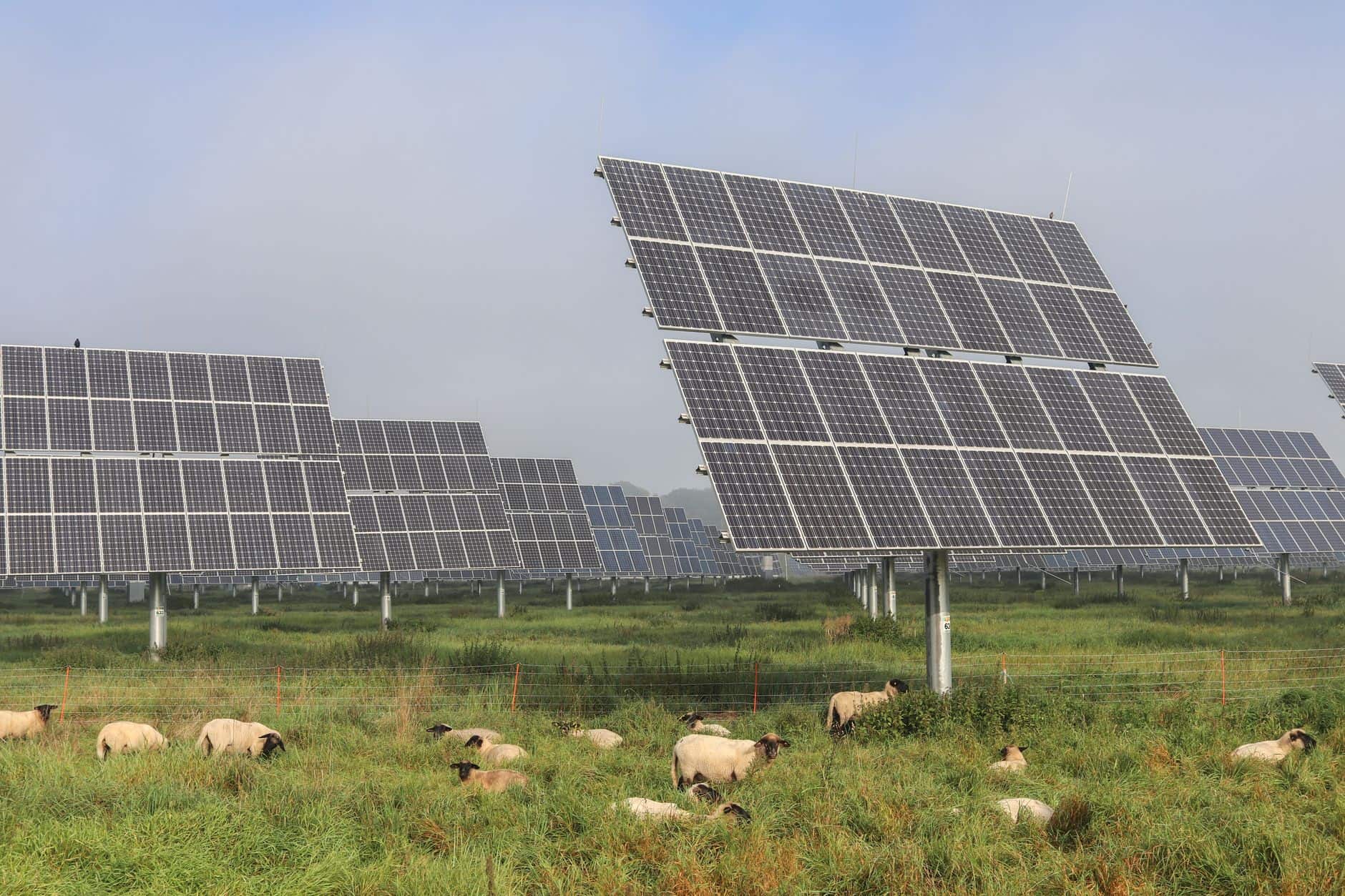
Agrivoltaics Goes Mainstream: Solar & Farming
Agrivoltaics is shedding its niche label and becoming a distinct industry, with growing global interest and new business models that put farmers at the centre.