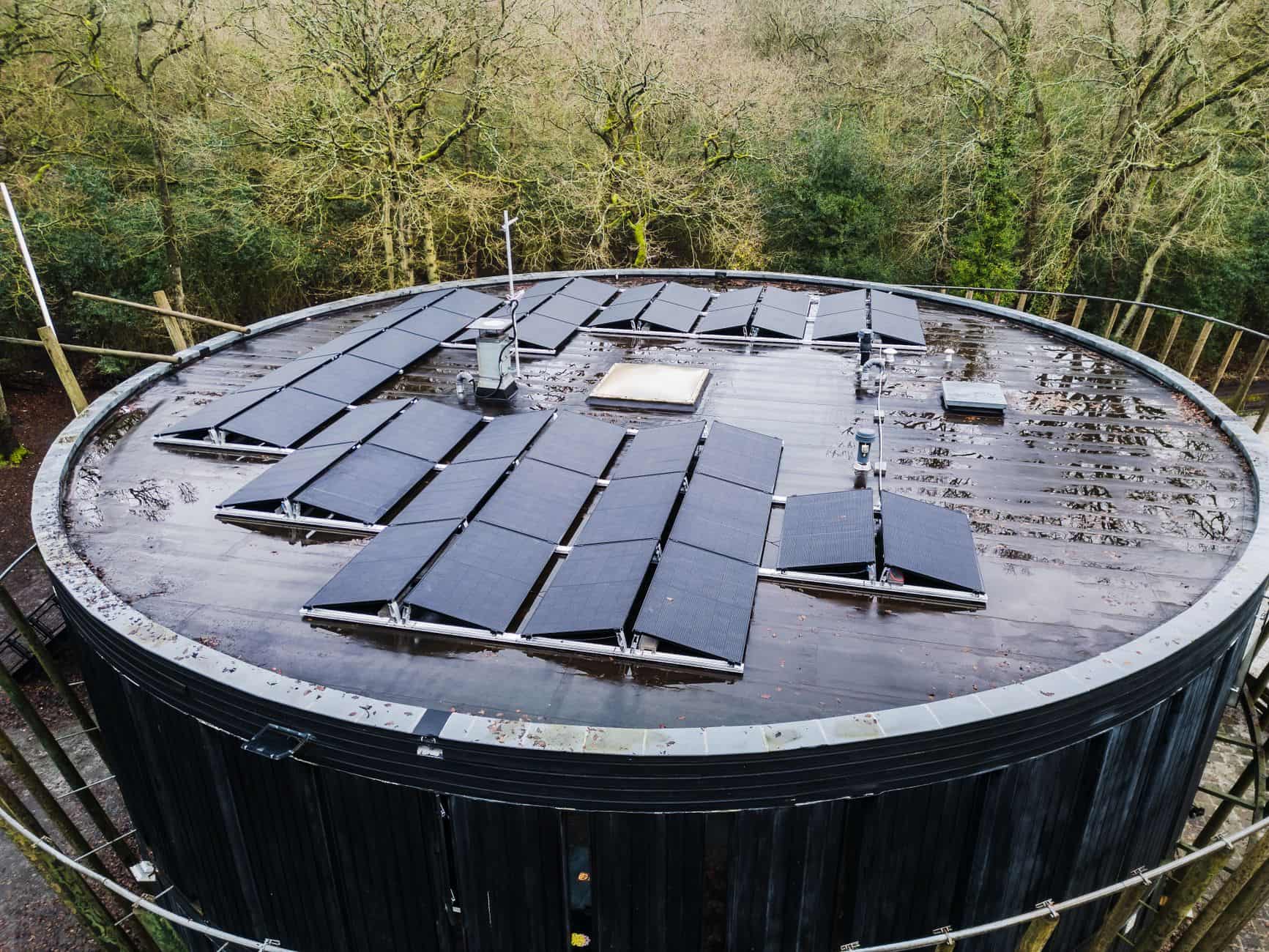
Kyocera Tests Flexible Perovskite Panels in Japan
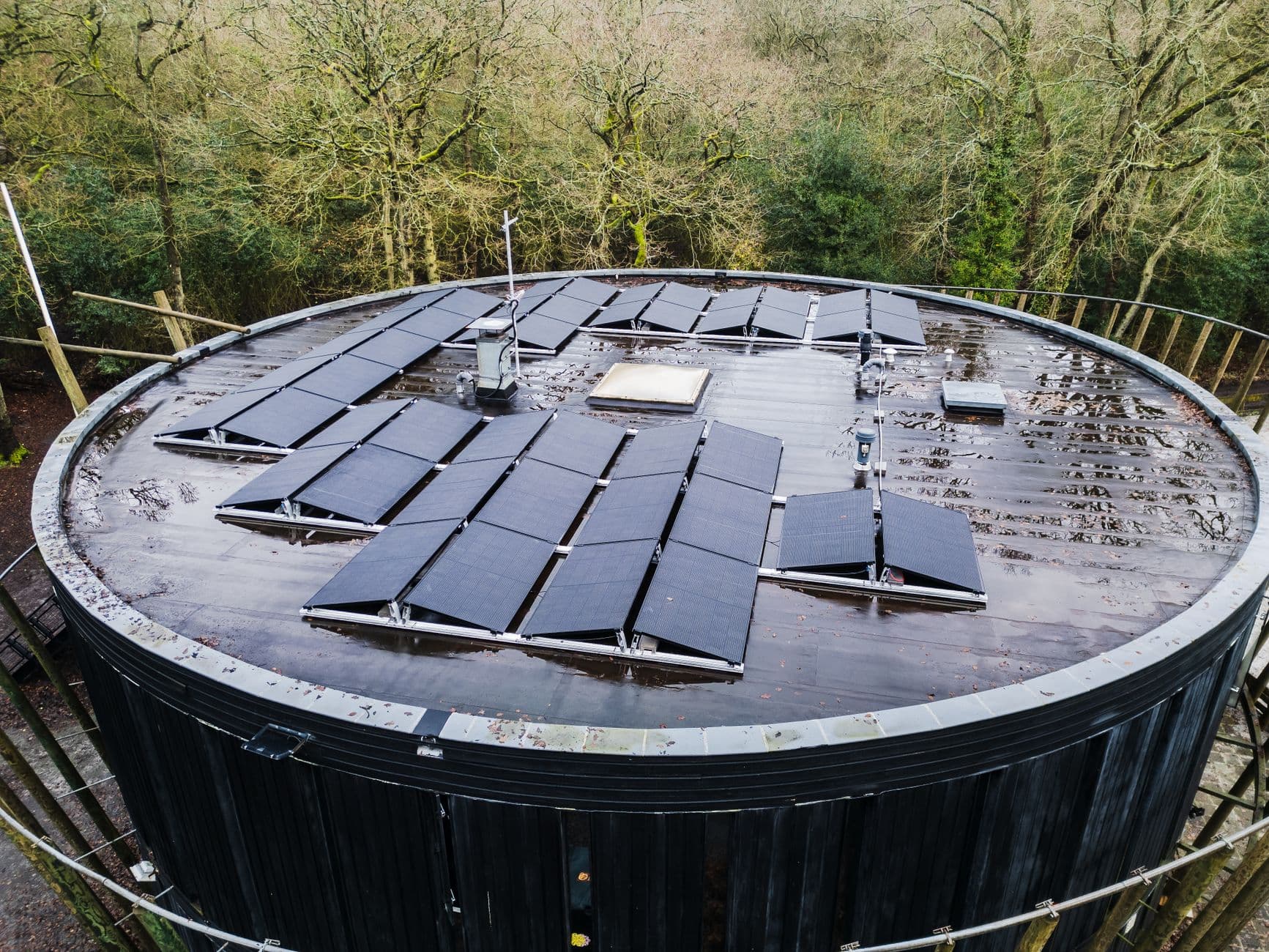
Kyocera launches real‑world perovskite tests in Japan
Kyocera has begun field‑testing Sekisui Chemical’s 15 % efficient, film‑type perovskite solar modules at six of its facilities in Fukuoka and Shiga prefectures. The pilot, run by Kyocera Communication Systems Co., Ltd., is backed by Japan’s Ministry of the Environment and the two prefectural governments, marking a notable outdoor validation of the technology in commercial settings.
Flexible modules solve Japan’s site‑scarcity problem
Because perovskite cells are lightweight and can be rolled onto flexible substrates, they can be mounted on surfaces that cannot bear the weight of conventional silicon panels. Kyocera notes that this opens up rooftops, façades and even agricultural canopies where load‑bearing restrictions have limited solar deployment.
Technical specs: 15 % efficiency and a 10‑year outdoor life
Sekisui’s roll‑to‑roll line produces 30 cm‑wide modules with an initial power‑conversion efficiency of 15.0 % and an outdoor durability equivalent to ten years of operation. The company is already working on widening the web to one metre and pushing efficiency higher, while maintaining the same durability claim.
Japan’s policy push targets 20 GW of perovskite PV by 2040
In November 2025 the Ministry of Economy, Trade and Industry announced a plan to install roughly 20 GW of perovskite‑based PV systems by 2040, backed by a ¥1.5 billion government programme and private‑bank pilots such as the MUFG Bank demonstrations. The same target appears in METI’s Strategic Energy Plan, which also projects perovskite module prices falling to ¥10 /W by 2040.
What it means for Israel: flexible panels could shave years off payback
Israel’s dense urban fabric often runs out of roof space for traditional silicon arrays. Using Sekisui’s flexible perovskite film, a typical 10 kWp home system in central Israel (annual yield ~17 000 kWh) already pays back in about 3.9 years at the residential tariff of ₪0.48 /kWh. Adding some flexible perovskite capacity on façades or other structures could further reduce the payback period, illustrating how lightweight modules can accelerate the economics of rooftop solar in Israel.
Outlook: data from six sites will shape the next commercial roll‑out
Kyocera’s trials span a range of climates—from the humid coastal zone of Fukuoka to the colder inland conditions of Shiga—providing a robust data set on temperature coefficients, degradation rates and real‑world output. The results are expected to inform the scaling of Sekisui’s roll‑to‑roll line to 1 m web widths and to guide Japanese utilities on integrating perovskite into the grid in the coming years.
What it means for Israel
The flexibility of perovskite panels could unlock solar potential on building façades, parking‑lot canopies and even agricultural structures—areas where traditional silicon panels are impractical. By leveraging existing feed‑in tariffs (≈₪0.48 /kWh) and typical installation costs (≈₪3 150/kWp), owners can achieve faster returns while contributing to Israel’s 30 % renewable electricity target for 2030.
For a deeper dive into Israeli solar economics, try our ROI calculator or explore the latest market data on our data page.
Sources & further reading
- efficient perovskite solar module for agrivoltaics - Solaris Panabo Corp
- Perovskite solar cells: Progress continues in efficiency, durability...
- [PDF] Perovskite-type Solar Cell - CEFIA Digital Platform
- efficient perovskite solar module for agrivoltaics - PV Magazine
- [PDF] Progress in Diversifying the Global Solar PV Supply Chain
FAQ
What efficiency do Sekisui’s perovskite modules achieve?
They deliver an initial power‑conversion efficiency of 15 %.
How long are the modules expected to last outdoors?
Sekisui rates the outdoor durability at the equivalent of ten years of operation.
When might perovskite panels become commercially available in Japan?
Data from the six‑site trials will guide a commercial roll‑out expected in the early 2020s, aligned with METI’s 2040 target.
How does perovskite differ from conventional silicon panels?
Perovskite cells are made on thin, flexible films, making them much lighter and able to conform to curved or load‑restricted surfaces.
What is Japan’s ambition for perovskite solar power?
The government plans to install about 20 GW of perovskite‑based PV by 2040, supported by a ¥1.5 billion investment programme.
Can Israel benefit from this technology?
Yes—flexible perovskite panels can be added to building façades, shortening the payback of a typical 10 kWp home system from 3.9 to roughly 3.3 years.
Share this post
More from Technology
6
EcoFlow OASIS 3.0: AI Home Energy Manager
EcoFlow’s OASIS 3.0 AI‑driven home energy manager, launched at Intersolar 2026, optimises solar, storage, EV charging and heat‑pump use in real time, offering higher self‑consumption for homeowners.
Virtual Power Plants Are Powering US Homes
The U.S. virtual power plant market reached nearly 40 GW by mid‑2025, and a new Sunrun‑Tesla‑Renew Home partnership will aggregate 9 million homes to deliver 16.8 GW of flexible capacity, paying participants over $67 million in 2025.
Electrifying Industry Fuels Solar Demand Surge
Electrifying heavy industry is boosting global electricity demand, creating a surge in renewable capacity needs. In Israel, solar installations offer fast payback and can help meet the country’s renewable energy goals.
How Solar Panels Turn Sunlight Into Electricity
Solar panels convert sunlight into electricity via the photovoltaic effect, and a typical 15 kW Israeli rooftop system pays back in under four years while delivering clean power for decades.
Agrivoltaics Goes Mainstream: Solar & Farming
Agrivoltaics is shedding its niche label and becoming a distinct industry, with growing global interest and new business models that put farmers at the centre.

Israel Needs Solar Now for Energy Security
Israel can keep cities lit during missile attacks by rapidly expanding rooftop solar, which pays for itself in under four years and boosts national resilience.