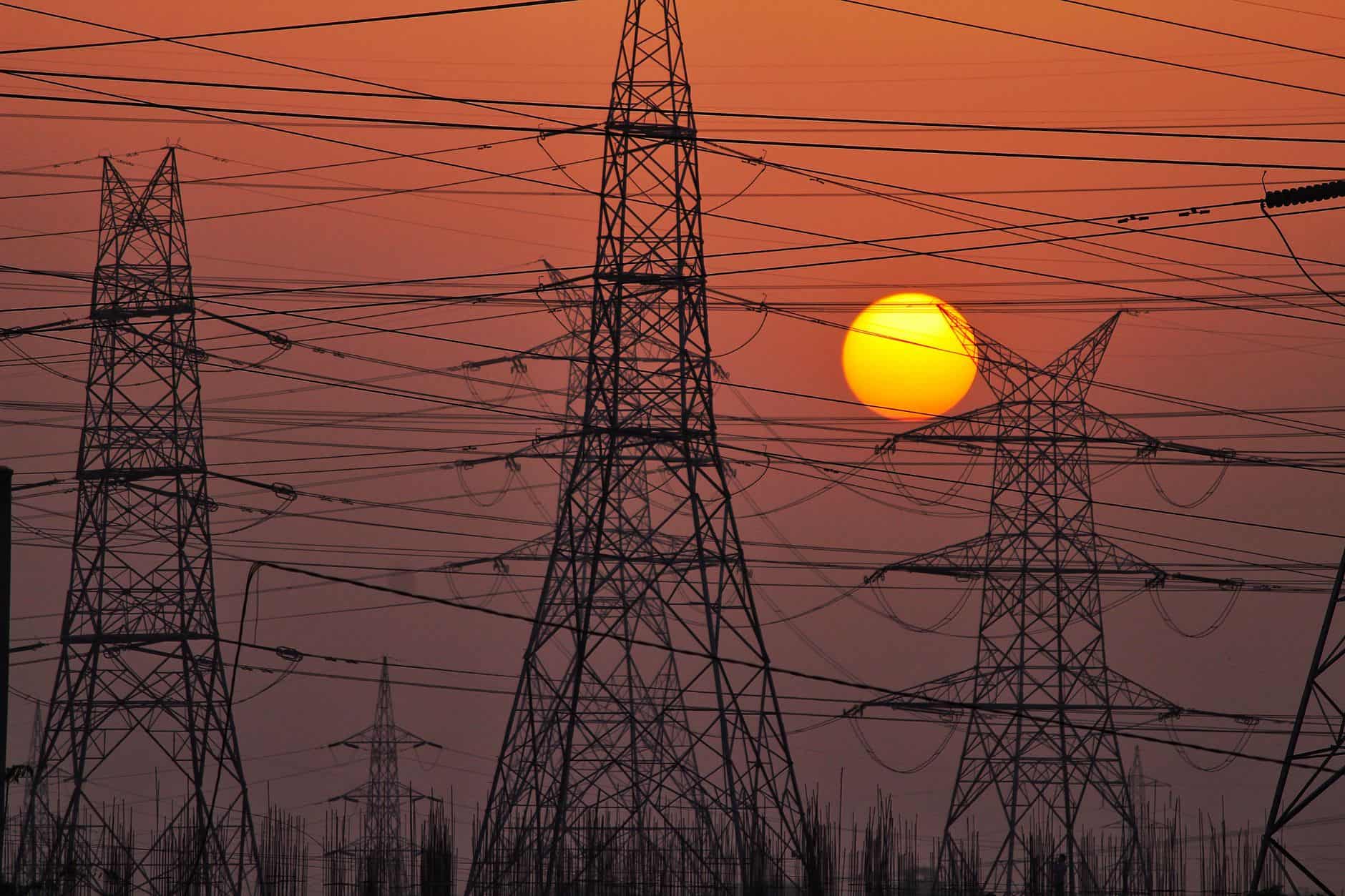
Electrifying Industry Fuels Solar Demand Surge
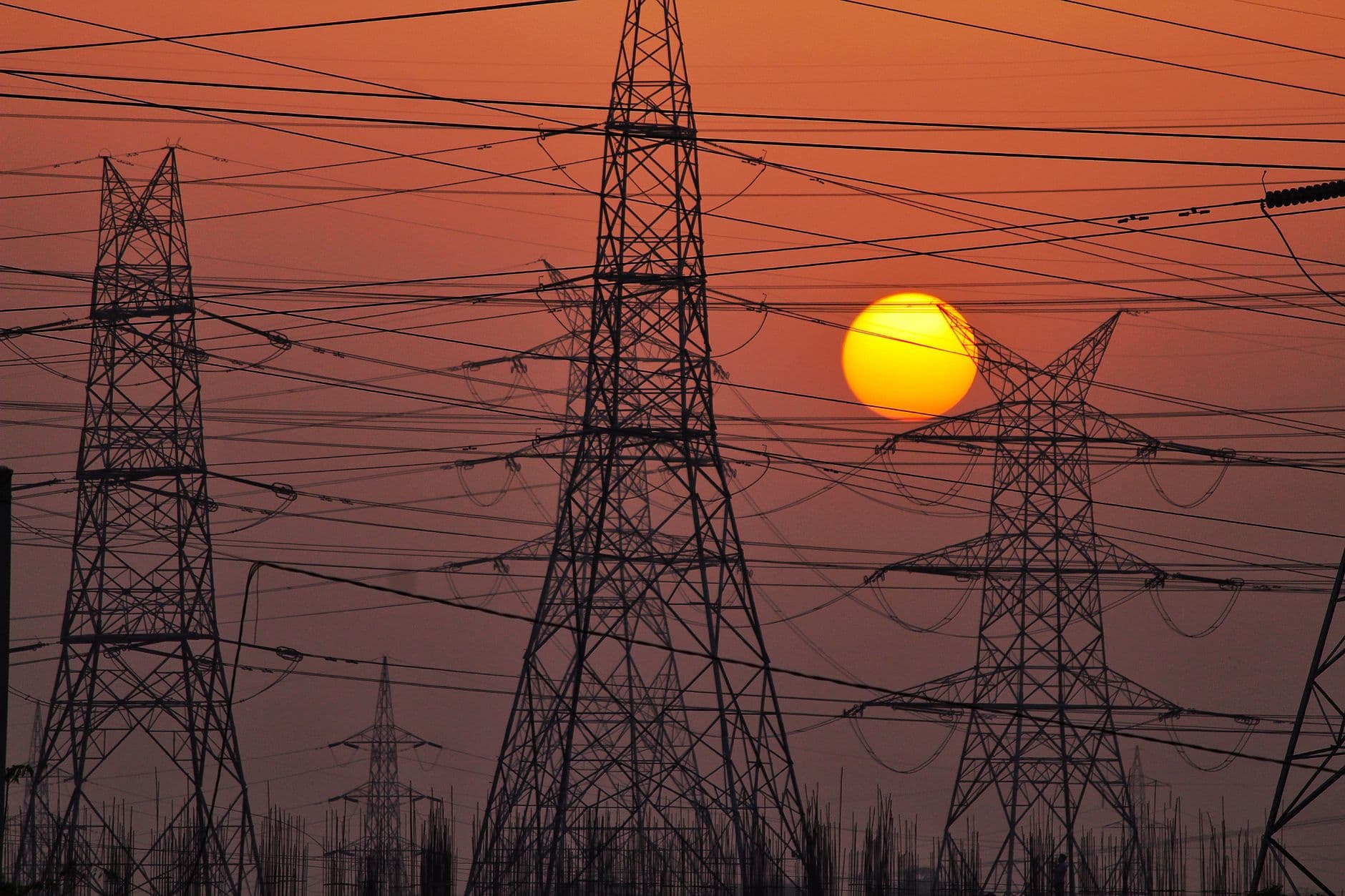
Electrification is the fastest‑growing driver of global electricity demand
Electrifying heavy‑industry processes such as steelmaking, cement, and chemicals is a major contributor to the strong growth in global electricity demand highlighted by the IEA’s recent outlook. This surge will require utilities to expand renewable capacity significantly to keep the grid carbon‑free.
Steel‑making leads the industrial electrification wave
Steel producers already have the technology to replace coal‑fired blast furnaces with electric arc furnaces (EAFs). While the technology is mature, the main barrier remains the cost and availability of low‑price clean electricity.
Policy and market incentives are closing the gap
The European Union’s Clean Industrial Deal and Electrification Action Plan set a target of 32 % electricity share in final energy consumption by 2030 EU Electrification Action Plan. In the United States, the Industrial Electrification Market is projected to grow from about US$43 bn in 2026 to roughly US$75 bn by 2033 Coherent Market Insights.
Grid upgrades are the hidden bottleneck
Even as renewable generation expands, grid capacity lags behind. The IEA notes that over 2,500 GW of renewable, storage and large‑load projects are currently stalled in grid queues worldwide IEA Grids 2026. Without substantial investment in transmission and distribution, newly electrified industry could face curtailment, slowing decarbonisation progress.
What it means for Israel’s solar market
Israel’s residential solar tariffs sit at ≈₪0.48 /kWh, with typical turnkey installation costs of ≈₪3,150 /kWp. A 10 kWp rooftop system in the central region yields about 17,000 kWh / year, generating roughly ₪8,160 in revenue annually. At the quoted install cost, the payback period is ≈3.9 years, well within the 25‑year system life. As industrial electrification raises electricity demand, there is an opportunity for additional solar capacity to help meet that load.
The road ahead: aligning policy, grid, and finance
To fully capture the electrification opportunity, governments must:
- Guarantee long‑term low‑price renewable contracts for heavy industry.
- Accelerate grid reinforcement – especially high‑voltage transmission that can move solar power from the sunny south to industrial hubs in the north.
- Support financing mechanisms such as green bonds or loan guarantees that lower capital costs for both industrial plants and large‑scale solar farms.
If these levers move in sync, the world could see a substantial increase in clean electricity generation by 2030, dramatically cutting CO₂ emissions and cementing solar power as a backbone of the new industrial era.
What it means for Israel
Israel’s ambitious target of 30 % renewable electricity by 2030 will require a massive build‑out of solar capacity. The industrial electrification trend adds a clear demand driver, and scaling rooftop and commercial solar installations can help meet the extra load from electrified factories, supporting the nation’s climate goals while keeping electricity bills low.
For a deeper dive into the economics of a typical Israeli home solar system, visit our solar ROI calculator and explore the latest market data on our solar data page.
Sources & further reading
- Demand: Global electricity use to grow strongly in 2025 and 2026 - IEA
- Steel Meets Rising Global Electricity Demand - Sprott
- [PDF] Electricity 2024 - Analysis and forecast to 2026
- Industrial Electrification Market Forecast, 2026-2033
- PDF High Voltage: The global potential for industrial electrification
FAQ
Why is electrifying industry important for renewable energy growth?
Switching from fossil fuels to electricity in heavy‑industry sectors creates a massive new demand for clean power, which can only be met by expanding renewable generation.
What technology replaces coal‑fired blast furnaces in steelmaking?
Electric Arc Furnaces (EAFs) use electricity instead of coke, cutting CO₂ emissions dramatically and are already commercially viable.
How fast is global electricity demand expected to grow?
The IEA projects electricity use will rise more than twice as fast as total energy demand, adding roughly 1.2 PWh by 2030.
What are the main barriers to industrial electrification?
The biggest hurdles are the cost and reliable supply of low‑price clean electricity and the need for upgraded transmission grids.
How does industrial electrification affect Israeli homeowners?
Higher overall demand can be met by more rooftop solar, shortening payback periods and helping Israel reach its 30 % renewable electricity goal.
What policy steps are governments taking?
The EU’s Clean Industrial Deal, the US market forecast, and Israel’s renewable targets all aim to lower renewable power costs and boost grid capacity.
Share this post
More from Technology
6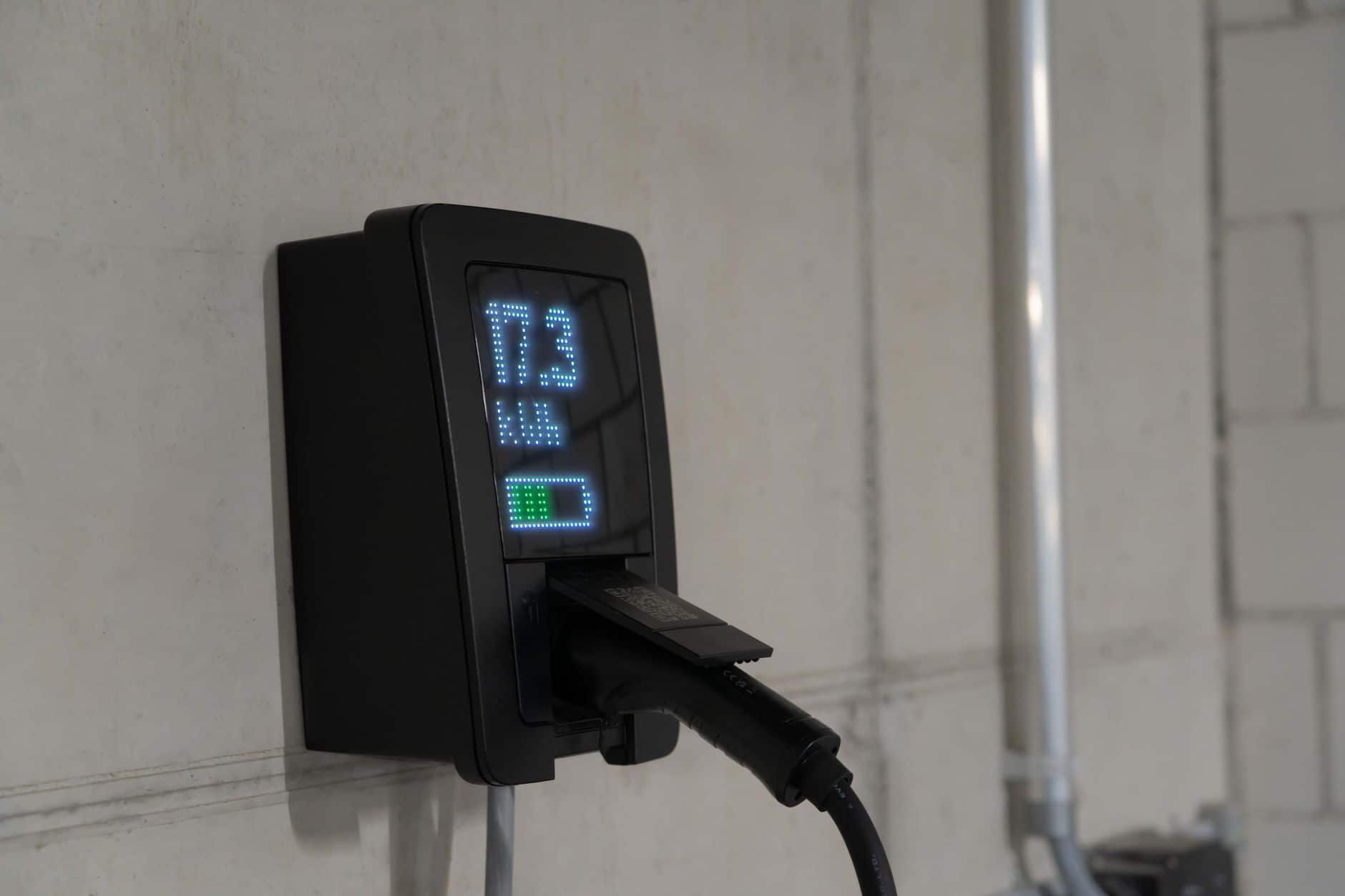
Virtual Power Plants Are Powering US Homes
The U.S. virtual power plant market reached nearly 40 GW by mid‑2025, and a new Sunrun‑Tesla‑Renew Home partnership will aggregate 9 million homes to deliver 16.8 GW of flexible capacity, paying participants over $67 million in 2025.
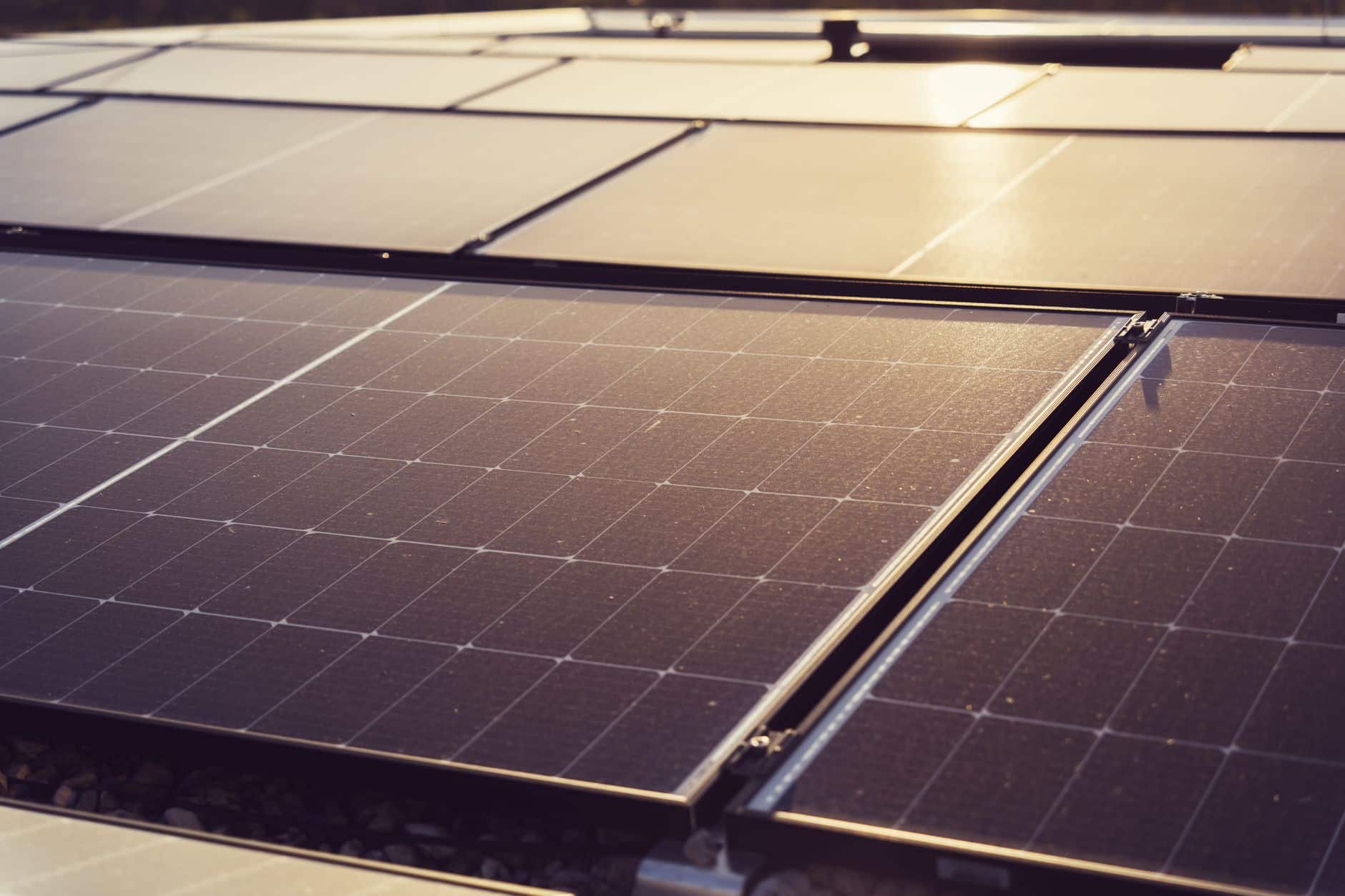
How Solar Panels Turn Sunlight Into Electricity
Solar panels convert sunlight into electricity via the photovoltaic effect, and a typical 15 kW Israeli rooftop system pays back in under four years while delivering clean power for decades.
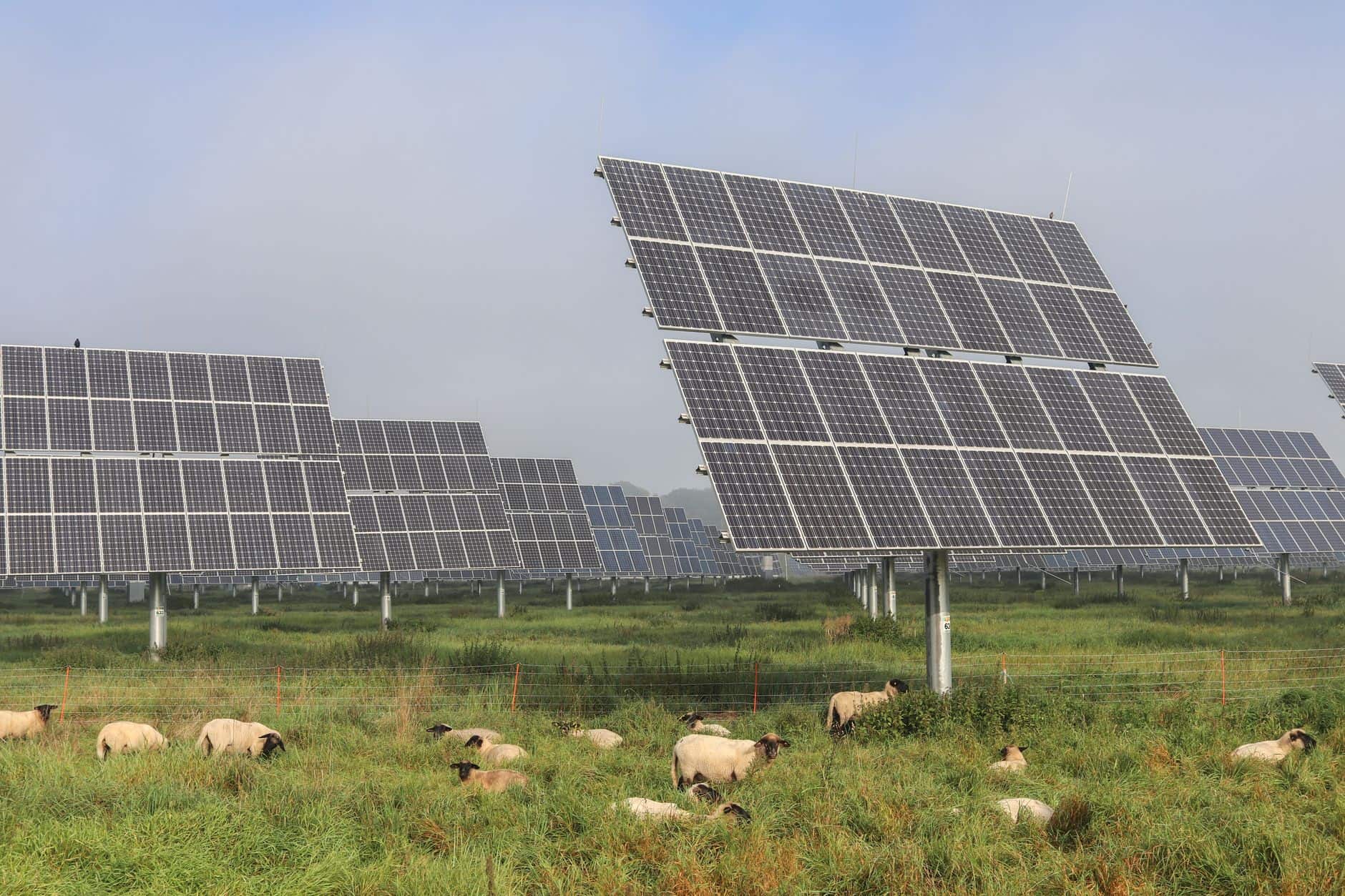
Agrivoltaics Goes Mainstream: Solar & Farming
Agrivoltaics is shedding its niche label and becoming a distinct industry, with growing global interest and new business models that put farmers at the centre.

Israel Needs Solar Now for Energy Security
Israel can keep cities lit during missile attacks by rapidly expanding rooftop solar, which pays for itself in under four years and boosts national resilience.
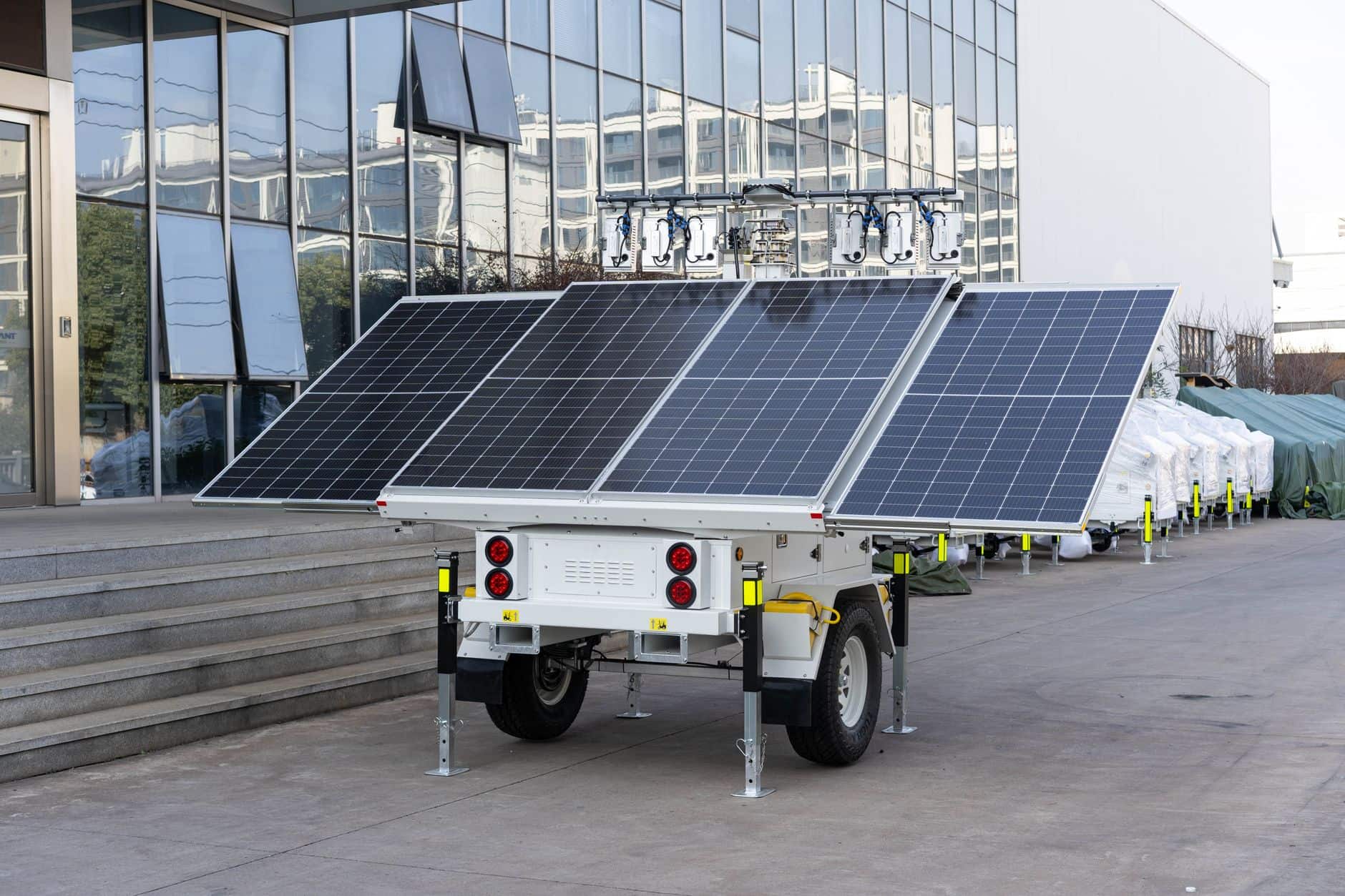
Medieval Festival Showcases Solar Power
Renningen’s 2013 medieval festival ran on a portable solar generator, highlighting how clean energy can power cultural events and offering a model for Israeli rooftop installations that pay back in under four years.

Why Women Still Face Double Standards in Solar
At Intersolar Europe 2026, Women in Solar+ Europe revealed that women still face double standards in visibility, credit, motherhood, and networking, and called for concrete allyship to change the industry.