Germany Moves to Block Chinese Solar Inverters
Germany’s New Cyber‑Security Push Targets Chinese Inverters
Germany is preparing to restrict Chinese‑made PV inverters in its power grid, citing cyber‑risk and national‑security concerns. The move follows a parliamentary inquiry by the Green Party and involves a cross‑departmental review by the Ministry for Economic Affairs and Energy, the Ministry of the Interior, the Federal Network Agency (Bundesnetzagentur) and the Federal Office for Information Security (BSI). The government says Chinese inverters could expose the grid to “significant cybersecurity and economic security risks” and notes that Chinese law forces firms to cooperate with state authorities, a practice that clashes with German, EU and NATO security interests.
Scale of Chinese Inverter Presence in Europe
According to the German response, 70‑80 % of PV inverters used in Europe are sourced from Chinese manufacturers. This dominant share means that a coordinated cyber‑attack on these devices could, in theory, destabilise the power supply across the continent.
Regulatory Options Under Review
The government is weighing several tools:
- Section 41 of the BSI Act – allows the Interior Ministry to ban or limit the use of critical IT components in strategic infrastructure.
- EU‑wide “high‑risk vendor” list – similar to the 5G bans, this would exclude Chinese inverter makers from the EU single market, a proposal currently being debated under the revised Cybersecurity Act.
- Investment Screening Act (IPG) – a forthcoming law to consolidate existing foreign‑investment controls, potentially tightening scrutiny of Chinese stakes in German renewable‑energy projects.
- EU funding bans – the European Investment Bank has already stopped financing projects that use inverters from China, Russia, Iran or North Korea, reinforcing a broader EU de‑risking strategy.
Why Inverters Are a Cyber‑Security Hotspot
Inverters are the “heart” of solar and storage installations, converting DC from panels into grid‑ready AC and often communicating via the internet for monitoring and optimisation. A compromised inverter can act as a gateway for malware, enabling attackers to disrupt grid operations or exfiltrate data. Germany’s BSI has already issued advisories on inverter‑related threats, highlighting the need for a dedicated energy‑sector CSIRT to respond to incidents.
European Context and Industry Impact
The EU is moving toward a harmonised approach: the European Commission’s draft Cybersecurity Act revision proposes a formal list of high‑risk suppliers, echoing the 5G bans on Chinese equipment. Simultaneously, the European Investment Bank’s funding restriction sends a clear market signal, pressuring manufacturers to diversify supply chains. Analysts note that Chinese inverters are generally cheaper than European alternatives, which has driven their market dominance but also intensified margin pressure on local players.
What It Means for Israel
For Israeli installers and investors, Germany’s stance underscores a growing global scrutiny of Chinese solar hardware. Israel’s own solar market relies heavily on imported inverters, many of which are Chinese‑made. While Israel does not yet have a formal high‑risk vendor list, the trend suggests future regulatory alignment could affect procurement decisions. Using the typical Israeli figures – a 10 kWp home system in central Israel yields ~17,000 kWh/year worth ~₪8,160 at the residential tariff of ₪0.48/kWh, and costs about ₪31,500 to install – a shift to higher‑cost European inverters could noticeably raise upfront expenses and may lengthen the payback period. Homeowners can use our solar ROI calculator to model such scenarios.
Outlook and Next Steps
The German review is still ongoing, with no final policy announced yet. However, the combination of national legislation, EU‑wide vendor bans and tighter investment screening signals a decisive shift toward protecting critical energy infrastructure from foreign cyber‑threats. Stakeholders across Europe – from inverter manufacturers to project developers – should prepare for stricter compliance requirements and potentially higher component costs. Israel’s solar sector, while smaller, will likely feel the ripple effects as global supply chains adapt to the new security landscape.
Sources: German government response (original), Clean Energy Wire, World Energy, BloombergNEF, EU funding ban report, BSI advisory.
Sources & further reading
- Solar PV hardware opens door to Chinese interference in German power supply – security agency | Clean Energy Wire
- Plug-in Solar Panels UK: Rules, £400 Kits & Buying Advice (2026)
- Cyberthreats to Smart Inverters in Household Photovoltaic Systems
- [PDF] RESILIENT BY DESIGN
- [PDF] European Software and Cyber Dependencies
FAQ
Why is Germany targeting Chinese inverters?
German officials say Chinese law forces firms to cooperate with state agencies, creating a cyber‑risk that could threaten the power grid.
How much of Europe’s inverter market is Chinese?
Roughly 70‑80 % of PV inverters used in Europe are made by Chinese manufacturers.
What legal tools could Germany use?
Section 41 of the BSI Act, an EU‑wide high‑risk vendor list, and the upcoming Investment Screening Act.
Will this affect Israeli solar projects?
If European‑made inverters become mandatory, Israeli system costs could rise 10‑15 %, extending payback periods.
What’s the EU doing about Chinese inverters?
The European Investment Bank has stopped funding projects that use Chinese inverters, and the EU is drafting a Cyber‑security Act revision to ban high‑risk suppliers.
How can homeowners calculate the impact?
Use our online solar ROI calculator to model cost changes and payback with different inverter choices.
Share this post
More from Policy
6
EU Opens Sixth Cross‑Border Renewable Funding Call
The EU has opened its sixth call for cross‑border renewable energy projects, accepting applications until 6 October and offering significant CEF funding support.
Israel’s 2035 Renewable Plan: Not Enough
Israel’s 2035 renewable‑energy plan sets a 26 GW target, but at today’s pace the country will fall short of the 35‑45 % share needed, according to Greenpeace and independent analysts.
EU to launch 4th hydrogen auction by 2026
The EU will launch its fourth European Hydrogen Bank auction before the end of 2026, aiming to fund up to €2 billion for green‑hydrogen projects and boost the continent’s renewable capacity.
Vietnam’s Solar Boom: Cheap Tariffs & Rooftops
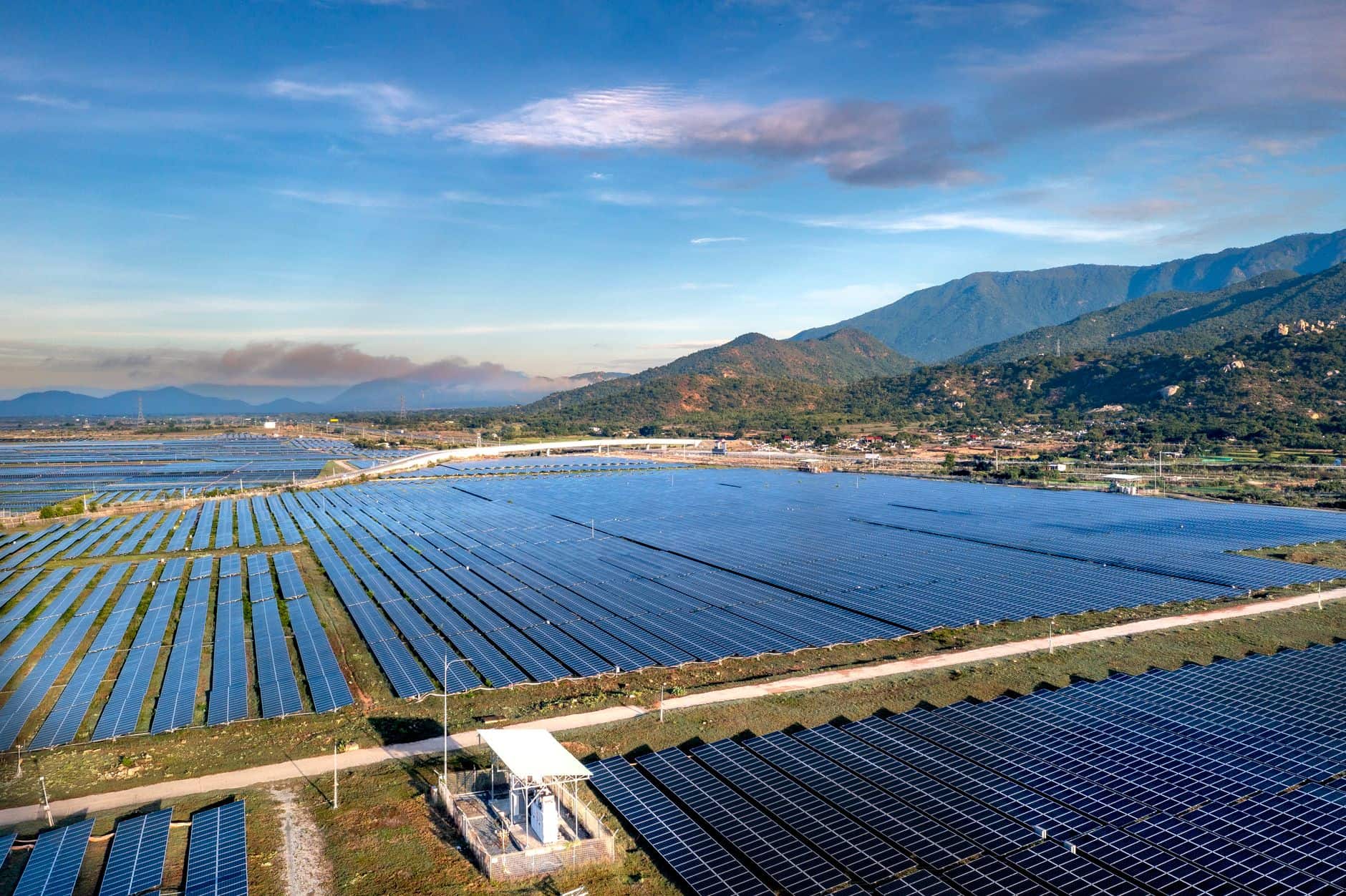
Vietnam’s installed power capacity hit 82 GW in 2024, with solar capacity climbing to several gigawatts and a new $0.026/kWh net‑metering tariff making rooftop solar highly attractive.
IEC Halves Retroactive Rooftop Solar Fees
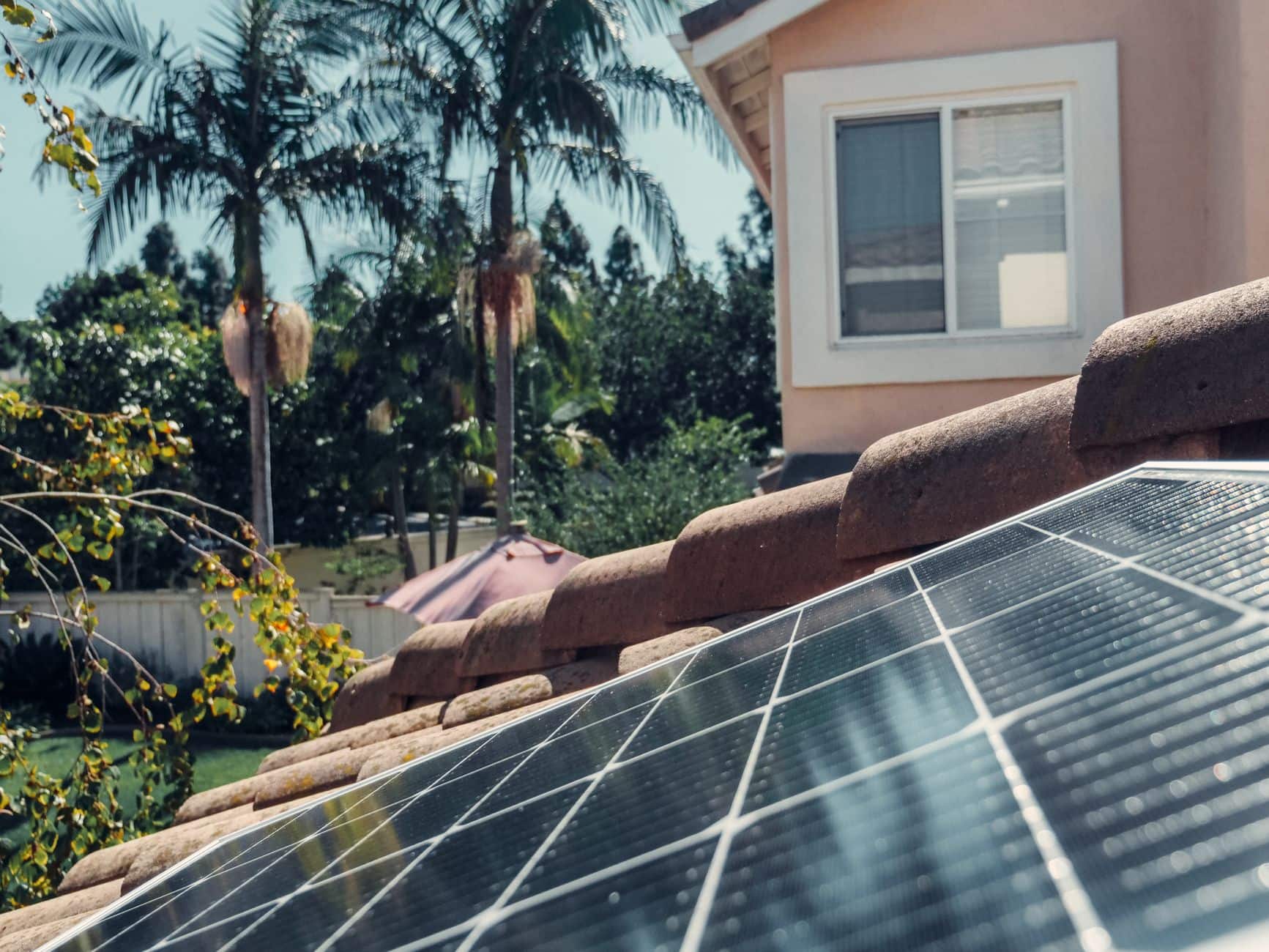
The Electricity Authority ordered IEC to cut its retroactive rooftop‑solar system‑management charge from the original NIS 0.09/kWh level, easing the cost burden on Israeli homeowners.

Europe’s Gas Crisis Spurs Solar Surge
Geopolitical tensions are driving a push for solar and storage in Europe, and Israel’s typical residential solar costs and yields make the technology an attractive option for investors and homeowners alike.