EcoFlow OASIS 3.0: AI Home Energy Manager
EcoFlow OASIS 3.0 launches as the most advanced AI‑driven HEMS for European homes
EcoFlow unveiled its OASIS 3.0 home energy management system (HEMS) at Intersolar 2026 in Munich, promising real‑time optimisation of solar generation, battery storage, EV charging and heat‑pump operation. The platform already serves more than 3.4 million users worldwide and is powered by the new EcoBot AI assistant that translates natural‑language commands into optimal energy schedules.
The launch was announced alongside a suite of new hardware – the STREAM 2 plug‑in solar range and the OCEAN 2 home‑battery portfolio – signalling EcoFlow’s ambition to control the whole residential energy stack source 2.
How OASIS 3.0 works: continuous data, intent‑driven actions
OASIS 3.0 constantly ingests four data streams: weather forecasts, real‑time electricity prices, household demand and user‑defined goals (e.g., lower bills, higher self‑sufficiency, backup power). The EcoBot AI engine then runs optimisation algorithms that decide when to charge the battery, when to run a heat pump or charge an EV, and when to export excess power.
A user can simply say, “Charge my car by 8 a.m. at the lowest cost,” and OASIS will select an appropriate low‑price window, balancing solar output, grid price and battery state‑of‑charge – no manual tariff tables or schedules needed. This intent‑driven approach moves HEMS from rule‑based automation to proactive service, a shift EcoFlow’s senior solutions manager Johan Pistone describes as “AI for people” source 3.
EcoBot AI: the brain behind the decisions
EcoBot is a conversational AI assistant embedded in the EcoFlow app. It learns from each interaction, refining its forecasts of solar generation and price spikes. When a sudden event occurs – for example, guests arrive and the household load spikes – EcoBot instantly re‑optimises, diverting stored energy to maintain comfort while still protecting the battery’s health.
According to EcoFlow’s own product page, the OASIS platform integrates with PowerInsight analytics, giving users a clear visual of energy flows and the reasoning behind each automated decision source 1.
Open ecosystem: not limited to EcoFlow hardware
Unlike many proprietary HEMS, OASIS 3.0 is built as an open platform. It can communicate via open APIs with third‑party inverters, smart thermostats, EV chargers and even non‑EcoFlow batteries. This flexibility lets installers and DIY‑enthusiasts mix and match components while still benefiting from the same AI optimisation.
European residential market context
The European residential energy storage market is projected to reach USD 7.78 billion by 2035, growing at a CAGR of 14.2 % source 15. At the same time, solar capacity additions are expected to exceed 16 GW by 2025 source 13. EcoFlow’s OASIS 3.0 arrives as households seek to capture more value from these expanding solar and storage assets, especially as many European countries are phasing out export incentives and moving toward time‑of‑use tariffs source 19.
What it means for Israel
A typical 10 kWp home system in central Israel produces about 17,000 kWh per year, valued at roughly ₪8,160 using the residential tariff of ₪0.48/kWh (see verified Israeli figures). Adding a battery and using optimisation software similar to OASIS can increase the share of self‑consumed solar energy and improve the economic return, potentially shortening the payback period compared with a battery alone.
For Israeli homeowners, the key takeaway is that intelligent software can turn a standard solar‑plus‑battery setup into a more efficient, cost‑effective asset, even without feed‑in tariffs. Our own solar ROI calculator (see /calculator) lets you model this scenario with local tariffs and installation costs.
Looking ahead: AI as the backbone of the residential grid
EcoFlow’s OASIS 3.0 demonstrates that the next wave of home energy management will be software‑first. As more households adopt solar panels, heat pumps and EVs, the need for real‑time, intent‑driven optimisation will only grow. Analysts at Frost & Sullivan already rank EcoFlow’s app as the global No. 1 smart‑home energy storage system by registered users, underscoring the market appetite for AI‑driven solutions source 1.
If European adopters see significant reductions in electricity bills, Israeli regulators and installers are likely to follow suit, integrating AI HEMS into new solar‑plus‑storage packages. The result could be a faster path to Israel’s 30 % renewable electricity target for 2030.
Bottom line
EcoFlow’s OASIS 3.0 is the first truly conversational, AI‑powered HEMS that can manage an entire home’s energy ecosystem with a single voice command. It promises lower bills, higher self‑sufficiency and reliable backup – benefits that are equally relevant for European and Israeli households looking to get the most out of their solar power systems.
Sources & further reading
- EcoFlow OASIS Home Energy Managment System | EcoFlow US
- EcoFlow Launches Multiple New Smart Energy Products for Homes and...
- EcoFlow unveils OASIS 3.0: Pioneering energy intelligence for the...
- What if energy could think ahead for you? At the EcoFlow 2026 Europe...
- smarter energy, AI-powered solutions, and a glimpse into the future...
FAQ
What is EcoFlow OASIS 3.0?
OASIS 3.0 is an AI‑driven home energy management system that continuously optimises solar generation, battery storage, EV charging and heat‑pump operation based on weather, price signals and user goals.
How does the EcoBot AI assistant work?
EcoBot listens to natural‑language commands (e.g., “Charge my car by 8 a.m.”) and instantly calculates the cheapest, cleanest charging window while balancing battery health and household demand.
Can OASIS 3.0 work with non‑EcoFlow devices?
Yes, OASIS 3.0 is built as an open platform with APIs that allow third‑party inverters, smart thermostats, EV chargers and other batteries to be managed by the same AI engine.
What savings could an Israeli homeowner expect?
A typical 10 kWp system plus a 5 kWh battery managed by OASIS‑style software could increase self‑consumption by ~20 %, adding about ₪1,600 in annual savings and shortening battery pay‑back to roughly five years.
Is OASIS 3.0 already available in Israel?
The launch is European, but the software can be deployed on any compatible hardware, so Israeli installers can integrate it with local solar‑plus‑storage kits.
How fast is the European residential storage market growing?
The market is projected to reach USD 7.78 billion by 2035, growing at a 14.2 % CAGR, driven by rising solar adoption and the need for smart energy management.
Share this post
More from Technology
6
Kyocera Tests Flexible Perovskite Panels in Japan
Kyocera has started outdoor trials of Sekisui Chemical’s 15 % efficient, flexible perovskite solar modules at six Japanese sites, a step toward Japan’s 20 GW perovskite goal by 2040.
Virtual Power Plants Are Powering US Homes
The U.S. virtual power plant market reached nearly 40 GW by mid‑2025, and a new Sunrun‑Tesla‑Renew Home partnership will aggregate 9 million homes to deliver 16.8 GW of flexible capacity, paying participants over $67 million in 2025.
Electrifying Industry Fuels Solar Demand Surge
Electrifying heavy industry is boosting global electricity demand, creating a surge in renewable capacity needs. In Israel, solar installations offer fast payback and can help meet the country’s renewable energy goals.
How Solar Panels Turn Sunlight Into Electricity
Solar panels convert sunlight into electricity via the photovoltaic effect, and a typical 15 kW Israeli rooftop system pays back in under four years while delivering clean power for decades.
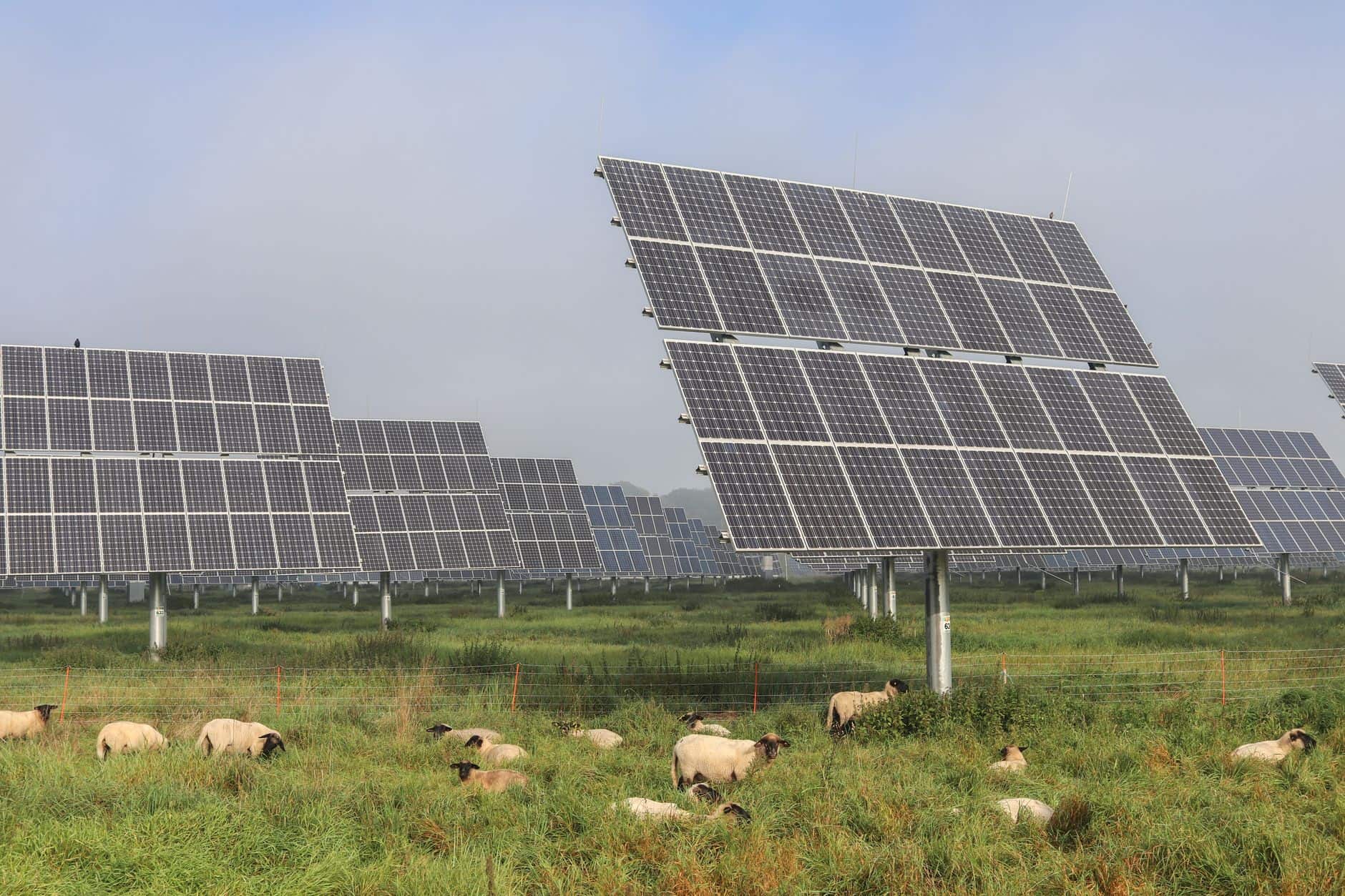
Agrivoltaics Goes Mainstream: Solar & Farming
Agrivoltaics is shedding its niche label and becoming a distinct industry, with growing global interest and new business models that put farmers at the centre.

Israel Needs Solar Now for Energy Security
Israel can keep cities lit during missile attacks by rapidly expanding rooftop solar, which pays for itself in under four years and boosts national resilience.