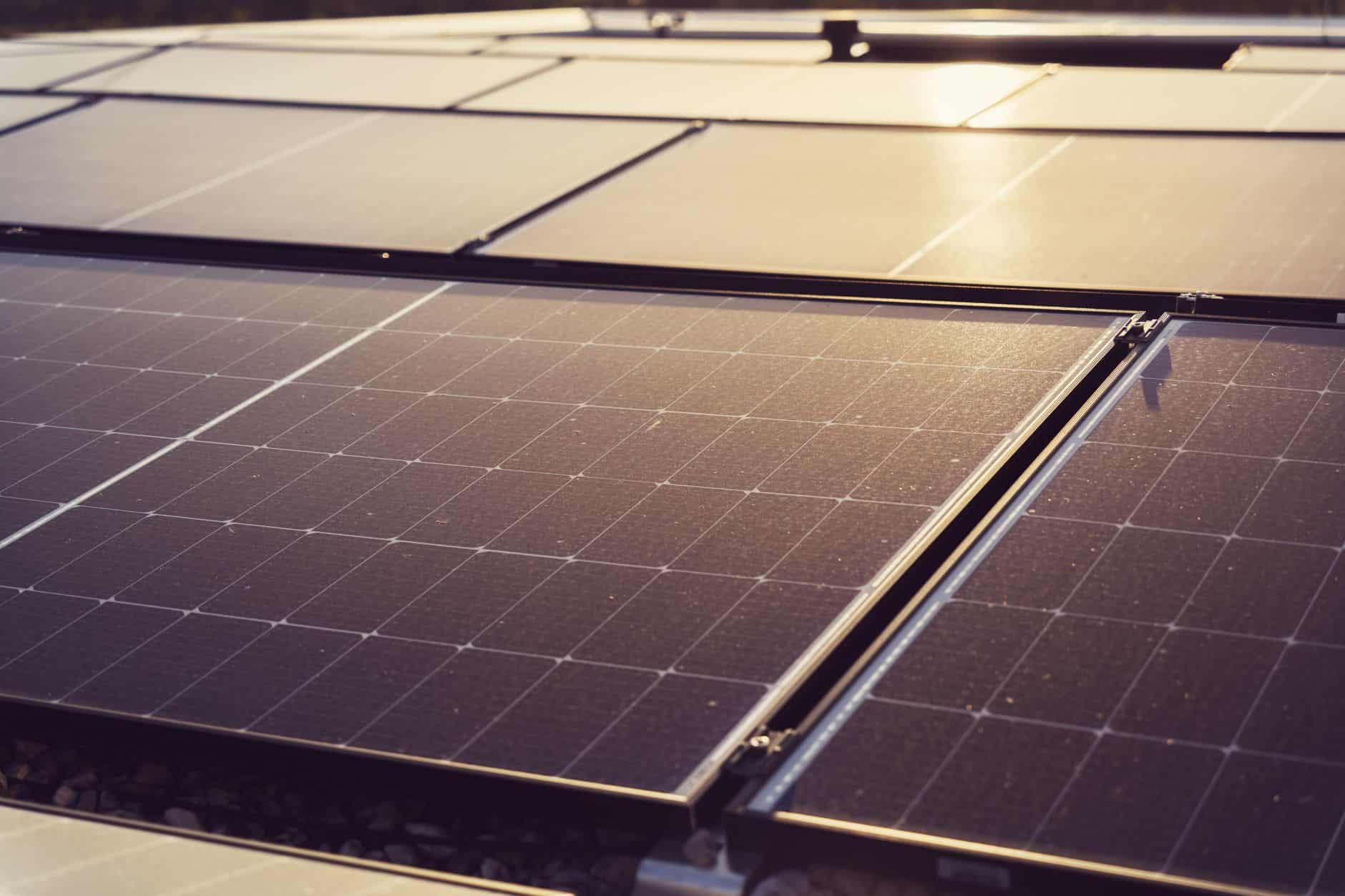
How Solar Panels Turn Sunlight Into Electricity
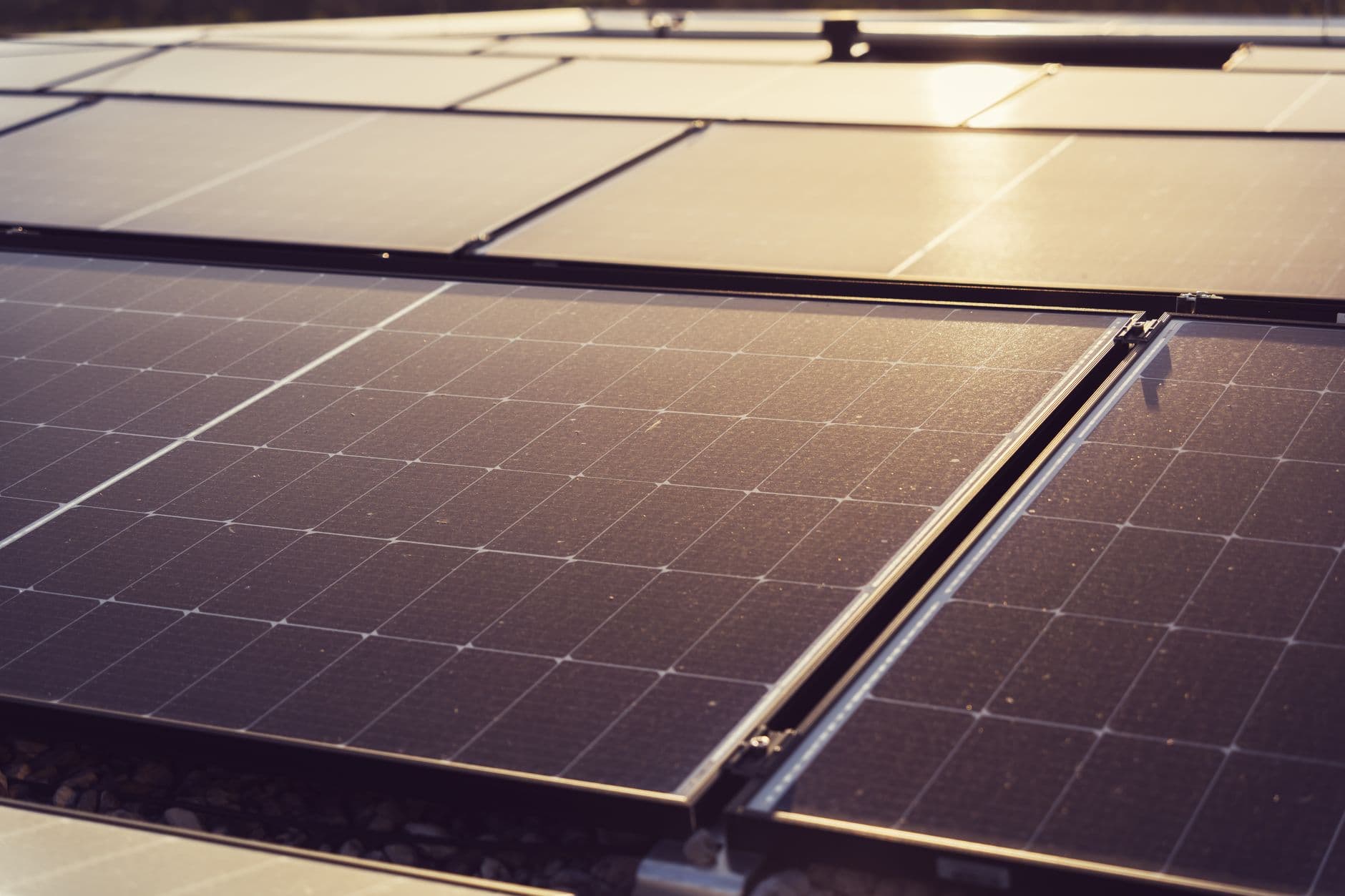
Solar panels convert photons into electricity – the basic physics
Solar panels generate electricity by using the photovoltaic (PV) effect: when sunlight hits silicon cells, photons knock electrons loose, creating a flow of current. In a typical silicon‑based module, each photon that hits the cell can free an electron, and the built‑in electric field drives those electrons toward metal contacts, producing direct current (DC) power. This process is described in many sources on solar technology Energy.gov.
The layers inside a solar module – what each does
A standard crystalline‑silicon panel consists of four key layers: (1) the glass front cover protects cells while letting most sunlight through; (2) the anti‑reflective coating reduces loss from reflected light; (3) the silicon wafer where the PV effect occurs, typically a p‑n junction that creates the internal electric field; and (4) the back sheet that shields the cells from moisture and mechanical damage. Bypass diodes are embedded in the module to keep the panel operating when part of it is shaded. Scientific American notes that the anti‑reflective coating can provide a modest boost in efficiency by capturing more photons Scientific American.
Types of solar panels and why price varies
Three main panel families dominate the market: monocrystalline, polycrystalline, and thin‑film. Monocrystalline cells are cut from a single silicon crystal, giving the highest efficiency and a premium price. Polycrystalline cells are sliced from multiple crystals, offering slightly lower efficiency but at a lower cost. Thin‑film panels, made from materials like cadmium telluride or flexible CIGS, are the lightest and can be rolled onto curved surfaces, though they generally deliver lower efficiency and a lower cost per watt. The price gap reflects material purity, manufacturing complexity, and yield rates, as reported by Israeli business daily Globes Globes.
Typical costs for a home solar system – numbers you can use today
In Israel, a turnkey residential installation costs about ₪3,150 per kWp. A 15 kW (≈15 kWp) rooftop system therefore requires an upfront investment of roughly ₪47,250. Using the typical central‑Israel yield of 1,700 kWh per kWp per year, the 15 kW array would produce about 25,500 kWh annually. At the residential feed‑in tariff of ₪0.48/kWh, that electricity is worth ≈₪12,240 per year. Simple payback is therefore ≈3.9 years, after which the system generates profit for the remaining ~21‑year lifespan. This calculation follows the representative Israeli figures.
What it means for Israel – a practical perspective
For the average Israeli homeowner, a 10 kWp system (the size often recommended for a typical family house) would generate ~17,000 kWh a year, translating to ≈₪8,160 in avoided electricity purchases. With the same ₪3,150/kWp install cost, the payback sits at just under 4 years, well before the 25‑year design life ends. Over the system’s lifetime, the homeowner would avoid emitting roughly 8,500 kg of CO₂ (0.5 kg per kWh), equivalent to planting ≈425 trees for a year each. These figures illustrate why rooftop solar is both an economic and environmental win in Israel’s push toward a 30 % renewable electricity target by 2030.
Future trends and emerging tech – where solar is heading
Beyond the classic silicon panels, the market is seeing rapid growth in bifacial modules that capture light from both sides, increasing yields in reflective environments. Perovskite‑silicon tandem cells are achieving very high efficiencies in laboratory settings and could lower the cost per kWh once mass‑produced. Flexible thin‑film panels are gaining traction for retrofitting historic buildings and integrating into building‑integrated photovoltaics (BIPV). As the Israeli grid operator NOGA modernizes the distribution network, higher‑penetration rooftop solar will be supported by smarter inverters and storage solutions, paving the way for a more resilient, decentralized energy system.
Takeaway: Solar panels turn sunlight into electricity through the photovoltaic effect, and in Israel a typical 15 kW rooftop system pays for itself in under four years while delivering clean power for decades. The technology continues to evolve, promising even higher efficiencies and broader applications in the years ahead.
FAQ
How do solar panels actually generate electricity?
When photons hit a silicon cell, they free electrons, creating a flow of direct current that is later converted to AC for home use.
What are the main types of solar panels?
Monocrystalline (high efficiency, premium price), polycrystalline (mid‑range efficiency and cost), and thin‑film (lightweight, lower efficiency).
How much does a typical residential solar system cost in Israel?
Around ₪3,150 per kWp, so a 10 kW system costs roughly ₪31,500 and a 15 kW system about ₪47,250.
What is the payback period for a home solar system in Israel?
Using current tariffs, a 10 kW system pays back in about 3.9 years; a 15 kW system is similar, under four years.
How much CO₂ can an Israeli rooftop solar system avoid?
Each kWh avoids ~0.5 kg of CO₂, so a 10 kW system (≈17,000 kWh/yr) prevents about 8.5 tons of CO₂ annually.
Will future solar technologies lower costs further?
Yes—bifacial panels, perovskite‑silicon tandems and flexible thin‑film modules are expected to raise efficiency and cut the cost per kWh.
Share this post
More from Technology
6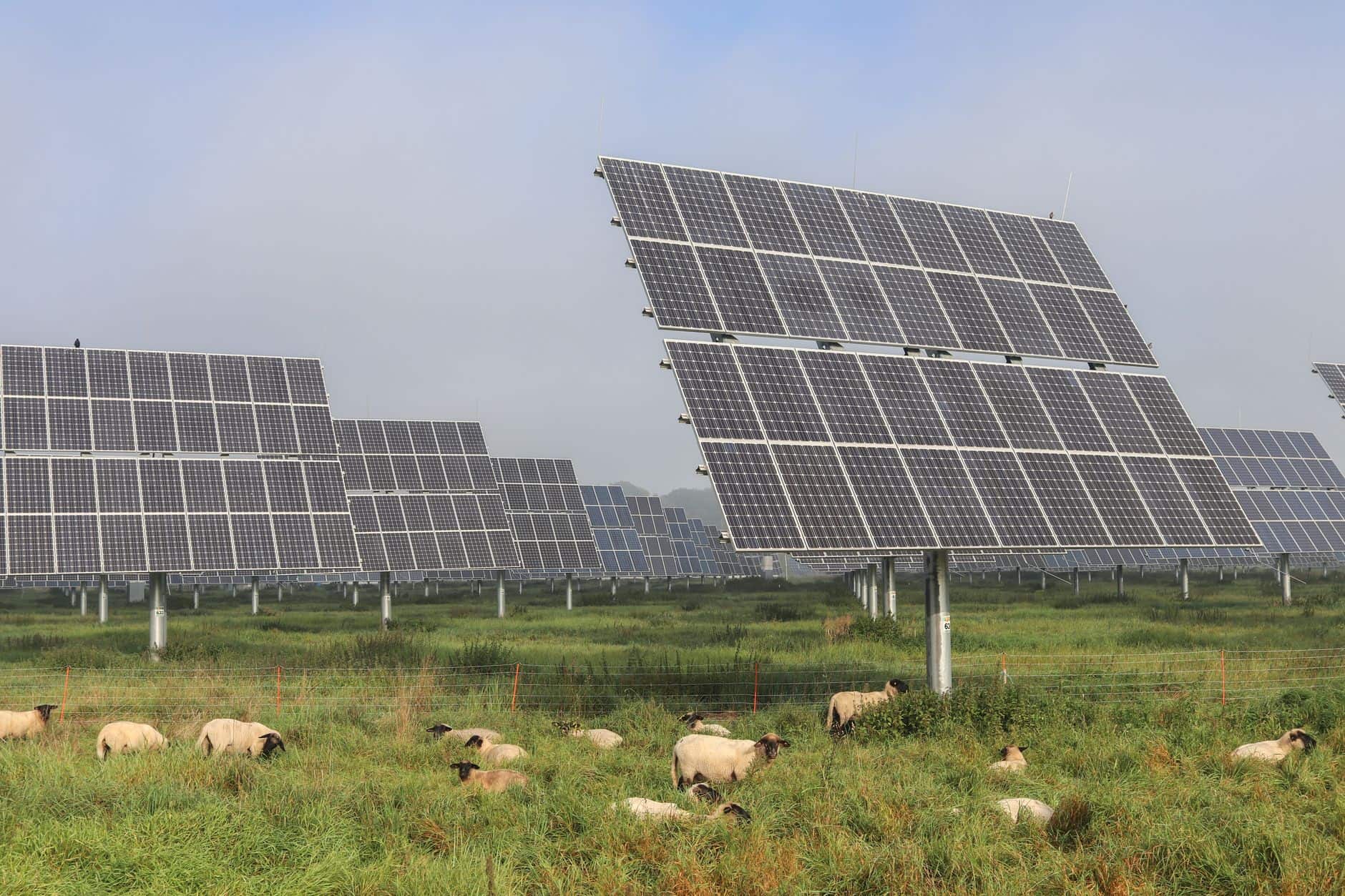
Agrivoltaics Goes Mainstream: Solar & Farming
Agrivoltaics is shedding its niche label and becoming a distinct industry, with growing global interest and new business models that put farmers at the centre.

Israel Needs Solar Now for Energy Security
Israel can keep cities lit during missile attacks by rapidly expanding rooftop solar, which pays for itself in under four years and boosts national resilience.
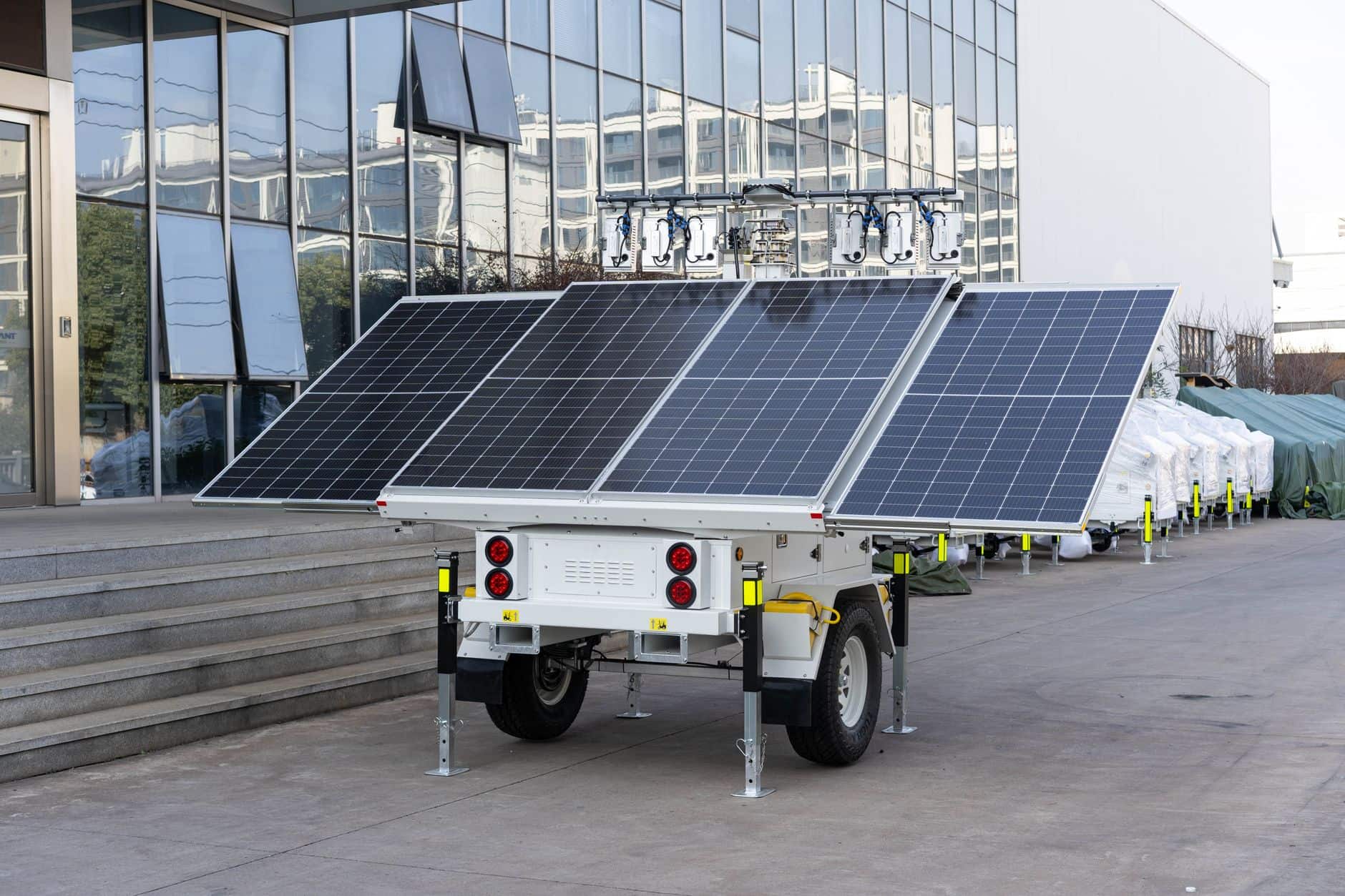
Medieval Festival Showcases Solar Power
Renningen’s 2013 medieval festival ran on a portable solar generator, highlighting how clean energy can power cultural events and offering a model for Israeli rooftop installations that pay back in under four years.

Why Women Still Face Double Standards in Solar
At Intersolar Europe 2026, Women in Solar+ Europe revealed that women still face double standards in visibility, credit, motherhood, and networking, and called for concrete allyship to change the industry.
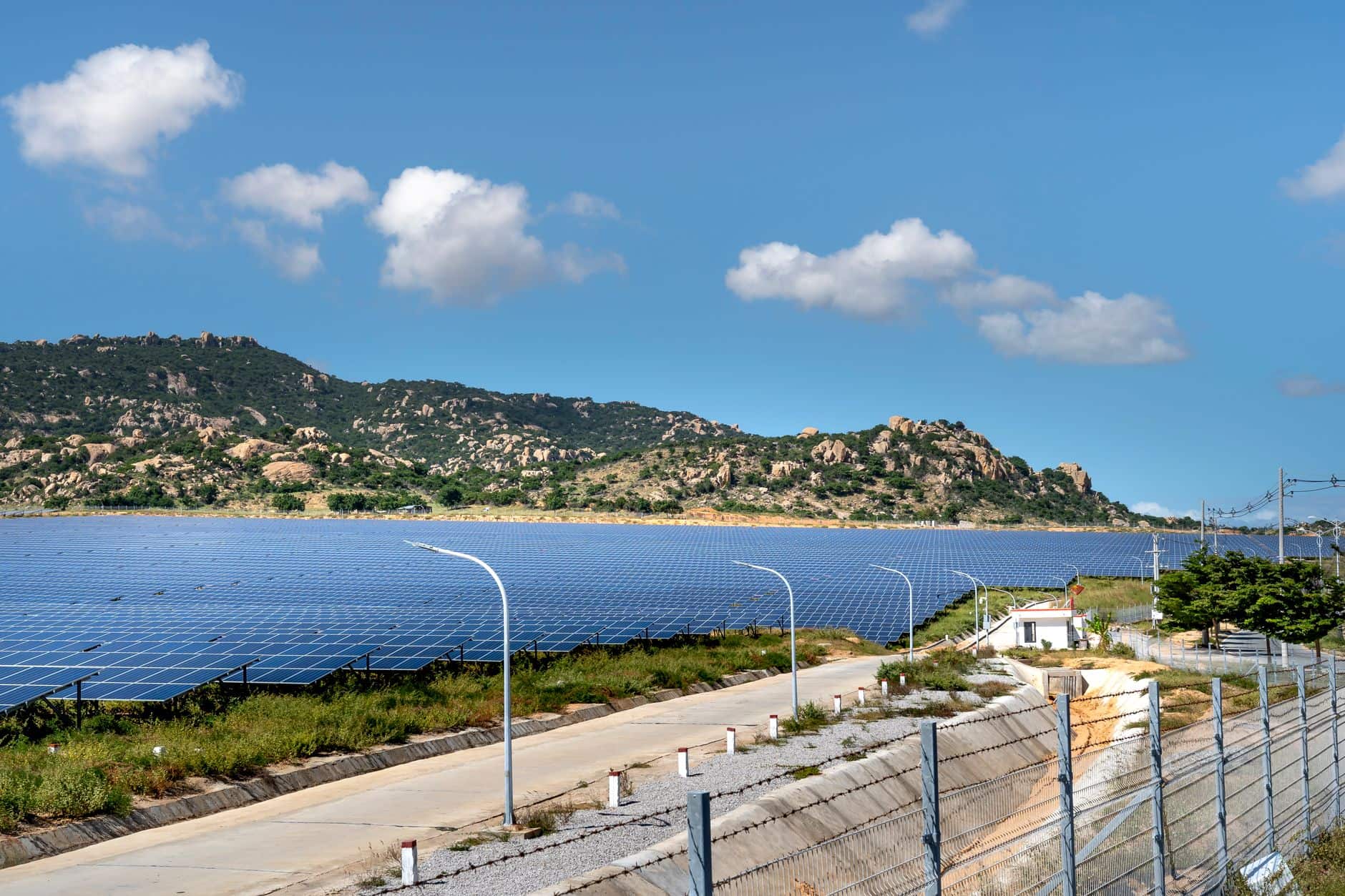
East Asia’s May Sun Boosts Solar Output by 15%
May 2026 saw coastal East Asia bathed in clear skies, pushing solar irradiance up to 15 % above the long‑run average, with Japan’s Tokyo and Osaka recording record‑sunny months.
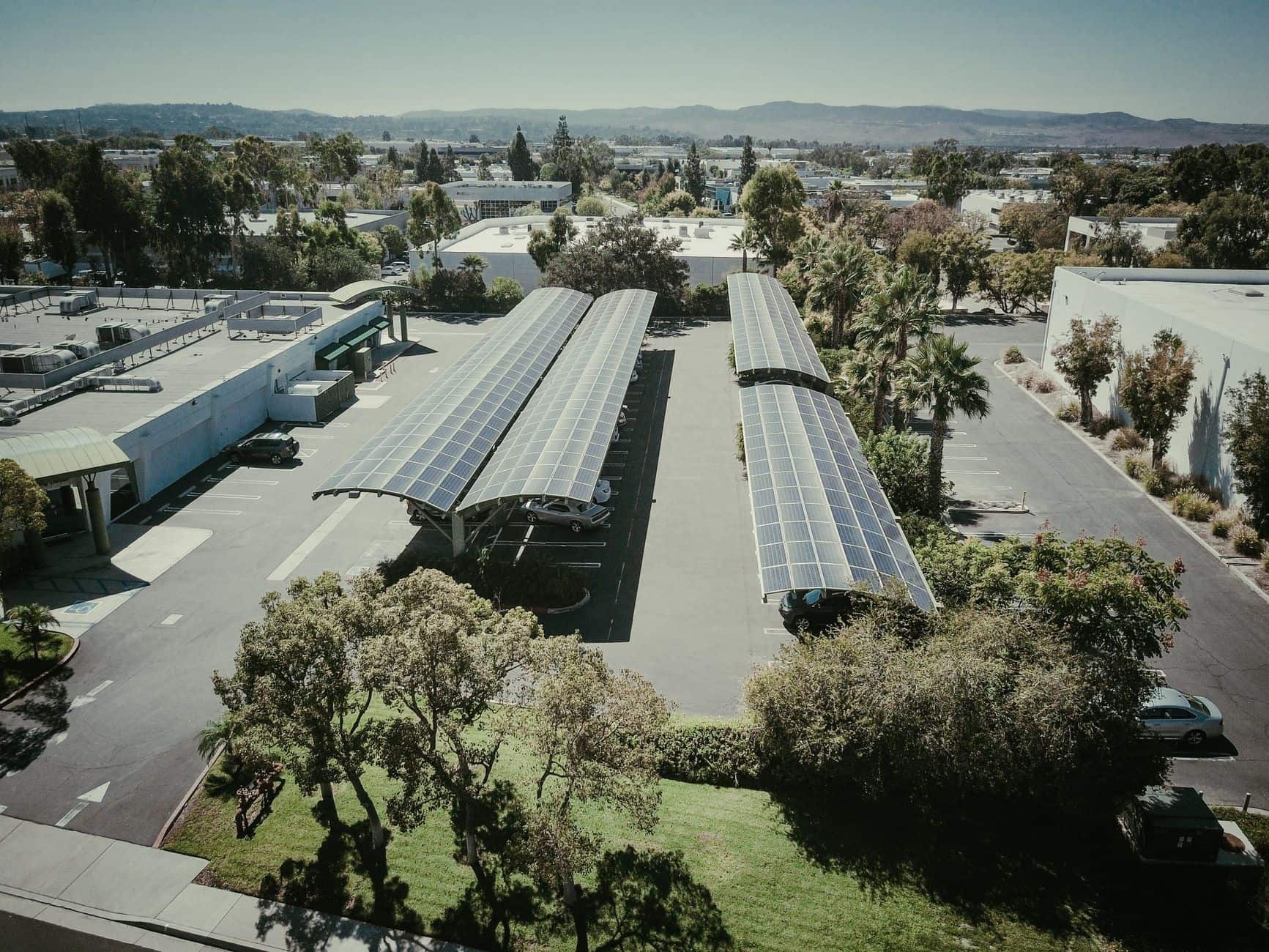
NextPower’s Acquisition Blitz Powers Solar Expansion
NextPower now supplies almost every utility‑scale solar component except PV modules and battery cells, after a rapid acquisition spree that added inverters, storage platforms and mounting systems.