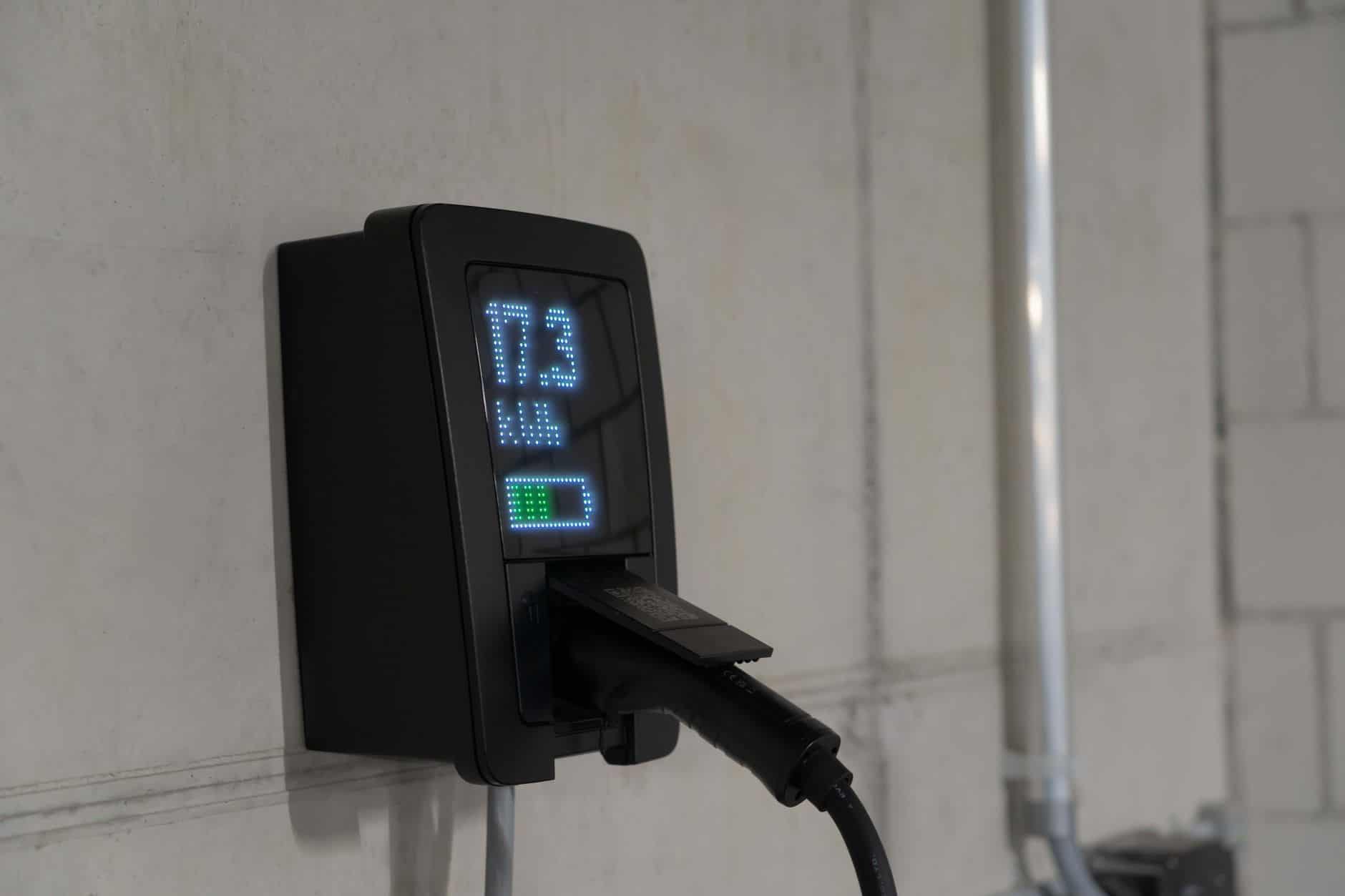
Virtual Power Plants Are Powering US Homes
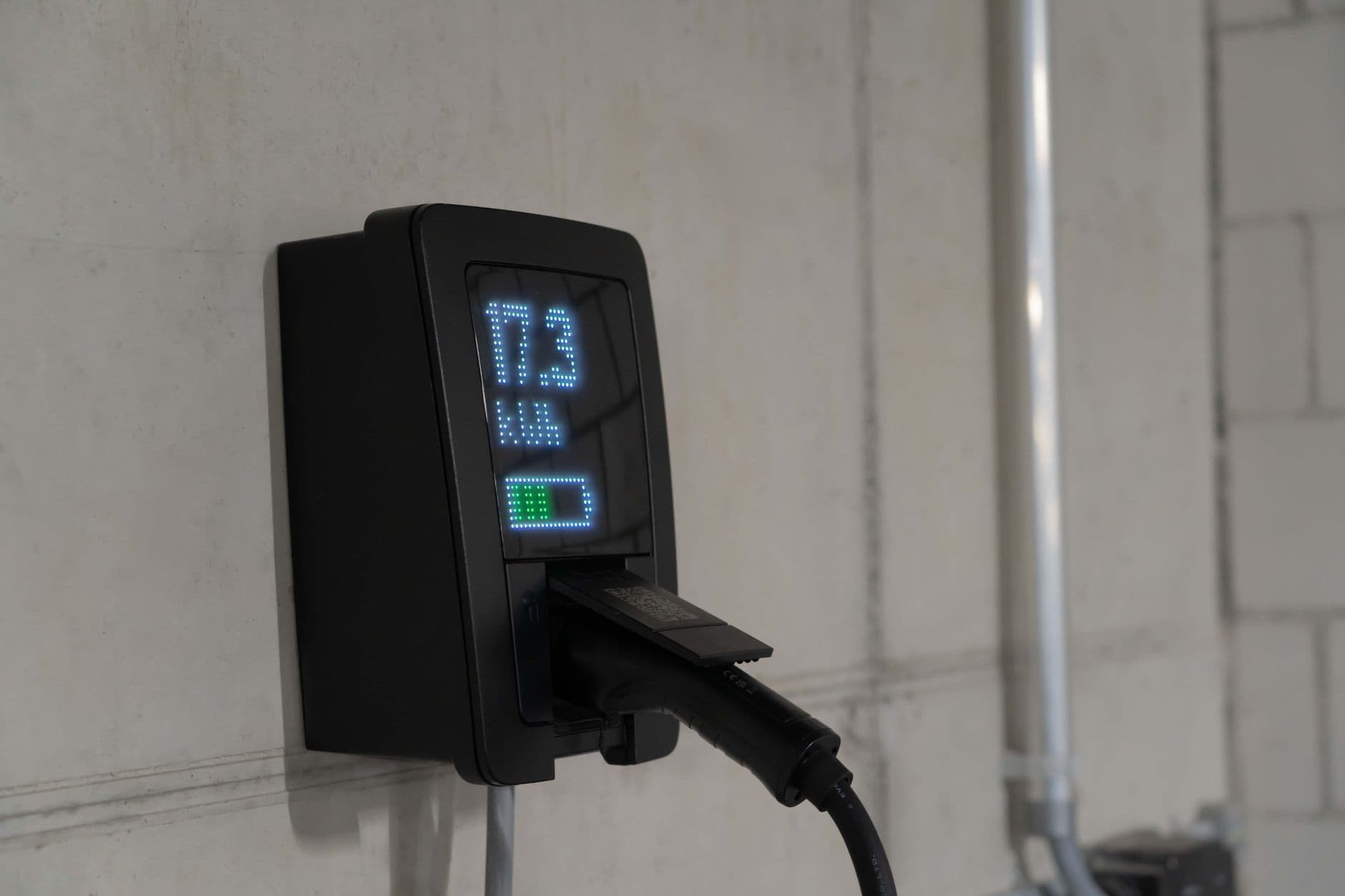
Virtual Power Plants are now a mainstream grid resource
Virtual power plants (VPPs) have moved from pilot projects to a core tool that utilities use to balance demand in real time. By aggregating home batteries, smart thermostats and other distributed energy resources, VPPs can shave peaks, avoid costly peaker plants and even keep neighborhoods lit during emergencies.
The US VPP market hit ~40 GW by mid‑2025
Analysis from Wood Mackenzie shows the total U.S. VPP capacity reached nearly 40 GW by mid‑2025 – enough to supply roughly 30 million homes under normal operating conditions. Historically only about 10 % of that capacity came from residential programs, with the remaining 90 % supplied by commercial and industrial (C&I) users.
Sunrun, Tesla and Renew Home lock in 16.8 GW of residential flexibility
In a landmark three‑way partnership, Sunrun, Tesla and Renew Home announced a framework to aggregate the flexibility of 9 million American homes, delivering up to 16.8 GW of capacity – 9.0 GW from smart thermostats and 7.8 GW from home batteries. This is the largest residential VPP program ever announced in the United States.
Homeowners earned >$67 million in 2025 from VPP participation
The same companies disclosed that participants were paid more than $67 million in 2025 for allowing their batteries or thermostats to respond to grid signals. That translates to an average of roughly $7–8 per household for the 9 million homes involved.
Four states hold half the capacity – California leads
Geographically, California, Texas, Puerto Rico and Florida together account for over 50 % of the program’s total capacity. California alone contributes 4.66 GW. Capacity is roughly split as 6.2 GW in the western states, 6.0 GW in the east and 4.6 GW in the central U.S.
Puerto Rico proved VPPs can stop blackouts
During a 2025 grid emergency, 70,000 Tesla Powerwalls enrolled in the island’s VPP automatically injected power, allowing the utility Luma to avoid the rolling blackouts it would otherwise have imposed. Kevin Joyce, Tesla’s VPP lead, called the event “the most rigorous real‑world test” of residential VPPs.
What this means for Israel’s rooftop solar owners
For Israeli homeowners, the U.S. VPP boom illustrates a clear revenue path beyond the traditional feed‑in tariff. Using the typical Israeli figures (residential tariff ≈ ₪0.48 /kWh, install cost ≈ ₪3,150 /kWp, central‑region yield ≈ 1,700 kWh/kWp yr), a 5 kWp rooftop system would generate about 8,500 kWh/yr, worth ≈ ₪4,080 annually. At a cost of ≈ ₪15,750, the simple payback is ≈ 3.9 years.
If the homeowner opts into a VPP that pays the leasing‑share rate of ₪0.14 /kWh for exported flexibility, that adds roughly ₪1,190 /yr (8,500 kWh × 0.14). The combined revenue (≈ ₪5,270) shortens the payback to about 3 years, and the extra cash continues for the system’s 25‑year lifetime. In other words, a VPP can turn a standard rooftop investment into a faster‑paying, higher‑return asset – exactly the kind of model that helped U.S. households earn millions last year.
Outlook: faster adoption and regulatory push
Industry analysts expect the VPP market to keep expanding at a CAGR of over 20 % through 2028, driven by tighter peak‑demand rules, falling battery costs and new state incentives. As more utilities adopt automated enrollment and third‑party financing, the barrier of “confusing paperwork” is disappearing, paving the way for millions of additional homes to join the grid‑balancing effort.
For Israeli readers who want to crunch their own numbers, try our solar ROI calculator and explore the latest market data on our data page.
Sources & further reading
- US DOE shows that virtual power plants are very real | Wood Mackenzie
- CPower Recognized as Leader in Virtual Power Plant Market for Third...
- [PDF] Pathways to Commercial Liftoff: Virtual Power Plants 2025 Update
- [PDF] How Virtual Power Plants Unlock Cleaner, More Affordable Electricity...
- [PDF] Virtual Power Plants and Energy Justice - Publications | NLR
FAQ
What is a virtual power plant?
A virtual power plant aggregates many small energy assets—like home batteries and smart thermostats—so they act together like a single, dispatchable power plant.
How much capacity does the US VPP market have now?
By mid‑2025 the market reached almost 40 GW, enough to supply roughly 30 million U.S. homes.
Which companies are leading the residential VPP push?
Sunrun, Tesla and Renew Home announced a partnership to pool the flexibility of 9 million homes, targeting up to 16.8 GW of capacity.
Do homeowners actually get paid?
Yes – participants earned more than $67 million in 2025, averaging about $7‑8 per household.
Can Israeli rooftop owners benefit from VPPs?
If a typical 5 kWp system joins a VPP paying the Israeli leasing rate (₪0.14 /kWh), payback drops from ~3.9 years to about 3 years.
What’s the biggest US state for VPP capacity?
California leads with 4.66 GW of aggregated residential flexibility.
Share this post
More from Technology
6
Electrifying Industry Fuels Solar Demand Surge
Electrifying heavy industry is boosting global electricity demand, creating a surge in renewable capacity needs. In Israel, solar installations offer fast payback and can help meet the country’s renewable energy goals.
How Solar Panels Turn Sunlight Into Electricity
Solar panels convert sunlight into electricity via the photovoltaic effect, and a typical 15 kW Israeli rooftop system pays back in under four years while delivering clean power for decades.
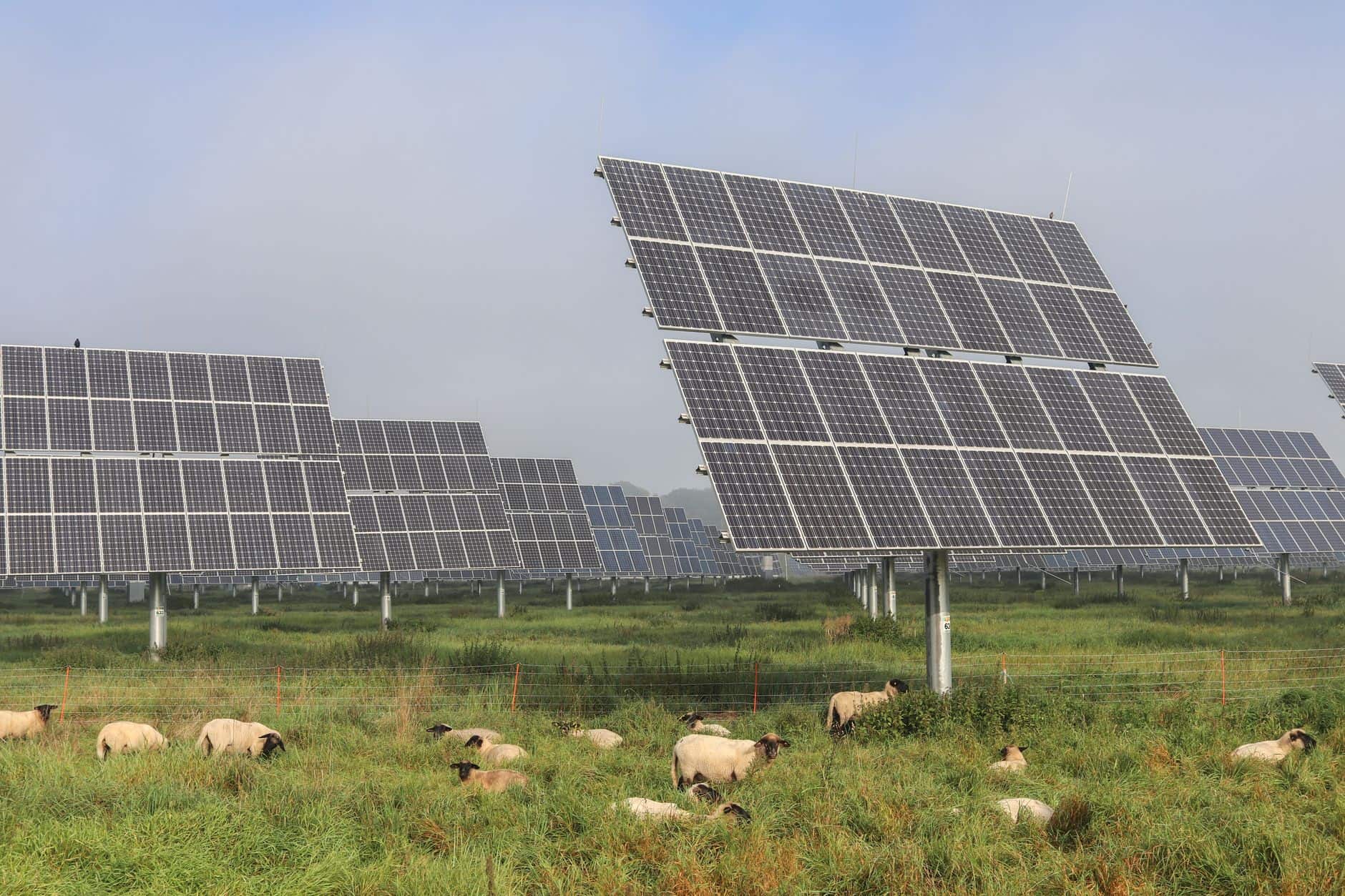
Agrivoltaics Goes Mainstream: Solar & Farming
Agrivoltaics is shedding its niche label and becoming a distinct industry, with growing global interest and new business models that put farmers at the centre.

Israel Needs Solar Now for Energy Security
Israel can keep cities lit during missile attacks by rapidly expanding rooftop solar, which pays for itself in under four years and boosts national resilience.
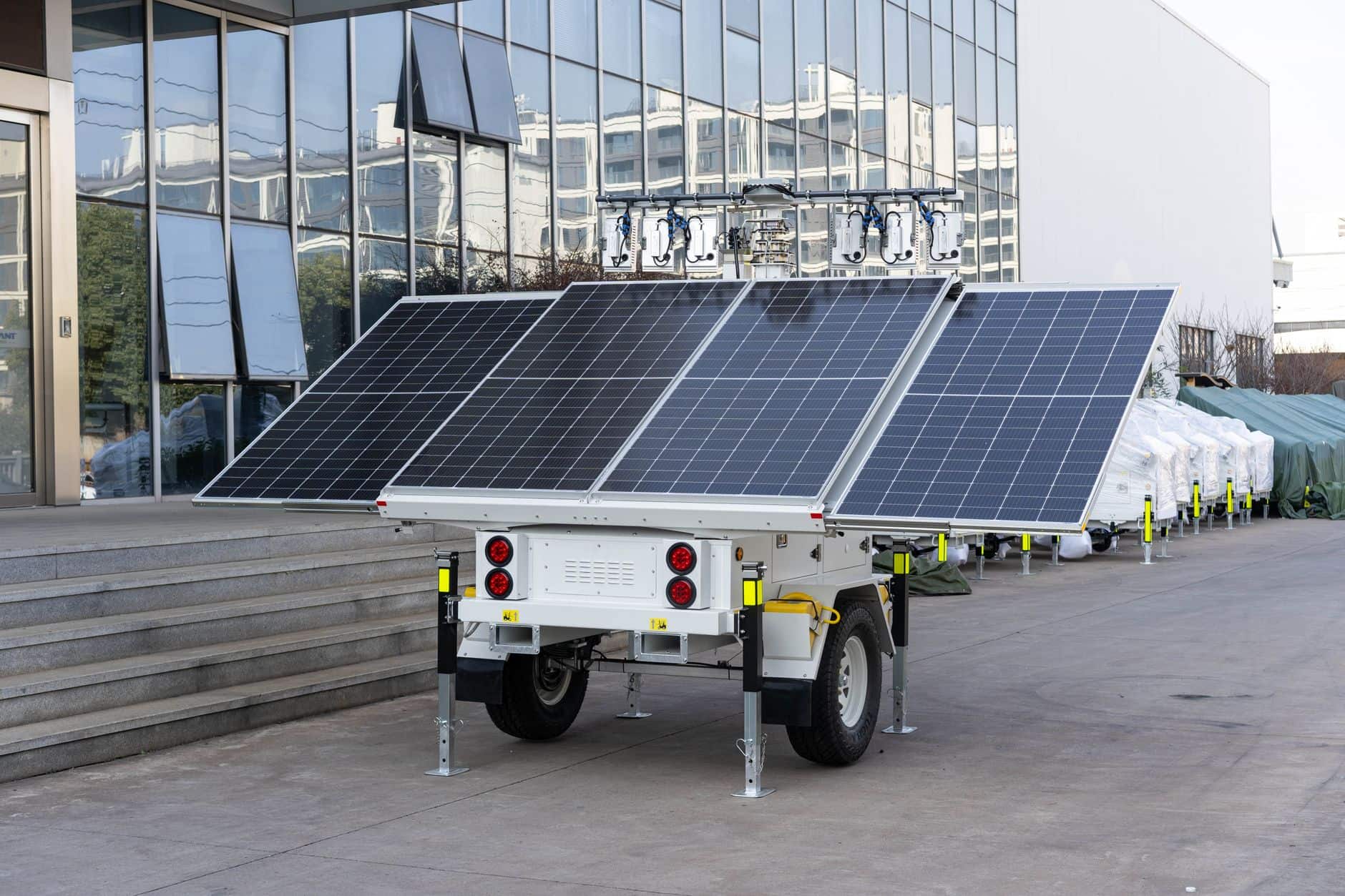
Medieval Festival Showcases Solar Power
Renningen’s 2013 medieval festival ran on a portable solar generator, highlighting how clean energy can power cultural events and offering a model for Israeli rooftop installations that pay back in under four years.

Why Women Still Face Double Standards in Solar
At Intersolar Europe 2026, Women in Solar+ Europe revealed that women still face double standards in visibility, credit, motherhood, and networking, and called for concrete allyship to change the industry.