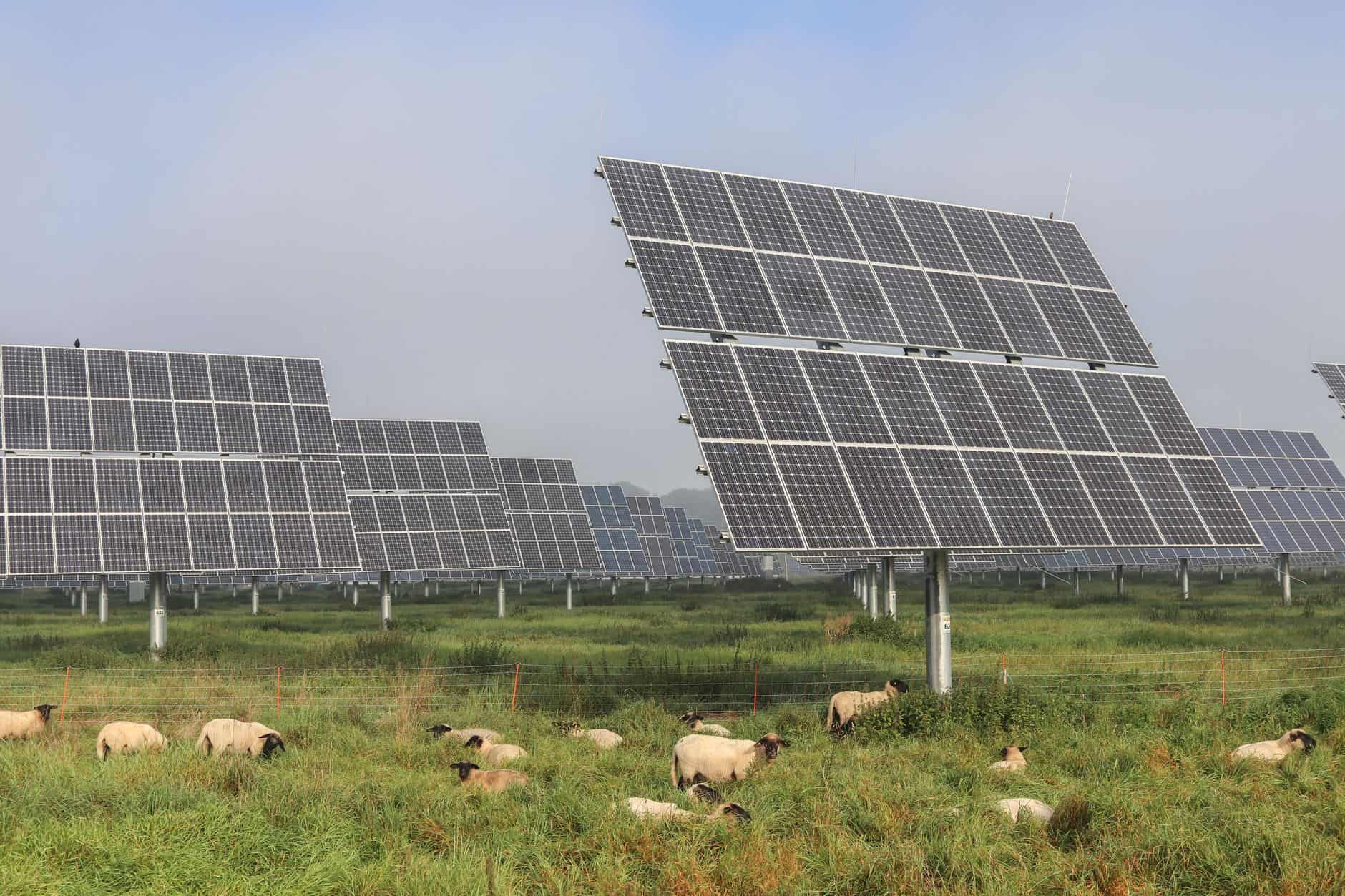
Agrivoltaics Goes Mainstream: Solar & Farming
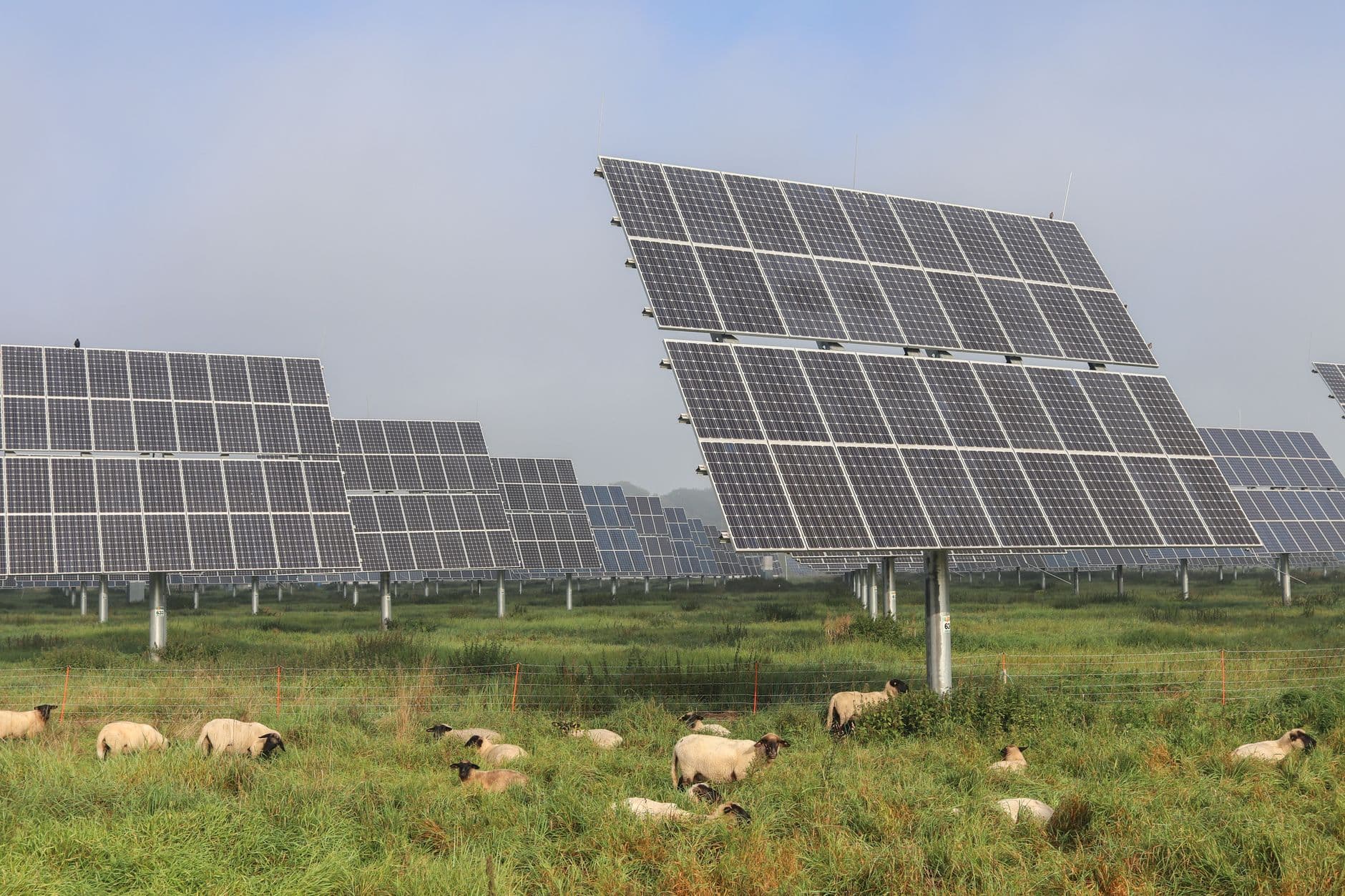
Agrivoltaics is now a standalone industry, not just a land‑use workaround
Agrivoltaics has shed its “plan B” label and is being built as an independent market segment with its own technical, agronomic and business models, says Jochen Hauff, senior advisor to the Global Solar Council (GSC) PV Magazine. The sector is moving from a niche fix for land‑scarcity to a structured industry that requires agronomists, new financing structures and long‑term farmer partnerships.
Global momentum shows a fast‑growing market
Industry observers note that agrivoltaics is no longer a fringe concept but a rapidly expanding segment worldwide, with increasing interest from developers, investors and policy makers.
Definitions are still fluid, so the GSC created a task force
One of the biggest barriers to scale is the lack of a common definition. The Global Solar Council has launched an Agri‑PV Task Force to map existing national definitions and propose a set of core categories – “strict” vs. “broad” agrivoltaics – that can be used worldwide Global Solar Council – Agri‑PV. The task force brings together solar developers, agronomists and policy makers to avoid the “one‑size‑fits‑all” trap that Hauff warns about.
Technical trade‑offs: energy output vs. crop performance
There are clear trade‑offs between energy generation and agricultural productivity. Shading from PV panels can affect crop yields, while at the same time providing micro‑climatic benefits such as lower wind speed, reduced evapotranspiration and higher soil moisture. The exact balance depends on panel height, spacing and crop selection.
Economics: subsidies help, but viability is possible without them
Public programmes in Italy, France and Germany still provide subsidies that improve project economics, yet Hauff argues that a well‑designed agrivoltaic farm can be as financially attractive as a standard PV plant when the value of agricultural co‑benefits (e.g., higher yields of premium crops, water savings) is factored in PV Magazine. A recent policy review highlights that economic incentives remain uneven globally, but the trend is toward market‑based revenue streams rather than heavy subsidies ScienceDirect review.
Scaling up: from pilot plots to larger farms
Large‑scale agrivoltaic installations have demonstrated that the technology can be deployed at significant sizes when integrated with grain or pasture production. In Europe, mid‑size projects are emerging because they balance economies of scale with manageable agronomic complexity PV Magazine. Cooperative ownership models—where several neighboring farms share a single PV array—are also being explored as a way to spread risk and keep a portion of the land for food production.
What agrivoltaics means for Israel
Using Israel’s typical commercial feed‑in tariff of ₪0.41 /kWh and a commercial installation cost of ₪2,200 /kWp, a 1 MWp agrivoltaic system in the central region (average yield ≈ 1,700 kWh/kWp / yr) would generate about 1.7 GWh / yr of electricity. At the commercial tariff this equals roughly ₪697,000 / yr in revenue. The upfront cost would be ₪2.2 million, giving a simple payback of about 3.2 years. Over a 25‑year lifetime, the system could avoid ≈ 850 t of CO₂ (0.5 kg CO₂ / kWh × 1.7 GWh) and free up land for crops, supporting Israel’s 30 % renewable electricity target for 2030.
Outlook: a new rural partnership model for the energy transition
Hauff concludes that agrivoltaics is a convergence point for food, water and power. If engineers broaden their focus beyond pure cost‑minimisation and embed agronomic expertise, the sector can deliver soil health, water‑use efficiency and climate resilience alongside clean electricity. For Israel, embracing agrivoltaics could accelerate the 2030 renewable target, improve water management in arid regions, and create a durable partnership model between solar developers and the farming community.
What it means for Israel (expanded)
- Typical 10 kWp rooftop system (central Israel) produces ≈ 17,000 kWh / yr, worth ₪8,160 at the residential tariff (₪0.48/kWh). At a ₪31,500 install cost, payback is ≈ 3.9 years – a benchmark that shows even small‑scale PV is already attractive.
- Agrivoltaic farms can replicate this economics at a larger scale while adding agricultural revenue, making the model especially relevant for Israel’s water‑scarce, high‑sunlight regions.
- Policymakers and the Electricity Authority could consider co‑funding mechanisms for the agricultural co‑benefits (e.g., premium prices for shade‑tolerant crops) to further shorten payback and boost farmer adoption.
For a quick estimate of your own solar ROI, try our calculator. For the latest Israeli market data, visit our data page.
Sources & further reading
FAQ
What is agrivoltaics?
Agrivoltaics combines solar panels with active farming on the same land, generating electricity while crops grow underneath.
Why is agrivoltaics considered a new industry?
Experts say it now requires its own business structures, agronomic expertise and long‑term farmer relationships, rather than being a simple land‑use workaround.
How big is the global agrivoltaics market?
It was valued at about US$5.1 billion in 2024 and is forecast to reach roughly US$12.5 billion by 2030.
Can agrivoltaic farms be profitable without subsidies?
Yes – when the electricity revenue and the added value of higher‑quality or water‑saving crops are included, projects can match the economics of standard PV plants.
What is the payback period for a 1 MWp agrivoltaic system in Israel?
Using typical Israeli tariffs and costs, a 1 MWp system would pay back in about 3.2 years.
How does agrivoltaics help Israel’s renewable targets?
By generating clean power on existing farmland, it adds capacity without consuming extra land, supporting the 30 % renewable electricity goal for 2030.
Share this post
More from Technology
6
Israel Needs Solar Now for Energy Security
Israel can keep cities lit during missile attacks by rapidly expanding rooftop solar, which pays for itself in under four years and boosts national resilience.
Medieval Festival Showcases Solar Power
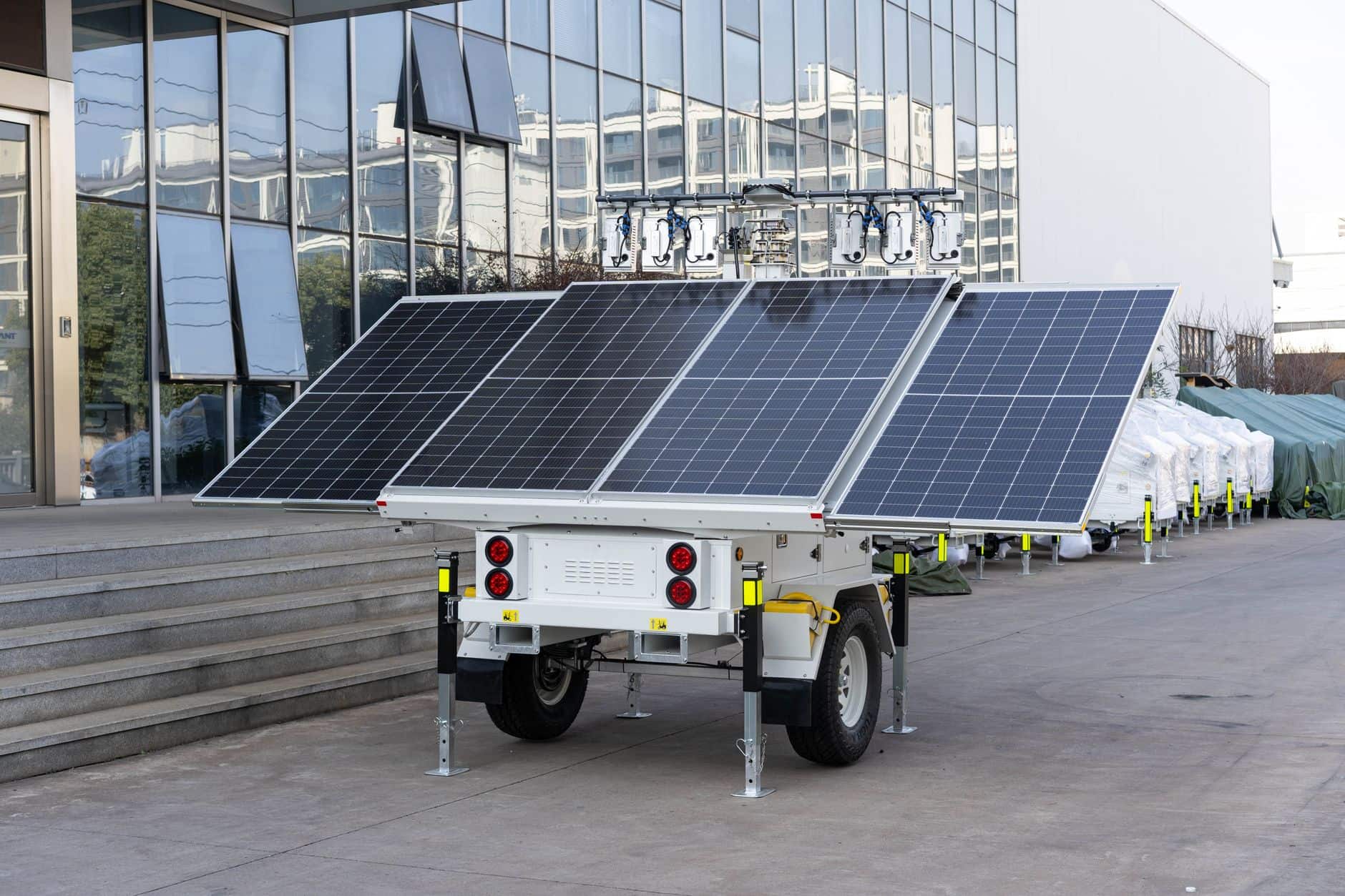
Renningen’s 2013 medieval festival ran on a portable solar generator, highlighting how clean energy can power cultural events and offering a model for Israeli rooftop installations that pay back in under four years.

Why Women Still Face Double Standards in Solar
At Intersolar Europe 2026, Women in Solar+ Europe revealed that women still face double standards in visibility, credit, motherhood, and networking, and called for concrete allyship to change the industry.
East Asia’s May Sun Boosts Solar Output by 15%
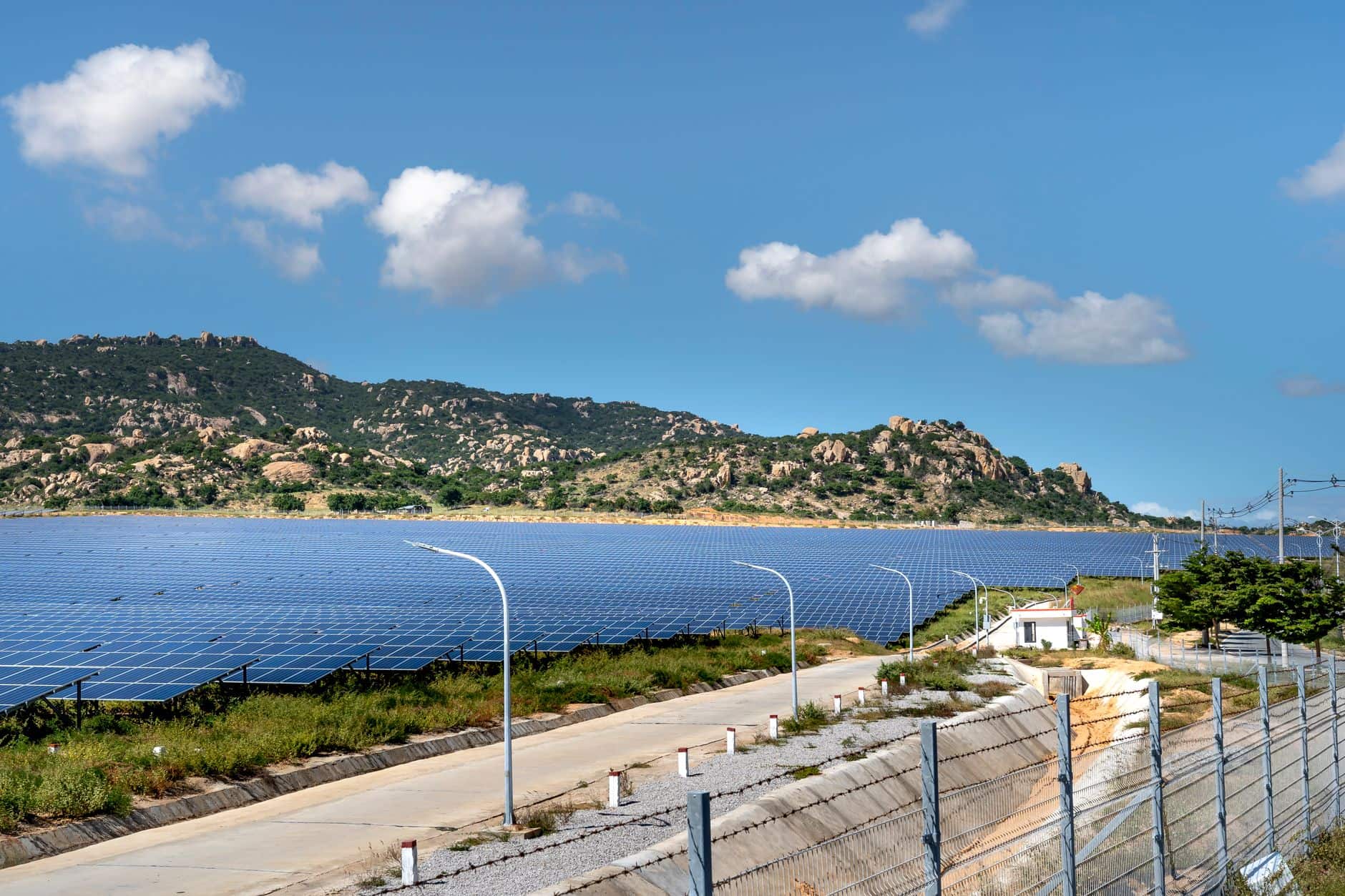
May 2026 saw coastal East Asia bathed in clear skies, pushing solar irradiance up to 15 % above the long‑run average, with Japan’s Tokyo and Osaka recording record‑sunny months.
NextPower’s Acquisition Blitz Powers Solar Expansion
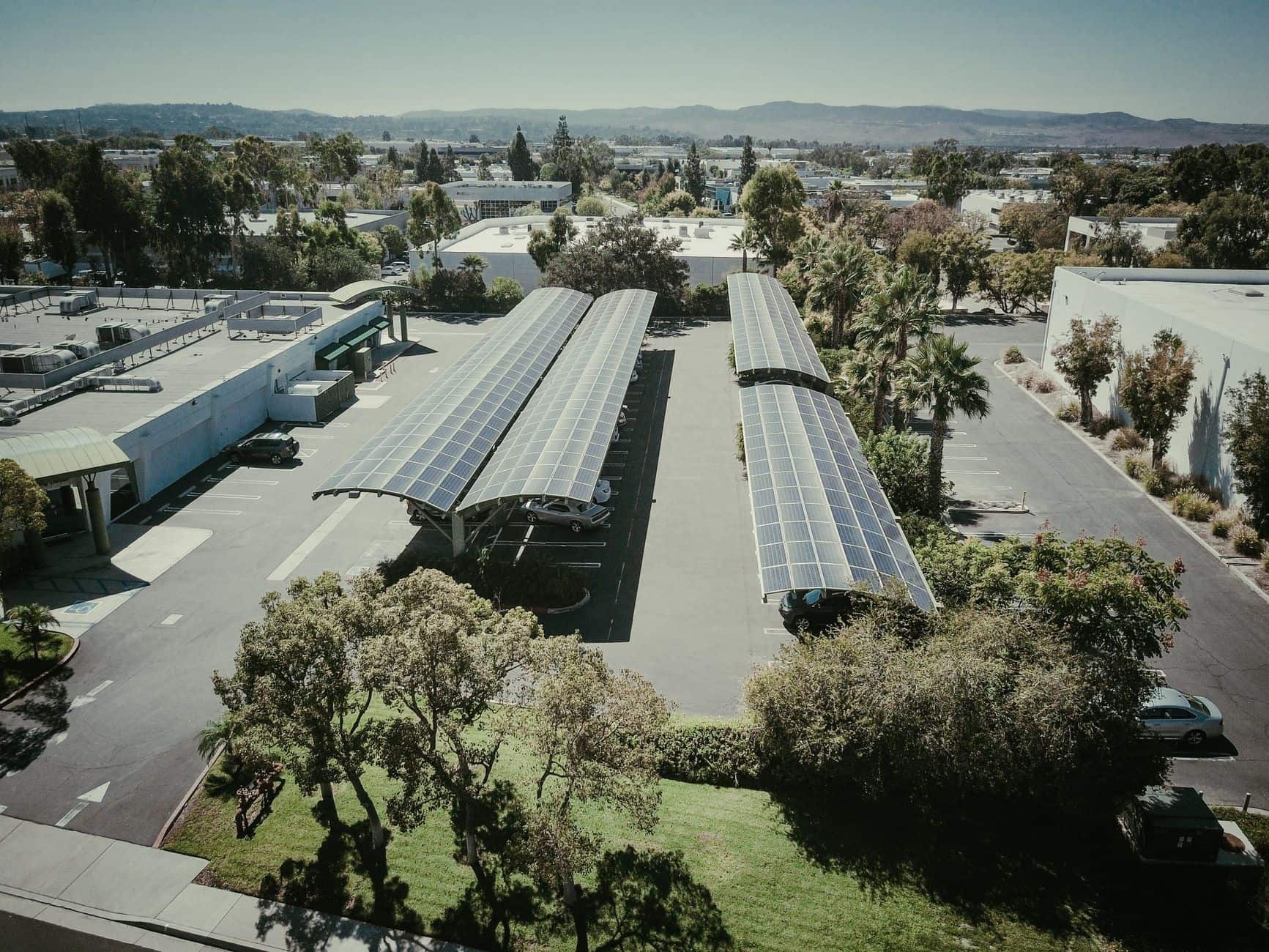
NextPower now supplies almost every utility‑scale solar component except PV modules and battery cells, after a rapid acquisition spree that added inverters, storage platforms and mounting systems.
Solar Skills Shortage Hits Europe’s Fast‑Growing Market
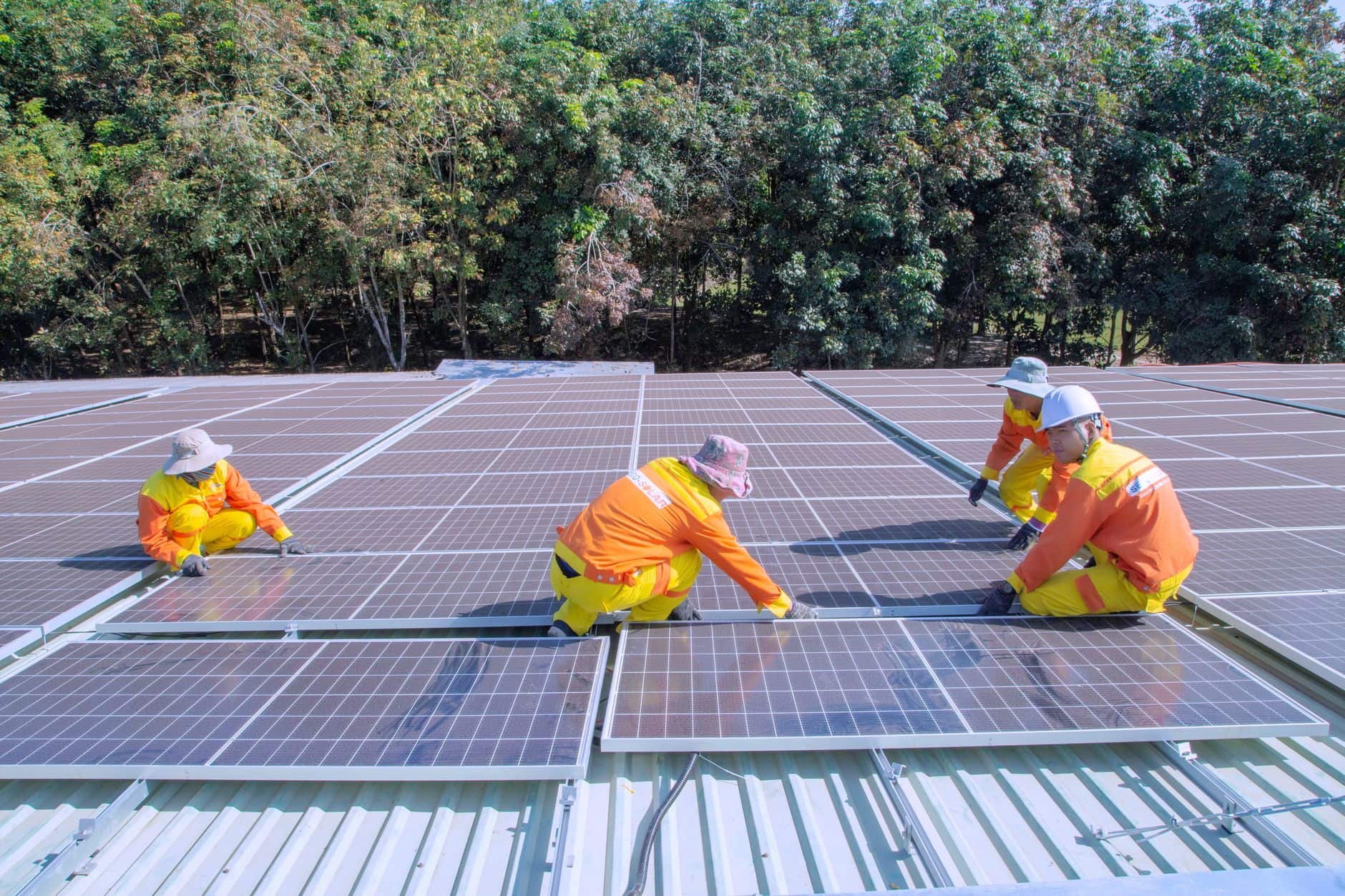
Europe needs 800,000 new solar technicians by 2026, and a shortage of qualified workers is already slowing project roll‑outs, threatening both the continent’s renewable targets and Israel’s solar ambitions.