
Modular AC‑Coupled Battery Boosts C&I Solar

Atmoce’s M‑ELV BattBank delivers up to 56 kW continuous power in a plug‑and‑play box
Atmoce’s newly announced M‑ELV BattBank provides 16.08 kWh of usable energy per module and can be stacked to 112.56 kWh (seven modules) while delivering a continuous 56 kW output. Each added module contributes an extra 8 kW, letting industrial and commercial users size the system exactly to their peak‑shaving or backup needs.
Every module runs its own inverter, so a weak pack never drags the whole system down
Unlike traditional serial‑linked battery strings, the BattBank’s packs are equipped with individual inverters that are switched on sequentially. This architecture guarantees that each module operates at its own maximum efficiency, and the Atmoce Matrix Control continuously balances the modules in real time. The result is an AC‑coupled solution with round‑trip efficiency above 90 % and an instant discharge of up to 12 kW per pack for 10 seconds.
Lithium‑iron‑phosphate chemistry makes the system safe, long‑lasting and cost‑competitive
The BattBank uses LFP cells (314 Ah, 57.6 V max DC) rated for up to 10,000 cycles. Independent research shows LFP batteries typically exceed 2,000 cycles and cost about 30 % less than competing chemistries while offering superior thermal stability. Recent price trends confirm LFP cell prices have been falling steadily in 2024, reinforcing the economic case for large‑scale C&I storage.
The market is ripe: Europe and North America are pouring billions into storage
SolarPower Europe projects that 200 GW of battery storage will be needed across the EU by 2030, while the North American BESS market is forecast to grow at a 16.7 % CAGR through 2031. Europe’s C&I solar‑plus‑storage segment alone is experiencing “staggering” growth, according to industry observers. Atmoce’s modular, cascade‑able design is positioned to capture a share of this expanding demand.
What it means for Israel: a realistic pay‑back for commercial rooftops
For a typical Israeli commercial rooftop (100 kW) in the central region, annual solar production is about 1,700 kWh · kW⁻¹ × 100 kW = 170,000 kWh (≈₪69,700 at the commercial tariff of ₪0.41/kWh). Adding a full‑scale BattBank cluster (112.56 kWh) that can be cycled once per day would shift roughly 37,000 kWh of energy per year (112.56 kWh × 365 days × ≈90 % efficiency). At the commercial tariff, that translates to an annual value of around ₪15,000, effectively shaving peak‑demand charges and reducing grid imports. With a typical installation cost for commercial solar of ₪2,200/kWp, the combined solar‑plus‑storage system would still achieve a simple pay‑back well within the 10‑year horizon that many Israeli investors target. Interested readers can run a detailed ROI scenario in our solar calculator or explore sector data on our market page.
Outlook: modularity could become the default for C&I storage
The BattBank’s stackable, AC‑coupled architecture removes the need for a single, oversized inverter and simplifies scaling as a business grows. As LFP prices keep dropping and European‑style capacity markets reward fast response, more Israeli manufacturers and developers are likely to adopt similar modular solutions. Expect to see pilot projects in industrial parks and large commercial rooftops within the next 12‑18 months, especially as the Electricity Authority pushes for higher renewable penetration (30 % by 2030).
Sources & further reading
FAQ
What is AC‑coupled storage and how does it differ from DC‑coupled?
AC‑coupled storage connects to the grid on the AC side, letting the battery use its own inverter and operate independently of the PV inverter, which simplifies retrofits and improves flexibility.
Why does each BattBank module have its own inverter?
Separate inverters prevent a weaker module from limiting the whole system, so every pack runs at its peak efficiency and the Matrix Control can balance power in real time.
How safe are lithium‑iron‑phosphate (LFP) batteries?
LFP cells are thermally stable, non‑flammable and can exceed 2,000 cycles, making them safer and longer‑lasting than many other lithium chemistries.
Can the BattBank be expanded later?
Yes, the system is cascadeable; you can add up to seven modules, each adding 8 kW of power and 16.08 kWh of storage.
Is the BattBank suitable for Israeli climate conditions?
The units operate from –30 °C to +55 °C and use intelligent air cooling, so they can handle Israel’s hot summers and cooler nights.
How does the BattBank help meet Israel’s renewable targets?
By storing solar output, it enables more of the generated electricity to be used locally, reducing reliance on the grid and supporting the 30 % renewable electricity goal for 2030.
Share this post
More from Storage
6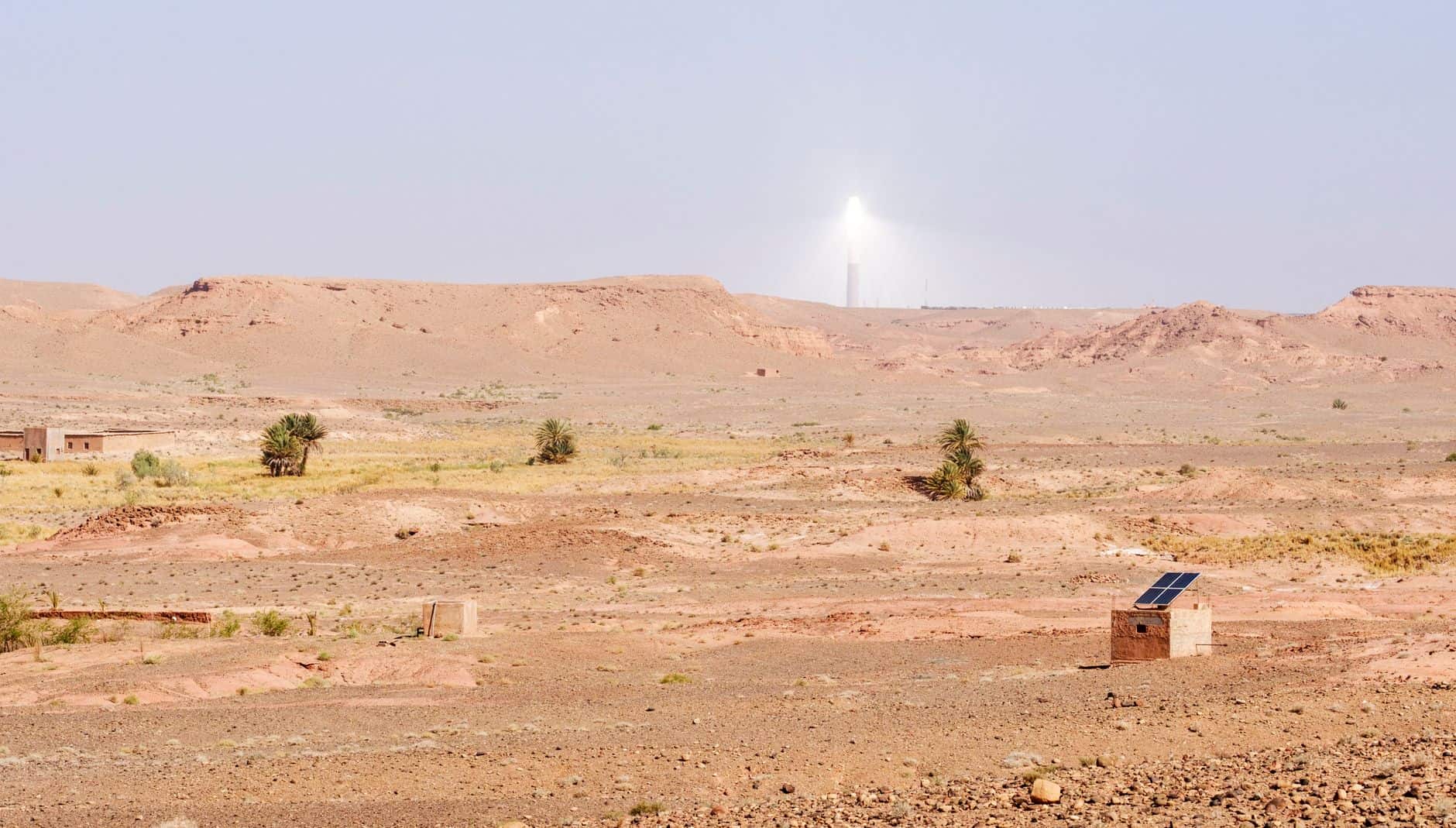
World Bank Funds 300 MW Moroccan Pumped Hydro
The World Bank approved a $265 million package to fund Morocco’s 300 MW Ifahsa pumped‑hydro plant, a storage project that will enable up to 1 GW of new solar and wind capacity while cutting renewable curtailment by 340 GWh each year.
Ireland’s 23 MW Carbon Battery Set for 2028
Energy Dome, with Google’s backing, will build a 23 MW/200 MWh carbon‑dioxide battery in County Offaly, Ireland, secured by a 10‑year capacity contract and slated for operation in 2028.
Why BESS Quality Controls Make Projects Bankable
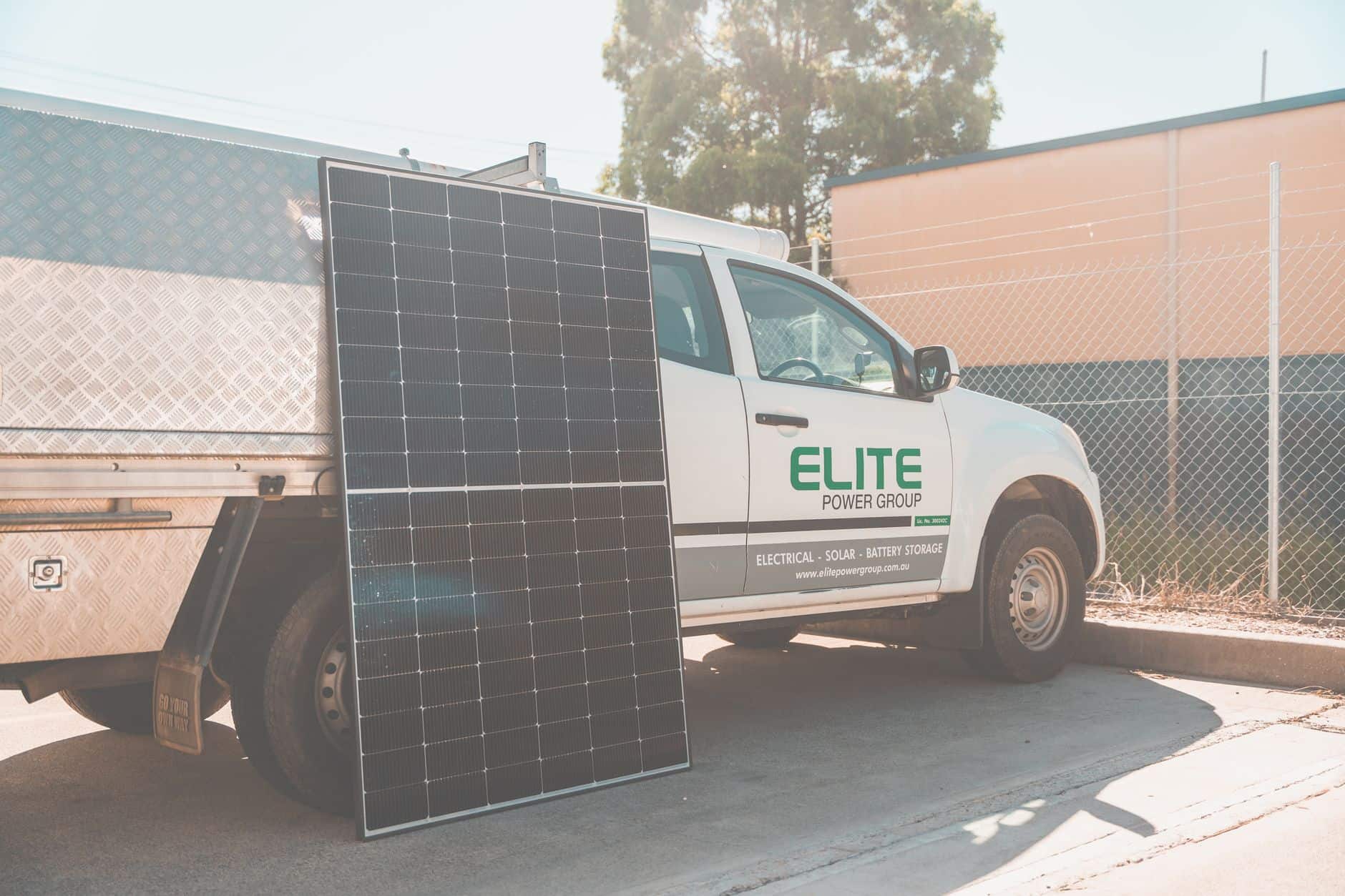
Quality‑control, warranty design and unified certification, not just cell chemistry, determine whether BESS projects stay bankable over a 20‑year life.
UK Picks Pumped Hydro & Batteries for LDES
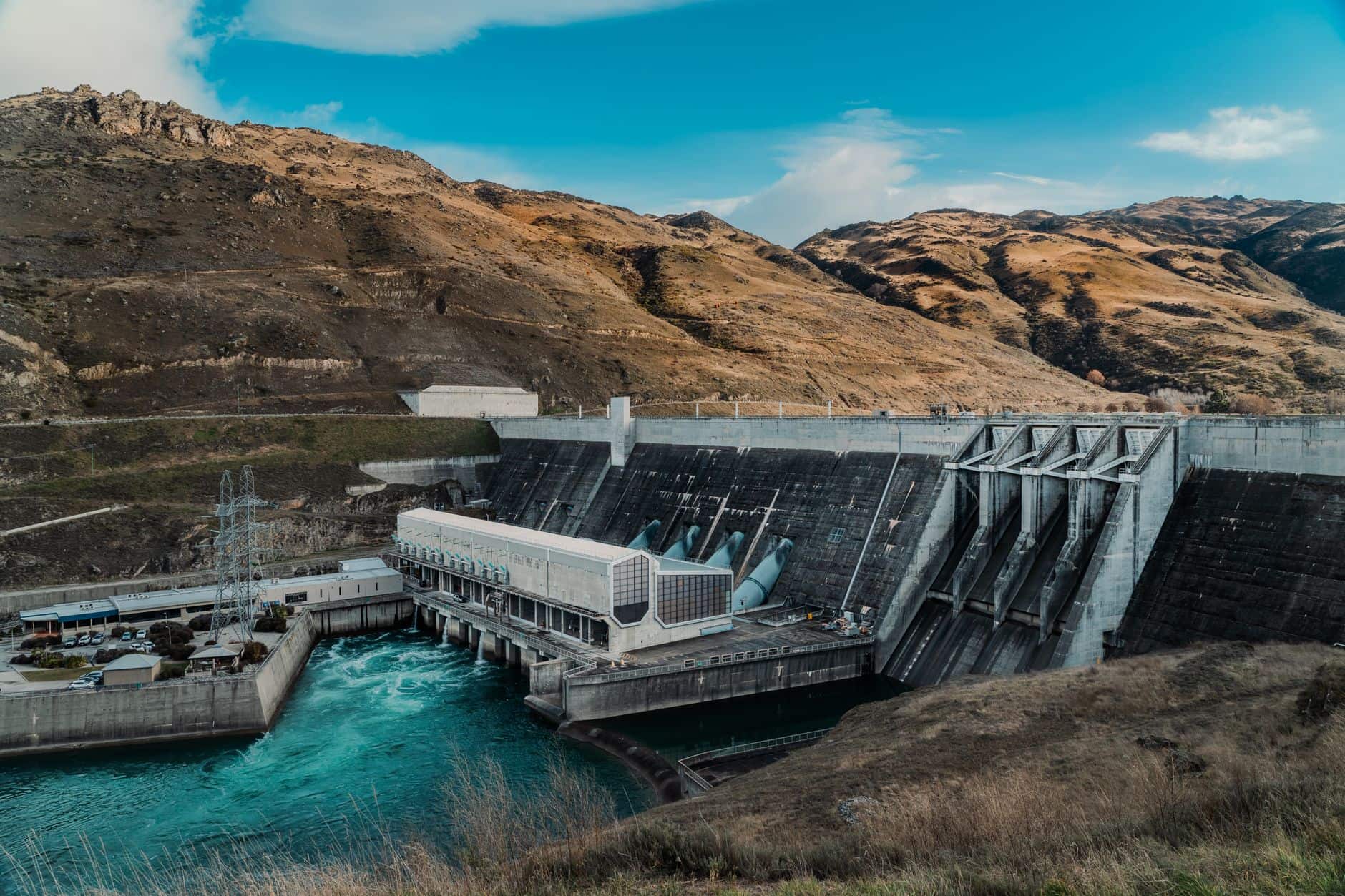
Ofgem has provisionally selected 16 long‑duration storage projects, with pumped‑hydro (3.6 GW) and lithium‑ion batteries (11 projects) emerging as the clear winners.

Argentina Battery Auction Hits $7,400/MW‑Month
Argentina’s AlmaSADI battery storage auction received bids as low as $7,397 per MW‑month, about 15% under the $12,500 price cap, with a weighted‑average of $10,568 /MW‑month across 232 qualified proposals.
Sungrow PowerHarbor: All‑In‑One Home Battery Inverter
Sungrow’s PowerHarbor all‑in‑one hybrid inverter delivers 10‑30 kW power, modular LiFePO₄ storage up to 120 kWh, AI‑driven optimisation and built‑in backup, promising sub‑four‑year payback for a typical Israeli rooftop.