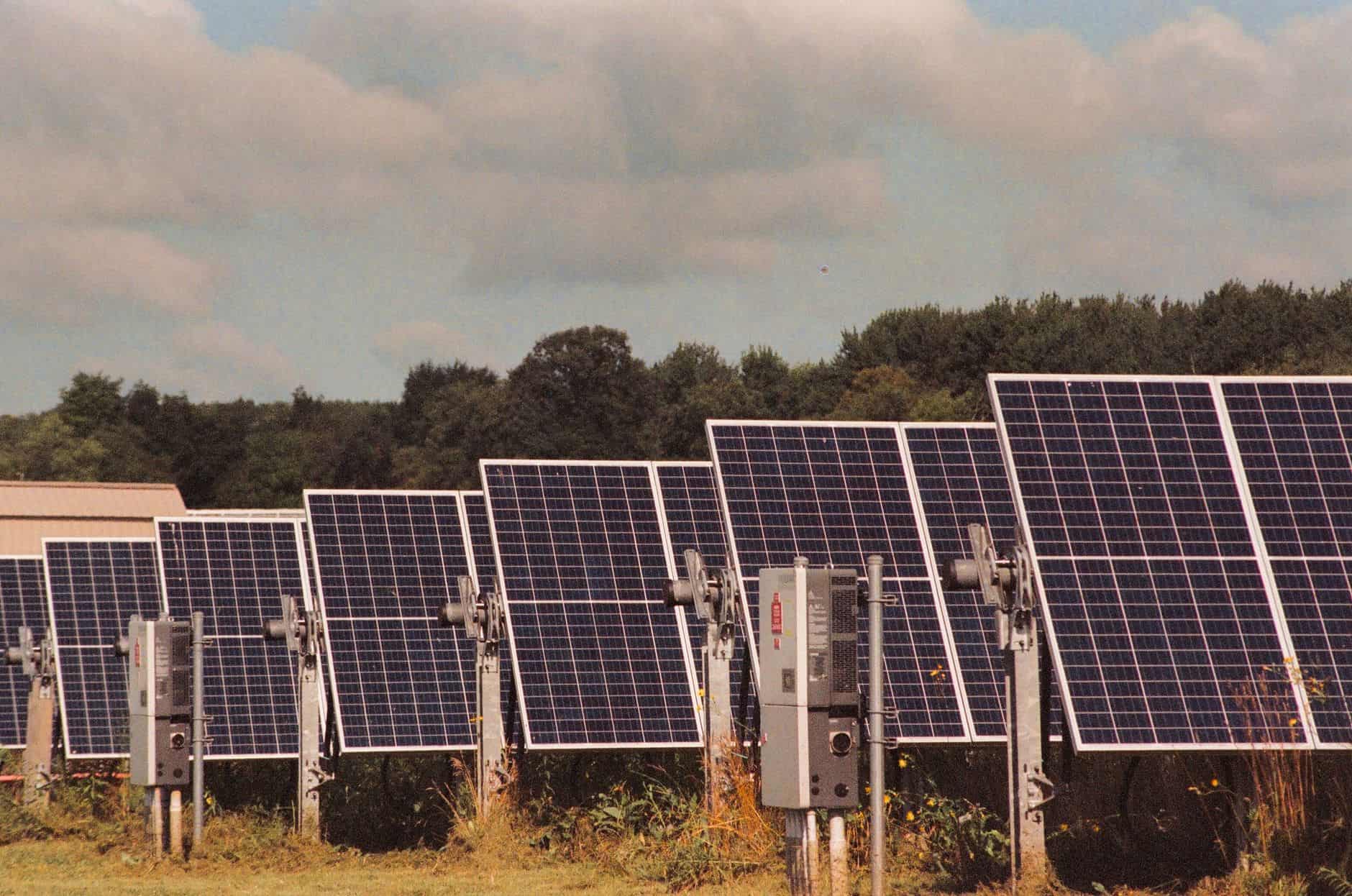
HeliomatiX Builds 1 MW Solar Farm in 8 Hours
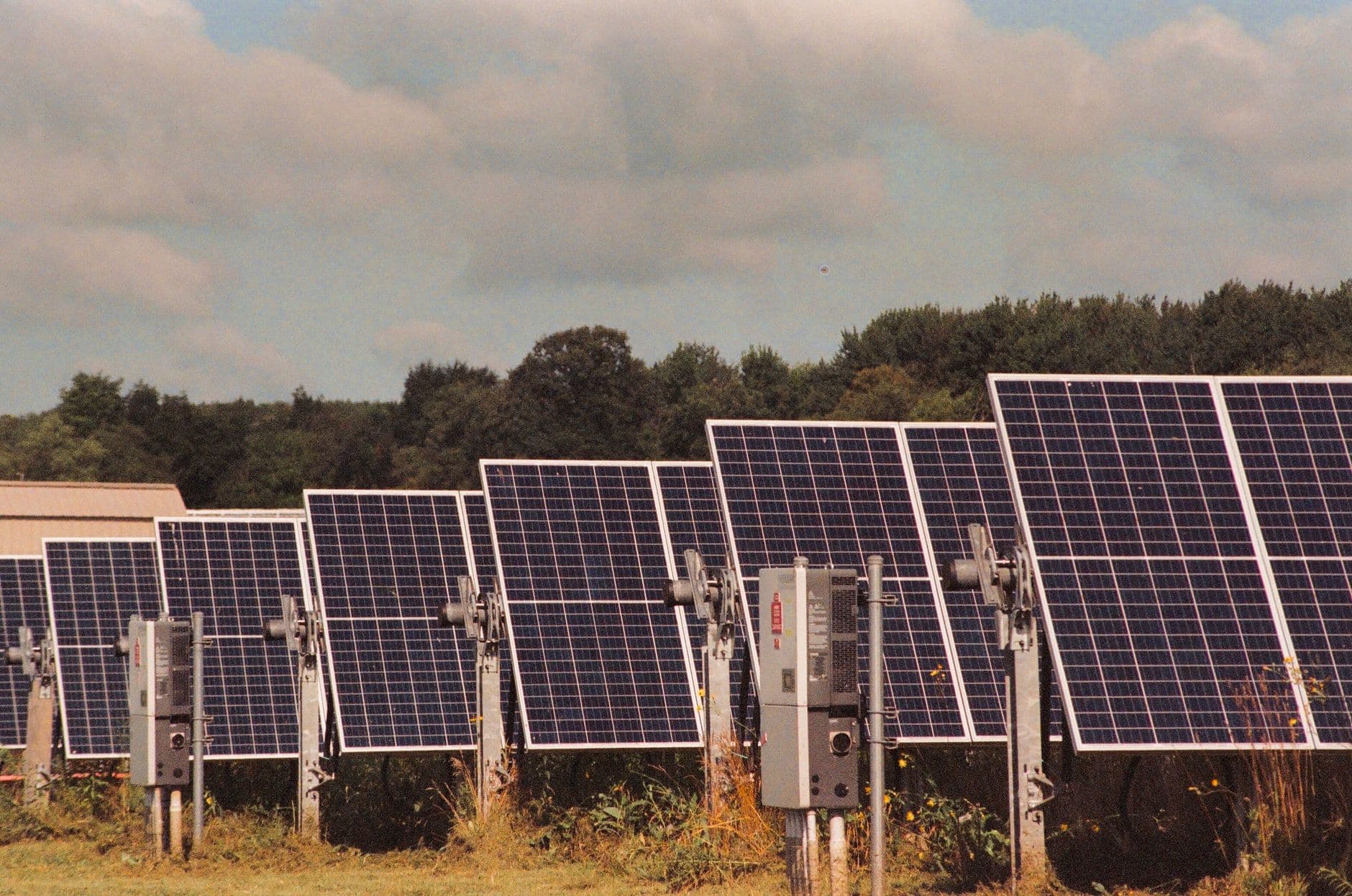
Goldbeck Solar’s HeliomatiX can install 1 MW of panels in just eight hours
Goldbeck Solar says its HeliomatiX line can move a full megawatt of photovoltaic modules from the container‑based Assembly Hub to the ground in an eight‑hour shift – a speed that the company highlighted in its launch announcement and that independent coverage notes can output a pre‑assembled module every 60 seconds.
The three‑step automation cuts manual labor by up to 85 %
HeliomatiX’s workflow is split into three autonomous stages: (1) a mobile Assembly Hub that pre‑assembles up to four modules in portrait orientation while scanning serial numbers and checking for damage; (2) an electric crawler that shuttles the ready‑made trays across any terrain, rain or shine; and (3) the Automatic Mounting System (aMoS), a sensor‑guided robotic excavator that places each tray onto a fixed‑tilt racking structure. Goldbeck Solar quantifies the labour saving at 85 % fewer man‑hours for module assembly, a figure echoed by a technical brief that measured up to 1,920 modules installed in an eight‑hour shift.
Award‑winning tech and a real‑world test slated for late‑2026
The HeliomatiX concept earned the 2026 smarter E Award in the Photovoltaics category, a recognition highlighted on the company’s website and in a press release. After two years of in‑house use, Goldbeck plans to pilot the system on an actual solar site in the second half of 2026, with a second parallel assembly line already designed to increase throughput if needed. The Assembly Hub itself occupies a 55 m footprint and consists of six 40‑foot containers, making it transportable to remote locations.
How the system fits into the fast‑growing global utility‑scale EPC market
The global utility‑scale solar EPC market was valued at US$ 84.7 billion in 2024 and is projected to grow at a 5.4 % CAGR through 2034. Automation is a key driver of that growth: the Solar Farm Automation market report notes that large‑scale farms benefit most from robotics that cut operating costs and improve compliance. By slashing on‑site labour and compressing build windows, HeliomatiX directly addresses the market’s demand for speed and cost certainty.
What the speed boost means for Israeli solar projects
Israel’s utility‑scale sector still relies on conventional, labour‑intensive erection methods. Using the verified Israeli yield of 1,700 kWh per kWp per year for the central region and the commercial feed‑in tariff of ₪0.41 /kWh, a 1 MW farm would generate roughly 1.7 GWh annually, worth about ₪ 697,000 each year. If HeliomatiX can deliver that megawatt in eight hours instead of weeks, developers can shorten financing periods and reduce exposure to weather‑related delays, which is valuable in Israel’s climate.
Outlook: automation as a lever for Israel’s 2030 renewable target
Israel aims for 30 % renewable electricity by 2030 (20 % by 2025). Scaling up utility‑scale solar quickly is essential, and HeliomatiX‑style automation could become a strategic tool for meeting that ambition. By cutting labour by up to 85 % and compressing build times to days, the technology promises lower capex, faster revenue start‑up, and a smaller carbon footprint for construction activities. As global EPC firms race to embed robotics, Israeli developers that adopt such systems early may capture a competitive edge in both cost and speed.
What it means for you – If a 10 kWp residential system in central Israel produces ~17,000 kWh per year (worth ~₪8,160 at the residential tariff) and costs ~₪31,500 to install, the payback is under four years. Imagine a utility‑scale farm that can be built in a third of the usual time – the saved financing charges alone could offset a similar proportion of the total project cost.
For a deeper dive into Israeli solar economics, try our solar ROI calculator or explore the latest market data on our data page.
Sources & further reading
- GOLDBECK SOLAR is building its largest solar project in Germany for...
- GOLDBECK SOLAR's HeliomatiX Automates Utility-Scale Solar Installation
- GOLDBECK SOLAR Wins the 2026 smarter E Award for Its... - PresseBox
- Goldbeck Solar offers 3-step solution for automated construction of...
- Global Market Outlook for Solar Power 2024-2028 - H2news
FAQ
How fast can HeliomatiX install solar panels?
It can install up to 1 MW of modules in an eight‑hour shift, roughly one pre‑assembled module per minute.
What labour savings does the system claim?
Goldbeck Solar says the automation reduces manual assembly man‑hours by up to 85 %.
Has the technology received any recognition?
Yes, HeliomatiX won the 2026 smarter E Award in the Photovoltaics category.
When will the system be tested on a real solar site?
Goldbeck plans a field trial in the second half of 2026 after two years of in‑house use.
Why does faster construction matter for Israel?
Shorter build times cut financing interest and weather delays, helping Israel meet its 30 % renewable electricity target by 2030.
How large is the global utility‑scale EPC market?
It was worth about US$ 84.7 billion in 2024 and is expected to grow at a 5.4 % CAGR through 2034.
Share this post
More from Technology
6
AC‑Side V2H Boosts Home Solar Flexibility
The new Binary Series V2H system separates AC charging from DC discharge and permits charger‑inverter distances of up to 50 m, enhancing residential flexibility.
World Cup Match Slashes Brazil Power Use 20%
Brazil’s grid operator ONS expects a 15‑20% drop in electricity demand during the World Cup Round‑of‑16 match, prompting calls for greater system flexibility as solar and wind now dominate the mix.
Kyocera Tests Flexible Perovskite Panels in Japan
Kyocera has started outdoor trials of Sekisui Chemical’s 15 % efficient, flexible perovskite solar modules at six Japanese sites, a step toward Japan’s 20 GW perovskite goal by 2040.
EcoFlow OASIS 3.0: AI Home Energy Manager
EcoFlow’s OASIS 3.0 AI‑driven home energy manager, launched at Intersolar 2026, optimises solar, storage, EV charging and heat‑pump use in real time, offering higher self‑consumption for homeowners.
Virtual Power Plants Are Powering US Homes
The U.S. virtual power plant market reached nearly 40 GW by mid‑2025, and a new Sunrun‑Tesla‑Renew Home partnership will aggregate 9 million homes to deliver 16.8 GW of flexible capacity, paying participants over $67 million in 2025.
Electrifying Industry Fuels Solar Demand Surge
Electrifying heavy industry is boosting global electricity demand, creating a surge in renewable capacity needs. In Israel, solar installations offer fast payback and can help meet the country’s renewable energy goals.