
Drones Detect Faults in Vietnam’s 45k‑Panel Solar

Drones are already checking 45,000 rooftop panels in Ho Chi Minh City
The 28 MWp rooftop solar farm on Samsung Electronics’ HCMC CE complex – made up of roughly 45,000 solar modules – is now being inspected by autonomous drones equipped with an “all‑seeing eye” system. The drones fly over the array, capture high‑resolution imagery, and instantly flag hot‑spots, soiled panels or mechanical damage for rapid repair.
How the "all‑seeing eye" works
The inspection platform combines CCTV‑grade cameras, infrared sensors and AI‑driven image analysis. When a cloud cover thickens, the system automatically disconnects the panels from the building’s load and feeds the electricity straight into the national grid, preventing voltage dips. The same AI engine then compares each image to a library of defect signatures, sending alerts to maintenance crews within minutes. This approach significantly reduces inspection time compared with traditional methods.
Scale of the rooftop solar project
The HCMC CE complex hosts 45,000 PV modules delivering 28 MWp – the largest rooftop solar installation in Vietnam to date. It is fully financed, built, operated and maintained by TotalEnergies ENEOS under a 20‑year power‑purchase agreement. With Vietnam’s total grid‑connected rooftop capacity reported at 17 GW as of November 2025, this single plant represents roughly 0.16 % of the nation’s rooftop solar stock – a modest share that nonetheless showcases how quickly large‑scale rooftop projects are scaling.
Drone inspection market is booming globally
The worldwide market for drone‑based inspection was valued at US$16.4 billion in 2024 and is projected to more than double to US$38.2 billion by 2030. Within that, the solar‑inspection niche grew from US$516 million in 2018 to over US$1 billion in 2024, with a compound annual growth rate of about 14 %. These figures underline why operators in fast‑growing markets like Vietnam are adopting the technology early.
Why Vietnam needs smarter maintenance
Vietnam’s solar boom – 18.66 GW installed in 2024 and a forecast of 45.9 GW by 2033 – is creating a maintenance challenge. Panels degrade faster in the hot, humid climate, and manual inspections are costly and time‑consuming. Drone‑based monitoring offers a scalable solution that preserves output, protects investment, and aligns with the country’s renewable‑energy targets of 20 % by 2025 and 30 % by 2030.
What it means for Israel
Israeli homeowners installing a typical 10 kWp rooftop system in the central region generate about 17,000 kWh per year. At the residential feed‑in tariff of ₪0.48/kWh, that electricity is worth roughly ₪8,160 annually. With a turnkey cost of ₪3,150 per kWp, the system costs ₪31,500 to install, delivering a simple payback of about 3.9 years. If Israeli installers adopted drone inspections similar to Vietnam’s, the early detection of shading, soiling or hot‑spots could shave a few percent off the degradation curve, extending the economic life of panels and improving overall ROI.
Looking ahead
As Vietnam pushes toward a 30 % renewable mix, the combination of large‑scale rooftop solar and AI‑driven drone inspections will become a template for other emerging markets. For Israel, the lesson is clear: leveraging autonomous inspection can protect the financial returns of rooftop solar, especially as the nation seeks to meet its own 2030 renewable target.
For a deeper dive into Israeli solar economics, try our solar ROI calculator and explore the latest market data on our data page.
Sources & further reading
- Vietnam Solar Energy Market Report | Growth Analysis, Size & Industry...
- Mapping Vietnam's rooftop solar landscape with machine learning
- Vietnam Solar Rooftop and Energy Leasing Market Size USD 780 Mn...
- Vietnam Solar Market Size, Trends, Growth | Forecast Till 2033
- Vietnam Solar Energy Market Size, and Industry Forecast 2035
FAQ
How many solar panels are on the Ho Chi Minh City rooftop project?
The project uses roughly 45,000 photovoltaic modules.
What is the total capacity of the rooftop system?
The array delivers about 28 MWp of peak power.
Who built and operates the rooftop solar farm?
TotalEnergies ENEOS installed, finances, operates and maintains the plant under a 20‑year PPA.
Why are drones used for solar inspection?
Drones can quickly capture high‑resolution images and use AI to detect hot‑spots, soiling or damage, reducing inspection time from days to under an hour.
How does this technology affect Israeli rooftop solar owners?
Drone inspections can catch panel issues early, preserving output and potentially shortening the payback period of a typical 10 kWp home system.
What share of Vietnam’s rooftop solar does this project represent?
At about 0.16 % of the nation’s 17 GW rooftop capacity, it’s a small but illustrative slice of the market.
Share this post
More from Technology
6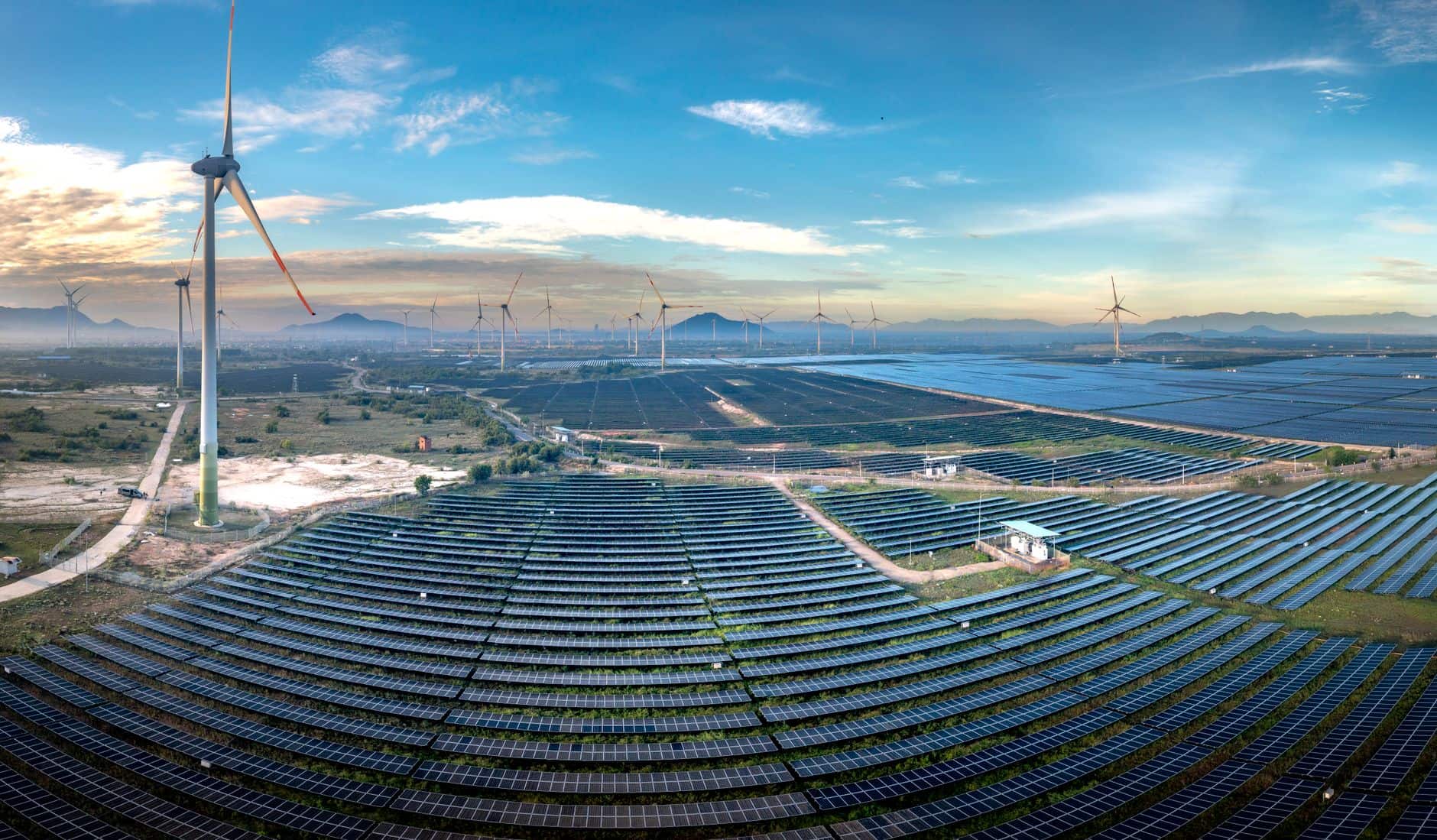
Solar‑Powered AI Data Centre in Chile
Israeli firm Solaer will build a large‑scale solar‑powered data centre in Chile’s Atacama desert, aiming to meet the AI boom with clean, low‑cost electricity.
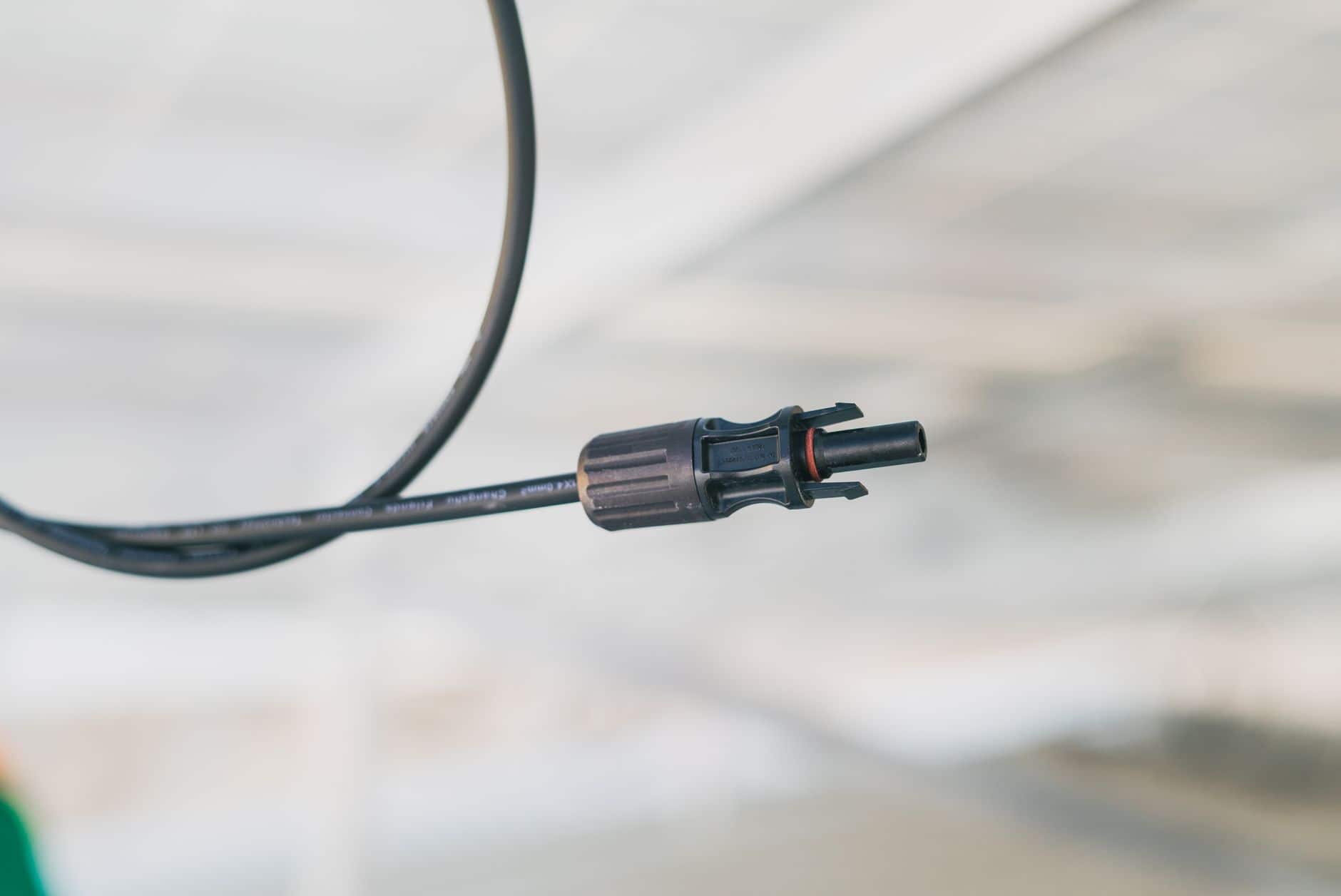
Solar Cables: The Next Reliability Frontier
KUKA Cable says material innovation is now the biggest factor for long‑term solar‑cable reliability as Europe pushes higher voltages and longer project lifetimes.
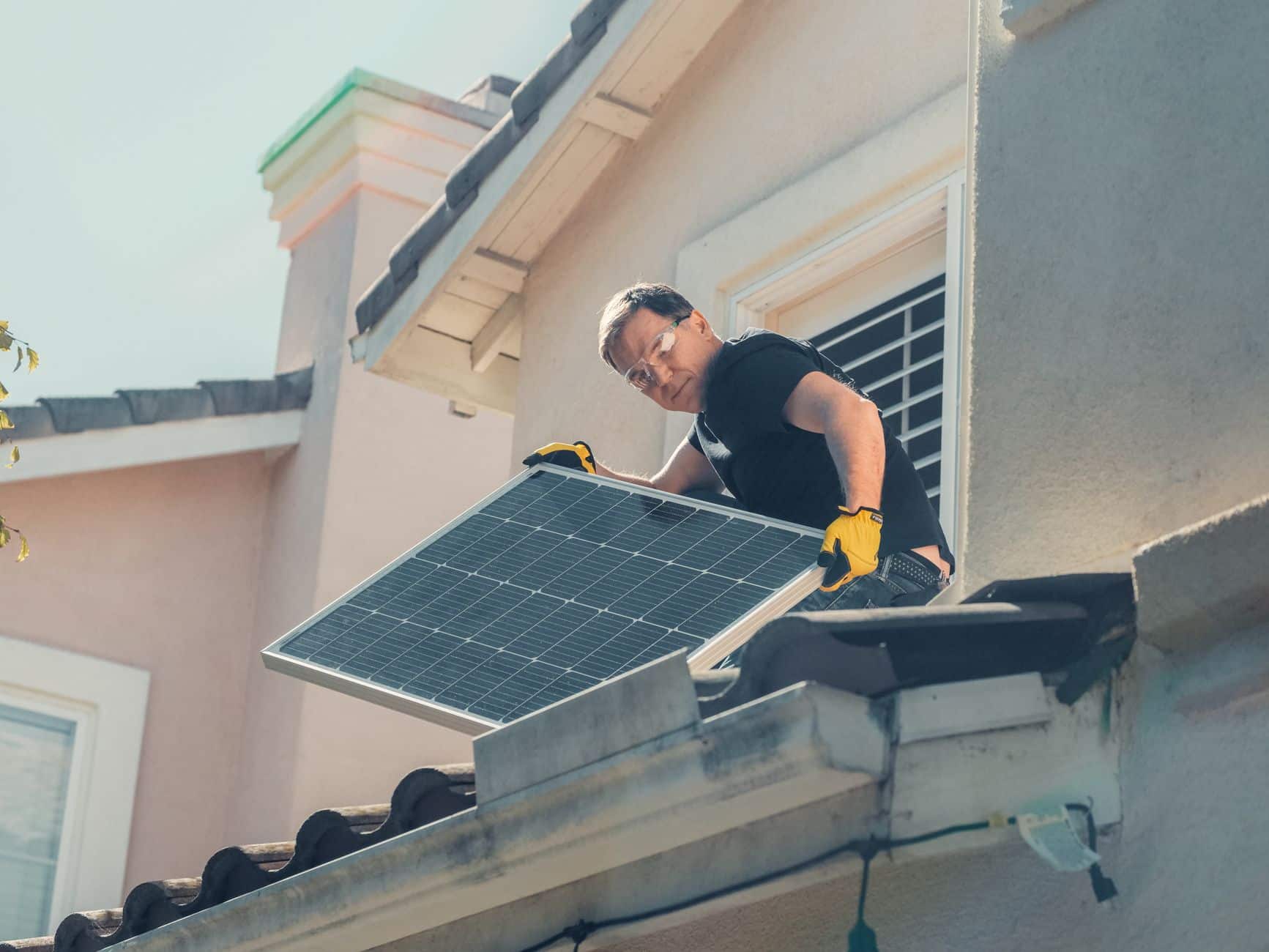
India’s 6 GW TOPCon Plant Raises Solar Efficiency
Avaada Electro has launched the first 3 GW of its 6 GW TOPCon solar‑cell factory in Nagpur, delivering cells with up to 25.5 % efficiency and paving the way for a major boost in clean‑energy output.
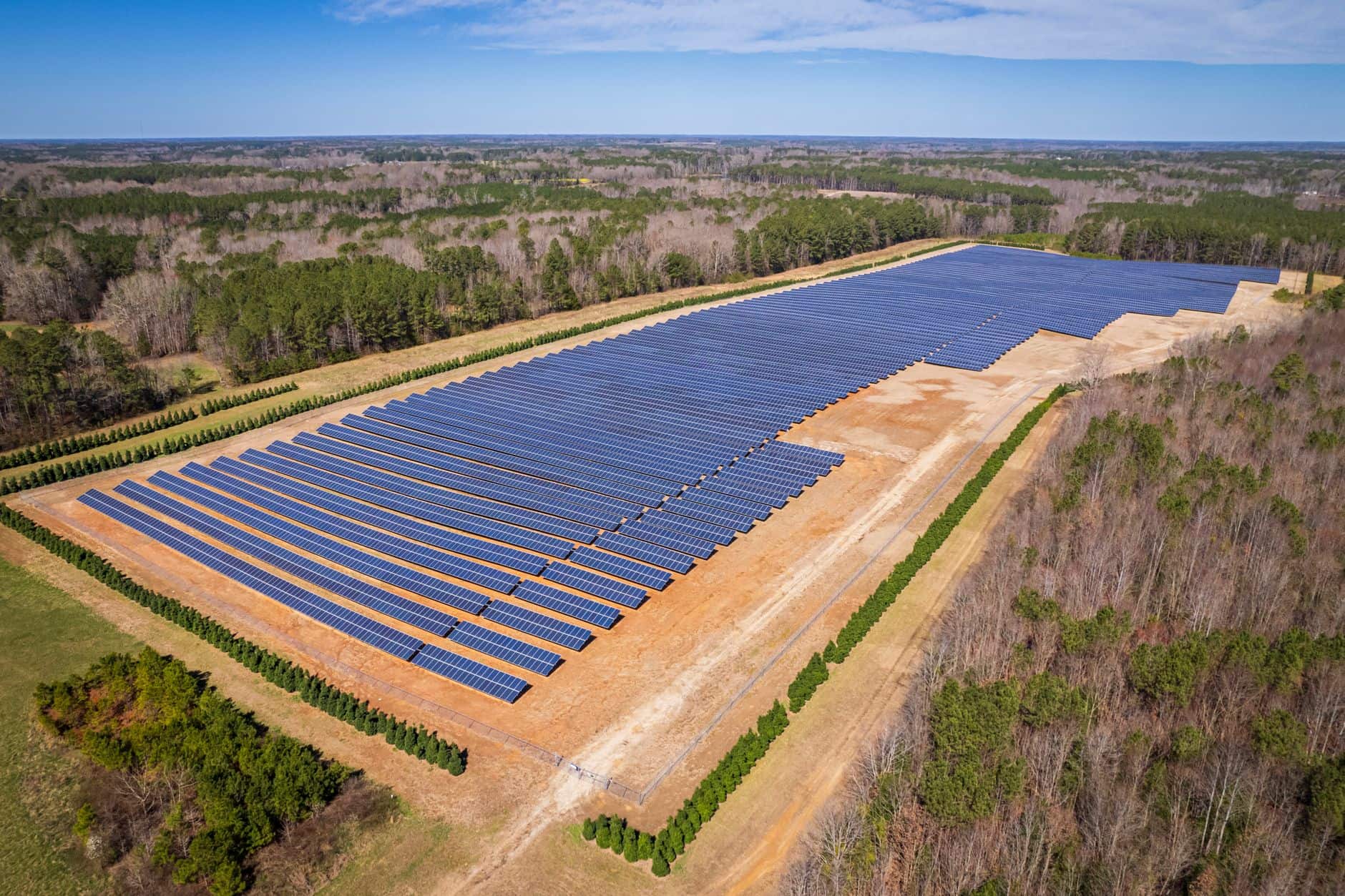
עלות החשמל הסולארי עולה בארה״ב
ה‑LCOE של סולאר תעשייתי בארה"ב עלה ב‑18% ל‑40‑98 $/MWh בשנת 2026, אך עדיין זול ב‑81% ממקורות אחרים שהושוו לפני 20 שנה.
Smart Controllers Let Brazil Solar Beat Limits
Brazilian installer Alba Energia uses smart controllers and ANEEL’s simultaneity rule to let PV farms generate far beyond the utility‑approved export limits, a model that could help Israel’s constrained feeders as well.
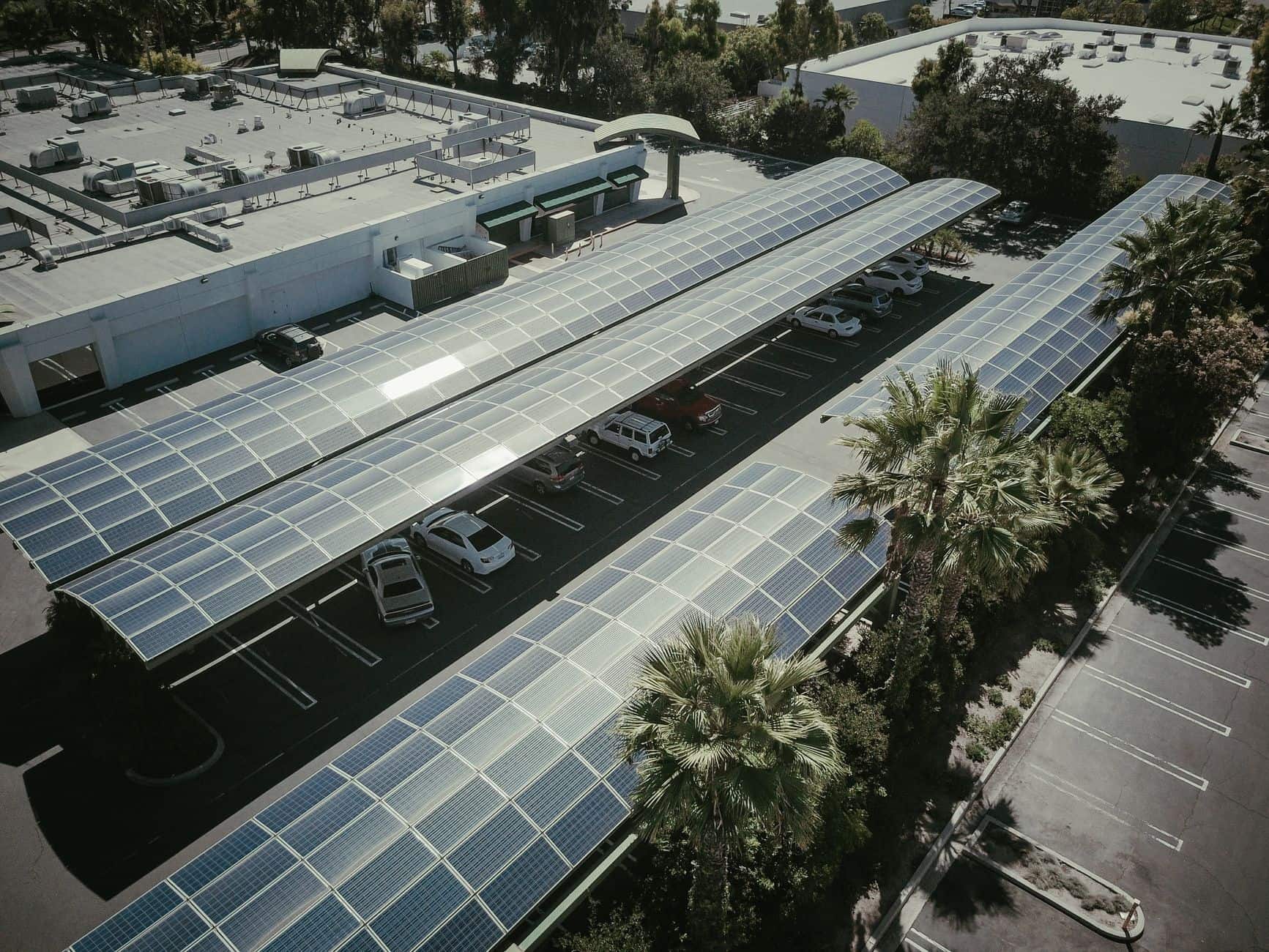
Solar Carports Grow 12% Yearly, Foundations Costly
Solar carports are set to grow 12% annually, but costly foundations and engineering risks can erode margins; early geotechnical work is the cheapest insurance.