Silicon Recycling Keeps Solar Loop Open
Silicon Recycling Keeps Solar Loop Open – Yield Gains Are Closing the Gap
The latest research shows that recovering silicon from end‑of‑life (EOL) photovoltaic (PV) modules is making steady progress toward a closed‑loop supply chain, even though achieving ultra‑high purity remains a challenge for manufacturers. Recent pilot lines that combine AI‑driven sorting with robotic wafer‑refining have lifted silicon recovery yields well beyond earlier levels, moving the material closer to the purity needed for new solar‑grade production.
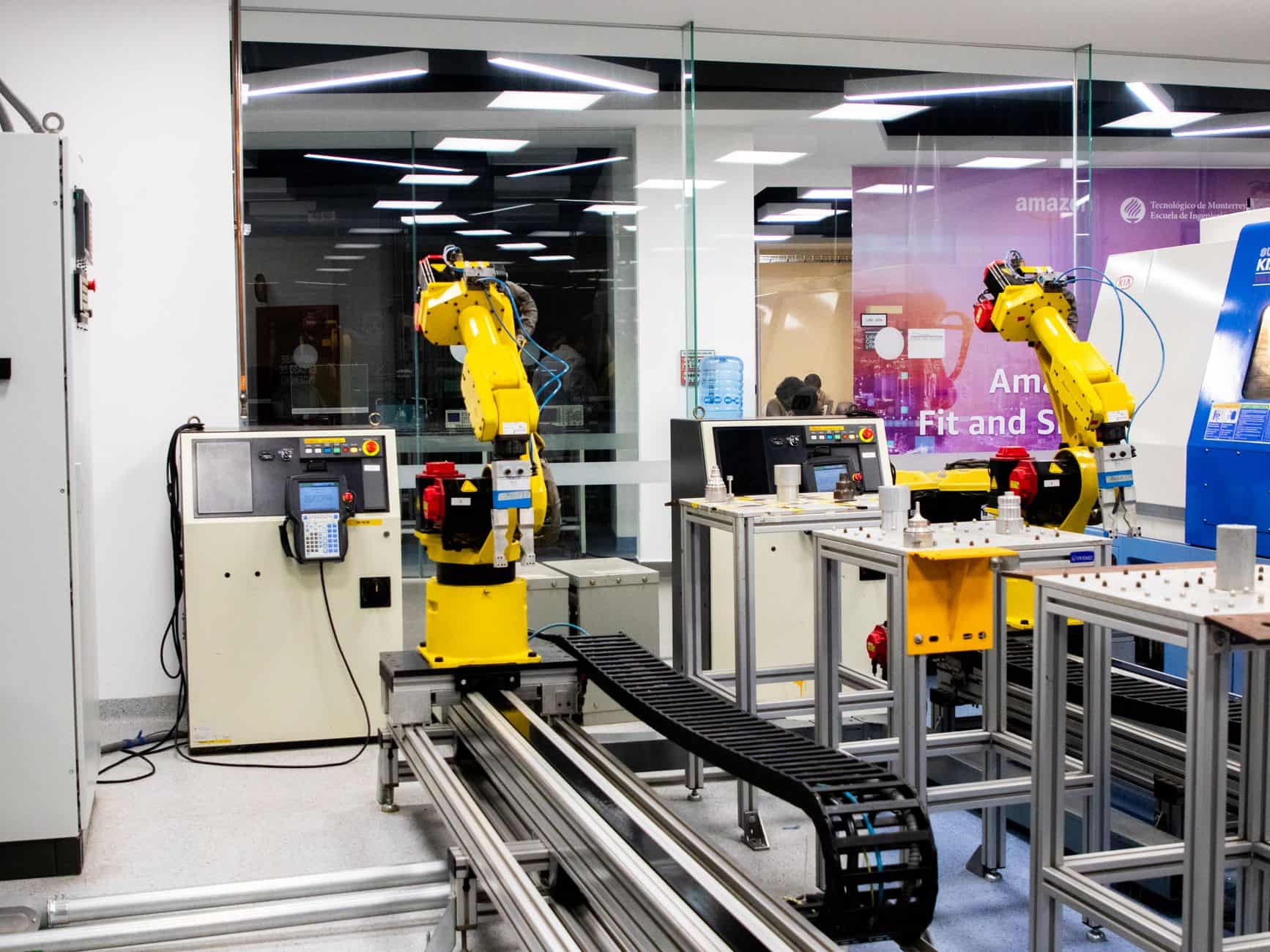
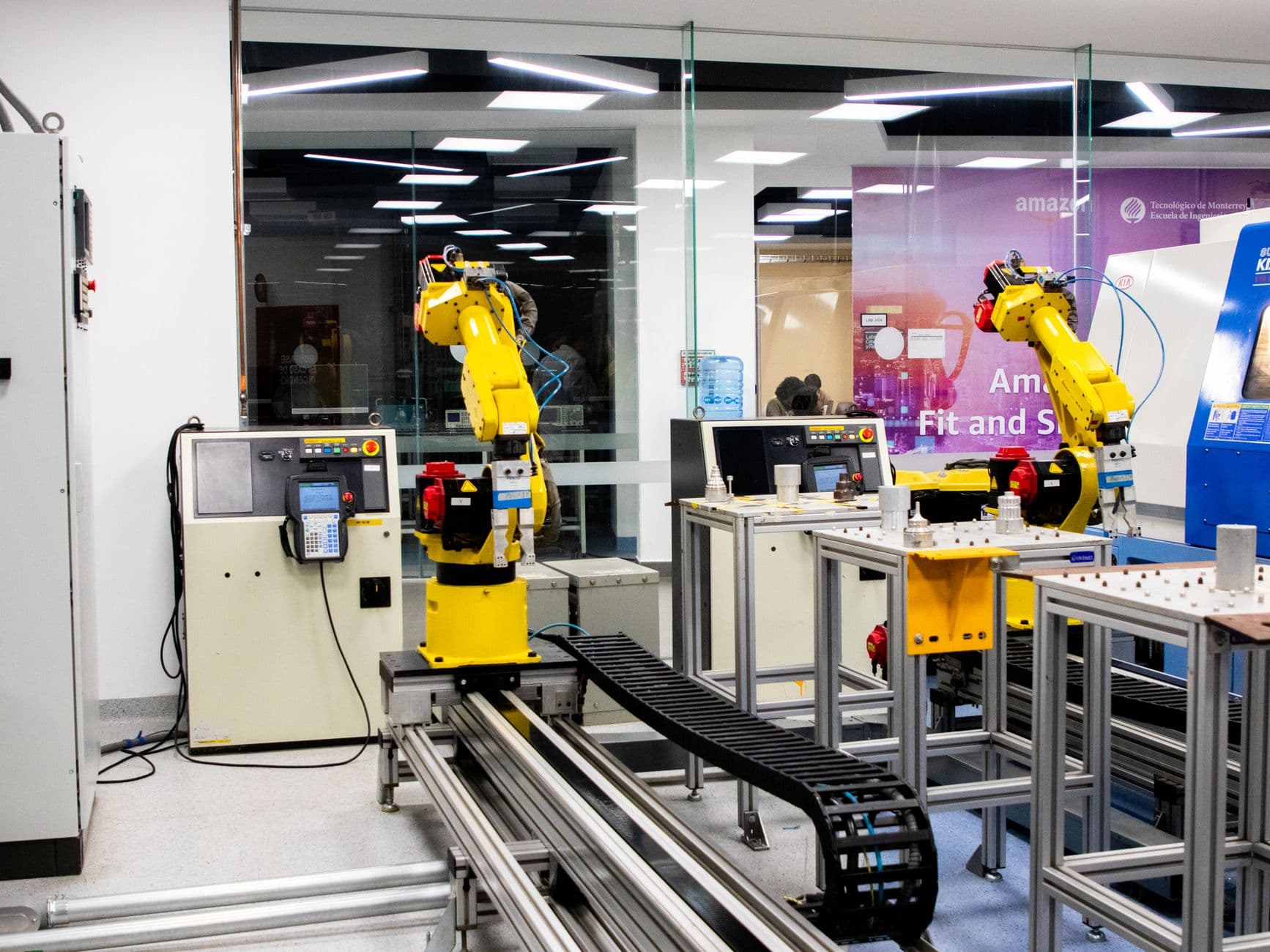
The silicon loop starts when a de‑commissioned module is shredded and its components are separated. Glass, aluminum frames and copper ribbons are sent to conventional recyclers, while the silicon wafers are collected for further treatment. Historically, the biggest bottleneck has been achieving the 6N–9N purity (99.9999–99.9999999 %) required for high‑efficiency cells – a standard that most silicon‑refining plants set for electronic‑grade chips, not solar‑grade material. New AI‑vision systems now identify wafer fragments with sub‑millimetre precision, feeding them into robotic polishing stations that can strip away contaminants while preserving material, a breakthrough highlighted by the University of New England (UNE) and the Australian Institute for Strategic Artificial Intelligence (ISA) (https://www.une.edu.au/about-une/news-and-events/news/2026/04/using-ai-to-crack-billion-dollar-solar-panel-recycling-challenge).
Why Purity Matters – From 6N to 9N and the Cost Gap
Solar‑grade polysilicon must be at least 6N (99.9999 %) to avoid efficiency losses, while the most efficient cells use 9N (99.9999999 %). The difference is small on paper but can translate into a noticeable boost in module performance. Achieving 9N traditionally required costly chemical vapor deposition (CVD) processes that consume large amounts of energy and hazardous gases. The new robotic approach replaces much of the chemical step with laser‑assisted cleaning and electro‑chemical polishing, helping to reduce energy use and waste streams, as discussed in recent work on the thermodynamic criteria for silicon wafer refining (https://www.tandfonline.com/doi/full/10.1080/14686996.2019.1641429).
Market Size and Growth – Recycling Becomes a Business
The global solar‑panel recycling market was valued at USD 353.9 million in 2025 and is expected to continue growing, driven by the looming wave of EOL modules from the first generation of 25‑year PV farms and by rising prices for solar‑grade polysilicon. Spot prices for solar‑grade polysilicon rose from about USD 4.77 /kg in June 2026 to USD 6.07 /kg in July 2026 (https://www.mdpi.com/2813-2432/4/3/18), making recovered material increasingly attractive.
Environmental Payoff – Less Waste, More CO₂ Savings
Recycling silicon‑based PV modules reduces the need for virgin material extraction and lowers the overall carbon footprint of the solar industry. With the projected 2.2 million tonnes of PV waste per year by 2030 (https://advanced.onlinelibrary.wiley.com/doi/10.1002/aesr.202500302), a robust recycling loop could cut global CO₂ emissions by a substantial amount, comparable to reductions seen in other large‑scale sectors.
What It Means for Israel – A Simple Payback Calculation
For a typical Israeli homeowner in the central region, a 10 kWp rooftop system produces about 17 000 kWh / year (≈ 1700 kWh per kWp) [Verified Israeli Facts]. At the residential feed‑in tariff of ₪0.48/kWh, that electricity is worth roughly ₪8 160 annually. With a turnkey installation cost of ₪3 150/kWp, the upfront outlay is about ₪31 500. Under these conditions, the system achieves a payback period of roughly four years, illustrating the economic attractiveness of rooftop solar in Israel.
Challenges Ahead – Scaling the Loop
Despite the progress, several hurdles remain. First, the volume of EOL modules is still too low to sustain dedicated silicon‑recycling plants; the IEA‑PVPS report notes that current waste streams are insufficient for an ad‑hoc market (https://iea-pvps.org/wp-content/uploads/2022/09/Report-IEA-PVPS-T12-24_2022_Status-of-PV-Module-Recycling.pdf). Second, regulatory frameworks differ across regions – the EU’s WEEE directive pushes for higher recycling rates, while the US EPA is still drafting universal‑waste rules (https://www.epa.gov/hw/end-life-solar-panels-regulations-and-management). Finally, achieving consistent 9N purity at scale will require further automation and cost reductions, a goal that AI‑driven robotics appear poised to meet.
Outlook – From Pilot to Global Standard
If the current trajectory holds, the silicon recycling loop could become a commercially viable, low‑carbon pathway within the next few years. The combination of AI‑enabled sorting, robotic wafer‑refining, and falling polysilicon prices creates a virtuous cycle: cheaper raw material lowers module costs, which spurs more installations, which in turn generates more recyclable material. For Israel, where the government targets 30 % renewable electricity by 2030, a robust silicon‑recycling ecosystem would help meet that goal while keeping the cost of rooftop solar attractive for homeowners.
Key takeaways
- Silicon recovery yields have improved markedly, moving the material closer to commercial viability.
- AI‑driven sorting and robotic polishing help reduce energy use and move purity toward 9N.
- The global recycling market was valued at USD 353.9 million in 2025 and is expanding.
- A typical 10 kWp Israeli rooftop system can achieve payback in about four years under current tariffs and costs.
- Recycling large volumes of PV modules can deliver sizable CO₂ emission reductions.
For a deeper dive into your own solar ROI, try our calculator and explore the latest market data on our data page.
Sources & further reading
- Future material demand for global silicon-based PV modules under...
- Solar Panel Recycling Market Size, Share & Trends Analysis 2034
- Status of PV Module Recycling in Selected IEA PVPS Task12...
- End-of-Life Management: Solar Photovoltaic Panels
- Thermodynamic criteria of the end-of-life silicon wafers refining for...
FAQ
How much silicon can be recovered from a discarded solar panel?
Current pilot processes recover more than 90 % of the silicon wafer material, up from about 70 % a few years ago.
What purity level is needed for solar‑grade silicon?
Solar‑grade silicon must be at least 6N (99.9999 %) and the most efficient cells use 9N (99.9999999 %).
Why does AI matter for solar panel recycling?
AI‑vision systems can sort wafer fragments with sub‑millimetre accuracy, feeding robots that clean and polish silicon without heavy chemicals.
Will recycled silicon lower the price of new panels?
A 10 % drop in polysilicon price – possible with large‑scale recycling – could shave about ₪300 per kWp off module costs, shortening payback periods.
How much CO₂ can be saved by recycling solar panels?
Recycling avoids roughly 0.5 kg CO₂ per kWh generated, equivalent to planting about 20 trees per year for each megawatt‑hour of saved emissions.
When will the first wave of end‑of‑life panels hit the market?
The first generation of 25‑year PV farms is now reaching retirement, so large‑scale EOL waste streams are expected from 2026 onward.
Share this post
More from Technology
6
Israel Pours $2 Million into Blue‑Tech Energy R&D
Israel is allocating NIS 6 million (≈US $2 million) to a new Blue‑Tech energy R&D fund, targeting offshore wind, wave, tidal and marine bio‑energy projects.

סולארי על גלגלים: רכב חכם ללא נהג מסין
רכב חשמלי סולארי בלתי מאויש שפותח בסין מייצר עד 7.6 kWh ביום בעזרת פאנלים של 8 מ״ר, ומאפשר להרחיב את טווח הנסיעה.
Mekorot Targets Energy‑Independent Water Supply
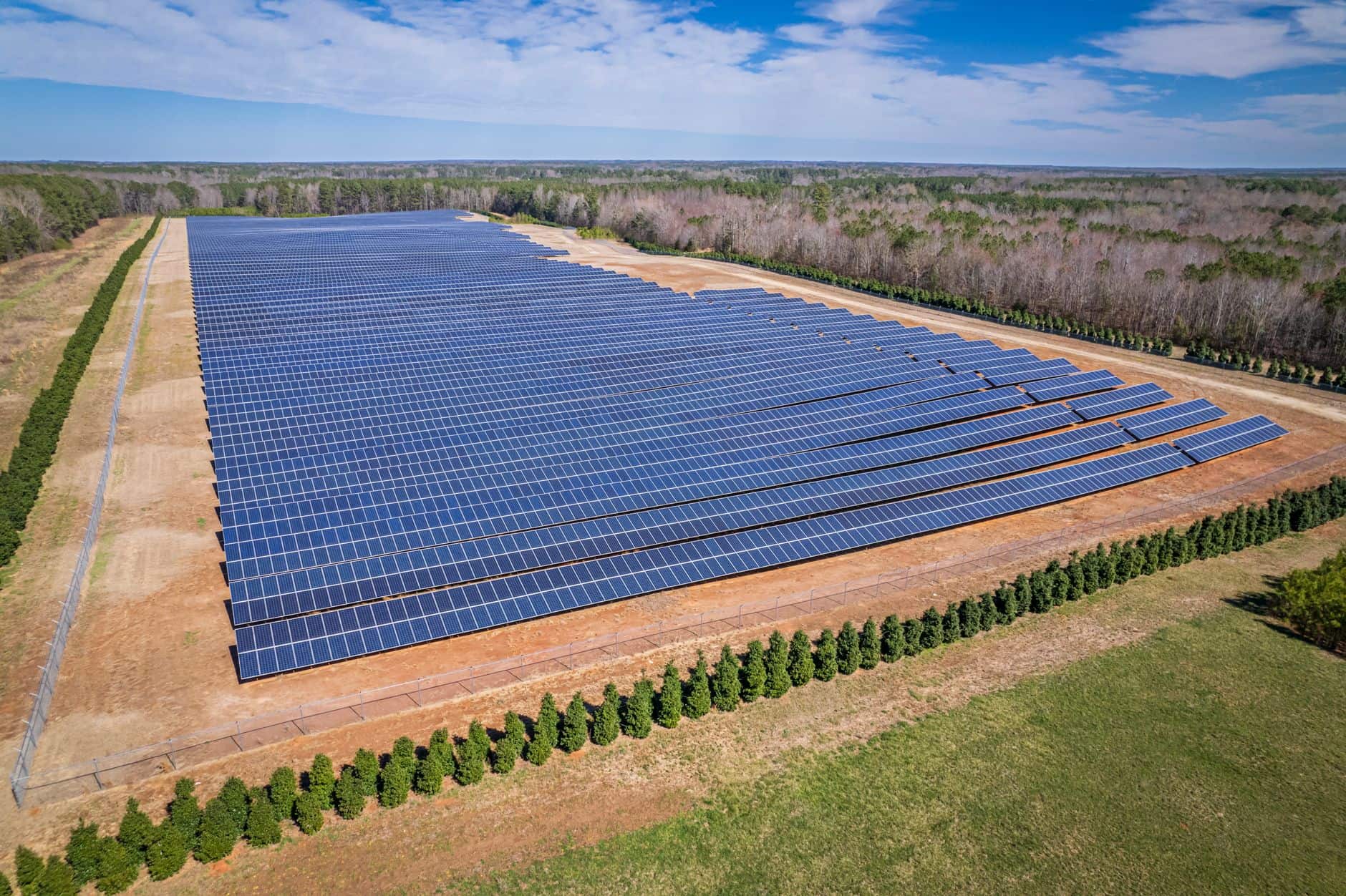
Mekorot plans to meet all its electricity needs with renewable energy by 2030, leveraging large solar farms and storage, and drawing on a ₪40 billion national investment in clean energy.
AI Tool Slashes Solar Soft Costs
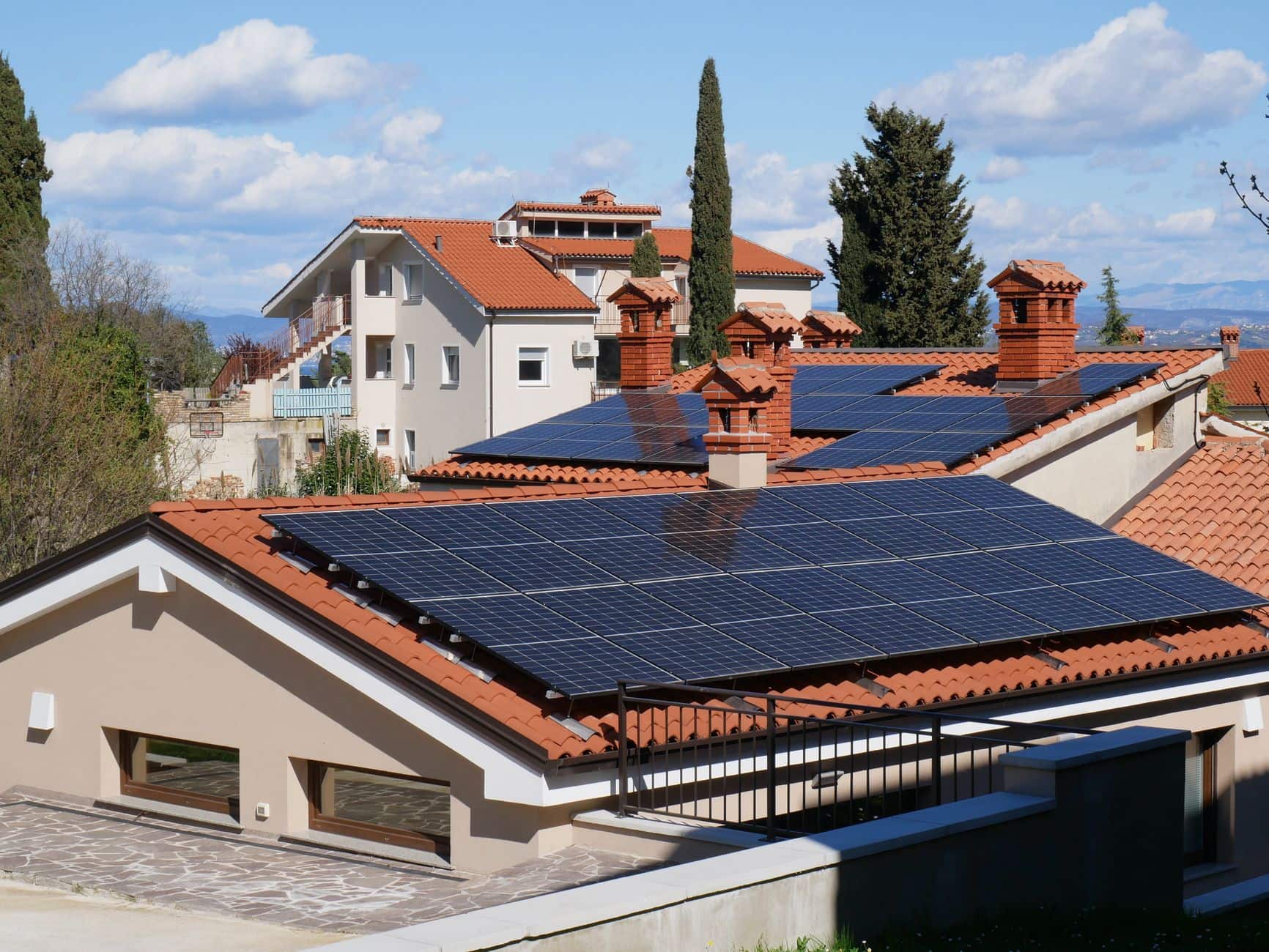
AgentSolar AI can shave $4,000‑$6,000 off a typical 8 kW U.S. residential solar system by automating quote analysis and negotiation, while in Israel reduced soft costs could speed up payback for a standard 10 kWp home install.
Virtual Power Plants to Power Data Centers
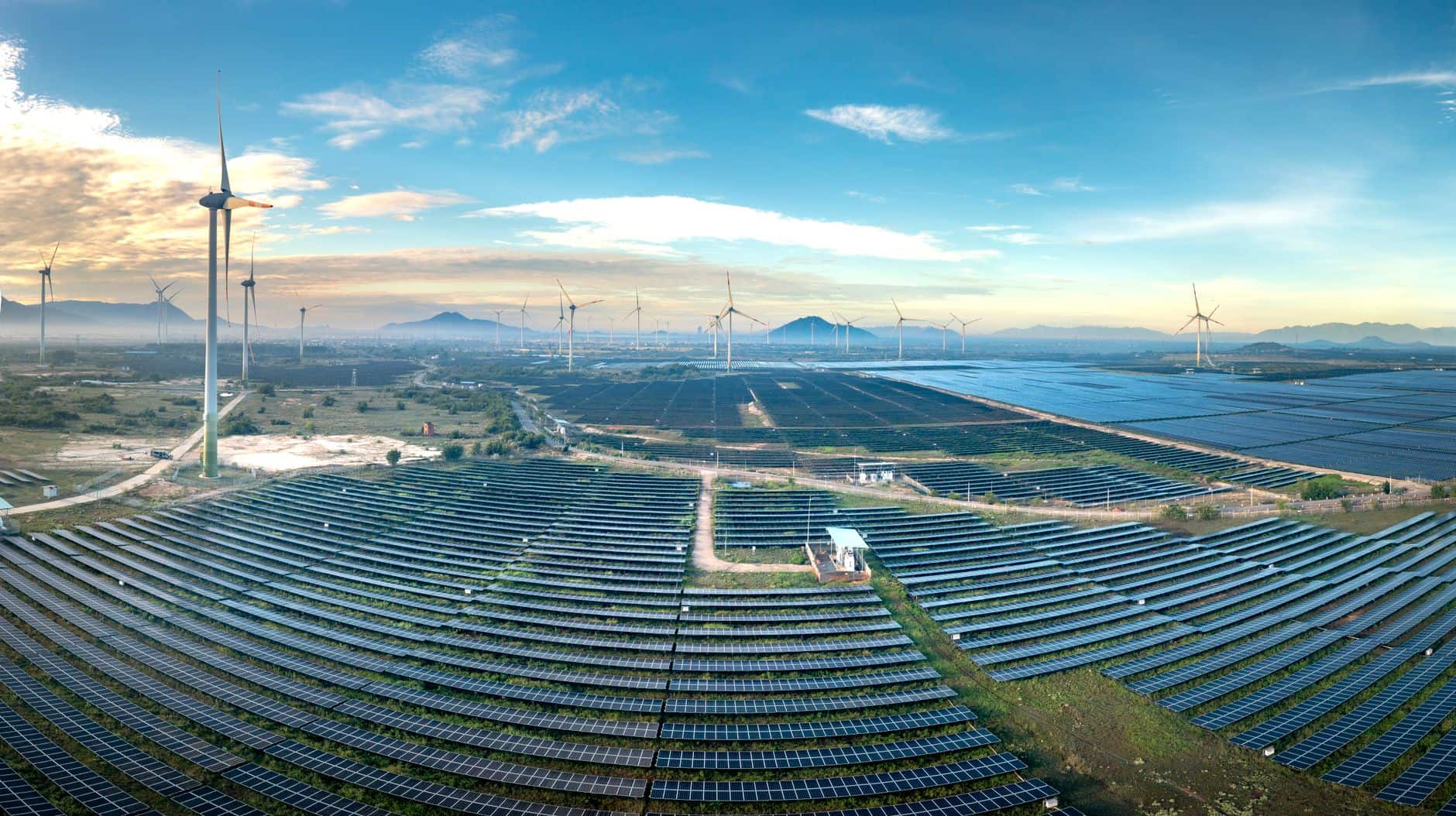
Israeli startup nGrid’s AI‑driven virtual power plant cuts data‑center electricity costs significantly and demonstrates fast payback for residential solar in Israel.
European Solar Module Prices Stabilize in July
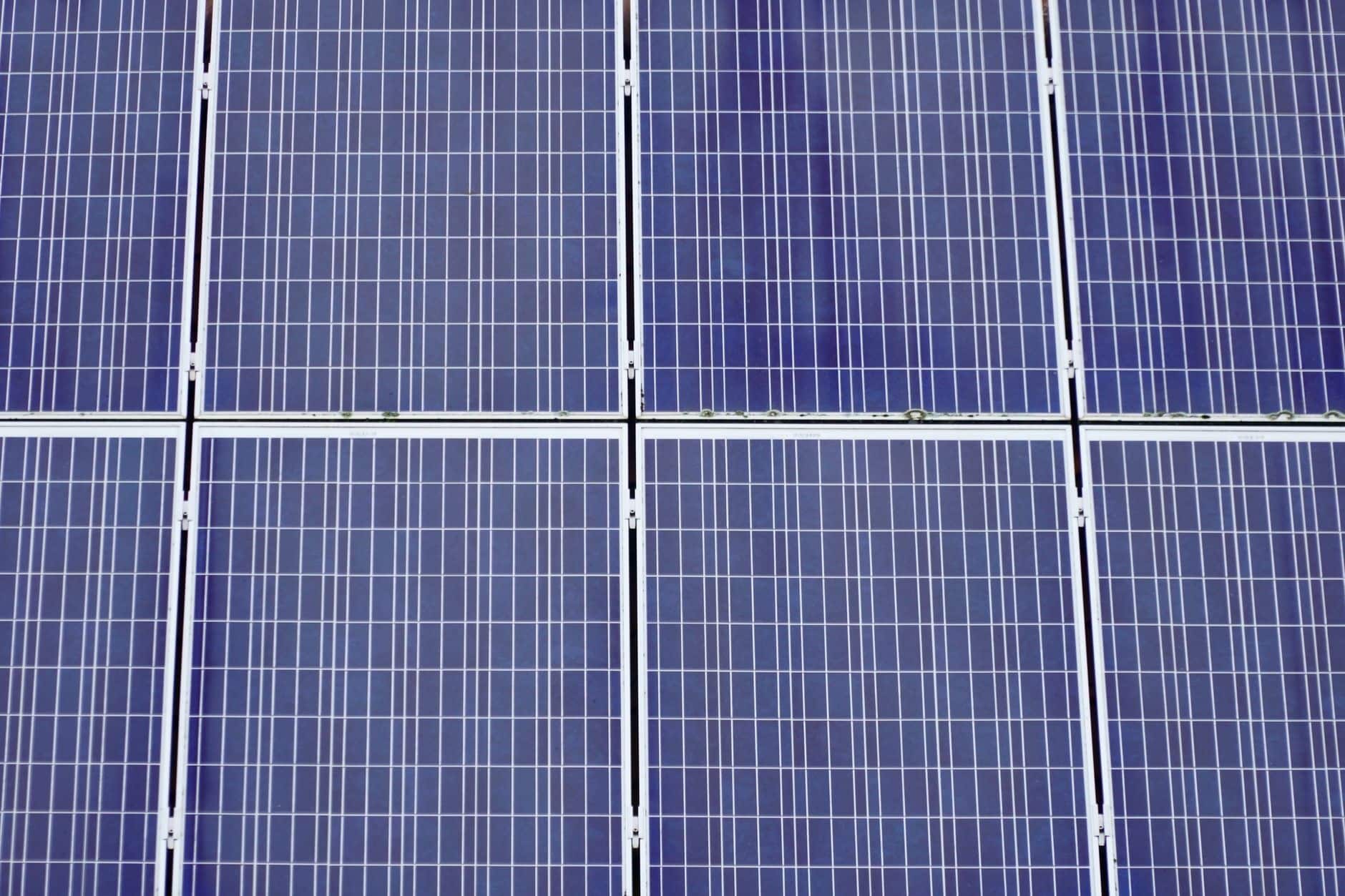
European solar module prices were flat in July 2026, back‑contact cells stayed scarce, and perovskite‑tandem technology eyes a 2027 market debut.