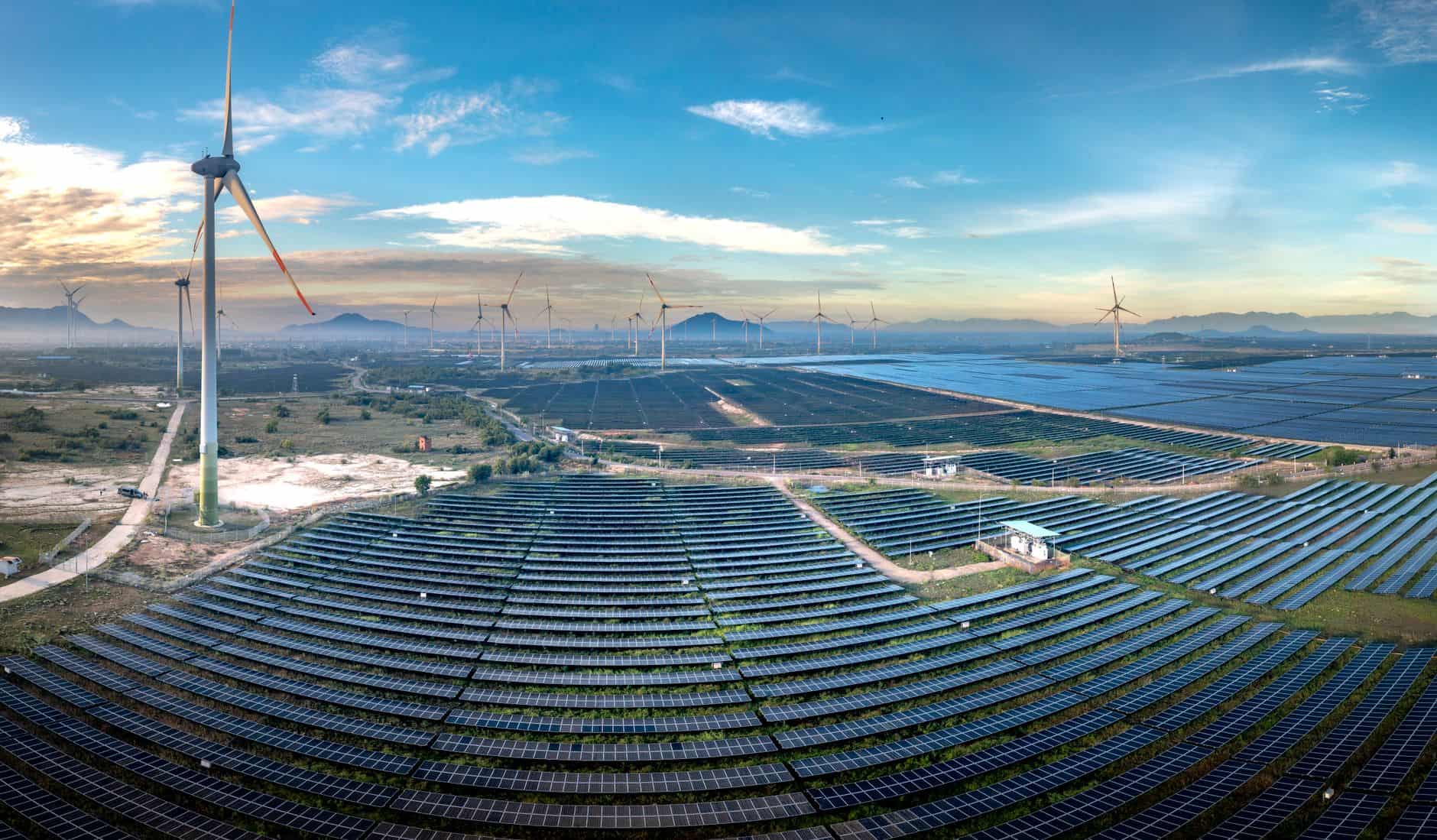
Solar‑Powered AI Data Centre in Chile
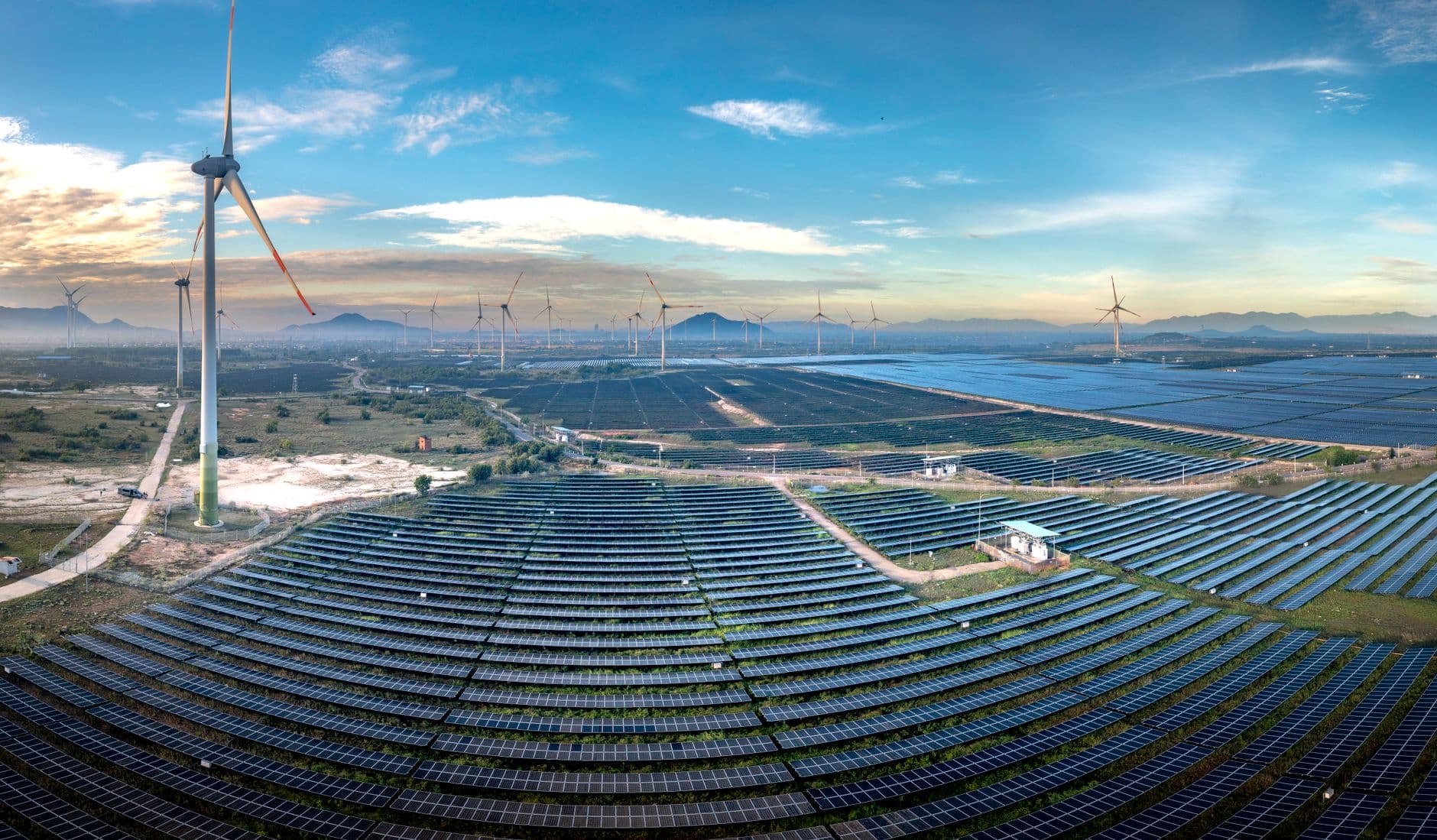
Solaer’s solar‑powered AI data centre will tap Chile’s sun to feed the AI boom
Solaer, an Israeli renewable‑energy developer, announced plans to build a large‑scale data‑centre in the Atacama desert that will be powered primarily by on‑site solar panels. The project is designed to meet the exploding electricity demand of artificial‑intelligence (AI) workloads while keeping the carbon footprint low.
Chile’s renewable edge makes it a natural home for green data hubs
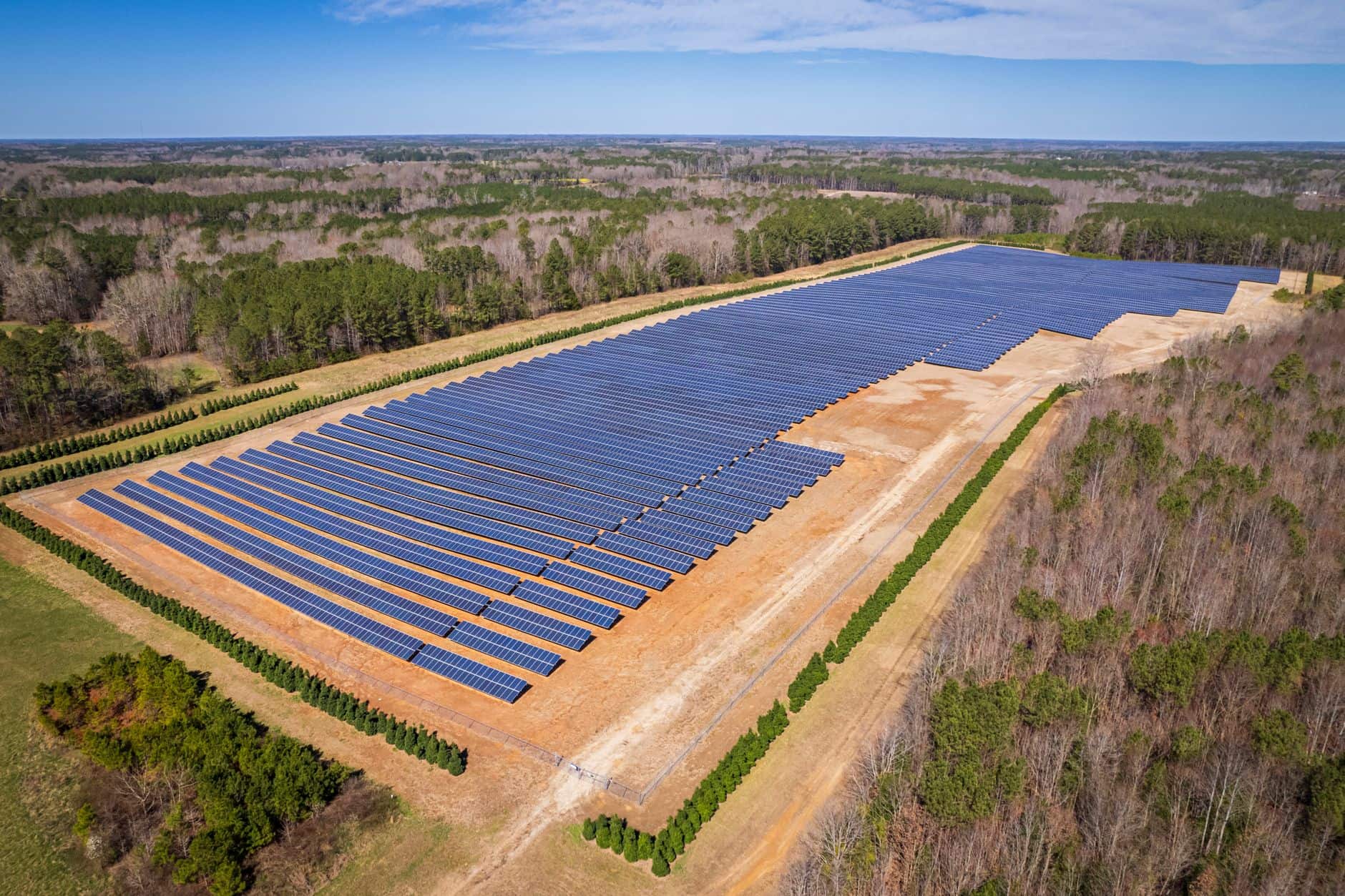
Chile’s desert climate delivers some of the world’s highest solar irradiance, and the country is already scaling solar capacity fast – Grenergy alone plans to reach 2.5 GW of solar plus 14.1 GWh of storage at its Oasis Atacama complex by 2028. National data‑centre capacity is projected to rise from 385.5 MW in 2025 to 596 MW by 2031, and the government’s National Data Centres Plan explicitly encourages renewable‑powered facilities. Together, these trends give Solaer a reliable, low‑cost power source for AI‑intensive servers.
AI workloads are set to double global data‑centre electricity use by 2030
The International Energy Agency estimates total data‑centre electricity consumption will hit roughly 945 TWh by 2030, about twice today’s level, with AI driving most of the growth. In Chile alone, the projected 385.5 MW of IT load in 2025 translates to roughly 3.4 TWh of electricity per year (385.5 MW × 8 760 h). If Solaer’s solar farm supplies this load, it would avoid about 1.7 million tonnes of CO₂ annually (using the Israeli benchmark of 0.5 kg CO₂ per kWh).
Solaer’s plan aligns with the global shift toward renewable AI infrastructure
Brookings notes that 56 % of new data‑centre capacity added between 2023‑2035 is expected to come from renewables, and 64 % of the incremental power will be green. By committing to a solar‑only supply, Solaer positions itself ahead of the curve, offering AI customers a low‑carbon alternative that can also lower operating costs.
What it means for Israel’s solar market
For Israeli investors, Solaer’s Chile move illustrates how domestic solar expertise can be exported to high‑growth markets. Using the typical Israeli residential yield of 1 700 kWh/kWp/year and a cost of ₪3 150/kWp, a 10 kWp rooftop system in central Israel would generate ~17 000 kWh annually, worth about ₪8 160 at the residential tariff of ₪0.48/kWh, and pay back in roughly 3.9 years. Scaling that economics to utility‑scale projects abroad suggests Israeli firms can achieve comparable or better returns when solar resources are superior, as in the Atacama. Readers can explore similar calculations with our solar ROI calculator or compare market data on our data page.
Outlook: can more Israeli firms replicate the model?
With AI‑driven demand surging and renewable costs plummeting, the Solaer case could become a template for other Israeli clean‑tech companies. The combination of abundant solar resources, supportive Chilean policy, and a clear market need for green AI compute creates a replicable blueprint that may soon appear in other sun‑rich regions such as the Middle East and North Africa.
Key takeaways
- Solaer will build a large‑scale solar‑powered data centre in Chile’s Atacama desert to serve AI workloads.
- Chile’s solar capacity is expanding rapidly, with projects like Grenergy’s 2.5 GW Oasis Atacama slated for 2028.
- AI‑driven data‑centre electricity use could double to ~945 TWh globally by 2030, making green power essential.
- Supplying Chile’s projected 3.4 TWh of data‑centre demand with solar would avoid ~1.7 million tonnes of CO₂ each year.
- Israeli solar economics show a 10 kWp home system pays back in under 4 years, underscoring the financial appeal of exporting solar expertise.
Sources & further reading
FAQ
Why is Chile attractive for solar‑powered data centres?
Chile has some of the world’s highest solar irradiance, fast‑growing solar capacity, and government policies that actively support renewable‑backed data‑centre projects.
How much electricity will Chile’s data‑centre sector need by 2025?
Projections put the IT load at about 385.5 MW, which equals roughly 3.4 TWh of electricity per year.
What carbon savings could a solar‑powered data centre deliver?
Using the benchmark of 0.5 kg CO₂ avoided per kWh, powering 3.4 TWh with solar would prevent about 1.7 million tonnes of CO₂ annually.
Can Israeli solar companies profit from projects like Solaer’s?
Yes – Israeli solar economics show a typical 10 kWp home system pays back in under four years, and utility‑scale projects in sun‑rich regions can offer even better returns.
What does the AI data‑centre boom mean for global energy demand?
The IEA expects data‑centre electricity use to double to around 945 TWh by 2030, with AI workloads driving most of the increase.
Share this post
More from Technology
6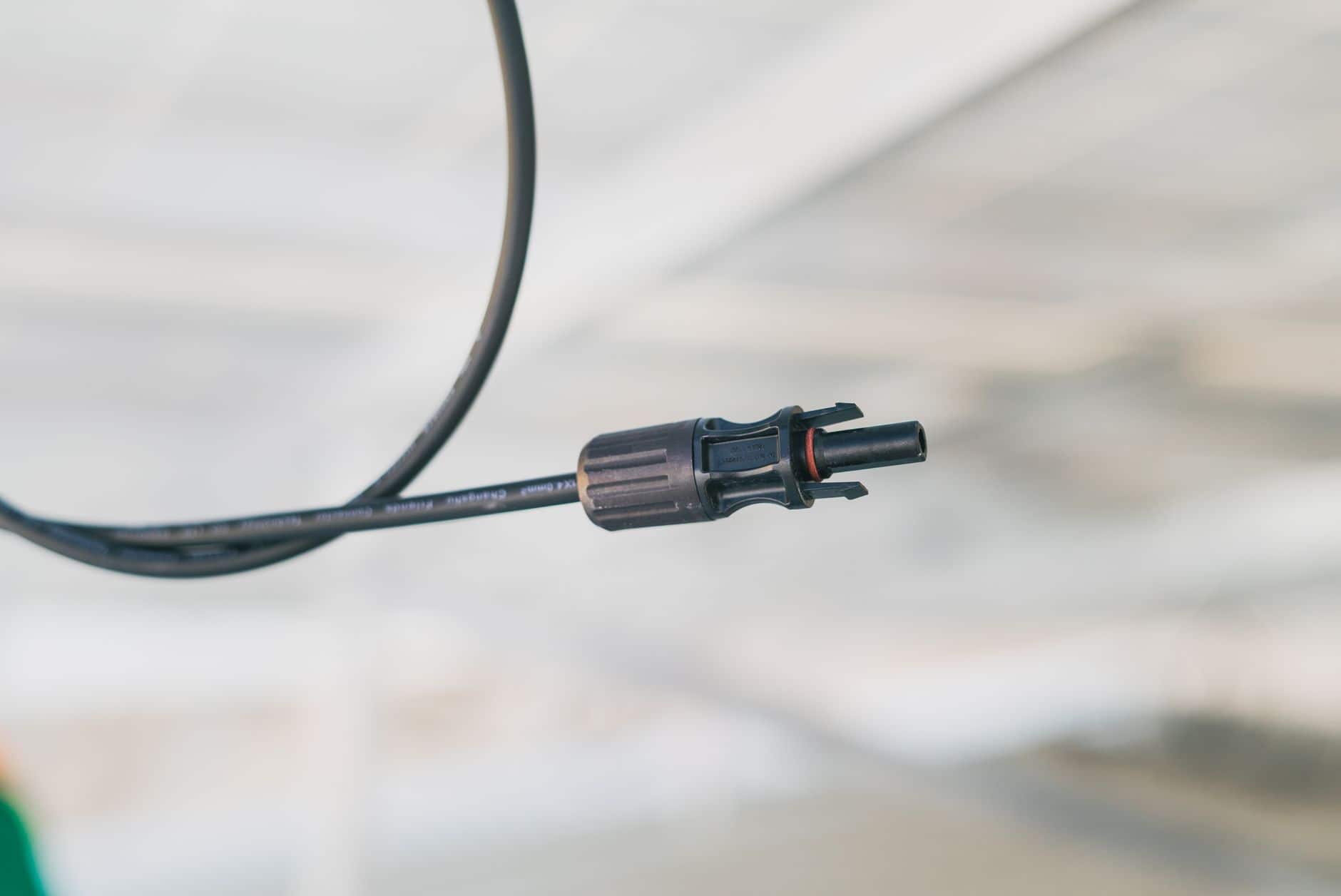
Solar Cables: The Next Reliability Frontier
KUKA Cable says material innovation is now the biggest factor for long‑term solar‑cable reliability as Europe pushes higher voltages and longer project lifetimes.
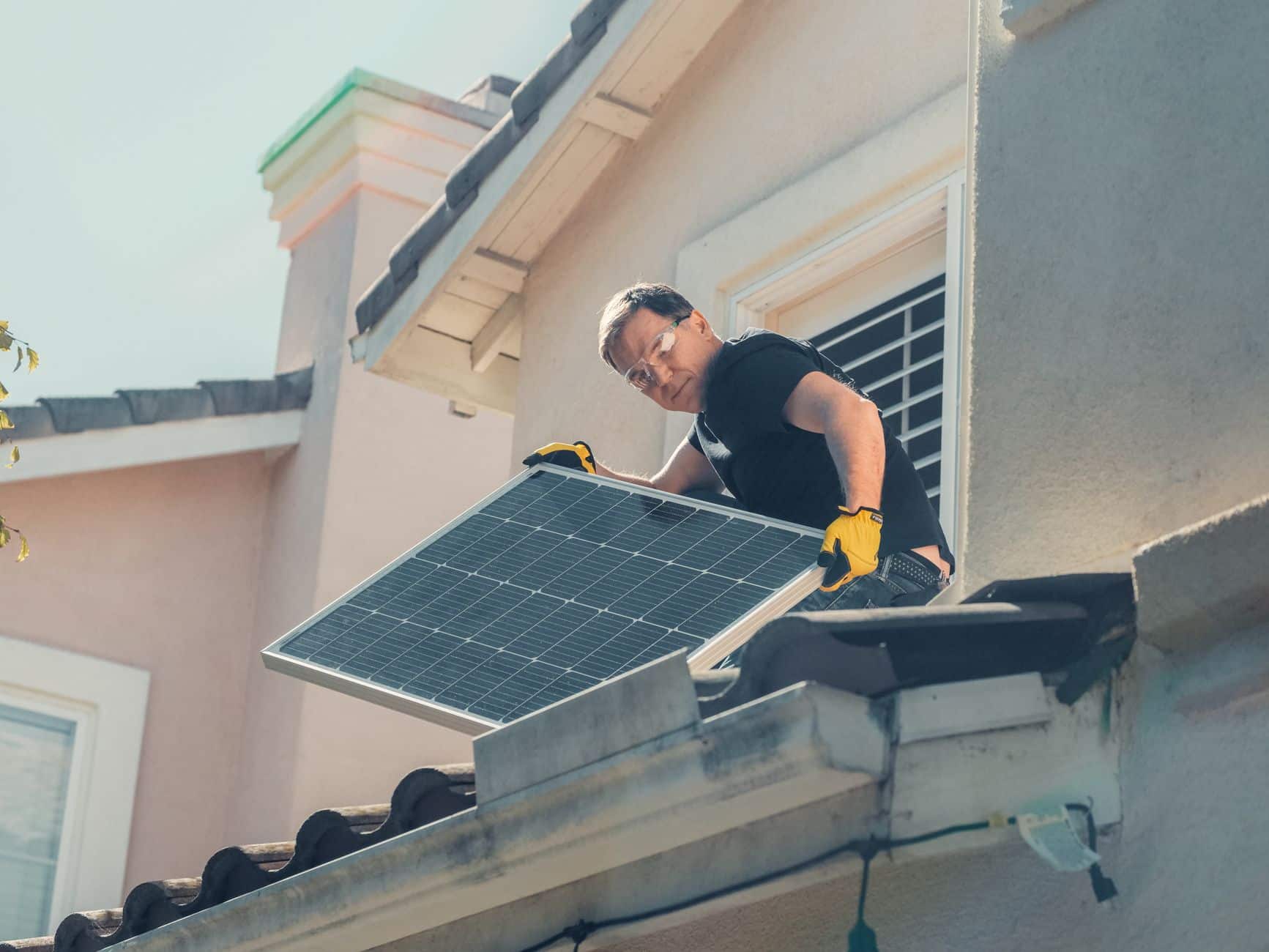
India’s 6 GW TOPCon Plant Raises Solar Efficiency
Avaada Electro has launched the first 3 GW of its 6 GW TOPCon solar‑cell factory in Nagpur, delivering cells with up to 25.5 % efficiency and paving the way for a major boost in clean‑energy output.
עלות החשמל הסולארי עולה בארה״ב
ה‑LCOE של סולאר תעשייתי בארה"ב עלה ב‑18% ל‑40‑98 $/MWh בשנת 2026, אך עדיין זול ב‑81% ממקורות אחרים שהושוו לפני 20 שנה.
Smart Controllers Let Brazil Solar Beat Limits
Brazilian installer Alba Energia uses smart controllers and ANEEL’s simultaneity rule to let PV farms generate far beyond the utility‑approved export limits, a model that could help Israel’s constrained feeders as well.
Solar Carports Grow 12% Yearly, Foundations Costly
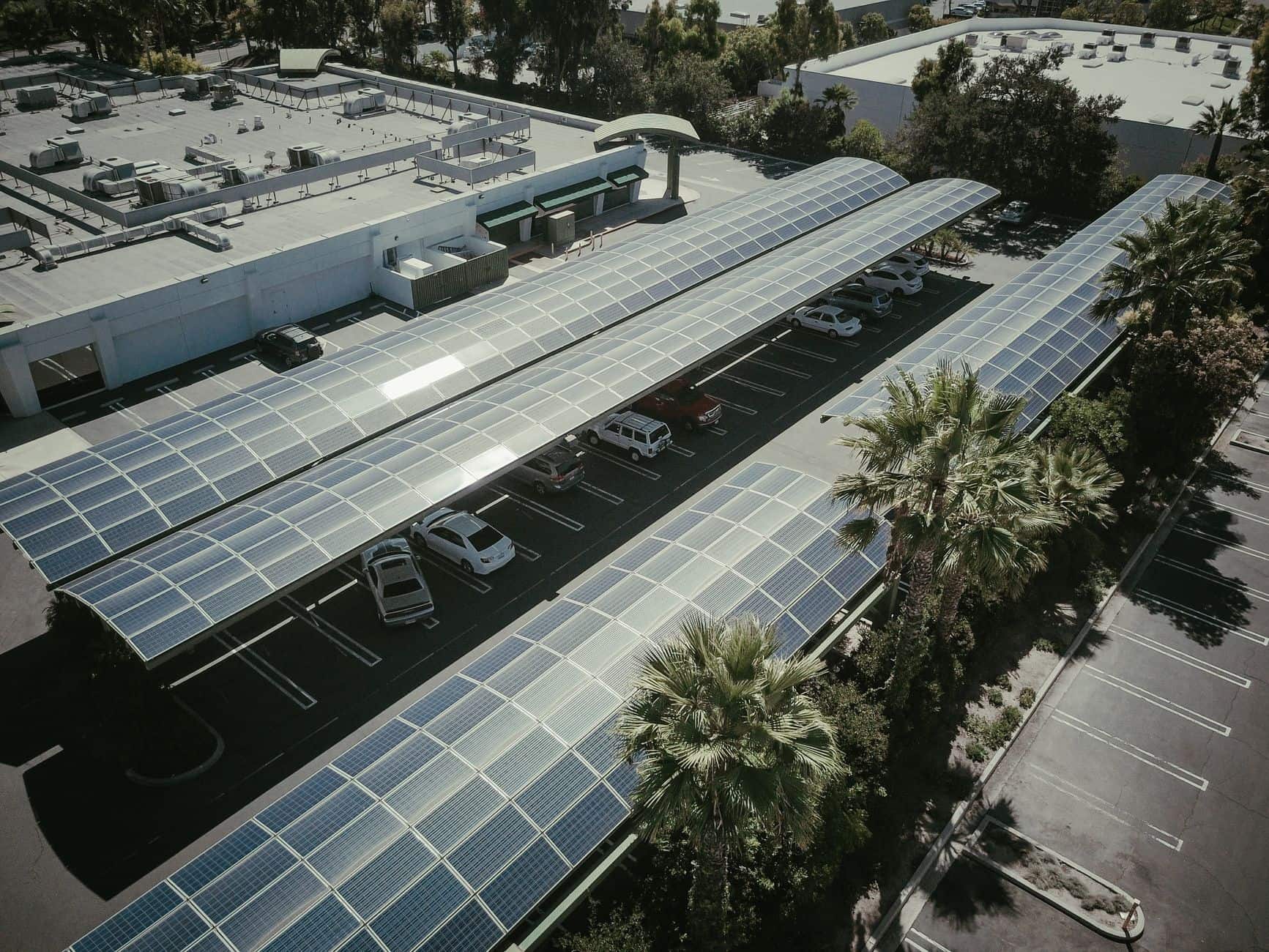
Solar carports are set to grow 12% annually, but costly foundations and engineering risks can erode margins; early geotechnical work is the cheapest insurance.
Nigerian Youth Grant Fuels Solar Innovation
The APC National Youth Wing has earmarked ₦17.5 million to fund young Nigerian innovators developing solar, biogas and other clean‑energy projects.