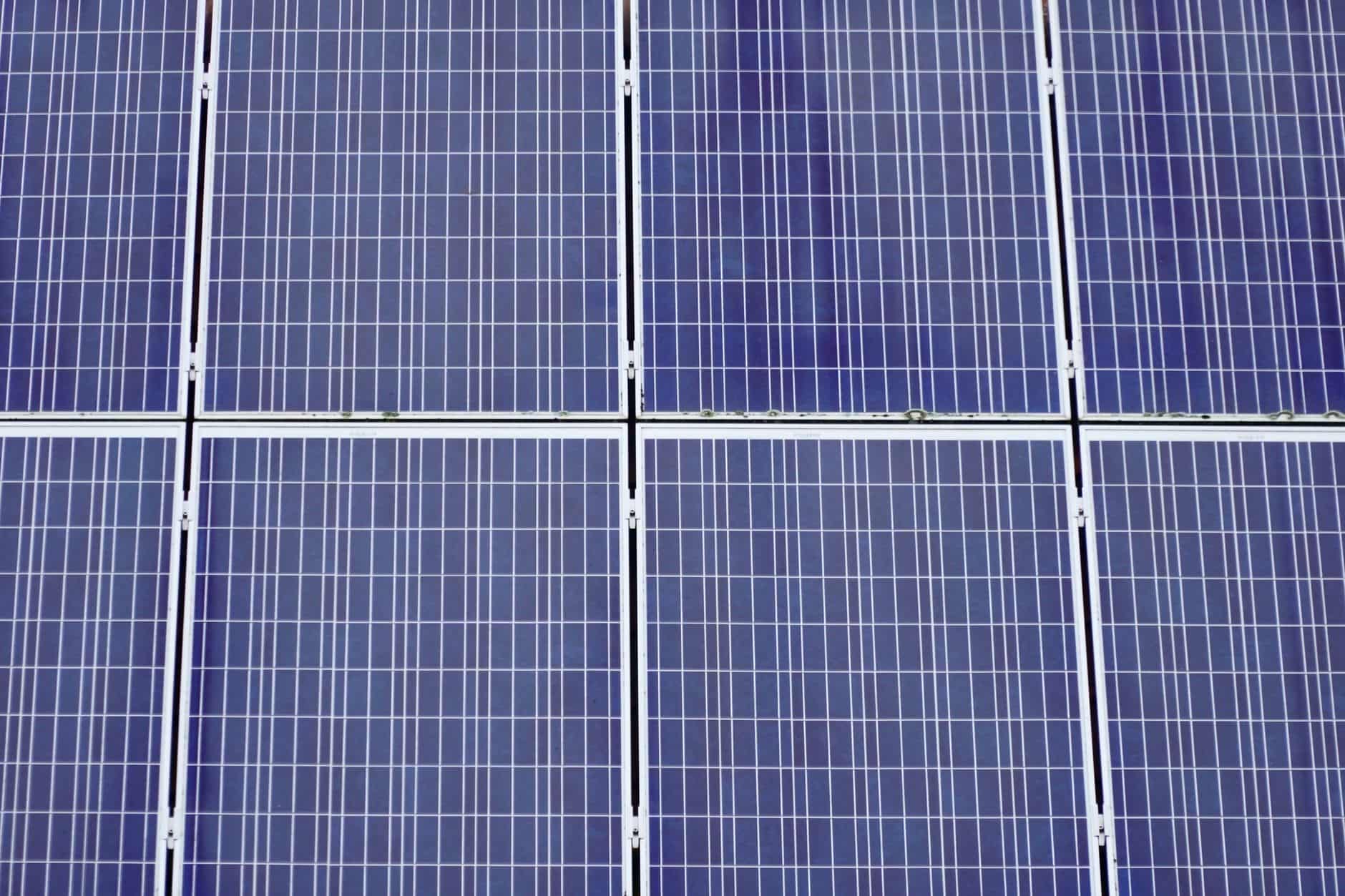
European Solar Module Prices Stabilize in July
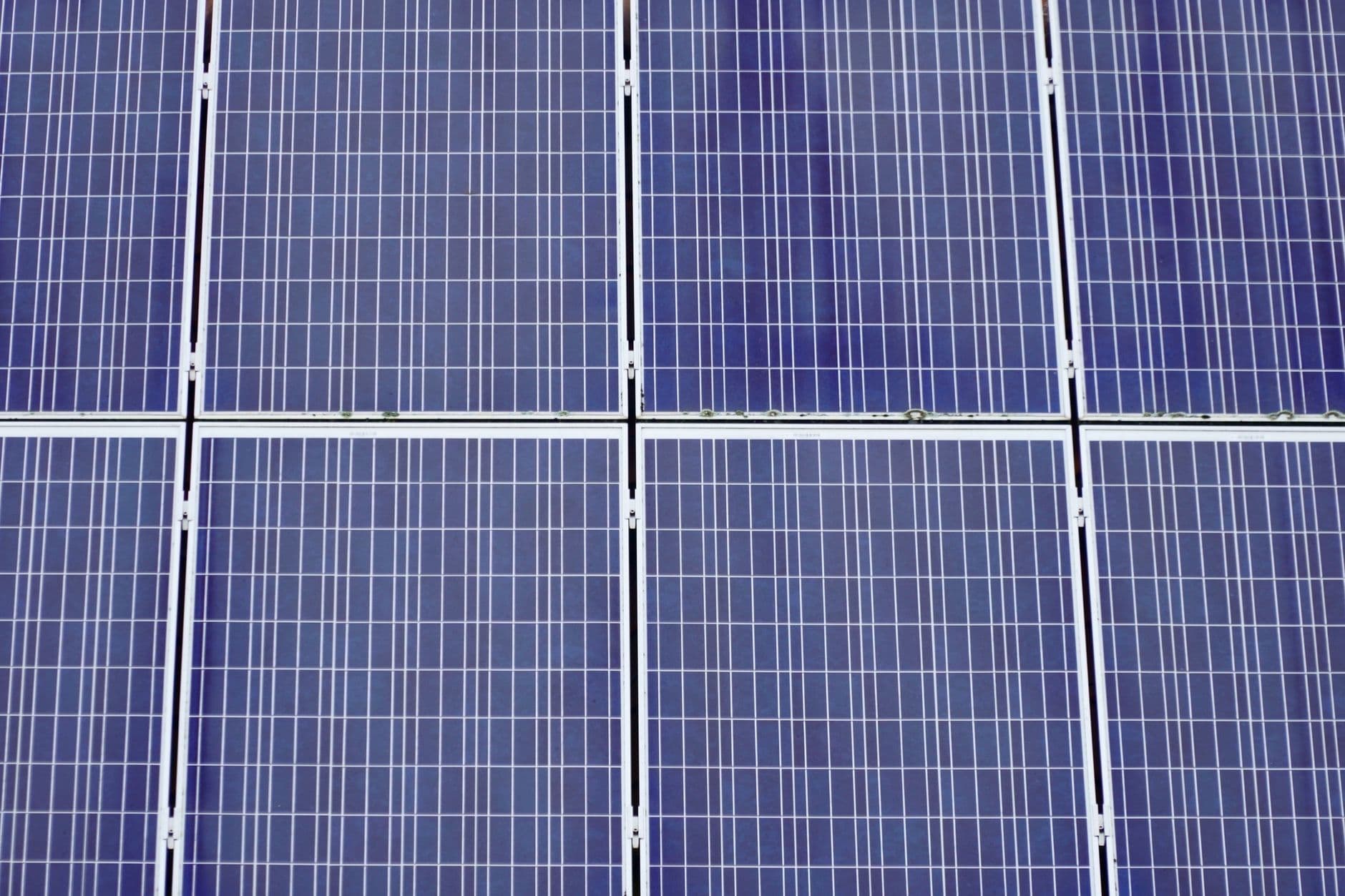
Prices held steady in July 2026
Solar module prices across Europe were essentially flat in July 2026, following earlier price increases that had concerned installers. The latest PV‑Magazine index showed negligible month‑on‑month changes for full‑black, low‑cost and other modules, while back‑contact cells kept modest upward pressure because demand still outstripped supply.
Back‑contact modules remain scarce
Back‑contact modules with efficiencies above 24% continue to be the lone outlier. Their high‑power variants are in short supply, keeping prices slightly higher in that niche. Only three Chinese factories – AIKO, Longi and TCL – are currently producing them at scale, and patent‑licensing disputes add further uncertainty. Nevertheless, this segment still represents a tiny slice of total market volume, so its price dynamics have little effect on the overall index.
Manufacturers eye perovskite and tandem cells
The industry is already looking beyond TOPCon. Perovskite‑silicon tandem modules, which have already demonstrated efficiencies just over 25% in pilot lines, are being field‑tested by Oxford PV and could reach 27% by next year. If the material‑stability hurdles are solved, efficiencies above 30% are theoretically possible, opening the door to smaller rooftops delivering the same power. Mass‑market launch is projected for late‑2027 or early‑2028.
Production capacity pressure forces price discipline
Because manufacturers have invested heavily in upgraded TOPCon lines, they now run those factories at very high utilization. Idle capacity is costly, so the previous production cuts that helped prop up prices are being rolled back. The result is a modest downward trend for TOPCon modules and a stable‑or‑slightly‑higher outlook for back‑contact products.
What it means for Israel
For Israeli homeowners, the European price pause translates into a modest cost benefit. Using the typical Israeli figures – ₪3,150 per kWp install cost and a 1 kWp system yielding about 1,700 kWh / kWp / year in the central region – a modest reduction in module price would shave roughly ₪158 per kWp from the upfront bill. On a 10 kWp rooftop, that’s a saving of about ₪1,580, cutting the simple payback period from about 3.9 years to roughly 3.6 years at the residential tariff of ₪0.48 /kWh. Homeowners can therefore expect a slightly quicker return on investment without waiting for the next generation of perovskite‑based panels.
Outlook: modest price drift, tech‑driven growth
Overall, the market is likely to see stable or gently falling prices for TOPCon modules through the rest of 2026, while back‑contact cells may stay a touch pricier due to their niche appeal. The real game‑changer will be the commercial rollout of perovskite‑tandem technology, which could compress system sizes and further drive down balance‑of‑system costs once the stability issues are resolved.
Sources: PV‑Magazine – Rise in solar module prices comes to a halt, PV‑Tech – European module price trends July 2026, Reuters – Solar manufacturers shift focus to perovskite
FAQ
Did solar module prices increase in July 2026?
No, prices across most technology classes were essentially unchanged in July 2026.
Why are back‑contact modules still expensive?
Because only three Chinese manufacturers produce them at scale and demand for high‑efficiency, all‑black modules exceeds supply.
When can we expect perovskite‑tandem panels on the market?
Mass‑market perovskite‑tandem modules are projected for late 2027 or early 2028.
How does the price pause affect Israeli rooftop solar owners?
A 5 % module price dip could cut a typical 10 kW system’s upfront cost by about ₪1,580, shortening the payback from 3.9 to roughly 3.6 years.
Will TOPCon module prices keep falling?
They are expected to stay stable or drift slightly lower through the rest of 2026 as manufacturers run plants at high utilization.
Share this post
More from Technology
6
Virtual Power Plants to Power Data Centers
Israeli startup nGrid’s AI‑driven virtual power plant cuts data‑center electricity costs significantly and demonstrates fast payback for residential solar in Israel.
Solar Awnings Generate Power and Shade
German startup Solar Markise’s photovoltaic awnings generate up to 1.8 kW while providing shade, and could pay for themselves in a few years in Israel.

Drones Detect Faults in Vietnam’s 45k‑Panel Solar
Autonomous drones equipped with an “all‑seeing eye” are now inspecting Vietnam’s 45,000‑panel, 28 MWp rooftop solar farm, cutting inspection time to minutes and safeguarding a fast‑growing market.
Solar‑Powered AI Data Centre in Chile
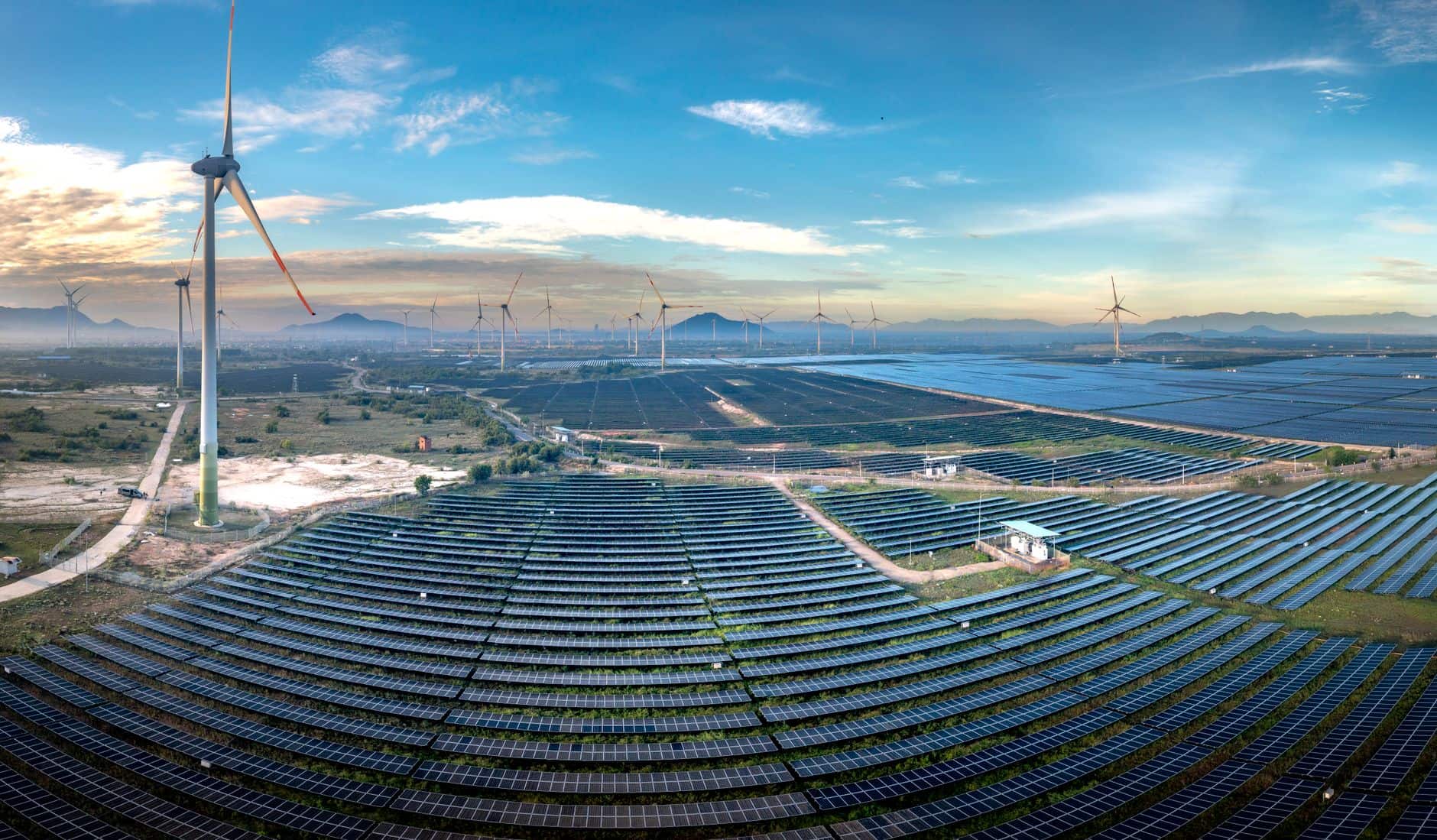
Israeli firm Solaer will build a large‑scale solar‑powered data centre in Chile’s Atacama desert, aiming to meet the AI boom with clean, low‑cost electricity.
Solar Cables: The Next Reliability Frontier
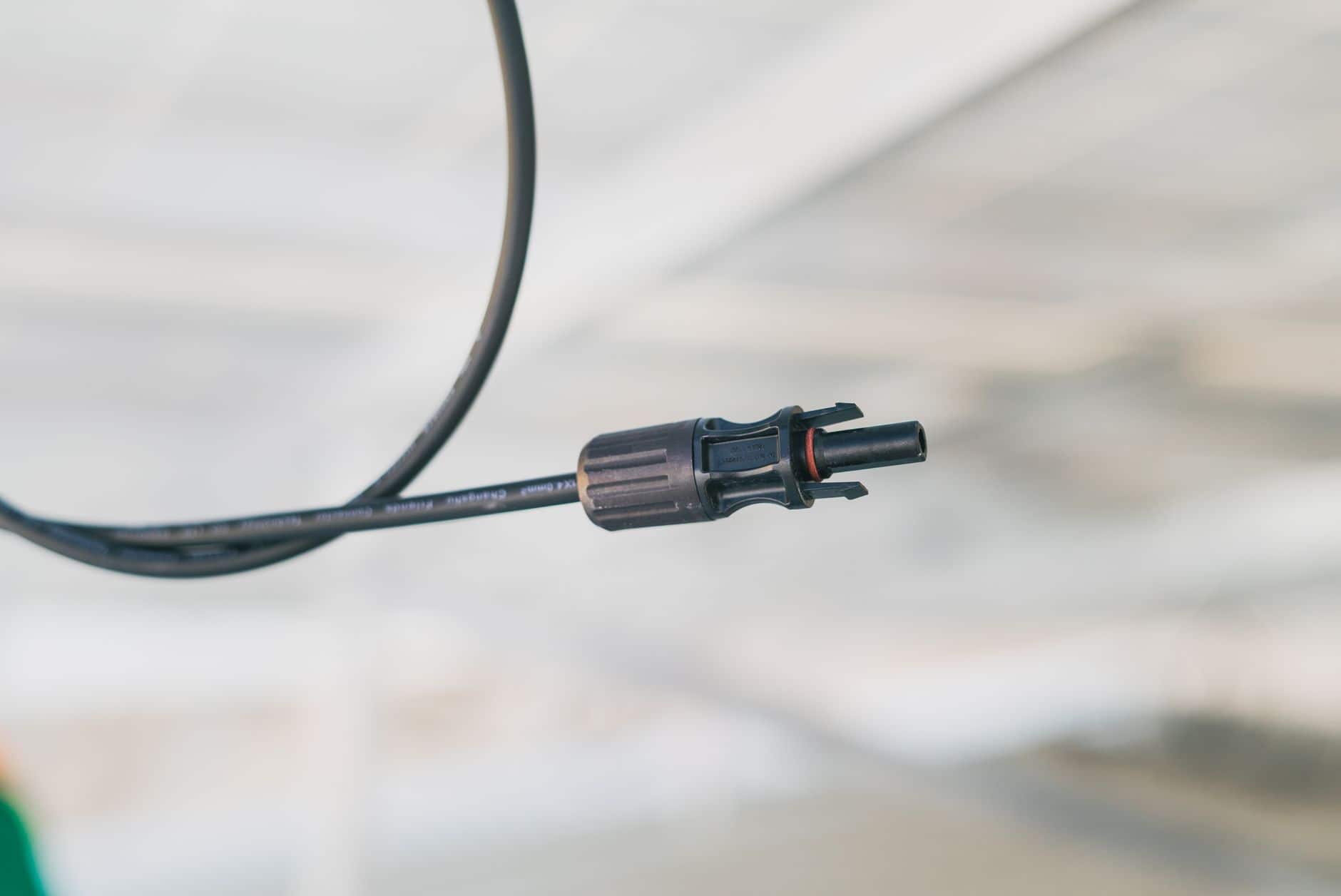
KUKA Cable says material innovation is now the biggest factor for long‑term solar‑cable reliability as Europe pushes higher voltages and longer project lifetimes.
India’s 6 GW TOPCon Plant Raises Solar Efficiency
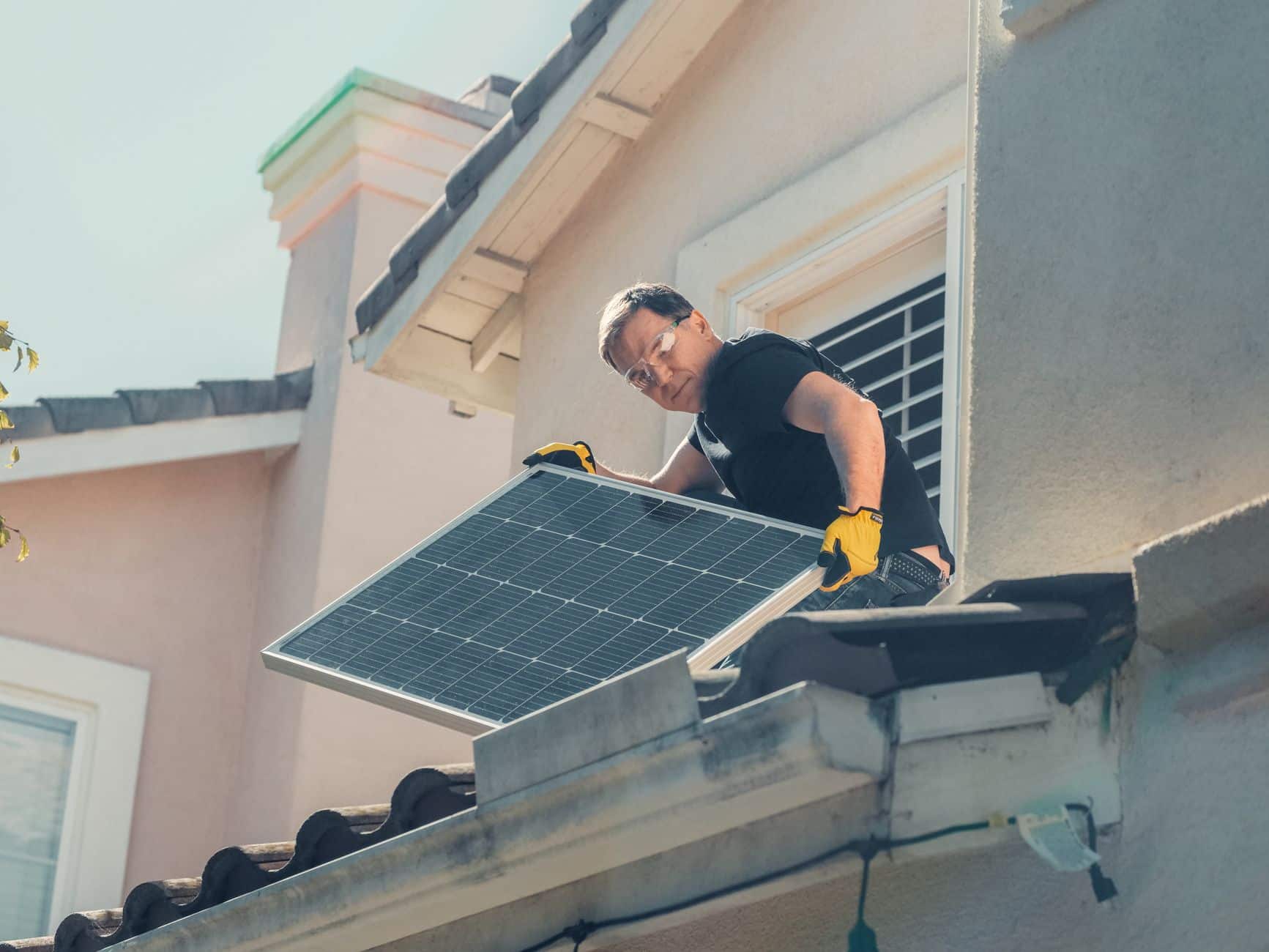
Avaada Electro has launched the first 3 GW of its 6 GW TOPCon solar‑cell factory in Nagpur, delivering cells with up to 25.5 % efficiency and paving the way for a major boost in clean‑energy output.