US Drafts Ban on Chinese Solar Inverters
The Trump administration is drafting a ban that would bar Chinese‑made solar inverters from U.S. energy projects
The Federal Communications Commission is preparing a rule that could prohibit the import and use of solar inverters built in China in any new U.S. solar or storage project, potentially taking effect as early as this year. The move was first reported by Reuters, citing anonymous officials with knowledge of the plan, and confirmed by multiple U.S. media outlets,.
Cybersecurity worries are the official driver behind the proposed rule
U.S. policymakers argue that inverters – the devices that convert DC power from panels into AC for the grid – could be a weak point for hostile actors to infiltrate the nation’s power system. A former U.S. Homeland Security official warned that Chinese‑made inverters might embed hidden communication modules, a claim that sparked a 2025 Reuters investigation alleging “rogue devices” inside some units. While the Department of Energy later said inspections of about 30 inverters found no malicious code, it cautioned that the “complexity of inverter supply chains” leaves room for future threats.
The ban mirrors a tightening stance already taken by the European Union
Earlier this year the European Commission announced that EU‑funded projects could no longer use inverters from “high‑risk” suppliers, a category that effectively excludes Chinese manufacturers. The EU decision was framed as a safeguard for public funds and grid security, and it has already halted financing for projects that relied on Chinese gear. Chinese officials denounced the move as “undermining mutual trust” and warned of broader supply‑chain disruption.
Chinese inverters still dominate the global market, so the ban could have big ripple effects
According to Wood Mackenzie, worldwide PV‑inverter shipments grew 10 % in 2024 to 589 GWac, with Chinese manufacturers supplying the lion’s share of that volume. Even in the United States, Chinese‑origin components are common in domestically assembled inverters, meaning a U.S. ban would force manufacturers to re‑tool supply chains and could raise system costs in the short term.
What it means for Israel
Israel’s solar market is already heavily dependent on imported inverter technology, most of which comes from Asian factories, including China. A U.S. ban does not directly affect Israeli projects, but it signals a global shift toward “zero‑trust” hardware standards that could soon be echoed by the Israeli Electricity Authority. For Israeli homeowners, the practical impact can be illustrated with a typical 10 kWp rooftop system in the central region:
- Annual yield: ~17,000 kWh (1,700 kWh/kWp × 10 kWp)
- Revenue at the residential feed‑in tariff of ₪0.48/kWh: ≈ ₪8,160 per year
- Installation cost at ₪3,150/kWp: ≈ ₪31,500 total
- Simple payback: about 3.9 years, after which the system generates profit for the remaining ~21 years of its 25‑year lifetime. If future Israeli regulations adopt stricter supply‑chain vetting, local installers may need to source “trusted‑origin” inverters, potentially nudging prices upward by a few percent. Homeowners should therefore keep an eye on any new certification requirements that could affect warranty terms or financing rates.
Outlook: a policy ripple that could reshape global supply chains
The draft ban is still under review, and the FCC has not set a final publication date. If enacted, the rule would likely trigger a cascade of similar measures in allied markets, accelerating the development of domestically produced or vetted inverter alternatives. Industry analysts, such as SolarDefend’s Uri Sadot, argue that standards‑based “zero‑trust” frameworks—not outright bans—will be the long‑term solution for grid security. For investors and project developers, the key takeaway is to diversify inverter sourcing now, incorporate cybersecurity due‑diligence into procurement, and monitor regulatory updates both in the U.S. and in export‑oriented markets like Israel.
What it means for Israel
Israel’s renewable‑energy targets (30 % by 2030, 20 % by 2025) rely on continued cost‑effective solar deployment. A shift toward vetted inverter hardware could modestly raise upfront costs, but the long‑term savings from avoided cyber‑incidents and potential financing incentives for “secure” equipment may offset the premium. Using the typical figures above, a 10 kWp system still pays back in under four years, even if inverter prices rose modestly. Homeowners can run the same calculation in our online solar ROI calculator to see how any price change impacts payback.
For the latest updates on U.S. policy and its global implications, stay tuned to our coverage.
Sources & further reading
- Exclusive-US working on ban targeting Chinese energy inverters...
- Trump Administration Drafting Ban on Chinese Energy Inverters - Moomoo
- EU-China Relations After the 2024 European Elections: A Timeline
- Trump's crackdown on China-linked solar firms stalls U.S. factory boom
- [PDF] Nazak Nikakhtar Testimony
FAQ
Will the U.S. ban affect existing solar installations?
No. The draft rule targets new imports and projects; existing systems can continue operating under current permits.
When could the ban actually take effect?
The FCC could publish the final rule later this year, with compliance dates likely set for 2025.
How much of the global inverter market is Chinese?
Chinese manufacturers supplied the majority of the 589 GWac of inverters shipped worldwide in 2024, according to Wood Mackenzie.
What does a ban mean for Israeli rooftop solar owners?
It doesn’t change current installations, but future projects may need to use inverters that meet new “zero‑trust” standards, possibly raising costs slightly.
Can I still get a solar system installed in Israel at a good price?
Yes. A typical 10 kWp home system still pays back in under four years at today’s tariffs and installation costs.
Are other countries adopting similar bans?
The EU has already restricted funding for projects using Chinese inverters, and several allies are reviewing their own supply‑chain security rules.
Share this post
More from Policy
6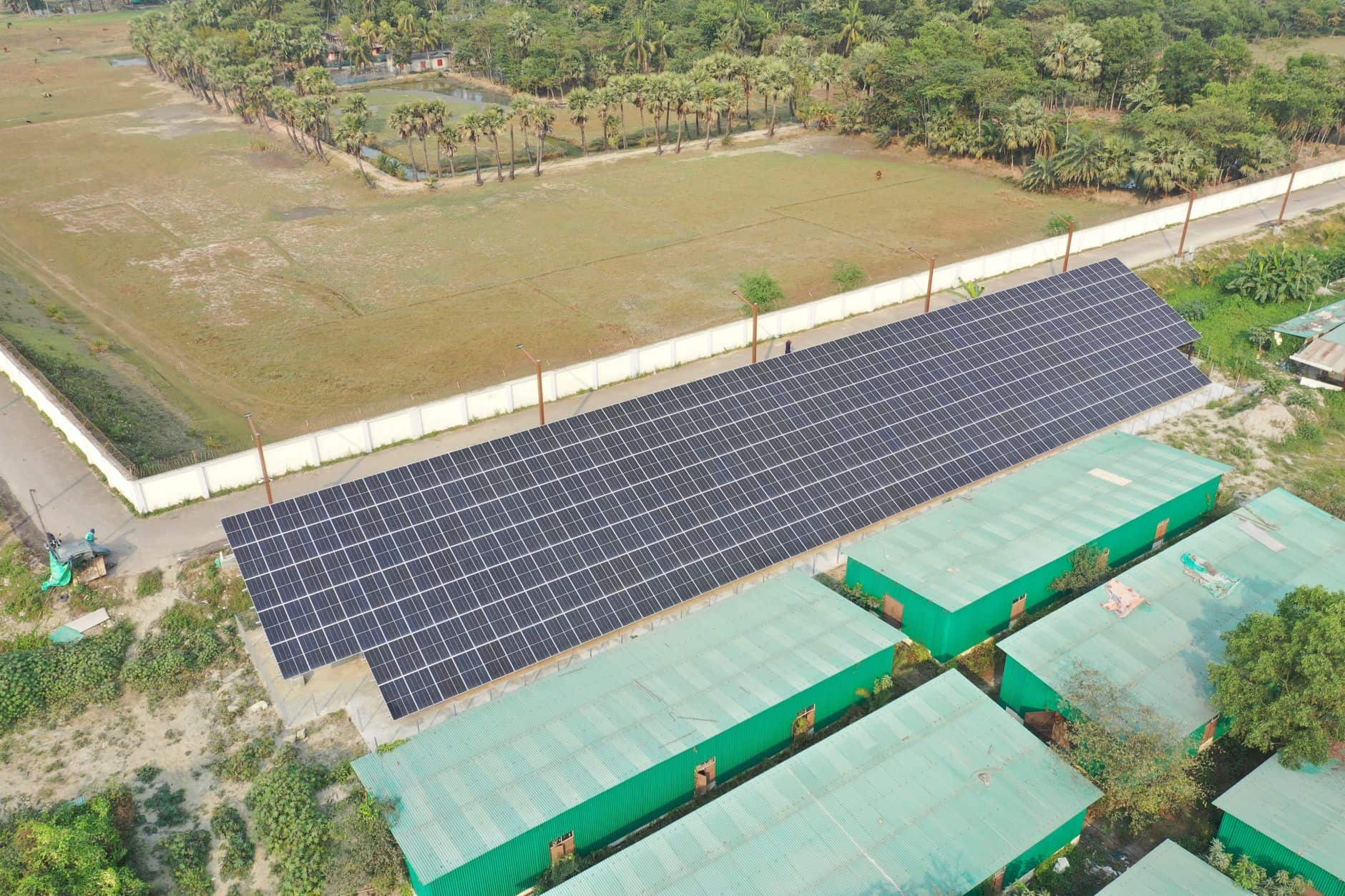
Bangladesh Opens 95 MW Solar Tender Amid Investor Doubts
Bangladesh’s Power Development Board has opened a 95 MW solar tender, but investors are hesitant because the government offers no land, financing or payment guarantees.
Germany Moves to Block Chinese Solar Inverters
Germany is set to restrict Chinese solar inverters, citing cybersecurity risks, with 70‑80 % of European inverters currently sourced from China.
EU Opens Sixth Cross‑Border Renewable Funding Call
The EU has opened its sixth call for cross‑border renewable energy projects, accepting applications until 6 October and offering significant CEF funding support.
Israel’s 2035 Renewable Plan: Not Enough
Israel’s 2035 renewable‑energy plan sets a 26 GW target, but at today’s pace the country will fall short of the 35‑45 % share needed, according to Greenpeace and independent analysts.
EU to launch 4th hydrogen auction by 2026
The EU will launch its fourth European Hydrogen Bank auction before the end of 2026, aiming to fund up to €2 billion for green‑hydrogen projects and boost the continent’s renewable capacity.
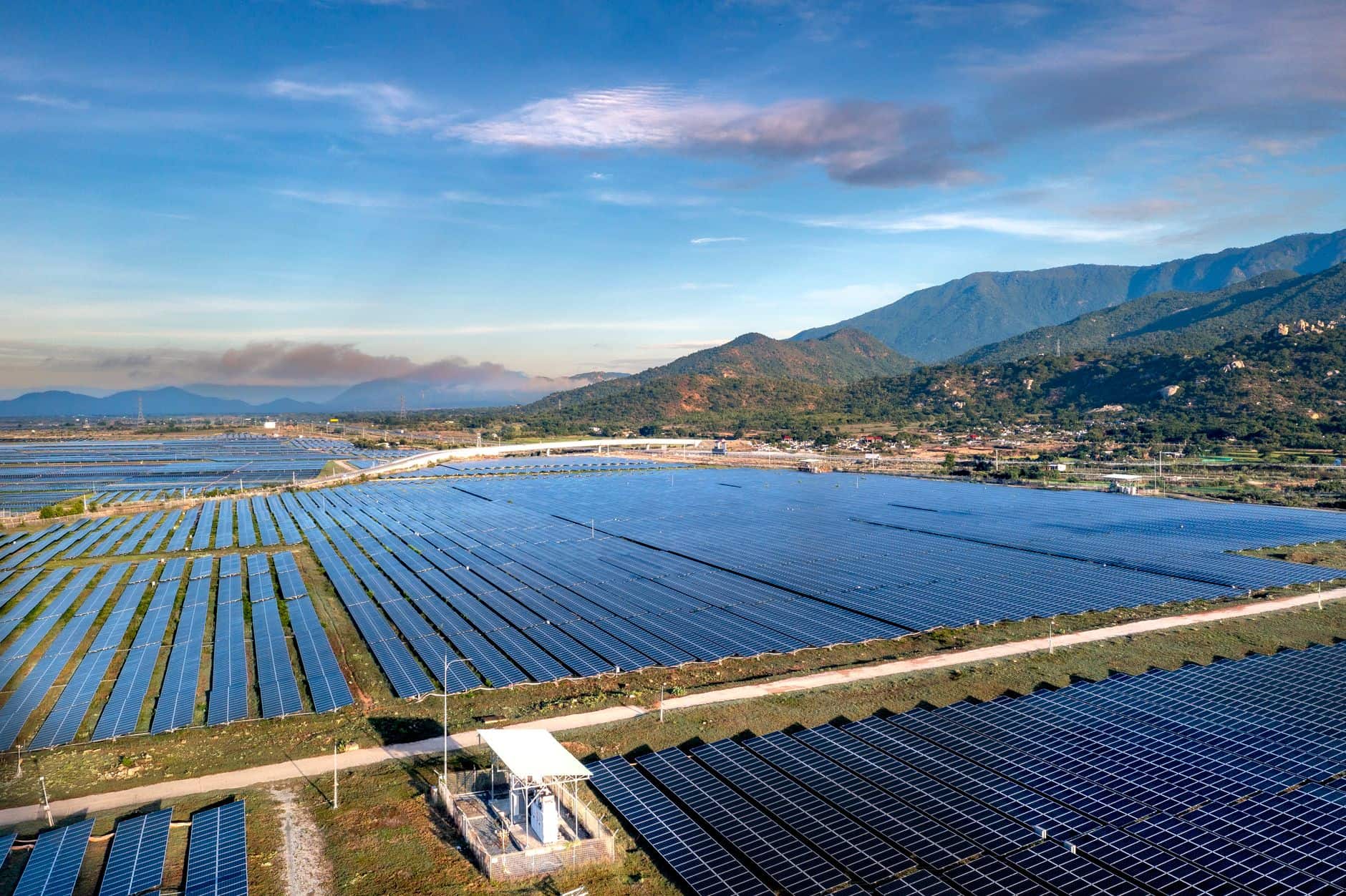
Vietnam’s Solar Boom: Cheap Tariffs & Rooftops
Vietnam’s installed power capacity hit 82 GW in 2024, with solar capacity climbing to several gigawatts and a new $0.026/kWh net‑metering tariff making rooftop solar highly attractive.