Bangladesh Opens 95 MW Solar Tender Amid Investor Doubts
Bangladesh’s 95 MW Solar Tender: What’s on the Table?
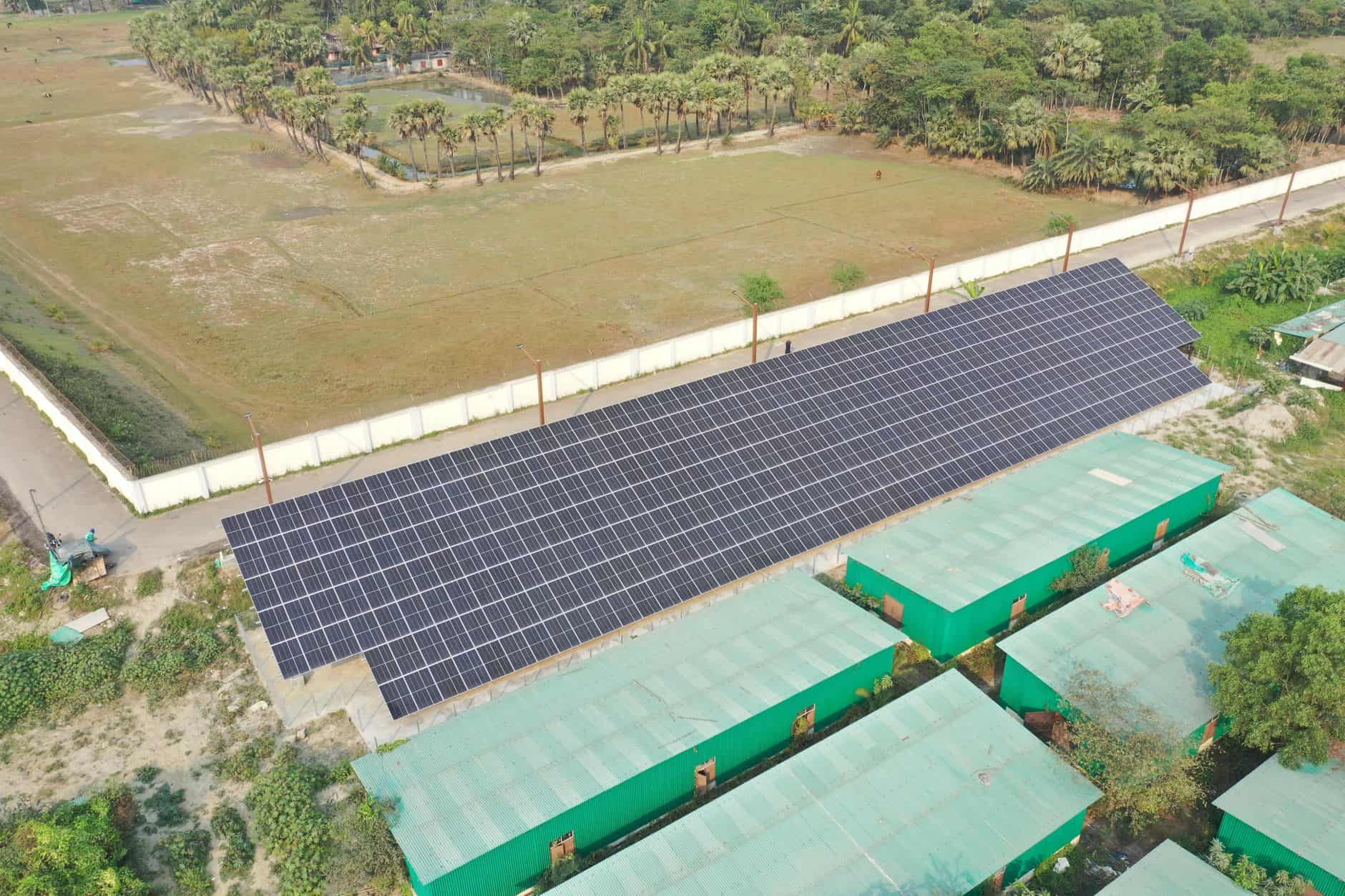
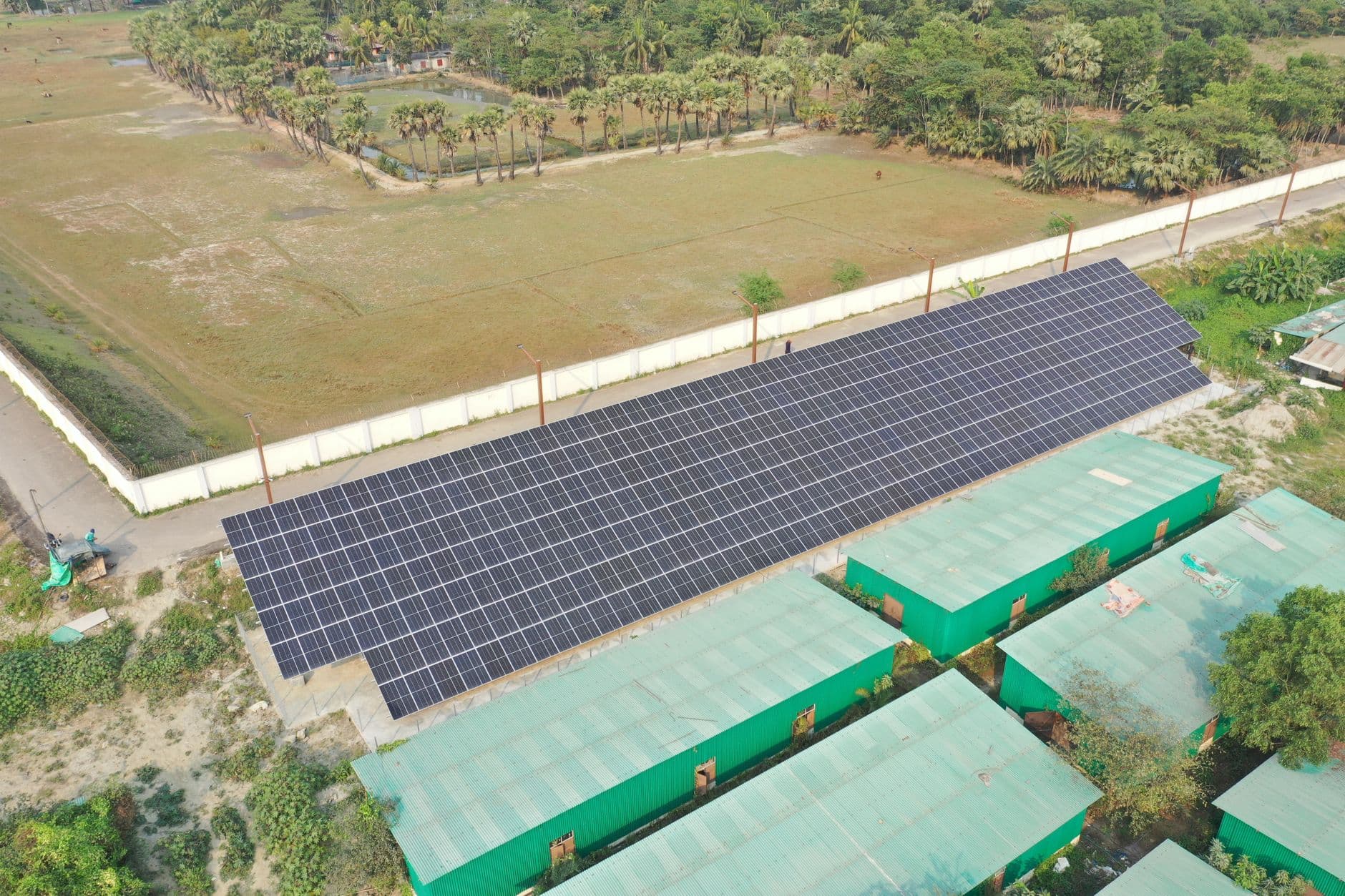
Bangladesh’s Power Development Board (BPDB) has launched a tender for 95 MW of grid‑connected solar projects – 70 MW in Cox’s Bazar and 25 MW in the Rangamati hills – that must be built by private investors. The deadline for proposals is August 25.
The BPDB will buy the electricity under a 20‑year power purchase agreement (PPA), but it will not provide land, financing or payment guarantees. As a result, developers are wary that banks and foreign investors will shy away without a state‑backed safety net.
Investor Concerns: No Guarantees, No Land, No Money
BPDB’s director of the IPP Cell‑2, AKM Mohiuddin Azamy, made it clear that the government will not supply land or financing. "The private‑sector investor, whether local or foreign, will be responsible for arranging finance and securing land for the projects," he said.
Local industry voices echo the same worry. Mostafa Al Mahmud, president of the Bangladesh Sustainable and Renewable Energy Association (BSREA), warned that the tender is unlikely to attract strong interest because "the government is neither providing payment guarantees nor signing implementation agreements with developers". Without those guarantees, banks and foreign firms are reluctant to fund the plants, and BPDB’s history of weak responses to previous solar tenders only deepens the skepticism.
How This Fits Bangladesh’s Renewable Landscape
Bangladesh currently has 1,805 MW of clean‑energy capacity, with 1,513 MW coming from solar. Adding the 95 MW from this tender would increase Bangladesh’s solar capacity, moving the country closer to its renewable‑energy targets.
However, the lack of a clear policy framework could stall progress. Past BPDB solar tenders have seen repeated deadline extensions because developers struggled to secure financing without government backing. The new tender mirrors that pattern, highlighting a gap between Bangladesh’s ambition and the practical support needed to realize it.
What It Means for Israel’s Solar Market
While Bangladesh’s tender is a distant market, the situation offers a useful lesson for Israeli investors and policymakers. Israel’s residential feed‑in tariff of ~₪0.48/kWh and typical turnkey cost of ~₪3,150/kWp mean that a 10 kWp rooftop system can pay back in under 4 years (see our illustrative example). Unlike Bangladesh, Israeli developers benefit from a stable tariff and clear financing pathways, which help attract private capital.
If Israeli firms consider overseas projects, they will weigh the risk of missing payment guarantees against the potential returns. The Bangladesh case underscores why government‑backed guarantees are a decisive factor in cross‑border solar investments.
Looking Ahead: Policy Shifts Needed
For Bangladesh to secure the needed private capital, the government may need to:
- Offer payment guarantees or credit lines that reassure lenders.
- Provide land or lease agreements to reduce upfront costs for developers.
- Streamline PPA negotiations to shorten the time between tender and commissioning.
If these steps are taken, the 95 MW tender could become a catalyst for a broader solar boom, helping Bangladesh meet its renewable‑energy goals while creating jobs in the Cox’s Bazar and Rangamati regions.
What It Means for Israel
Israeli homeowners can learn from Bangladesh’s challenges: stable tariffs and clear financing are key to making solar projects viable. Our own solar ROI calculator (see /calculator) shows that with current tariffs, a typical 10 kWp system yields ~₪8,160 per year, paying back in under 4 years. For investors eyeing overseas markets, the Bangladesh tender highlights the importance of government risk mitigation – without it, even attractive projects can struggle to find funding.
Bottom Line
Bangladesh’s 95 MW solar tender is a bold step toward expanding its renewable‑energy mix, but the lack of land, financing and payment guarantees is dampening investor enthusiasm. The outcome will hinge on whether the government steps in to provide the safety nets that private capital demands.
For more on solar economics in Israel, visit our data page and explore the latest market trends.
FAQ
Why are investors hesitant about Bangladesh’s solar tender?
Because the government won’t provide land, financing or payment guarantees, so banks and foreign firms see high risk.
What size projects are included in the Bangladesh tender?
A 70 MW plant in Cox’s Bazar and a 25 MW plant in the Rangamati hills, totalling 95 MW.
How long will the power purchase agreements last?
The PPAs will run for 20 years.
What is Bangladesh’s current solar capacity?
Bangladesh has about 1,513 MW of solar capacity out of 1,805 MW total clean‑energy capacity.
How does this tender compare to Israel’s solar market?
Israel offers stable tariffs (~₪0.48/kWh) and clear financing, which helps private investors, unlike Bangladesh’s current setup.
Share this post
More from Policy
6
Germany Moves to Block Chinese Solar Inverters
Germany is set to restrict Chinese solar inverters, citing cybersecurity risks, with 70‑80 % of European inverters currently sourced from China.
EU Opens Sixth Cross‑Border Renewable Funding Call
The EU has opened its sixth call for cross‑border renewable energy projects, accepting applications until 6 October and offering significant CEF funding support.
Israel’s 2035 Renewable Plan: Not Enough
Israel’s 2035 renewable‑energy plan sets a 26 GW target, but at today’s pace the country will fall short of the 35‑45 % share needed, according to Greenpeace and independent analysts.

EU to launch 4th hydrogen auction by 2026
The EU will launch its fourth European Hydrogen Bank auction before the end of 2026, aiming to fund up to €2 billion for green‑hydrogen projects and boost the continent’s renewable capacity.
Vietnam’s Solar Boom: Cheap Tariffs & Rooftops
Vietnam’s installed power capacity hit 82 GW in 2024, with solar capacity climbing to several gigawatts and a new $0.026/kWh net‑metering tariff making rooftop solar highly attractive.
IEC Halves Retroactive Rooftop Solar Fees
The Electricity Authority ordered IEC to cut its retroactive rooftop‑solar system‑management charge from the original NIS 0.09/kWh level, easing the cost burden on Israeli homeowners.