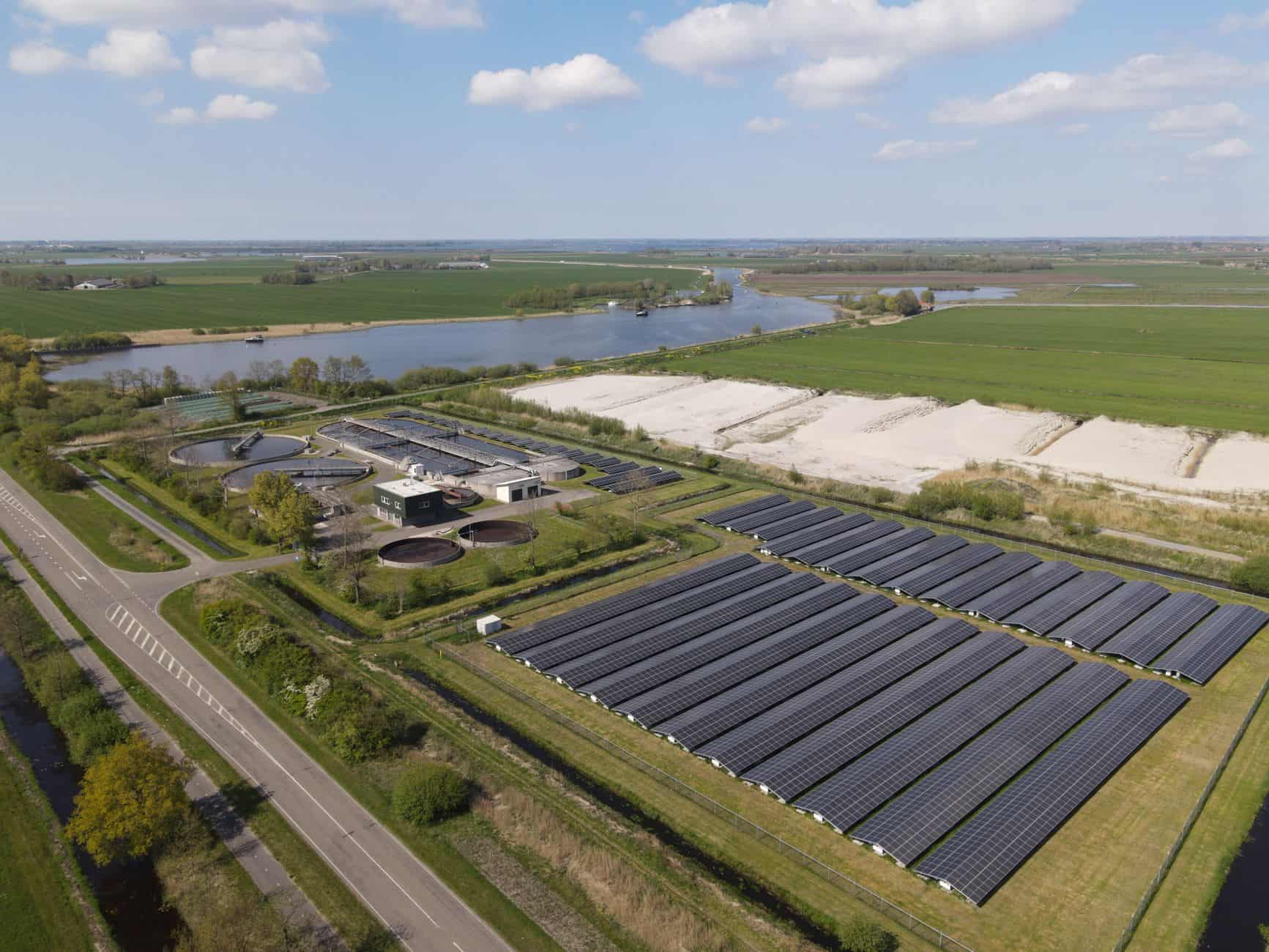
EU Opens Sixth Cross‑Border Renewable Funding Call
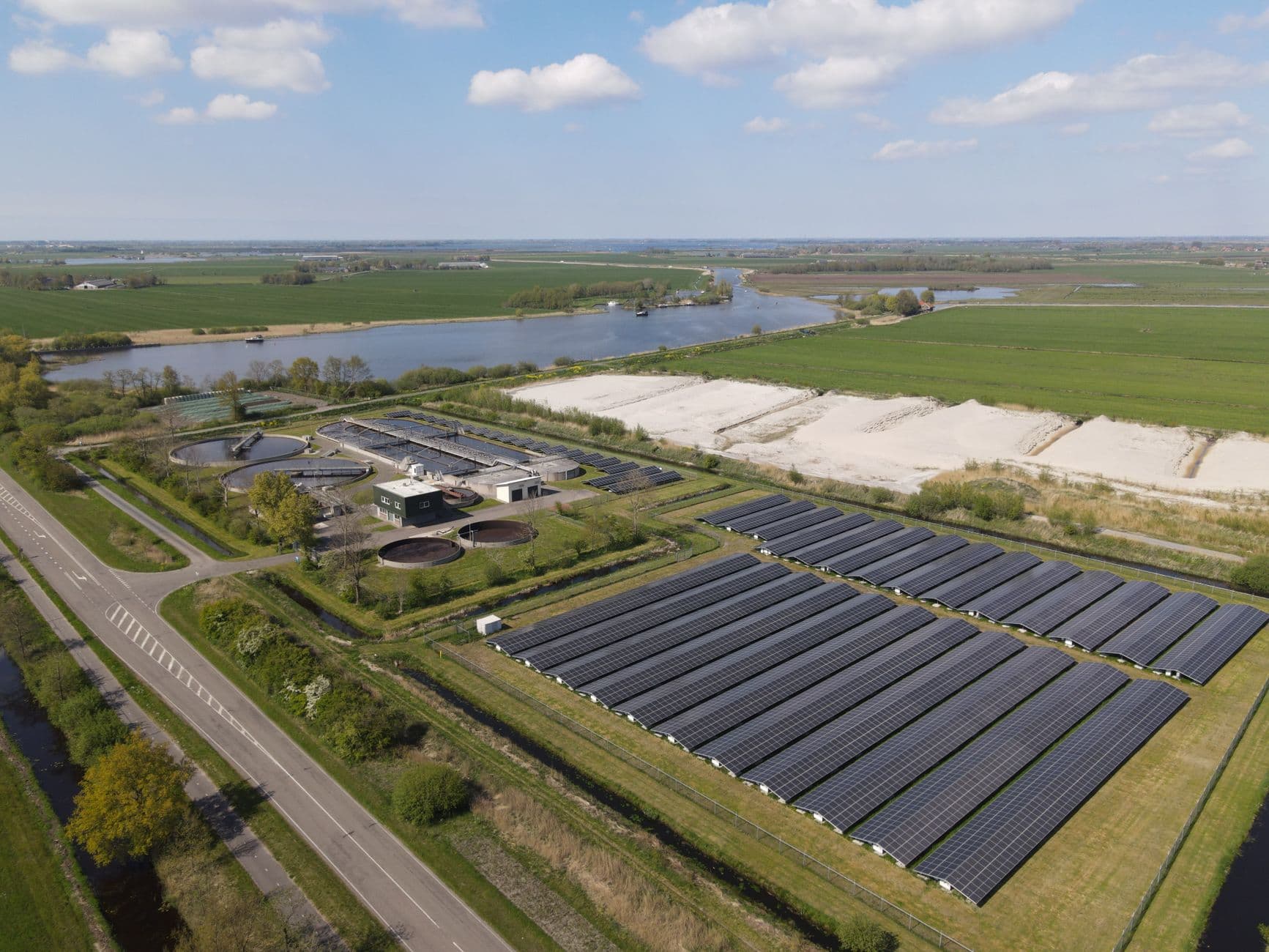
EU’s sixth CB RES call opens – priority status up to Oct 6
The European Climate, Infrastructure and Environment Executive Agency (CINEA) has opened the sixth round of calls for cross‑border renewable energy (CB RES) projects, and applications are accepted until 6 October. Getting CB RES status gives projects priority access to EU grants under the Connecting Europe Facility (CEF) Energy programme, boosting visibility and investor confidence.
Which projects qualify and how much money is at stake?
A project must include a renewable generation asset – solar, on‑shore or off‑shore wind, geothermal or a hybrid – and can also cover grid connections, storage, heating, cooling, power‑to‑gas or transport applications. The CEF Energy programme holds a €5.8 billion budget for 2021‑2027(https://energy.ec.europa.eu/topics/infrastructure/projects-common-interest-and-projects-mutual-interest/funding-pcis-and-pmis_en), of which €1.25 billion has already been earmarked for 41 cross‑border projects(https://cinea.ec.europa.eu/news-events/news/cef-energy-eu125-billion-allocated-41-cross-border-energy-infrastructure-projects-2025-01-29_en). This represents a substantial level of support for each eligible project.
How CB RES status helps investors and the EU agenda
CINEA states that priority status increases a project’s visibility at EU level, strengthens support from member states and raises investor confidence. The guidance also requires mitigation measures for “potentially vulnerable technologies” such as inverters and internet‑connected management systems, ensuring that security and supply‑chain risks are addressed before any financing is granted(https://cinea.ec.europa.eu/2024-4th-call-cross-border-renewable-energy-cb-res-projects-application-process-cb-res-status_en).
Recent EU solar tenders show the money flow
The EU’s first cross‑border solar tender, launched in April 2023 under the Renewable Energy Financing Mechanism, resulted in grant agreements for seven Finnish solar projects totalling 212.99 MW, financed with funds from Luxembourg(https://energy.ec.europa.eu/topics/renewable-energy/financing/eu-renewable-energy-financing-mechanism_en). A second tender ran in July 2024 and a third was announced in March, confirming the EU’s commitment to scaling cross‑border solar.
What it means for Israel
Israel is not part of the EU scheme, but the CB RES model shows how regional cooperation can unlock significant EU financing for renewable builds. Israeli developers could potentially partner with EU firms on joint projects that qualify for similar financing under bilateral agreements, especially for solar‑plus‑storage or hybrid schemes that span borders with neighboring countries. Such collaborations could improve the economics of large‑scale Israeli projects.
A typical Israeli home system in perspective
A representative 10 kWp rooftop system in central Israel produces about 17 MWh per year, worth roughly ₪8,160 at the residential tariff of ₪0.48/kWh. With a typical installation cost of ₪31,500, the payback period is around 3.9 years, after which the system generates clean electricity for the remainder of its 25‑year life.
Looking ahead
The sixth CB RES call closes on 6 October, and the EU expects a final CEF Energy funding round for awarded projects in 2027. As the EU continues to invest in cross‑border renewables, the template of joint financing, shared grids and coordinated policy could become a blueprint for Israel’s own regional energy collaborations, helping the country meet its climate goals while attracting private capital.
Key takeaways
- EU’s sixth CB RES call runs until 6 Oct, offering priority funding status.
- CEF Energy programme holds €5.8 bn for 2021‑27; €1.25 bn already set for 41 projects.
- Solar‑focused cross‑border tenders have already funded over 210 MW in Finland.
- Israeli rooftop solar yields ~17 MWh/yr, pays back in ~4 years.
Explore our solar ROI calculator | See Israeli market data
Sources & further reading
- [PDF] EUROPEAN COMMISSION Brussels, 13.3.2023 C(2023) 1590 final...
- [PDF] Study on the allocation of costs and benefits for offshore infrastructure in...
- [PDF] Post War Development of the Renewable Energy Sector in Ukraine
- [PDF] CLEAN HYDROGEN MONITOR
- Funding for PCIs and PMIs - Energy - European Commission
FAQ
When does the EU’s sixth CB RES call close?
Applications are accepted until **6 October 2024**.
What types of projects can apply for CB RES status?
Any renewable generation asset – solar, on‑shore/off‑shore wind, geothermal or hybrids – plus grid connections, storage, heating, cooling, power‑to‑gas or transport elements.
How much EU funding is available for cross‑border projects?
The CEF Energy programme has a €5.8 bn budget for 2021‑27, with €1.25 bn already earmarked for 41 projects – roughly €30 million per project.
Has the EU already funded any cross‑border solar projects?
Yes, the first EU cross‑border solar tender in 2023 awarded grants to seven Finnish projects totaling 212.99 MW.
Can Israeli companies benefit from this EU scheme?
While Israel isn’t an EU member, it can partner with EU firms on joint projects and potentially access similar financing through bilateral agreements, especially for regional solar‑plus‑storage schemes.
Share this post
More from Policy
6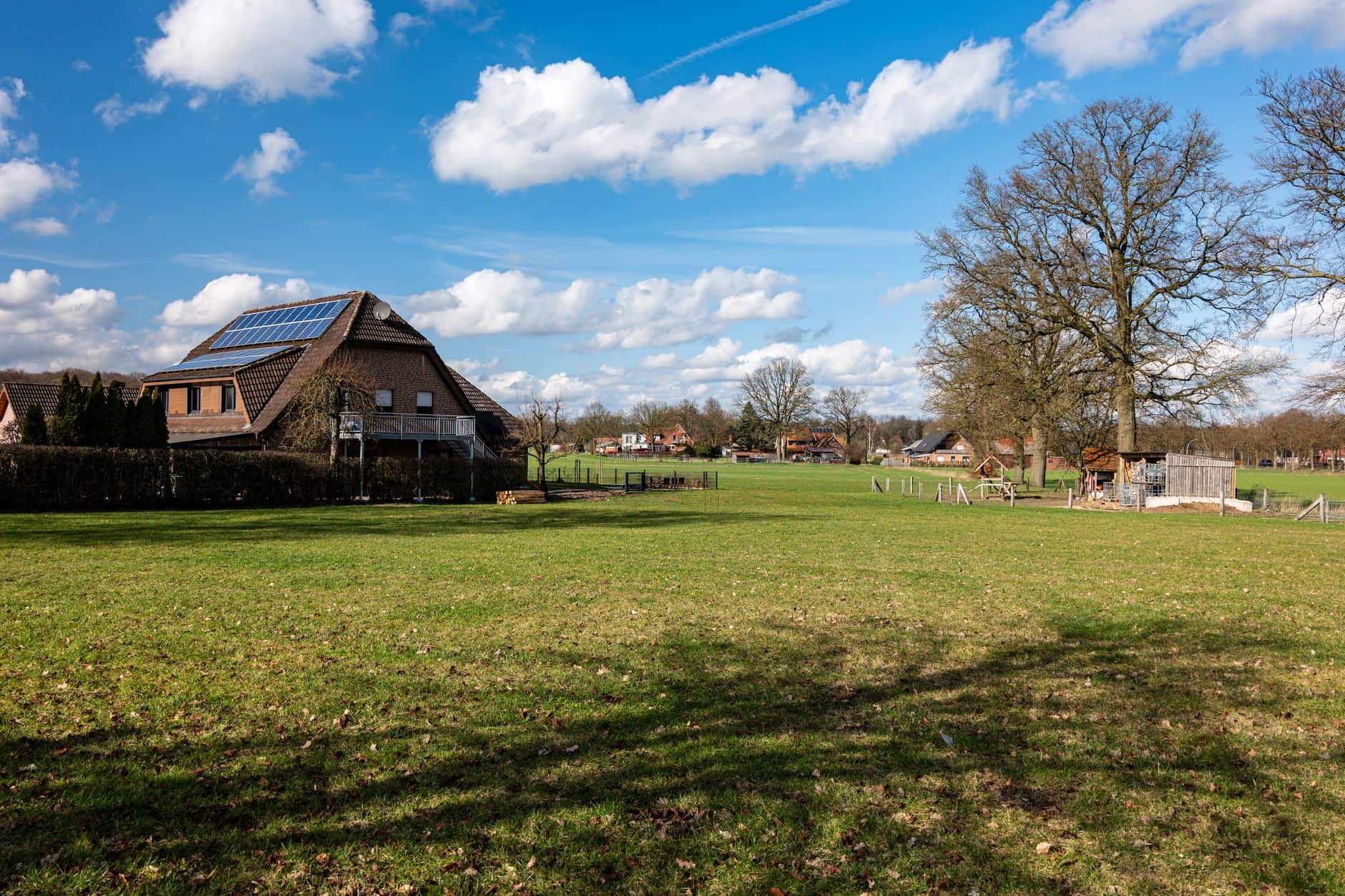
Germany Moves to Block Chinese Solar Inverters
Germany is set to restrict Chinese solar inverters, citing cybersecurity risks, with 70‑80 % of European inverters currently sourced from China.
Israel’s 2035 Renewable Plan: Not Enough
Israel’s 2035 renewable‑energy plan sets a 26 GW target, but at today’s pace the country will fall short of the 35‑45 % share needed, according to Greenpeace and independent analysts.

EU to launch 4th hydrogen auction by 2026
The EU will launch its fourth European Hydrogen Bank auction before the end of 2026, aiming to fund up to €2 billion for green‑hydrogen projects and boost the continent’s renewable capacity.
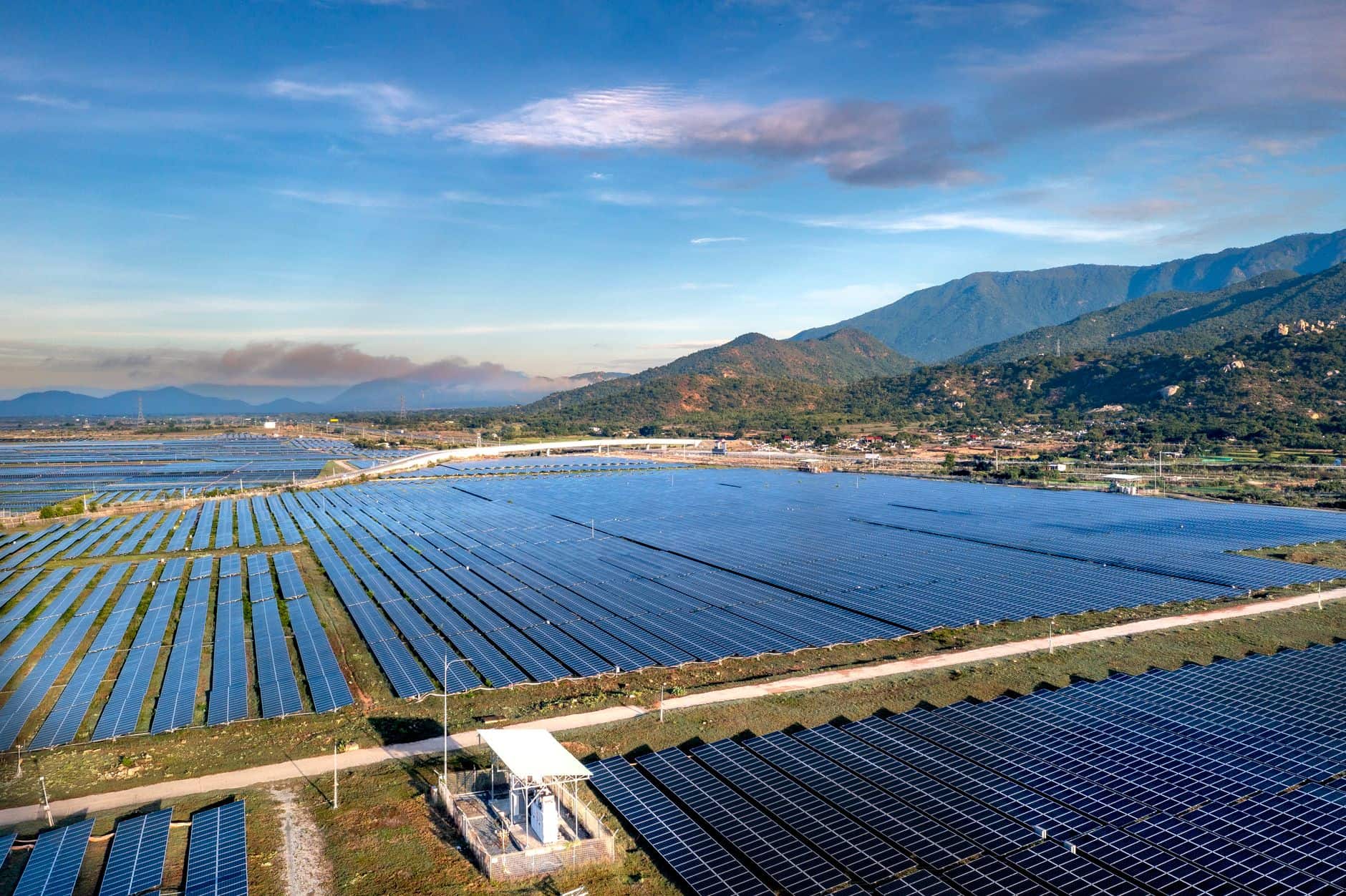
Vietnam’s Solar Boom: Cheap Tariffs & Rooftops
Vietnam’s installed power capacity hit 82 GW in 2024, with solar capacity climbing to several gigawatts and a new $0.026/kWh net‑metering tariff making rooftop solar highly attractive.
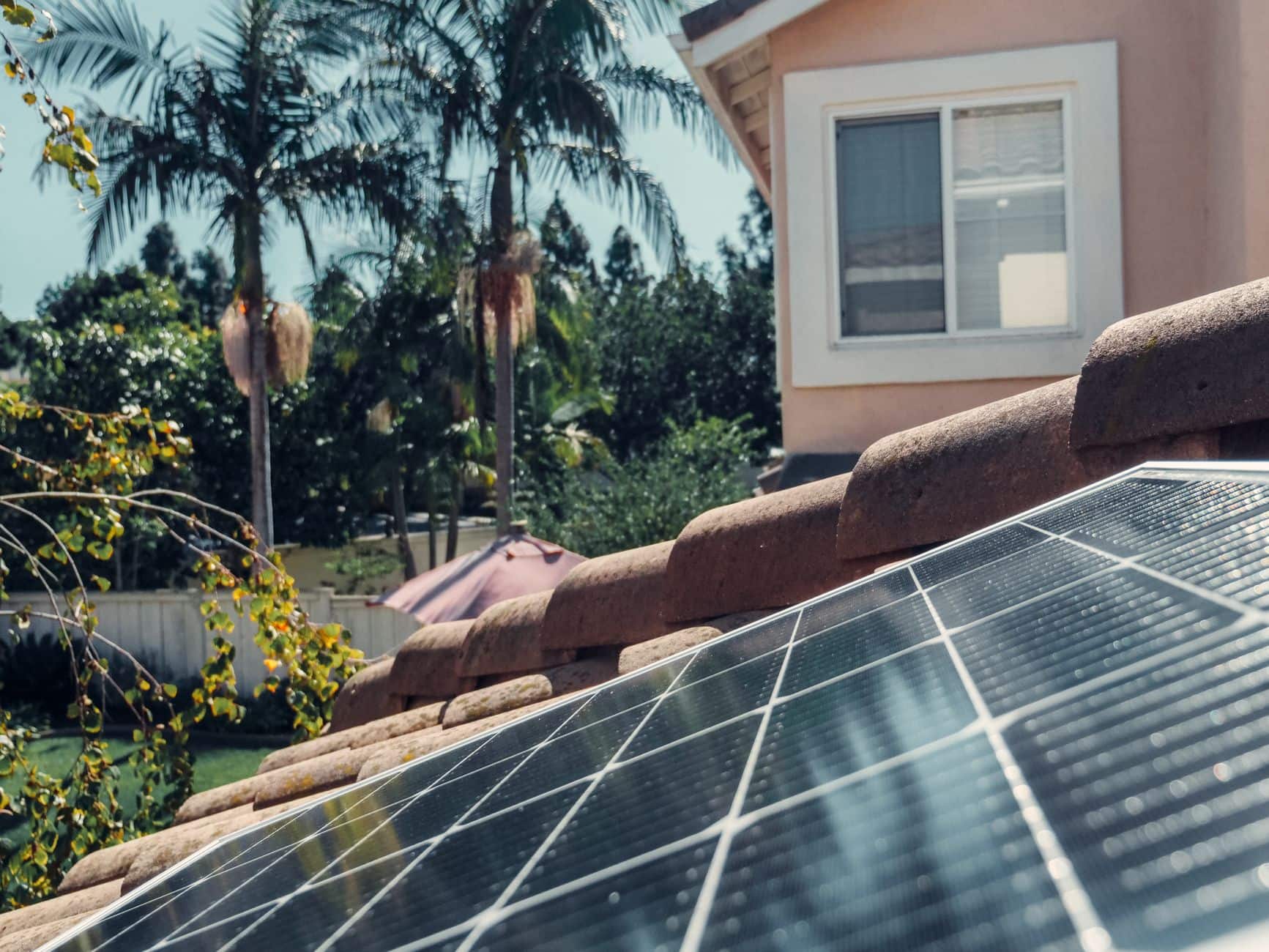
IEC Halves Retroactive Rooftop Solar Fees
The Electricity Authority ordered IEC to cut its retroactive rooftop‑solar system‑management charge from the original NIS 0.09/kWh level, easing the cost burden on Israeli homeowners.

Europe’s Gas Crisis Spurs Solar Surge
Geopolitical tensions are driving a push for solar and storage in Europe, and Israel’s typical residential solar costs and yields make the technology an attractive option for investors and homeowners alike.