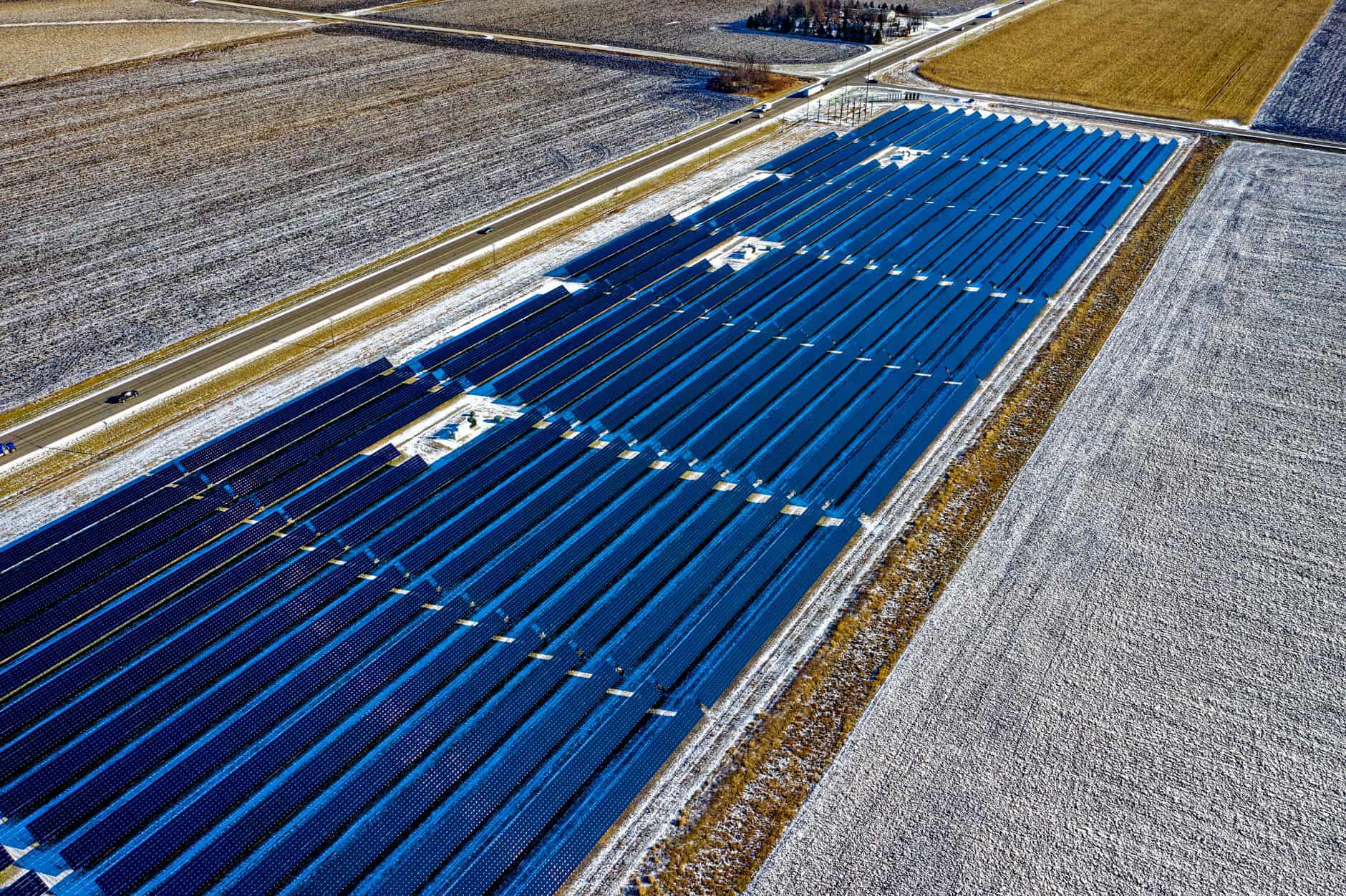
Vertical Agrivoltaics Boost Oat Yields
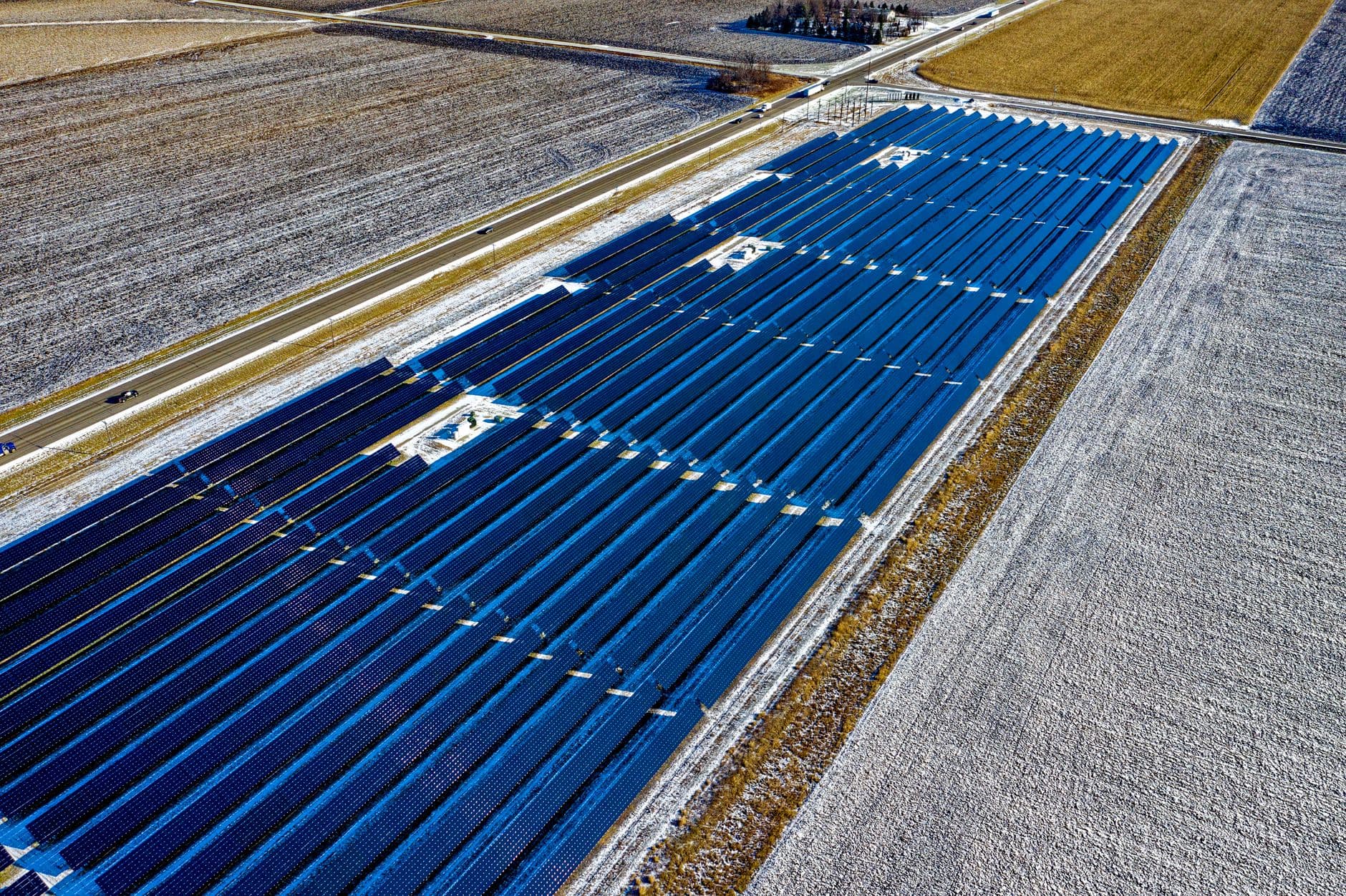
Vertical agrivoltaics lift oat production in Sweden
Researchers at Mälardalen University found that oats grown under a vertical agrivoltaic (AV) system produced more dry‑matter biomass than those in traditional open‑field plots, even after accounting for the 10 % land area occupied by the panels. The study, carried out during the 2024 growing season, compared three setups – a vertical AV array, a ground‑mounted AV array and a control field with no panels – and measured leaf‑area index, kernel weight, protein and fat content, among other parameters.
The vertical system comprised 60 bifacial PV modules arranged in north‑south rows, while the ground‑mounted array used 32 modules in two rows. Both configurations were rain‑fed, received the same fertilisation regime and were sown in May 2024 on a slightly acidic clay‑loam soil. Continuous weather monitoring captured vapor‑pressure deficit, temperature, humidity and precipitation, allowing the team to isolate the micro‑climatic effects of shading and airflow created by the vertical panels.
Higher leaf‑area index and biomass under the vertical array
"Oat development, as measured by leaf‑area index, was greater under the vertical system than under ground‑mounted conditions," said corresponding author Arash Khosravi. When the panel‑footprint loss was ignored, total oat dry‑matter yield under the vertical AV was higher than in the open field, indicating a net productivity gain. Even after deducting the 10 % land loss, the vertical AV produced only a small difference in biomass compared with the open field – a negligible difference given the simultaneous electricity generation.
Grain quality remains unchanged
The researchers also examined crude protein and crude fat as quality markers. Their analysis showed no statistically significant differences between the AV treatments and the open‑field control, meaning that the vertical panels did not compromise oat nutritional value.
Broader research context
The same university team previously reported on barley grown under a similar vertical AV system in 2023, finding comparable yield benefits. In addition, they have published an algorithm to optimise electricity output from vertically mounted bifacial modules and a GIS‑based method for locating suitable AV sites — efforts that together build a data‑driven foundation for scaling agrivoltaics (https://www.pv-magazine.com)(https://doi.org/10.1016/j.dib.2024.110123)(https://www.reuters.com/world/europe/sweden-agrivoltaics-oats-2024-09-01).
What it means for Israel
Israel’s solar market is already mature, with typical residential installations costing about ₪3,150 /kWp and yielding roughly 1,700 kWh /kWp per year in the central region. Using those benchmark figures, a 10 kWp rooftop system would generate ~17,000 kWh annually, worth about ₪8,160 at the residential tariff of ₪0.48 /kWh. The upfront cost of ₪31,500 would be recouped in roughly 3.9 years, leaving over 20 years of net profit.
If a vertical agrivoltaic concept were adapted to Israeli farms—stacking bifacial panels on existing cropland—the electricity generated could offset grid purchases while crops maintain their yields, providing an additional source of revenue and supporting the country’s renewable energy goals.
Outlook: scaling dual‑use solar
The Swedish results demonstrate that vertical agrivoltaics can boost or at least maintain crop biomass while delivering clean power. As algorithms improve and site‑selection tools mature, policymakers worldwide—including Israel’s Electricity Authority and grid operator NOGA—will have concrete data to design incentives and zoning rules that encourage dual‑use installations. The next research steps involve long‑term field trials across different climates and crops, and life‑cycle analyses to quantify CO₂ savings (≈0.5 kg CO₂ avoided per kWh generated).
Bottom line: Vertical agrivoltaic systems are proving that solar panels don’t have to compete with food; they can coexist and even enhance agricultural output, offering a compelling pathway for Israel to meet its renewable targets while preserving valuable farmland.
FAQ
What is vertical agrivoltaics?
It’s a dual‑use system where solar panels are mounted vertically, allowing crops to grow underneath while the panels generate electricity.
Did the vertical panels reduce oat yields?
No, the study found higher leaf‑area index and similar or higher total biomass compared to open‑field plots, even after accounting for the panel footprint.
Are oat protein and fat affected by the panels?
The research showed no statistically significant differences in crude protein or crude fat between agrivoltaic and open‑field oats.
Can Israel adopt vertical agrivoltaics on farms?
Yes, the same economic principles apply: farms can generate electricity and maintain crop yields, helping meet the 30 % renewable target.
How long does a typical Israeli rooftop solar system pay back?
Using typical costs (₪3,150/kWp) and the residential tariff (₪0.48/kWh), a 10 kWp system pays back in about 3.9 years.
What are the environmental benefits?
Each kWh of solar electricity avoids about 0.5 kg of CO₂, and the dual‑use approach preserves land for food production.
Share this post
More from Research
6
Europe Can Fit 614 GW Solar Within Demand
A new hour‑by‑hour analysis shows Europe can safely integrate 614 GW of solar PV – about 678 TWh a year – without any hour of over‑production, highlighting the need for grid flexibility and storage.
Spectral‑Selective Solar Panels Boost Agrivoltaic Yield
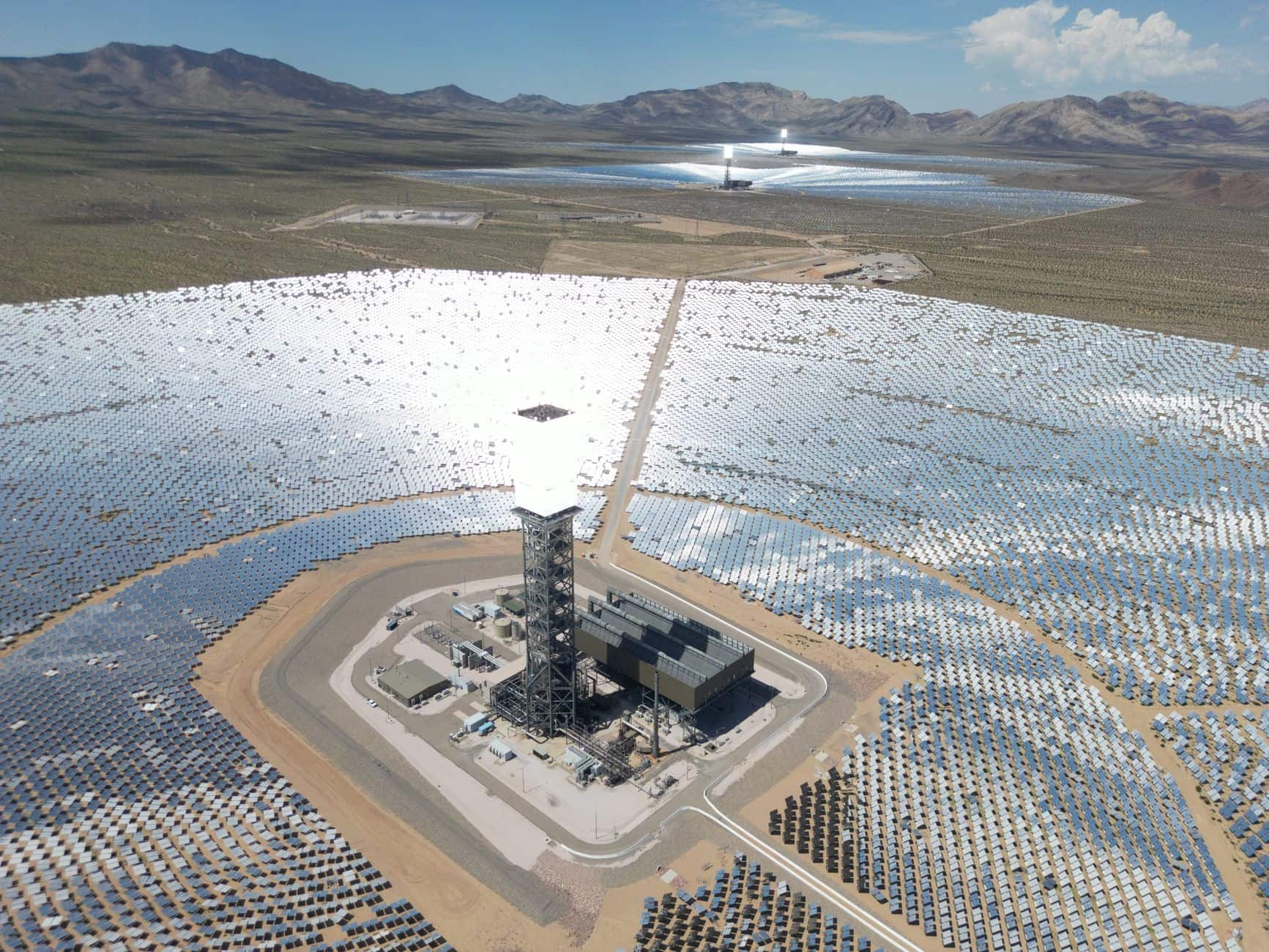
UNSW’s new spectrally selective semi‑transparent solar modules can raise agrivoltaic power output by up to 34% while still transmitting over 90% of the light needed for crops, offering Israeli farms an extra ~₪275,000 per year in revenue.

Heat Pumps Run Better in Cold, Boosting Savings
Real‑world UK data shows heat pumps can become significantly more efficient in colder weather when properly commissioned, boosting SPF and reducing energy bills.
Lithium‑Nitrogen Batteries: Roadmap to Reality
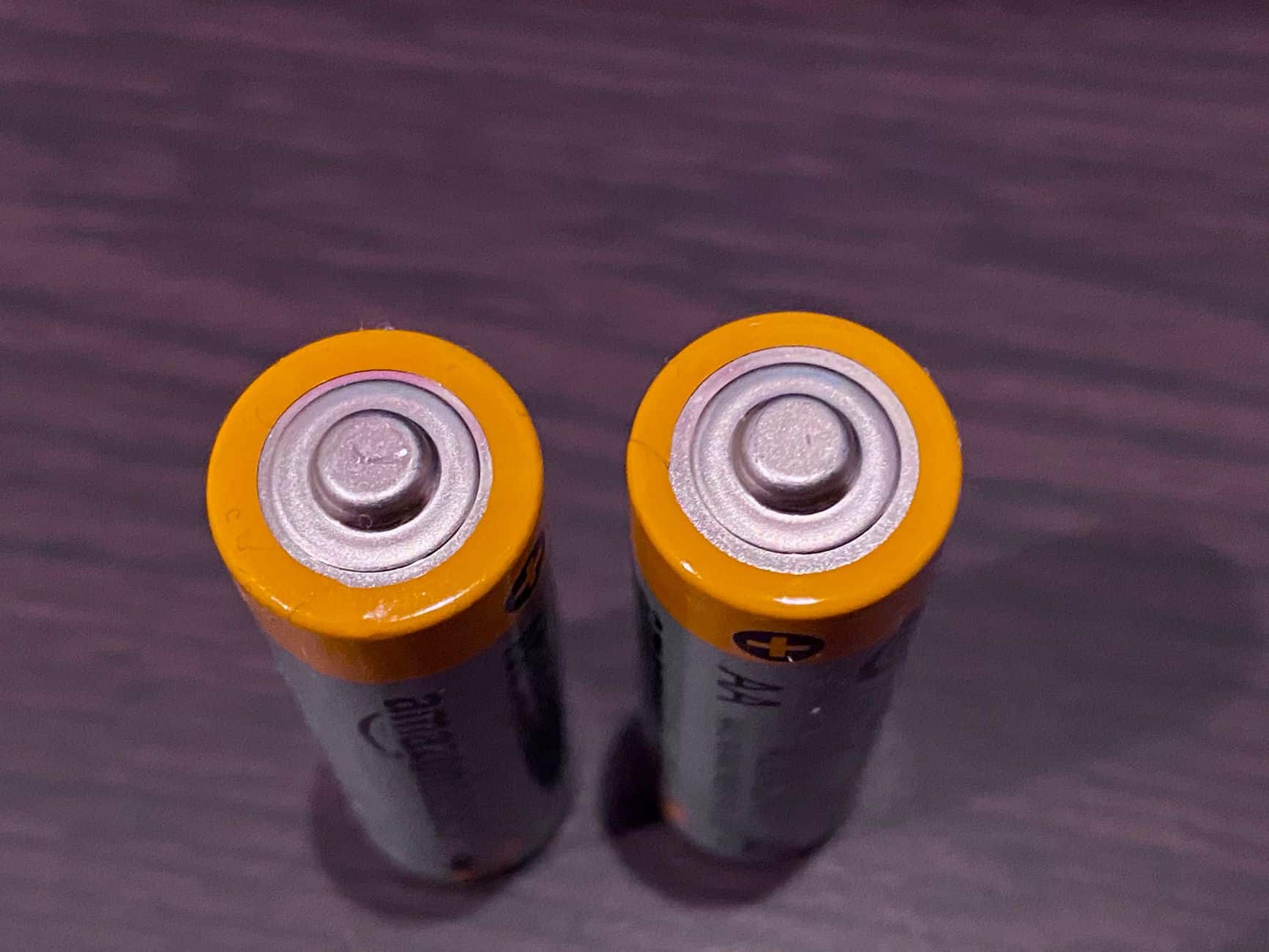
Researchers from Belgium and China have mapped the technical hurdles of lithium‑nitrogen batteries and proposed a suite of solutions—from stable electrolytes to a flow‑type cell—bringing the technology closer to commercial reality.

El Niño Shifts Solar Irradiance Worldwide
A strengthening El Ñiño through 2026 will boost solar irradiance by up to +15 % in India while cutting it by about ‑10 % in western South America and East Asia, according to Solcast’s AI‑driven analysis.

Solar Power Could Transform Greater Cairo by 2050
LUT University finds that by 2050 solar PV could meet almost all of Greater Cairo’s electricity demand, cut costs by half and double energy‑sector jobs.