EU to launch 4th hydrogen auction by 2026
EU set to launch fourth hydrogen auction by end‑2026
The European Union will open its fourth European Hydrogen Bank (EHB) auction before the end of 2026, with draft terms expected from the European Commission by June 2024. Hydrogen Europe confirms the timeline and says the auction will be announced before the year’s close, aiming to channel billions of euros into green‑hydrogen projects.
Geopolitical shift drives hydrogen demand over climate goals
Hydrogen Europe’s CEO Jorgo Chatzimarkakis says Europe’s hydrogen push is now motivated more by energy security and industrial resilience than by pure climate ambition. At Intersolar Munich he warned that “reliability of supply is the core of resilience” and highlighted that electricity curtailment costs could rise from €5.6 billion in 2025 to €24 billion by 2030 if flexible hydrogen capacity is not built.
Auction design: flexible deadlines and tighter financial‑close rules
The association recommends that the next auction include more flexible “entry‑into‑operation” deadlines and stricter criteria for financial close, while allowing coordinated use of EHB support with offtaker contracts. These suggestions echo the European Commission’s own draft terms for the third auction, which already introduced partial eligibility for low‑carbon electrolytic hydrogen and a €1 billion budget European Commission competitive bidding.
Funding scale: €1‑2 billion expected and a boost to EU electrolyser capacity
Past auctions have awarded over €1 billion each European Hydrogen Bank. The ACER 2025 market report notes the EU aims for 40 GW of electrolyser capacity by 2030 and a production target of 10 million t of green hydrogen ACER 2025 report. Assuming an average electrolyser efficiency of 50 kWh per kg H₂, meeting the 10 Mt goal would require roughly 500 TWh of renewable electricity – an amount that could be financed largely through the upcoming auction.
What it means for Israel
The EU’s massive hydrogen financing will likely accelerate renewable‑energy build‑out across Europe, creating economies of scale that can lower solar‑module prices worldwide. For Israeli households, cheaper modules mean a faster return on solar investments. Using the typical Israeli figures – a 10 kWp rooftop system in the central region yields ~17,000 kWh / year, valued at ₪8,160 at the residential tariff of ₪0.48 /kWh, and costs about ₪31,500 to install (₪3,150 /kWp) – the payback period is roughly 3.9 years [Verified Israeli Solar Facts]. If EU‑driven cost reductions shave 10 % off module prices, the same system would cost ~₪28,350, cutting the payback to about 3.5 years and making solar even more attractive alongside any future hydrogen‑based power‑to‑gas projects Israel may consider.
Outlook: hydrogen as Europe’s resilience pillar
Hydrogen is being positioned as a “resilience premium” asset that can absorb excess renewable generation and safeguard industrial jobs. The fourth EHB auction, with its flexible timelines and tighter financial‑close rules, is designed to de‑risk projects and attract private capital. If the EU meets its 40 GW electrolyser target, the continent will need half a terawatt‑hour of renewable power annually – a demand that could spur further solar and wind deployment, indirectly benefiting markets like Israel that import technology and equipment.
What it means for Israel (summary)
- EU hydrogen funding → larger European renewable build‑out → lower solar‑module prices globally.
- A 10 % price drop on modules would shave ~₪2,150 off a typical 10 kWp home system, improving payback from 3.9 to 3.5 years.
- Faster payback encourages more households to install solar, helping Israel meet its 30 % renewable electricity target for 2030.
For a deeper dive into your own solar ROI, try our solar calculator and explore the latest market data on our data page.
Sources & further reading
FAQ
When will the EU’s fourth hydrogen auction take place?
The European Union plans to launch the fourth European Hydrogen Bank auction before the end of 2026, with draft auction rules expected by June 2024.
How much funding is expected from the fourth auction?
Past auctions have awarded over €1 billion each, and the upcoming round is expected to mobilise roughly €1‑2 billion for green‑hydrogen projects.
Why is hydrogen now seen as a geopolitical asset?
Hydrogen Europe’s CEO says Europe’s focus has shifted to energy security and industrial resilience, noting that curtailment costs could rise to €24 billion by 2030 without flexible hydrogen capacity.
What renewable electricity will the EU need for its hydrogen targets?
To produce the EU’s 10 million t of green hydrogen target for 2030, about 500 TWh of renewable electricity – roughly the output of several large solar‑farm portfolios – will be required.
How could the EU hydrogen auction affect Israeli solar owners?
If EU‑driven scale lowers solar‑module prices by 10 %, a typical 10 kWp Israeli rooftop system could see its payback improve from 3.9 years to about 3.5 years.
What is the EU’s long‑term goal for electrolyser capacity?
The EU aims for 40 GW of electrolyser capacity by 2030, up from 6 GW in 2024.
Share this post
More from Policy
6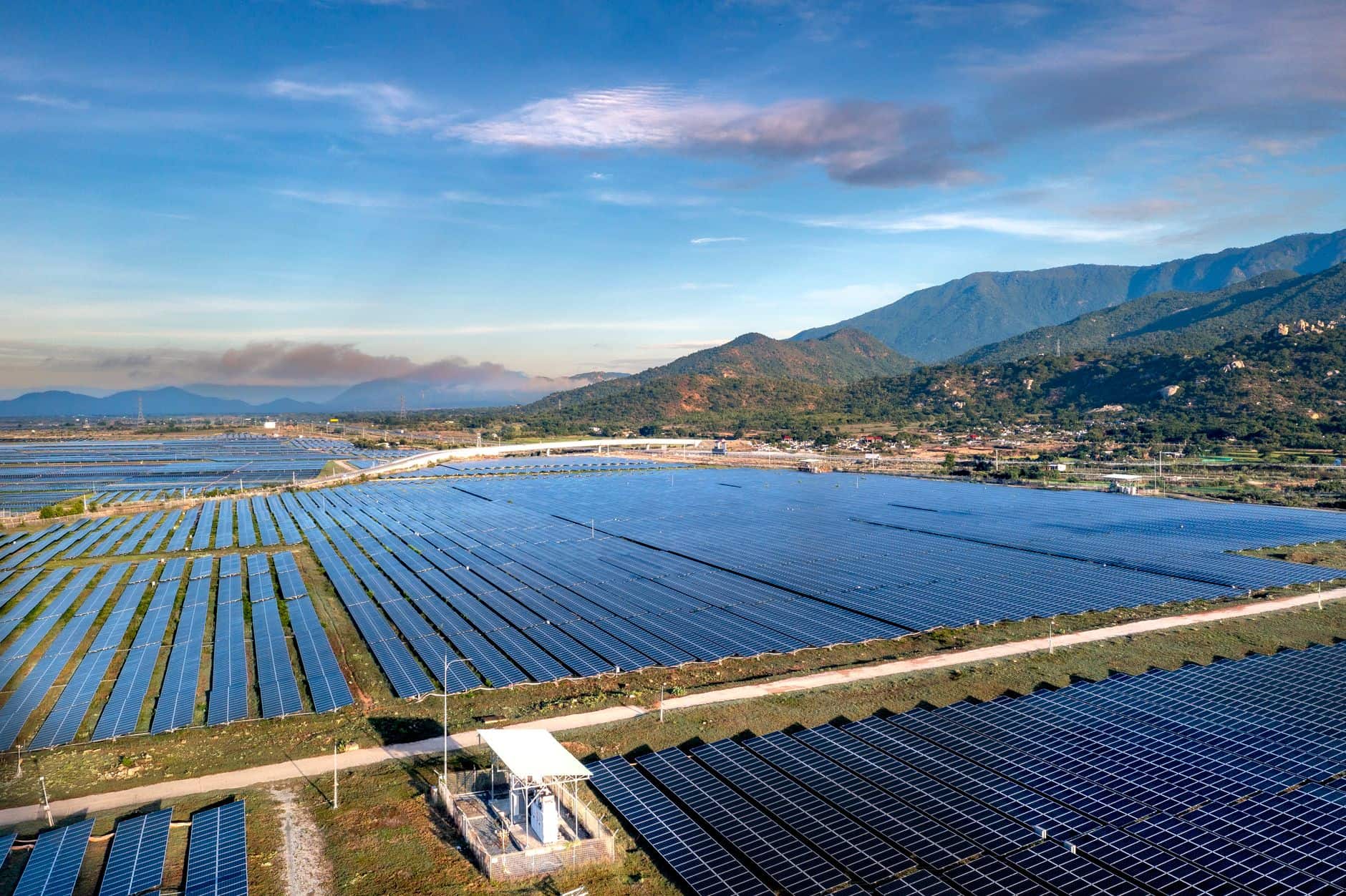
Vietnam’s Solar Boom: Cheap Tariffs & Rooftops
Vietnam’s installed power capacity hit 82 GW in 2024, with solar capacity climbing to several gigawatts and a new $0.026/kWh net‑metering tariff making rooftop solar highly attractive.
IEC Halves Retroactive Rooftop Solar Fees
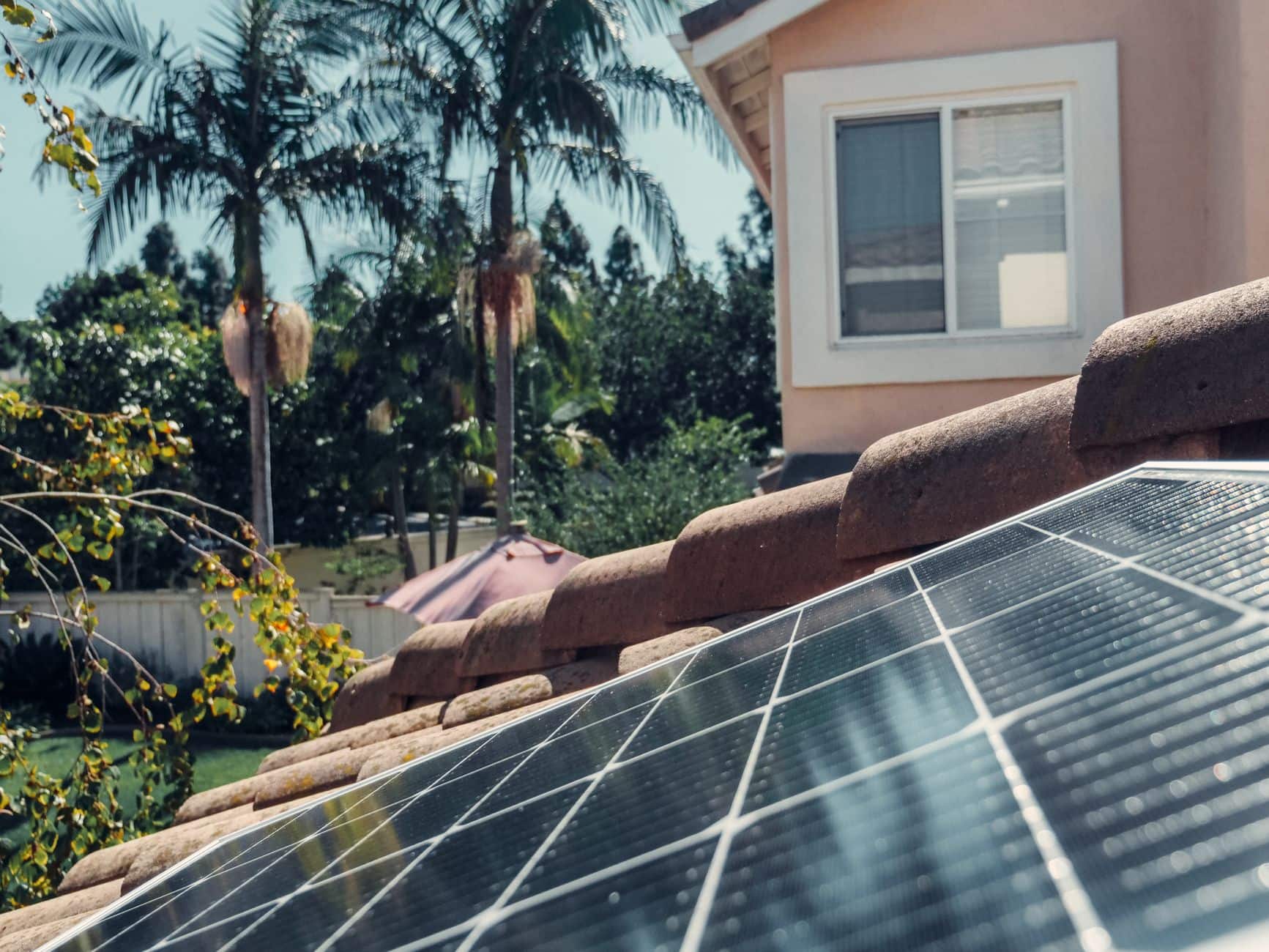
The Electricity Authority ordered IEC to cut its retroactive rooftop‑solar system‑management charge from the original NIS 0.09/kWh level, easing the cost burden on Israeli homeowners.

Europe’s Gas Crisis Spurs Solar Surge
Geopolitical tensions are driving a push for solar and storage in Europe, and Israel’s typical residential solar costs and yields make the technology an attractive option for investors and homeowners alike.

Israel Simplifies Solar Grid Connection Rules
Israel’s Electricity Authority now lets homeowners install a larger rooftop solar system without a separate grid‑connection permit, speeding approvals to just a few days.

Israel Business Solar Grants: Save on Panels
Israel’s business solar subsidies can cover a notable share of installation costs, delivering a payback of roughly three years for a typical 15 kW rooftop system.

30% אנרגיה מתחדשת עד 2030 – מה תכנן הממשלה?
הממשלה מציבה יעד של 30% אנרגיה מתחדשת עד 2030 ומקווה להגיע אליו בעיקר דרך הרחבת פאנלים סולאריים, תמריצים והפחתת עלויות ההתקנה.