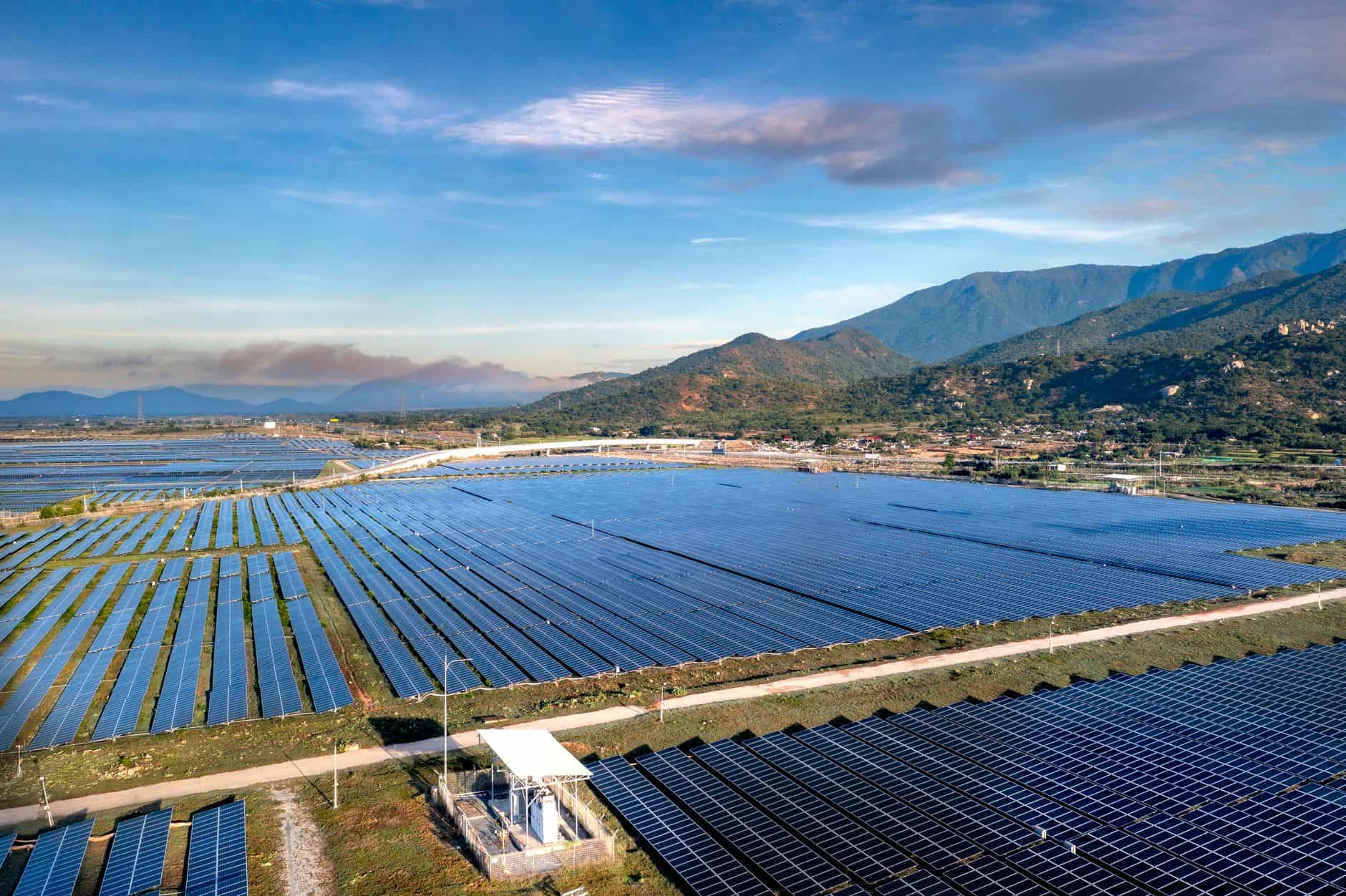
Vietnam’s Solar Boom: Cheap Tariffs & Rooftops
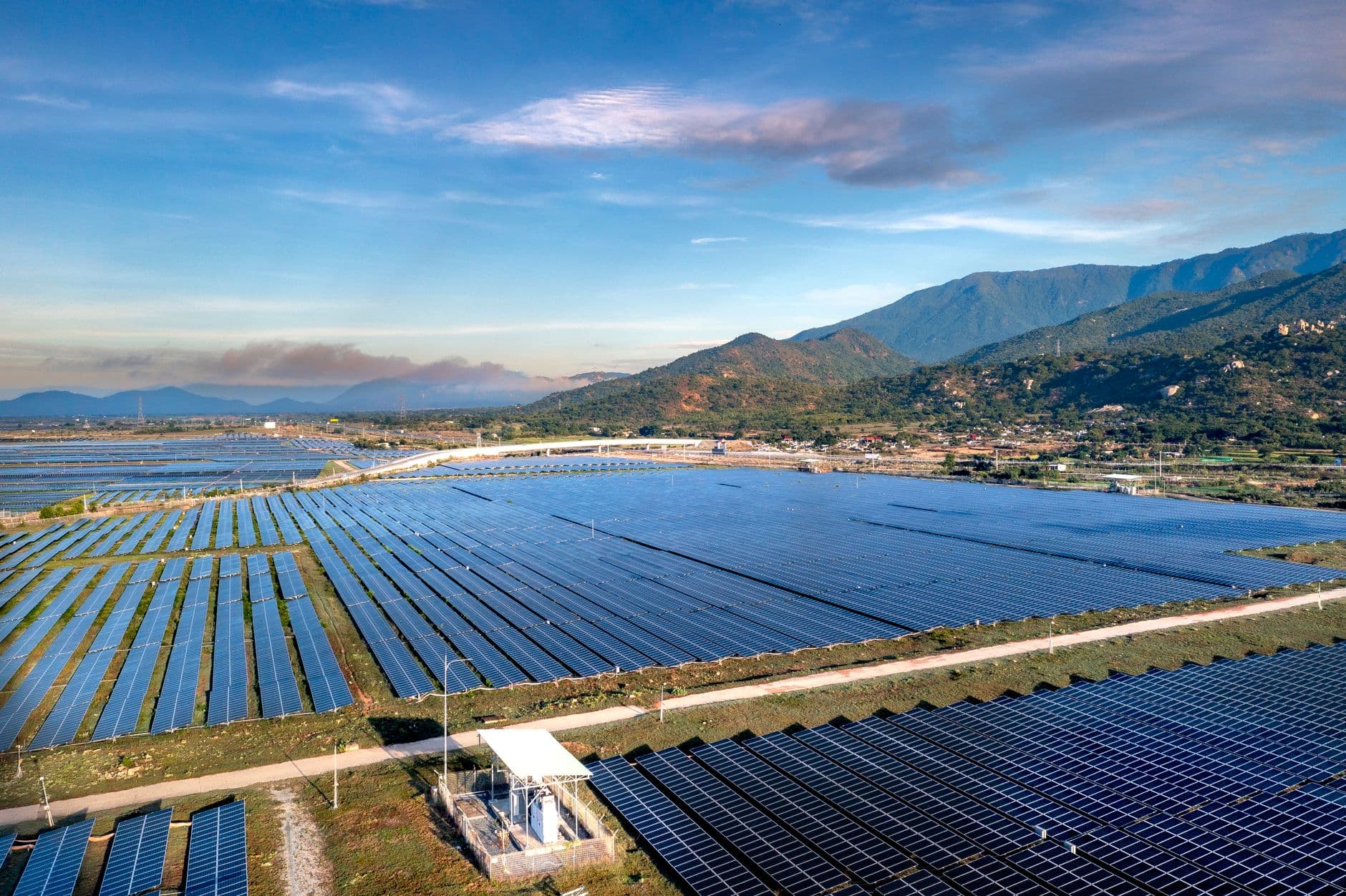
Vietnam’s Installed Capacity Tops 82 GW, Solar Nears 10 GW
Vietnam’s total installed power capacity reached 82,387 MW in 2024, an increase of roughly 1,500 MW over the previous year, according to Vietnam Electricity (EVN) and industry reports. Solar power alone has grown to several gigawatts, contributing to a combined solar‑and‑wind share of about 12 % of total capacity. The rapid climb reflects aggressive grid‑integration and a flood of new projects approved by the Ministry of Industry and Trade.
New Decree 135 Makes Rooftop Self‑Consumption Legal and Easy
On 22 October 2024 the Vietnamese government issued Decree 135/2024/ND‑CP, a landmark regulation that formally authorises self‑consumption rooftop solar (RTS) systems and sets the procedural framework for owners to connect to the grid without a power purchase agreement. The decree clarifies sizing limits, licensing steps and the revenue‑sharing model for any surplus electricity fed back to the grid, effectively removing the bureaucratic bottleneck that had slowed residential solar adoption for years.
Net‑Metering Tariff Set at $0.026/kWh – One of the World’s Cheapest
Vietnam’s Ministry of Industry and Trade has proposed a net‑metering tariff of VND 671 per kWh, equivalent to US$0.026/kWh, for excess solar generation exported to the grid. By comparison, Israel’s residential feed‑in tariff sits around ₪0.48/kWh (≈US$0.13/kWh), making Vietnam’s rate roughly five times lower. The ultra‑low price is intended to encourage owners to keep most of their own electricity, while still offering a modest return for surplus power.
Market Outlook: 21 GW in 2026, 37 GW by 2031, 25 % Solar Share Goal
Mordor Intelligence projects Vietnam’s solar‑energy market to reach 21.76 GW by 2026 and 37.63 GW by 2031, driven by both utility‑scale farms and the burgeoning rooftop segment. The national Energy Development Plan VIII explicitly targets solar to provide 25 % of renewable generation within eight years. If the current pipeline of inspected projects (142 new sites) proceeds on schedule, Vietnam could be on track to meet or exceed that ambition.
Why Solar Is Strategic for Vietnam
Vietnam enjoys high solar irradiation across most of its territory, especially in the central and southern regions. Coupled with a fast‑growing electricity demand (EVN reports 6.69 TWh of solar generation in 2023) and limited domestic fossil‑fuel reserves, solar offers a way to diversify the energy mix, reduce import dependence, and meet climate commitments. The combination of a supportive legal framework (Decree 135) and a record‑low net‑metering price makes solar not just an environmental choice but a clear economic driver for households, businesses, and investors.
What It Means for Israel
For Israeli readers, Vietnam’s ultra‑low $0.026/kWh tariff highlights how policy can dramatically shift solar economics. In Israel, a typical 10 kWp rooftop system in the central region yields about 17,000 kWh / yr and, at the residential tariff of ₪0.48/kWh, generates roughly ₪8,160 / yr in avoided electricity costs. The same system in Vietnam would earn export revenue at the much lower Vietnamese tariff, illustrating how Israel’s higher tariffs make self‑consumption far more financially attractive, while Vietnam relies on cheap export rates to spur adoption. Israeli investors eyeing overseas projects should therefore factor in tariff levels as a primary driver of return on investment.
Looking Ahead
Vietnam’s solar trajectory is set to continue its steep climb, buoyed by government incentives, falling module prices, and a clear strategic vision to make renewable energy a cornerstone of its power system. As the country moves toward the 25 % solar share target, the next few years will likely see a surge in distributed rooftop installations, greater private‑sector participation, and possibly a revision of the net‑metering price as the market matures. For Israel, the Vietnamese case underscores the power of policy design: cheap tariffs can stimulate rapid deployment, but they also compress revenue streams, making self‑consumption incentives essential for a sustainable business model.
Related tools: Use our solar ROI calculator to model your own Israeli rooftop system, or explore detailed market data on our Vietnam solar page.
Sources & further reading
FAQ
How much solar capacity does Vietnam have today?
Vietnam’s solar capacity is around 10 GW, part of a total installed power base of 82 GW in 2024.
What is Vietnam’s net‑metering tariff?
The tariff is VND 671 per kWh, about US$0.026/kWh, one of the lowest rates globally.
What does Decree 135 allow?
It legally authorises self‑consumption rooftop solar systems and sets the rules for connecting surplus power to the grid.
When will solar reach 25 % of Vietnam’s renewable mix?
The Energy Development Plan aims for a 25 % solar share within eight years, roughly by 2032.
How does Vietnam’s solar tariff compare to Israel’s?
Vietnam’s $0.026/kWh (~₪0.09) is about five times lower than Israel’s residential tariff of ₪0.48/kWh, meaning Israeli rooftop owners earn more by avoiding grid purchases.
What’s the projected solar market size for Vietnam by 2031?
Analysts expect the market to grow to about 37.6 GW by 2031.
Share this post
More from Policy
6
IEC Halves Retroactive Rooftop Solar Fees
The Electricity Authority ordered IEC to cut its retroactive rooftop‑solar system‑management charge from the original NIS 0.09/kWh level, easing the cost burden on Israeli homeowners.

Europe’s Gas Crisis Spurs Solar Surge
Geopolitical tensions are driving a push for solar and storage in Europe, and Israel’s typical residential solar costs and yields make the technology an attractive option for investors and homeowners alike.

Israel Simplifies Solar Grid Connection Rules
Israel’s Electricity Authority now lets homeowners install a larger rooftop solar system without a separate grid‑connection permit, speeding approvals to just a few days.

Israel Business Solar Grants: Save on Panels
Israel’s business solar subsidies can cover a notable share of installation costs, delivering a payback of roughly three years for a typical 15 kW rooftop system.

30% אנרגיה מתחדשת עד 2030 – מה תכנן הממשלה?
הממשלה מציבה יעד של 30% אנרגיה מתחדשת עד 2030 ומקווה להגיע אליו בעיקר דרך הרחבת פאנלים סולאריים, תמריצים והפחתת עלויות ההתקנה.

2026 Israel Solar Feed‑in Tariffs & Earnings
Israel’s 2026 feed‑in tariffs are ₪0.48/kWh for residential users, meaning a typical 10 kW rooftop system can earn about ₪8,200 yearly and recover its installation cost in less than four years.