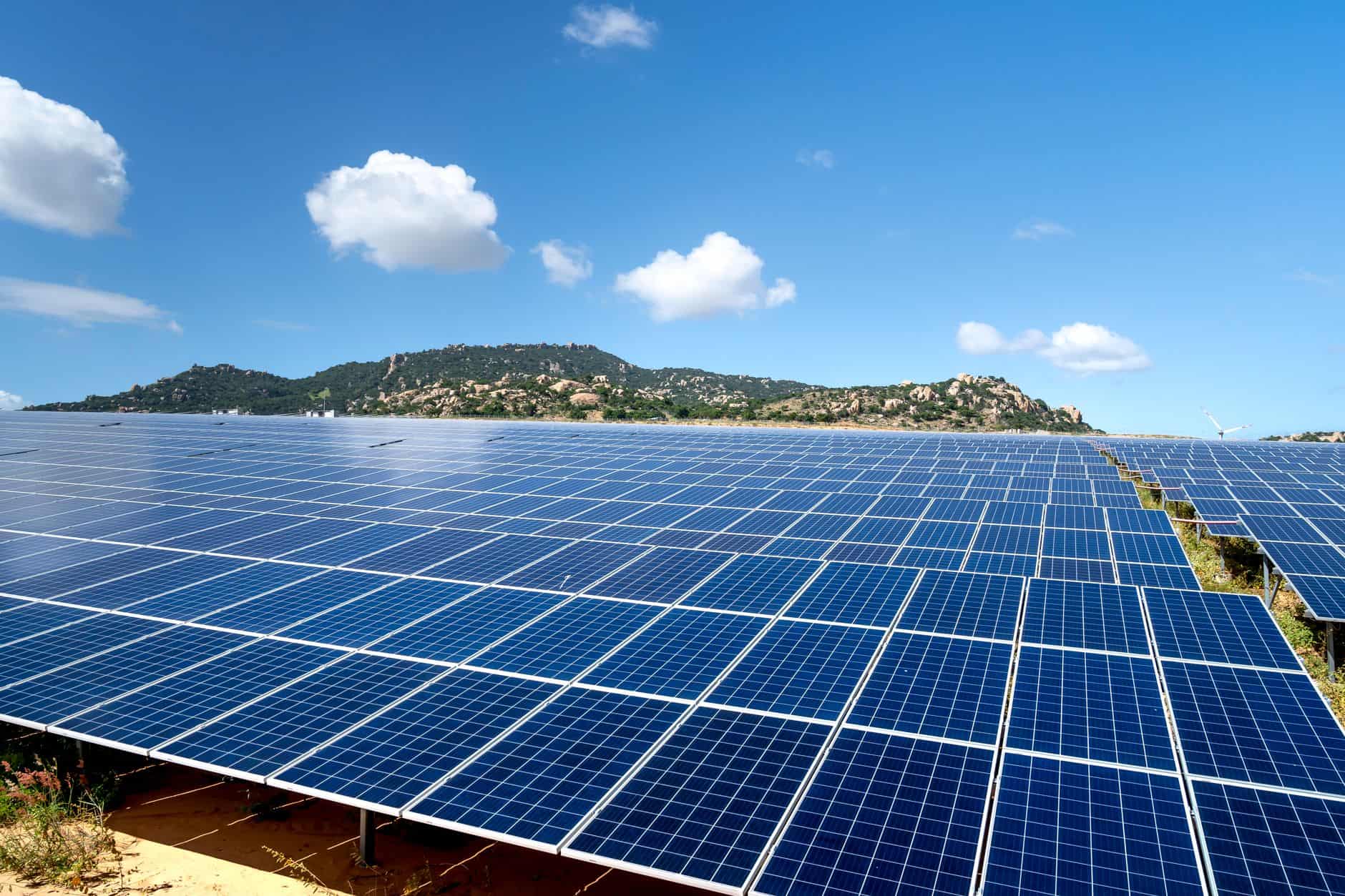
Ireland to Top 3.3 GW Solar by Year‑End
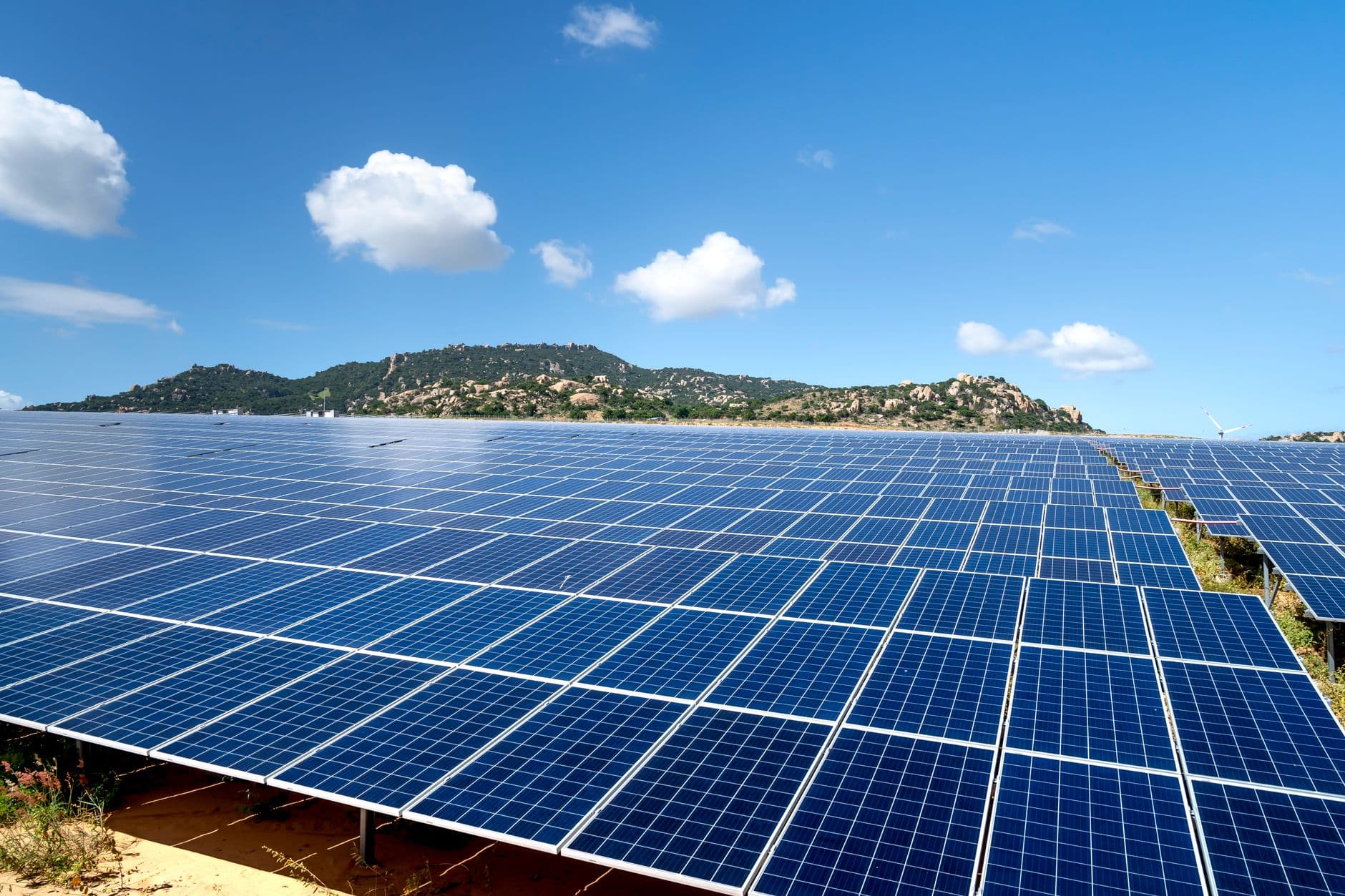
Ireland set to top 3.3 GW solar by year‑end – the key fact
Ireland is on track to add significant solar capacity before the end of 2026, building on the 2.7 GW recorded in May. The surge is driven by utility‑scale farms, a booming rooftop market and continued grant support.
Solar capacity surge: 2.7 GW now, utility‑scale leads
As of 31 May 2026, 2.7 GW of solar is already on the Irish grid, according to ESB Networks data cited in the Solar Ireland 2026 report. More than 1.5 GW of that comes from utility‑scale projects, while micro‑generation exceeds 800 MW and over 190,000 homes and businesses have panels installed. This mix mirrors the EU’s overall ambition, where the aggregate 2030 solar target has been lifted to 591 GW – a 76 % increase from previous plans (Solar Power Europe).
Rooftop boom and €1,800 grant keep households in the game
The Irish government’s €1,800 grant for residential solar installations remains in place, as confirmed by Minister Darragh O’Brien at the Solar Ireland conference. The grant helps lower the effective cost of installing rooftop solar, making it financially attractive for a growing number of households (SEAI).
Duck curve appears – storage becomes urgent
With solar now supplying more than 1.1 TWh of electricity in the 12‑month period ending May 2026 – the highest annual output on record – Ireland is beginning to see the classic "duck curve" pattern, where midday generation outpaces demand and steep ramps are needed in the evening. Eirgrid’s own roadmap flags this issue and calls for flexibility, battery storage and network upgrades to keep the grid stable (Eirgrid roadmap).
Economic impact: €2.3 bn GVA by 2030 and new connections
KPMG’s economic‑impact model estimates that a continued solar build‑out could generate over €2.3 billion in gross value added (GVA) by 2030, alongside thousands of jobs. In the most recent reporting period (Oct 2024‑Sept 2025), 180 MW of new solar capacity was connected, making solar the largest share of the 394 MW of renewables added that year (KPMG report).
Grid plans: 180 MW new solar 2024‑25, 100% renewable target
Eirgrid’s 2026‑2030 strategy aims for 100 % renewable electricity by 2035 and 95 % by 2030, backed by an €18.9 bn investment package that includes new transmission lines, substations and at least 500 MW of long‑duration storage. The plan underscores the need to accommodate the growing solar share while keeping supply‑demand balance.
How Ireland’s solar surge compares to Israel
Ireland’s rapid solar growth highlights the importance of policy certainty and grid‑integration planning. While the Irish context differs in climate and scale, the experience offers useful parallels for other markets.
What it means for Israel
For Israeli homeowners, the Irish experience highlights two take‑aways:
- Policy certainty matters. Ireland’s €1,800 grant has spurred rapid rooftop adoption; Israel’s stable feed‑in tariffs (≈₪0.48/kWh residential) already make a 10 kWp system pay back in ≈3.9 years (≈₪31,500 install ÷ ₪8,160 annual revenue). A similar grant could shave years off the payback.
- Storage will become essential. As Ireland’s duck curve deepens, it will need hundreds of MW of batteries. Israel, with a higher solar share and growing rooftop penetration, should accelerate its own battery‑as‑a‑service market to avoid evening ramps. Our solar ROI calculator can model how adding a 5 kWh home battery reduces evening grid imports.
Overall, Ireland’s fast‑track to expanded solar capacity shows that strong incentives, clear grid‑integration plans and early storage investment can unlock rapid growth – a blueprint that Israeli policymakers and investors can adapt to their own sunny conditions.
Sources & further reading
FAQ
How much solar capacity is already connected in Ireland?
As of 31 May 2026, Ireland has 2.7 GW of solar connected to the grid.
What is the Irish rooftop solar grant?
The grant caps at €1,800 per residential installation and will stay in place for the current government's term.
What is the ‘duck curve’ and why does it matter?
It’s a midday oversupply‑then‑evening‑shortfall pattern that stresses the grid, making battery storage and flexible demand essential.
How much economic value will solar add in Ireland by 2030?
KPMG estimates solar will generate more than €2.3 billion in gross value added by 2030.
What are Ireland’s renewable electricity targets?
Eirgrid aims for 95 % renewable electricity by 2030 and 100 % by 2035.
How does Ireland’s solar growth compare to Israel’s?
Ireland’s projected 3.3 GW would produce about 1.34 TWh/year, roughly 10 % less per GW than Israel’s higher‑irradiance system.
Share this post
More from Markets
6
India Could Install 85 GW Solar by 2030
India could boost annual solar installations from about 50 GW in FY 27 to nearly 85 GW by FY 30, spurred by data‑centres, green‑hydrogen and round‑the‑clock power demand.
אומן משיקה מכרז של 1.5 ג'יגה ווט סולאר
אומן פותחת מכרז של 1.5 GW סולארי, כולל פרויקט של 1 GW עם אחסון ו‑500 MW ללא אחסון, וההצעה נסגרת ב‑27 ביולי.
China’s Polysilicon Dip Lowers Solar Costs
Polysilicon prices in China slipped to an average of CNY 33,200/ton, wafer prices stayed flat, and a 5.4 GW N‑type module tender underscores strong demand. The dip could modestly cut Israeli rooftop solar costs, shortening pay‑back periods.
Corporate Solar PPAs Slip 10% as GHG Rules Loom
Corporate solar PPAs fell 10% in 2025 as the GHG Protocol’s draft scope‑2 revision pushes the industry toward hourly matching and battery storage, reshaping procurement and developer strategies.

Enlight Raises $2.6B for Arizona Solar‑Storage
Enlight Renewable Energy secured a $2.6 billion financing package to build a 1.2 GW solar‑plus‑storage complex in Arizona, marking the Israeli firm’s biggest debt raise to date.
Silver Prices Slip to $57/oz Amid Fed Hawkishness
Silver fell to about $57 per ounce, breaking the $70 support level as the Fed’s hawkish outlook lifted real yields and the dollar, while PV‑sector demand for silver is set to drop 19 % in 2026.