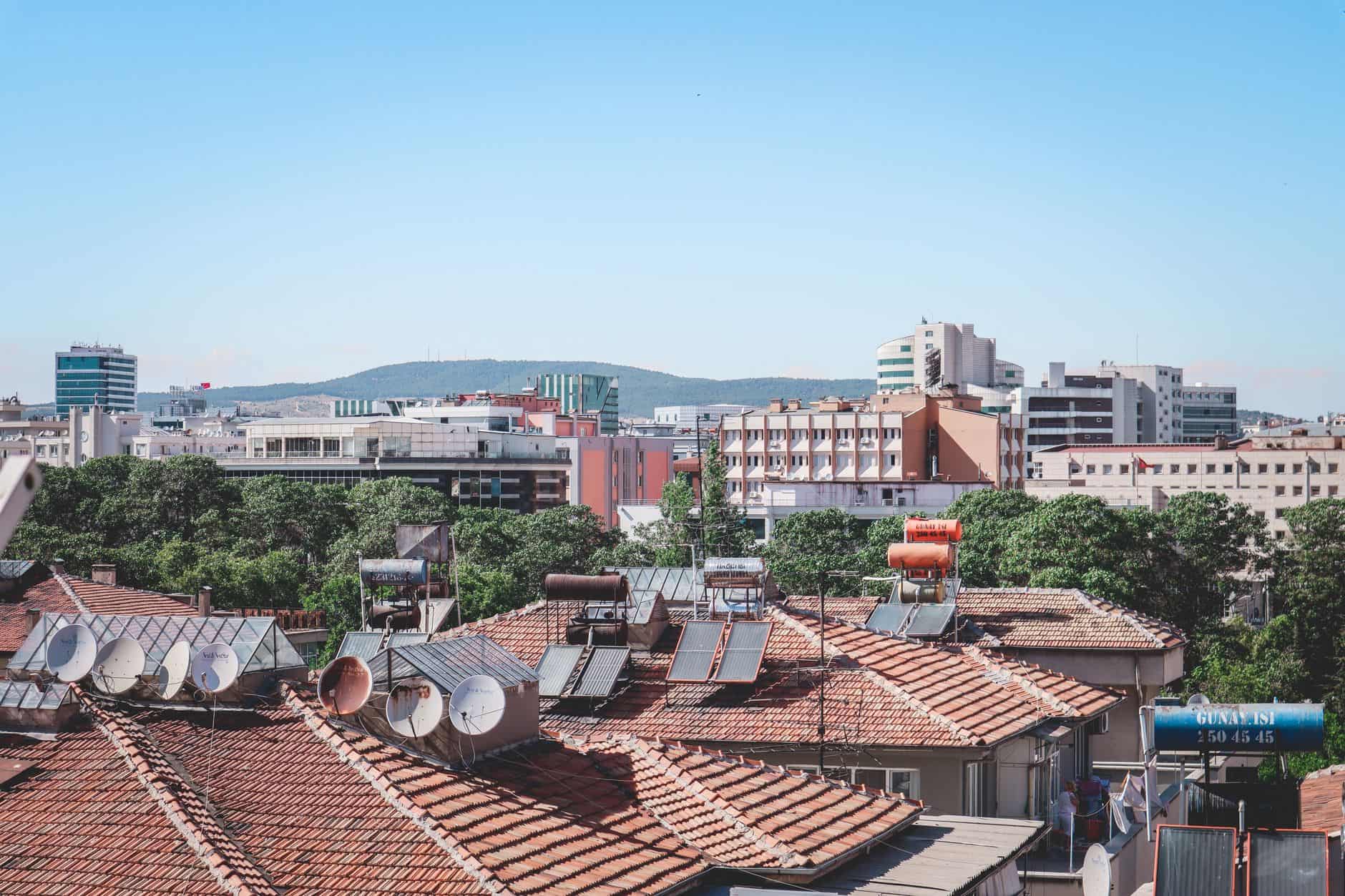
Israel’s Solar Boom: 30% CAGR to 2032
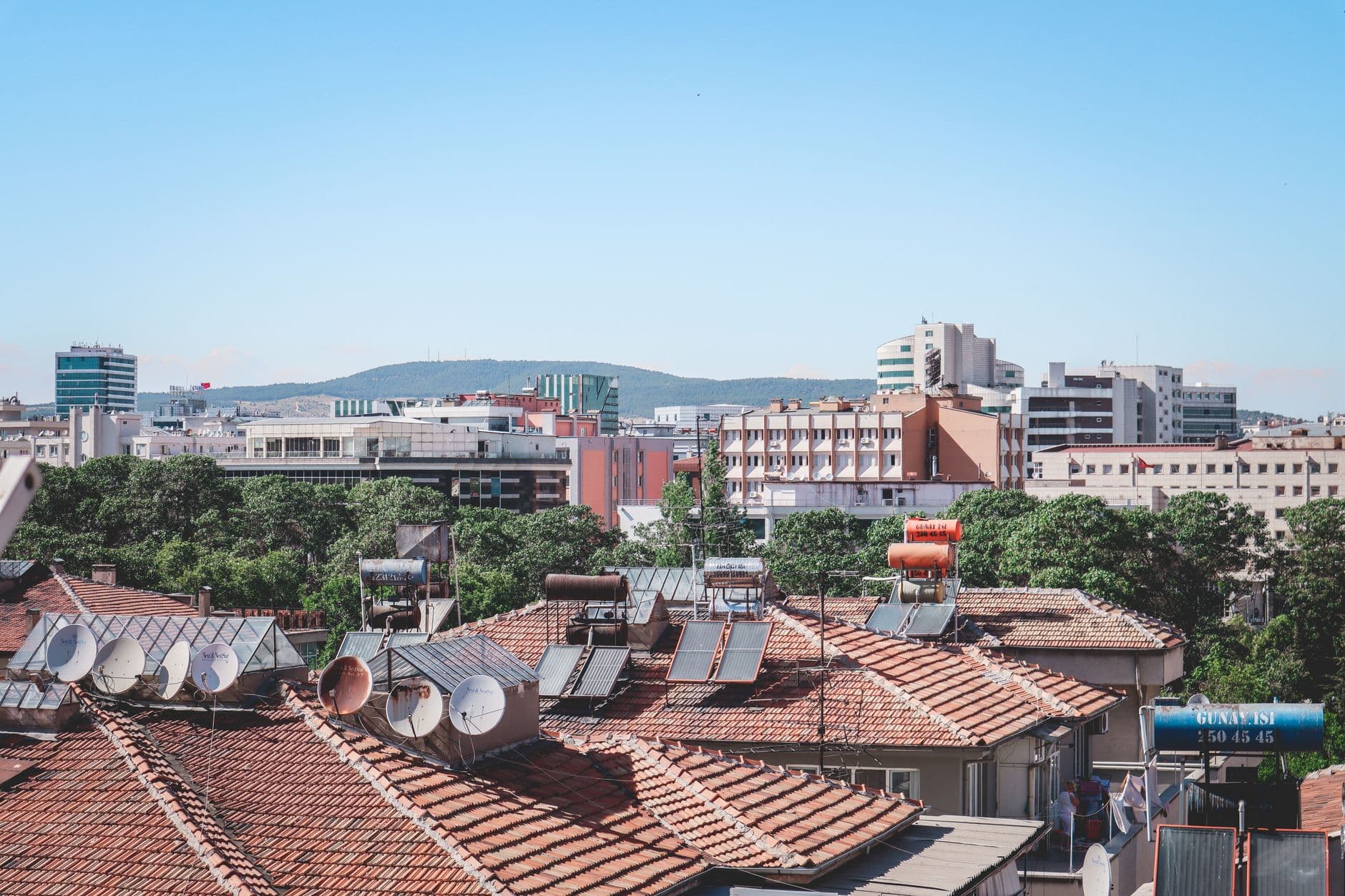
Solar market set to explode – 31% CAGR through 2032
Israel’s solar sector is on a meteoric rise, with the market projected to grow from US$187 million in 2024 to about US$1.63 billion by 2032, a compound annual growth rate of 31 %. This surge outpaces most regional renewables and puts Israel among the world’s fastest‑growing solar markets.
The drivers are clear: a supportive regulatory framework, falling solar‑panel prices, and an ambitious national target of 30 % renewable electricity by 2030. The Electricity Authority’s recent tariff revision, which lifts production rates for 100‑630 kW plants by up to 33 %, adds a financial incentive that directly fuels new installations.
Pipeline of 1.3 GW under development fuels growth
A 1.3 GW pipeline of solar projects is already in the works, ranging from utility‑scale farms in the Negev to mid‑size rooftop‑plus‑storage plants in the Central District. Developers such as Enlight Renewable Energy have recently commissioned two new solar‑storage sites, bringing the national total to nine operational units.
These projects are not just adding capacity; they are reshaping the grid. The Ministry of Energy is also planning 4 GW of large‑scale storage to smooth intermittent generation and enable higher solar penetration. Together, the new capacity and storage will help Israel meet its 20 % renewable target for 2025 and the 30 % goal for 2030.
New tariff boost makes mid‑size rooftop farms more profitable
The Electricity Authority’s 2024 tariff update raises the revenue per kilowatt‑hour for solar plants between 100 kW and 630 kW by as much as 33 %, translating to roughly USD 0.09/kWh for a 630 kW facility. This uplift improves the economics of typical rooftop systems, shortening payback periods.
The base production tariffs remain at ₪0.41/kWh for commercial customers and ₪0.54/kWh for municipal customers, with the new band providing an additional revenue boost for projects sized within it. The result is a stronger business case for solar‑plus‑storage installations that can also provide grid services.
What it means for Israeli households – payback example
A typical Israeli homeowner in the central region installing a 15 kW rooftop solar system would pay about ₪3,150 per kW, or ₪47,250 total (based on the representative turnkey cost). With an average regional yield of 1,700 kWh per kW per year, the system would generate roughly 25,500 kWh annually.
At the residential feed‑in tariff of ₪0.48/kWh, that electricity is worth ≈₪12,240 per year. Dividing the upfront cost by the annual revenue gives a simple payback of just under 4 years (≈3.9 years), well before the typical 25‑year system life ends. Even after accounting for panel degradation, the investment remains profitable for the entire lifespan, delivering substantial avoided electricity purchases and a significant reduction in CO₂ emissions.
Outlook to 2030 – storage, grid reforms, and export potential
Looking ahead, Israel’s solar boom will be amplified by three converging trends:
- Massive storage rollout – the planned 4 GW of battery capacity will allow excess solar to be stored and dispatched during peak demand, reducing curtailment.
- Grid code modernization – the Electricity Authority is working on new interconnection standards that will streamline approvals for projects under 630 kW, helping to accelerate deployment.
- Regional interconnections – ongoing Mediterranean interconnector projects could eventually enable Israel to export surplus solar power, adding a new dimension to the country’s clean‑energy strategy.
Together, these factors position Israel to not only meet its 2030 renewable target but also to become a net exporter of clean energy, reinforcing the country’s reputation as a technology‑driven renewable leader.
What it means for Israel (local perspective)
For the average Israeli homeowner, the numbers translate into a tangible financial upside: a 10 kW system (the size used in the official worked example) pays for itself in ≈3.9 years, after which the electricity is essentially free. Scaling this across many households could generate sizable national savings and a meaningful cut in CO₂ emissions, underscoring why the government, utilities, and private investors are all eager to capture a slice of the expanding market.
Stay tuned for updates on the next wave of solar‑plus‑storage projects and how they will reshape Israel’s energy landscape.
Sources & further reading
FAQ
How fast is Israel’s solar market growing?
It’s expected to grow from about US$187 million in 2024 to US$1.63 billion by 2032 – a compound annual growth rate of roughly 31 %.
What is the size of the solar pipeline in Israel?
Around 1.3 GW of solar projects are currently under development across utility‑scale farms and mid‑size rooftop‑plus‑storage plants.
How does the new tariff affect a typical home system?
The tariff lift adds roughly ₪0.06 per kWh for 100‑630 kW plants, cutting the payback period of a 15 kW rooftop system to just under 4 years.
What is the typical payback time for a residential solar system in Israel?
A 10 kW home system costs about ₪31,500 per kW and earns roughly ₪8,160 a year, giving a simple payback of about 3.9 years.
Will Israel meet its 30 % renewable target by 2030?
The rapid market growth, new storage capacity, and supportive policies put Israel on track to hit the 30 % renewable electricity share by 2030.
Can Israeli households actually save money with solar?
Yes – a typical 15 kW rooftop installation can save about ₪12,240 per year in electricity costs, turning a multi‑hundred‑thousand‑shekel investment into net‑zero bills after roughly four years.
Share this post
More from Markets
6
India’s New Renewables Face 33% Curtailment
About a third of India’s newly commissioned renewable capacity is being curtailed, with 50‑60% solar curtailment during peak hours, due to transmission delays.
Algeria’s Race to 15 GW Solar by 2035
Algeria has set a 15 GW solar target for 2035 and is already moving a 3.2 GW pipeline forward, but achieving it will require private‑sector financing, clear PPAs and a shift to an IPP model.
Europe’s Rooftop Solar Is Going Unmaintained
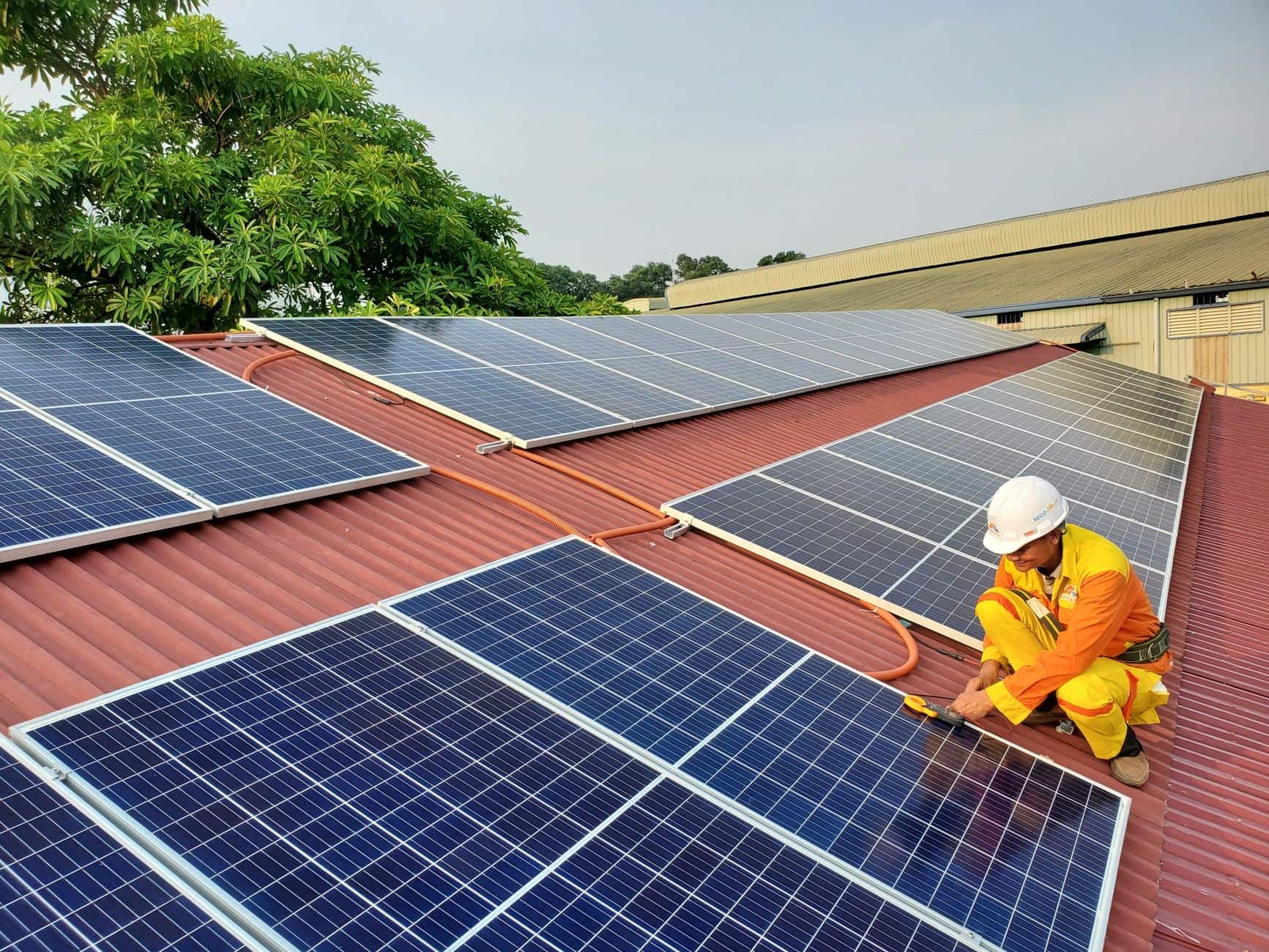
Europe’s 65 GW of new solar in 2025 left millions of rooftop systems without a maintenance provider after installer bankruptcies, creating a growing pool of orphaned PV assets.
Solar Market Dip Until 2028, Jinko Bets on Storage
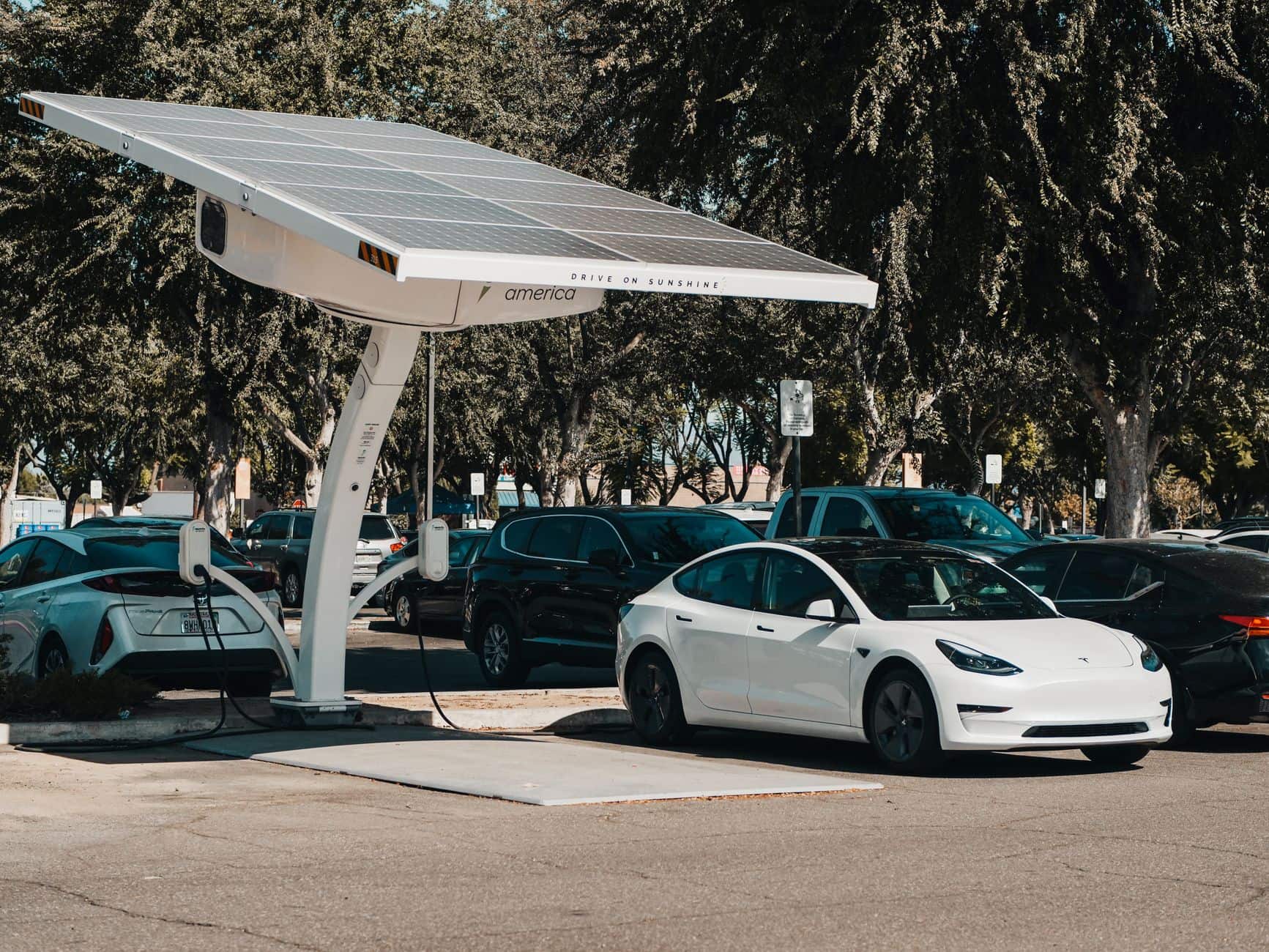
התקנות סולאריות גלובליות צפויות לעצור עד 2027, אך JinkoSolar משקיעה באחסון משולב וצופה לעלייה בשוק משנת 2028.
Ivory Coast Turns On 52 MW Solar Plant
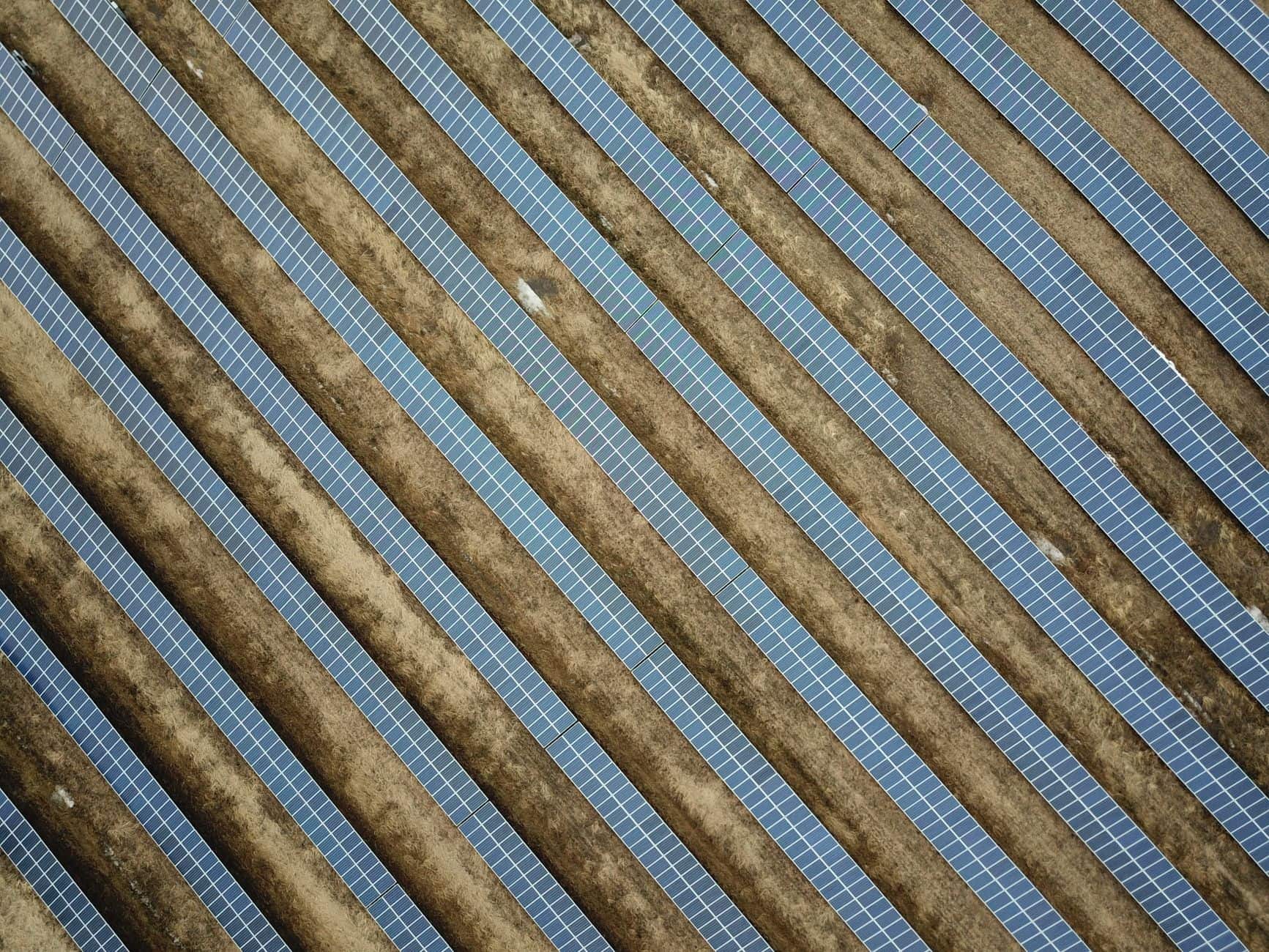
Ivory Coast has switched on a 52 MW solar plant that will generate 90 GWh a year – enough to power over 370 000 households and push the country toward its 46.3 % renewable‑energy target by 2035.
Solar Boom in the Negev Sends 15 M NIS to Residents
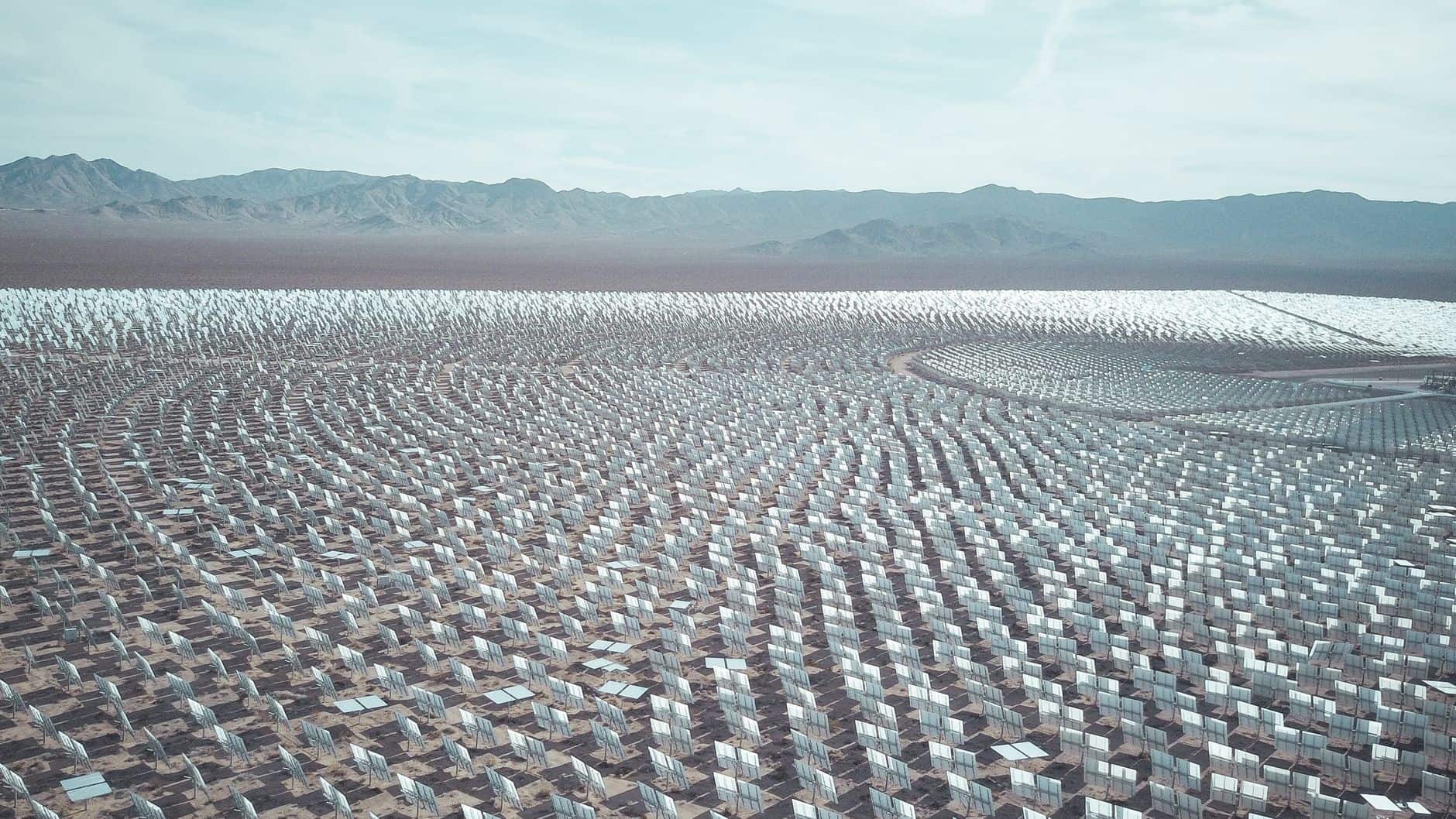
Mitzpe Ramon’s 5 MW solar farm will return roughly 15 million shekels a year to local residents, part of Israel’s fast‑growing desert solar boom.