
Golan Heights Solar Project Stalls Amid Security Tensions
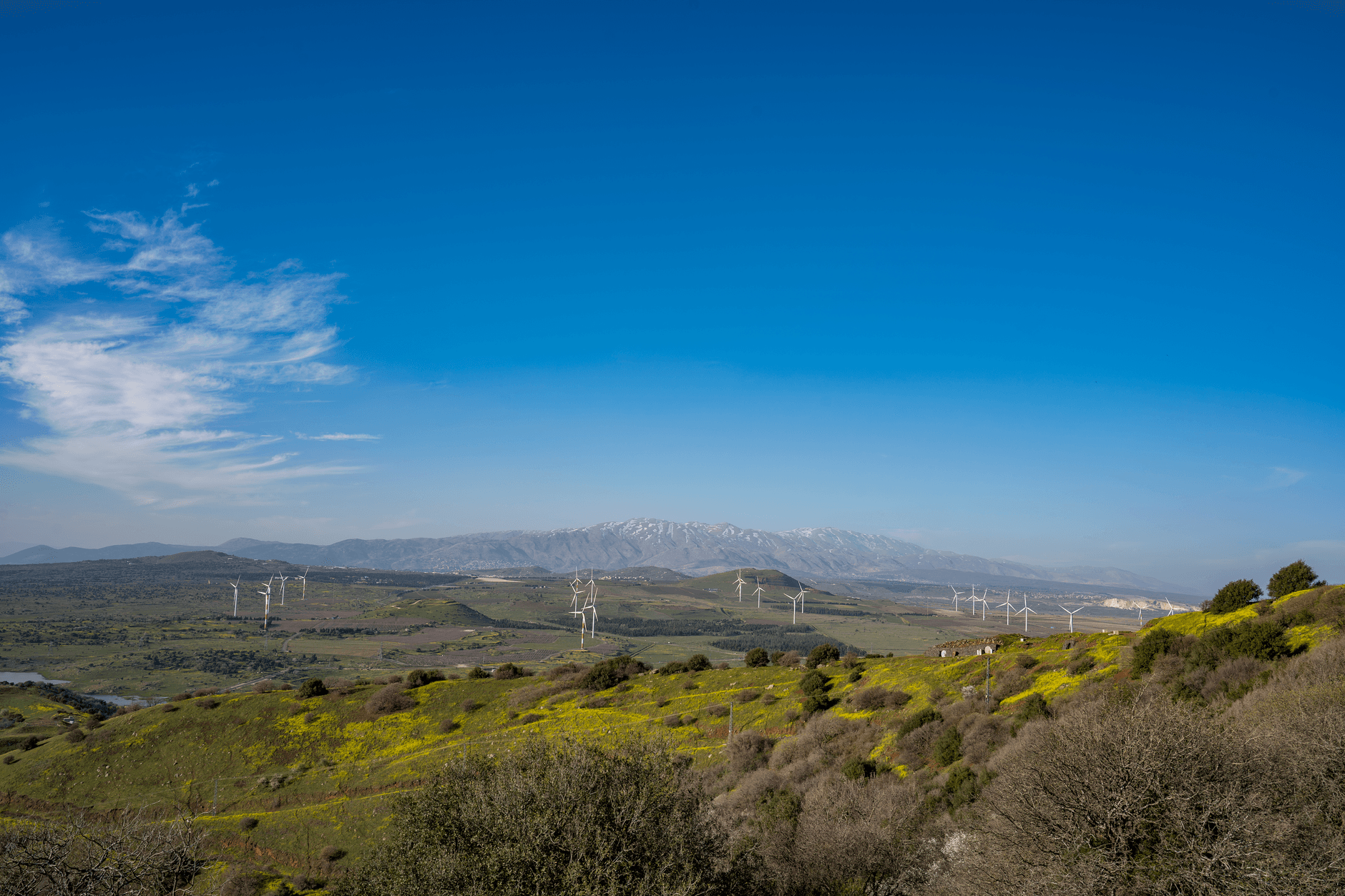
Project Halted by Security Concerns
The 104 MW "Clean Wind Energy" solar‑wind hybrid project in the Golan Heights was abruptly put on hold after security tensions with Hezbollah escalated, leaving the national renewable‑energy plan unfinished. The initiative, slated to sit just 10 km from the Lebanon border, was meant to be Israel’s flagship renewable‑energy showcase in the occupied Syrian plateau, but the conflict‑driven risk assessment forced developers to pause construction.
According to a report from MEES, Israel added 1.04 GW of renewables capacity in 2023, yet progress slowed after the October 2023 Hamas‑Gaza war and the renewed Hezbollah threat on the northern frontier. The Golan Heights project, which combined solar PV and wind turbines, was the largest under‑construction venture, and its suspension now creates a shortfall that policymakers will need to address to meet the 30 % renewable electricity target by 2030.
Why the Golan Project Was Critical
The Golan Heights site was chosen for its strong solar irradiance and favorable wind conditions, making it one of the most productive locations for a hybrid plant in Israel. If completed, the project would have added a substantial amount of clean electricity to the grid, supporting the national renewable‑energy goals.
Security Risks Overwhelm Economic Benefits
While the technical potential was strong, the proximity to the volatile Lebanon border raised red‑flag concerns. The Israeli Electricity Authority warned that any hostile incident could damage high‑value infrastructure, leading to costly repairs and prolonged outages. This risk environment reduced the financial attractiveness of the venture.
What This Means for Israel’s Renewable Goals
The pause of the Golan Heights project forces policymakers to re‑evaluate the geographic distribution of new capacity. With the project on hold, Israel will need to accelerate other large‑scale solar farms—such as the two large‑scale solar projects recently approved in the southern Golan Heights—to stay on track for the 30 % renewable target by 2030. However, those projects also face security scrutiny, underscoring a broader challenge: balancing energy independence with geopolitical risk.
What It Means for Israeli Homeowners
For the average Israeli homeowner, the stalled Golan project does not directly affect rooftop solar economics, but it does signal a shift in national policy that could influence feed‑in tariffs and incentives. Using typical Israeli figures—₪0.48/kWh residential tariff, ₪3,150/kWp installation cost, and a 1,700 kWh/kWp/year yield in the central region—a 10 kWp rooftop system generates about 17,000 kWh/year, worth roughly ₪8,160 annually. At a ₪31,500 upfront cost, the simple payback period is ≈3.9 years, and the system continues to produce clean power for ≈25 years, offsetting ≈8.5 t of CO₂ over its lifetime. The national focus on large‑scale projects could eventually lead to more favorable net‑metering rules or lower wholesale prices, indirectly benefiting residential adopters.
Looking Ahead: Alternatives and Mitigation
Experts suggest three pathways to keep Israel’s renewable momentum alive despite border risks:
- Diversify locations – prioritize solar farms in the Negev and Arava, where yields reach 2,200 kWh/kWp/year and security concerns are minimal.
- Hybrid micro‑grids – develop smaller, modular solar‑wind clusters that can be quickly shut down or relocated if threats emerge.
- Enhanced insurance schemes – government‑backed risk pools could lower premiums for border‑adjacent projects, making them financially viable again.
By adapting these strategies, Israel can continue its transition toward a greener grid while navigating the complex security landscape of its northern frontier.
For a deeper dive into residential solar economics, try our solar ROI calculator and explore the latest market data on our renewables page.
Sources & further reading
- Energy, Water and the Cost of Jordan's Dependence on Israel
- Israel Renewables: Progress Slows - MEES
- Powering Injustice report - Supplying energy to Israel - SOMO
- Occupation through renewables: FoE groups urge governments to cut ties...
- A Survey of Renewable Energy, Climate Change, and Policy... - MDPI
FAQ
Why was the Golan Heights renewable project stopped?
Security concerns near the Lebanon border, especially the risk of Hezbollah attacks, made the project too risky to continue.
How much electricity would the halted project have produced?
Around 300 GWh per year, enough for roughly 70,000 Israeli homes.
What is Israel’s renewable energy target for 2030?
To generate 30% of its electricity from renewable sources by 2030.
How does the project’s delay affect residential solar owners?
It could shift policy and tariffs, but a typical 10 kWp home system still pays back in about 3.9 years.
What alternatives are being considered to meet the renewable goal?
Building more solar farms in the Negev/Arava, creating hybrid micro‑grids, and offering government‑backed insurance for border projects.
Share this post
More from Policy
6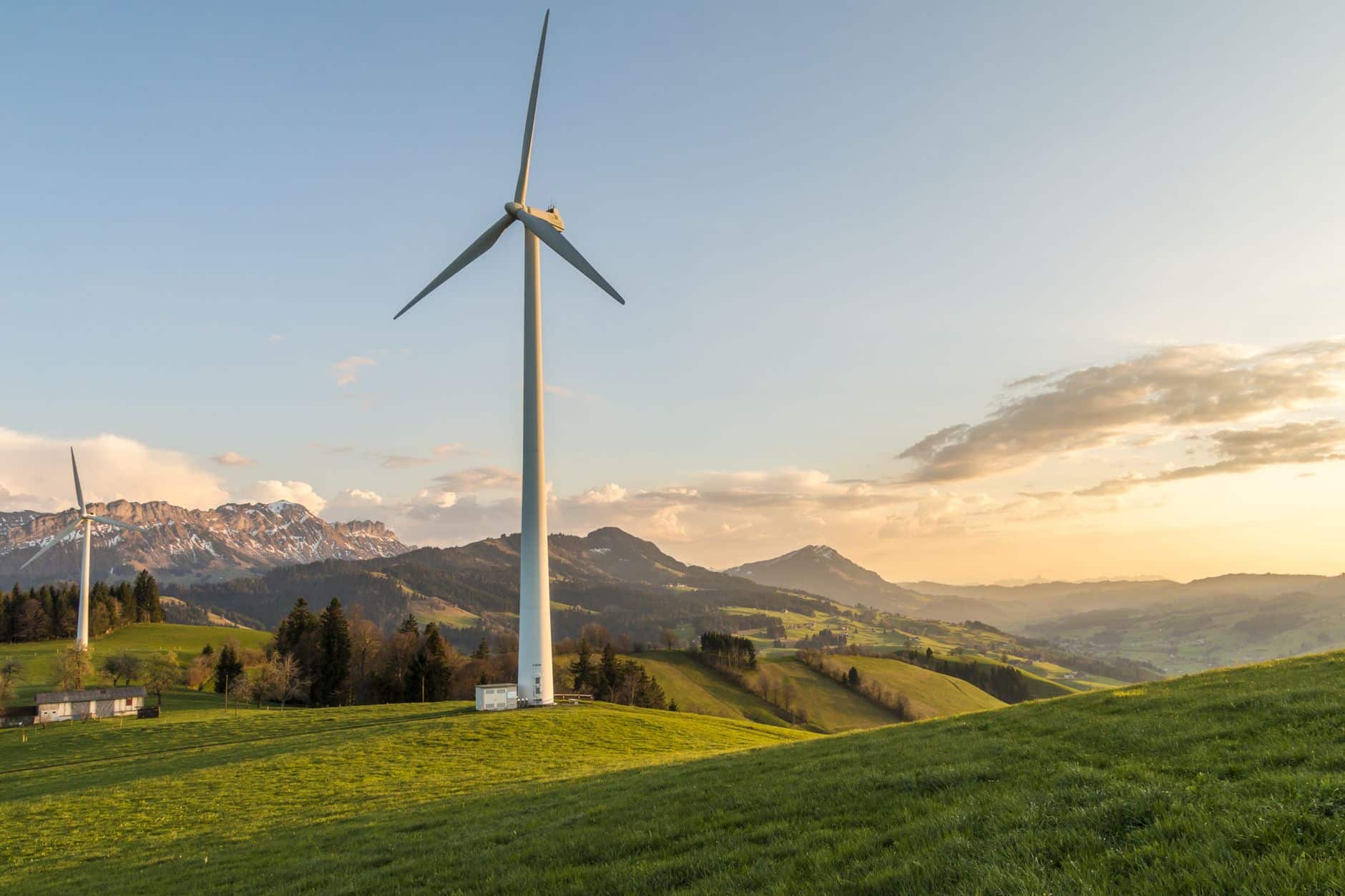
EU Sets €500M Hydrogen Auction Rules
The EU will launch its fourth hydrogen auction by the end of 2026 with a €500 million budget, tightening supply‑chain rules and offering fixed premiums per kilogram of renewable hydrogen produced.
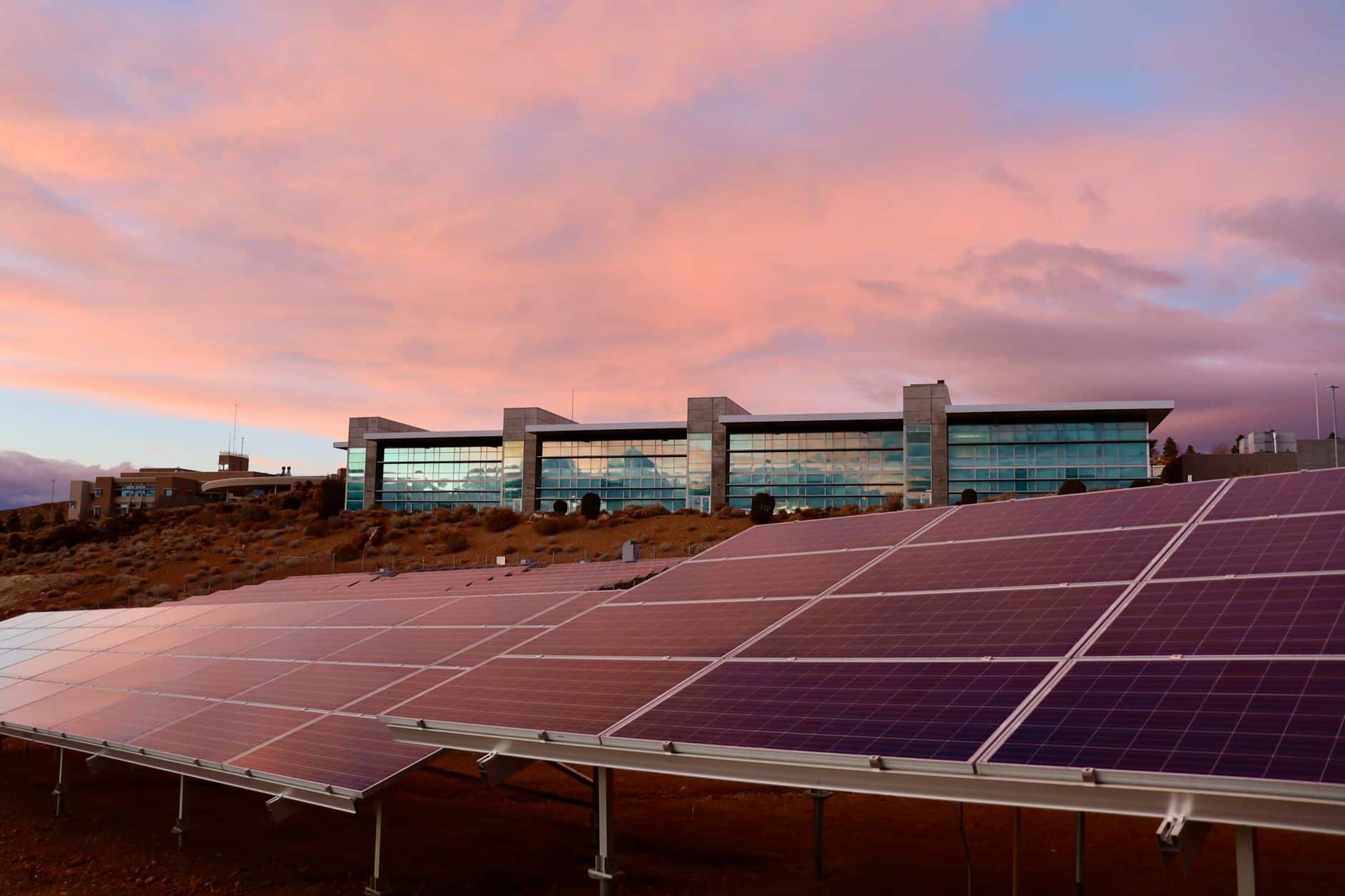
EU Sets First Solar ESG Standard
The Solar Stewardship Initiative has introduced the EU’s first ESG and traceability standard for solar PV, covering everything from labour rights to polysilicon sourcing.
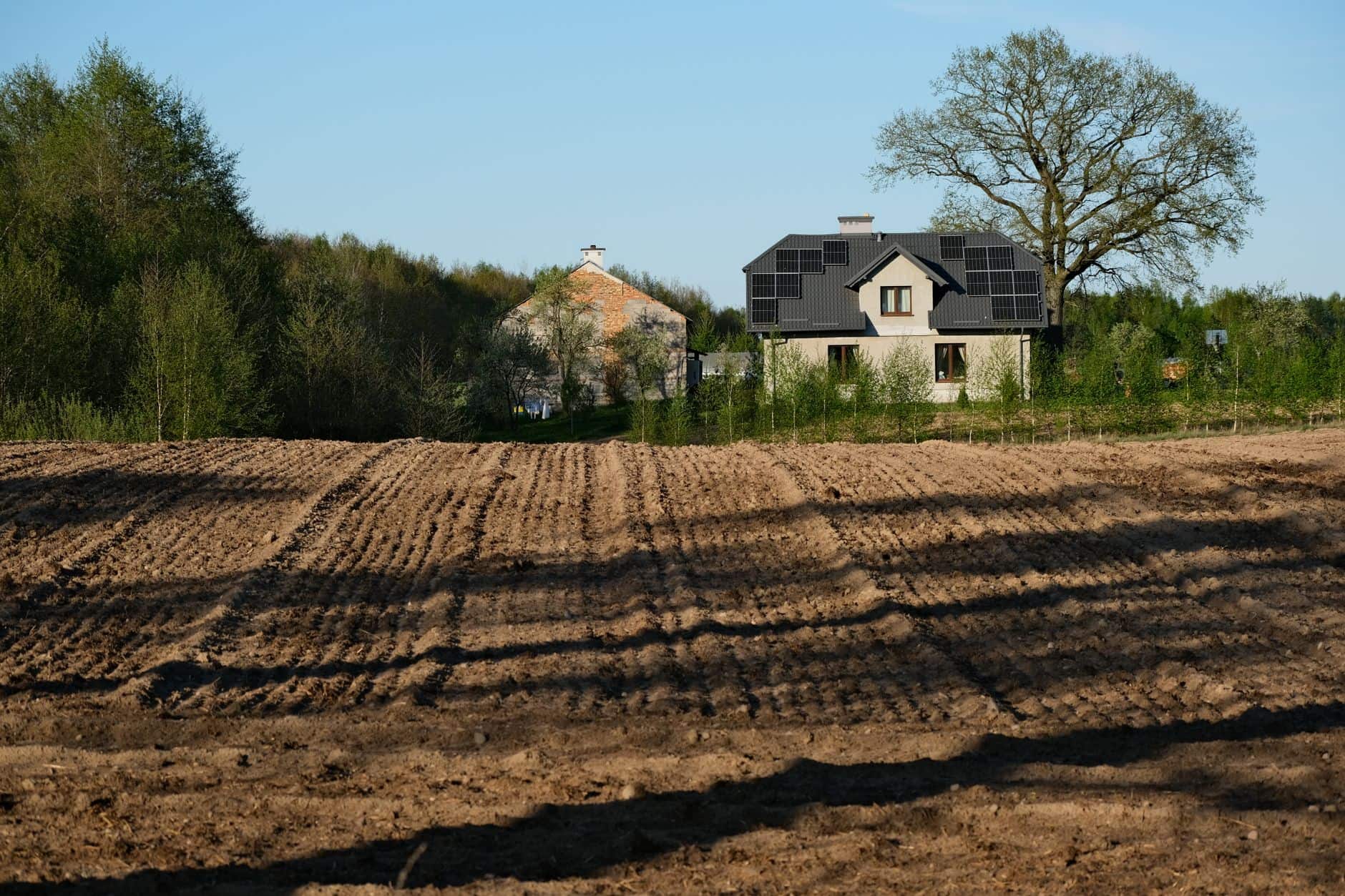
Ukraine Cuts Solar Feed‑in Tariffs to $0.14/kWh
Ukraine lowered its solar feed‑in tariffs to UAH 6.13/kWh for households and UAH 5.49/kWh for small businesses, with rates locked in until the end of 2029.
€200M Unused in Southern Italy Solar Incentive
Italy’s southern business solar incentive still has over €200 million unspent, with only €59 million of requests submitted, leaving ample room for new projects.
Germany Slashes Heat Pump Subsidy Caps
Germany will lower the maximum heat‑pump subsidy from €30,000 to €22,000 by 2030, while boosting the bonus for low‑income households to 40% and adding a “Made in Europe” requirement.

UK Frequency Rules Shift Battery Revenue
Ofgem approved six of eight rule changes to the UK’s Dynamic Response frequency services, with the first set effective from 31 July 2026, tightening availability proof and data‑submission requirements for battery storage.