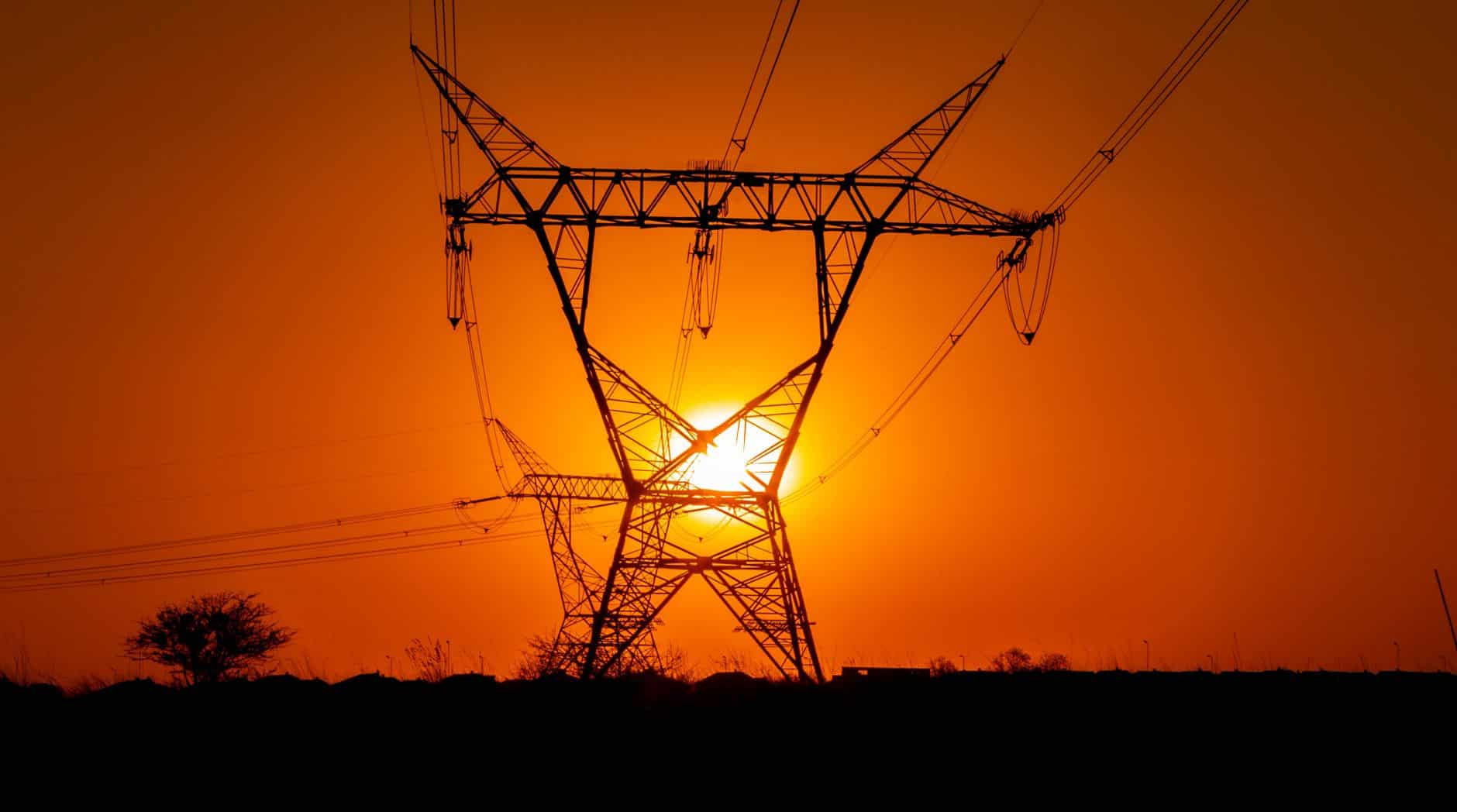
India’s New Renewables Face 33% Curtailment
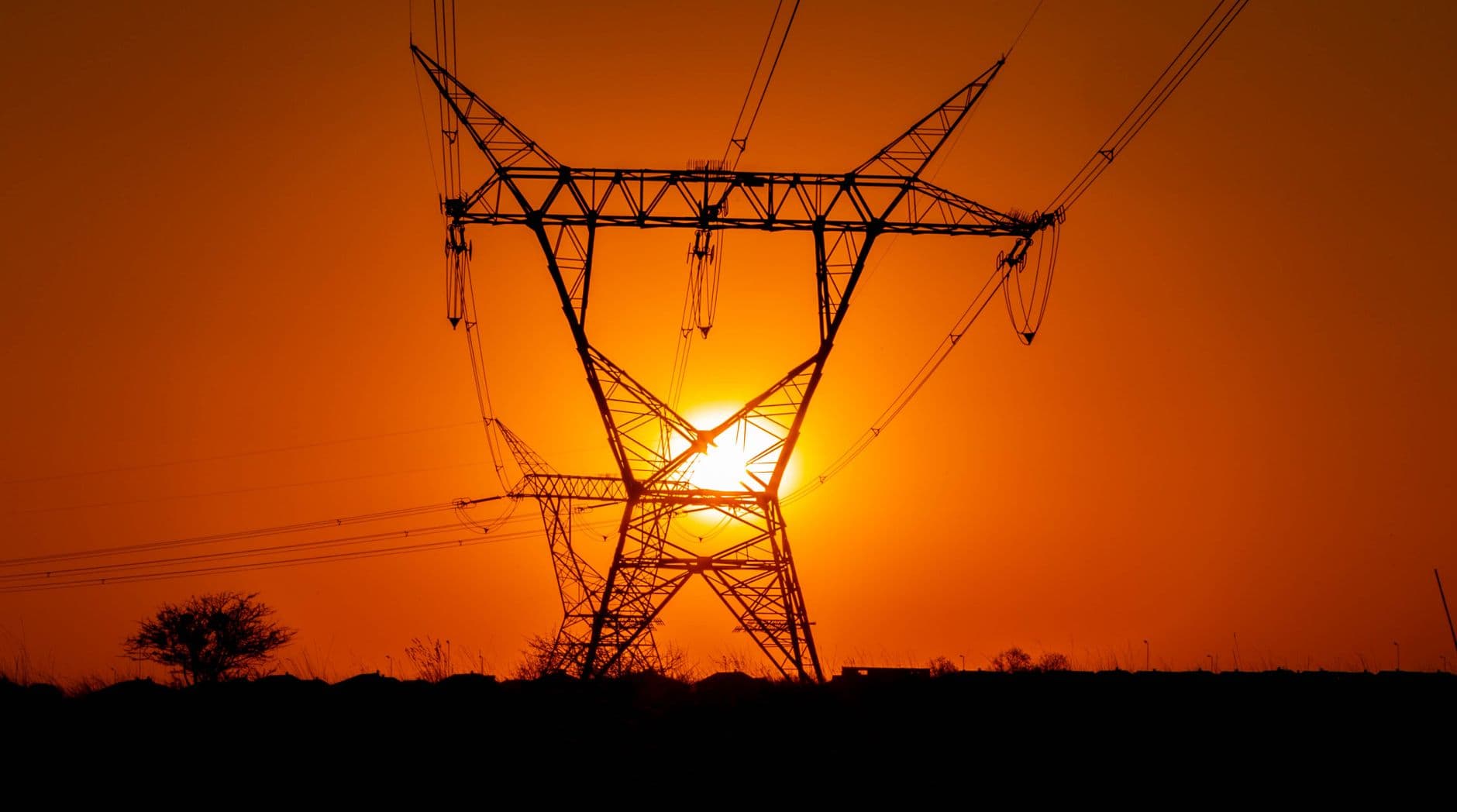
One‑third of India’s newly commissioned renewable capacity is being curtailed
India is currently evacuating only about 67% of the 54.8 GW of renewable power that came online in the last year, meaning roughly 33 % is stuck behind the grid. The curtailment is most severe during sunny hours – solar output is being throttled by 50‑60 % in the peak‑generation window. This picture comes from ICRA’s latest assessment of transmission bottlenecks, which notes that the short‑term “temporary general network access” (T‑GNA) route is now handling the bulk of the overflow.
Transmission delays are the primary bottleneck
The root cause is a lag in building new high‑voltage corridors. ICRA estimates that 20,000 km of new lines and 120 GVA of sub‑station capacity are required each year to keep pace with the government’s renewable‑energy targets. So far, only a fraction of the planned interstate transmission system (ISTS) has been completed, leaving large solar‑rich states like Rajasthan and Gujarat to rely on the temporary network. Southern India, where solar output is lower, sees far less curtailment.
Billions of rupees needed to unlock the power
To clear the bottleneck, the ratings agency projects INR 5‑6 trillion (≈ US$52‑63 bn) of investment in the transmission sector between 2026 and 2032. The spend will go toward strengthening existing lines, adding new evacuation capacity, and carving out fresh corridors that can carry the > 900 GW of non‑fossil generation slated for 2035‑36, of which ≈ 548 GW will be solar and wind. Without that cash, the curtailment rate could stay at current levels or even rise as more solar farms come online.
Project timelines are slipping, hurting returns
Delays are not limited to transmission. Of the projects awarded through the tariff‑based competitive bidding (T‑BCB) route up to March 2026, only 12 % hit their scheduled commercial‑operation date. The rest were late by two months to three years, with a median delay of over 10 months. Late commissioning pushes revenue streams further into the future, eroding internal rates of return and making financing more expensive.
What it means for Israel
Even though the grid challenges are Indian, the economics echo what Israeli developers see when transmission or grid‑connection stalls. Using typical Israeli figures – a 10 kW rooftop system in the central region yields about 17 MWh / yr (≈ ₪8,160 at the residential ₪0.48 /kWh tariff) and costs roughly ₪31,500 to install. If a comparable utility‑scale plant in Israel faced a similar level of curtailment, the loss of energy and revenue would be substantial, extending the payback period beyond the typical ~4 years seen under normal conditions. Israeli planners can therefore take a cue from India: securing transmission capacity early is as vital as securing the solar panels themselves. For a deeper dive into Israeli ROI, try our solar ROI calculator and explore the latest market data [/data].
Outlook: faster lines, faster growth
ICRA warns that if the annual 20,000 km of lines and 120 GVA of substations are not delivered on schedule, India could see chronic curtailment that drags down project economics and slows progress toward its renewable‑energy goals. The next five years will be a test of whether policy‑driven financing can outpace land‑acquisition and right‑of‑way hurdles. For investors, the message is clear: grid‑ready projects will command a premium, while those stuck on the temporary network may face reduced returns.
FAQ
How much of India’s new renewable capacity is being curtailed?
Around one‑third – about 33 % of the 54.8 GW commissioned in the last year.
Which states see the worst solar curtailment?
Rajasthan and Gujarat experience the highest curtailment, while southern states see far less.
What level of solar output is being cut during peak hours?
Solar generation is being reduced by roughly 50‑60 % during the daytime peak.
How much investment is needed in transmission by 2032?
ICRA estimates INR 5‑6 trillion (about US$52‑63 bn) for new lines and substations.
What does a 33 % curtailment mean for a 10 MW plant in Israel?
It would shave about 57 GWh of energy per year, cutting roughly ₪27 million in revenue and extending payback from ~4 to ~6 years.
Why are many T‑BCB projects delayed?
Land‑acquisition, right‑of‑way, and regulatory approvals have pushed most projects beyond their scheduled start dates, with a median delay of over 10 months.
Share this post
More from Markets
6
Algeria’s Race to 15 GW Solar by 2035
Algeria has set a 15 GW solar target for 2035 and is already moving a 3.2 GW pipeline forward, but achieving it will require private‑sector financing, clear PPAs and a shift to an IPP model.
Europe’s Rooftop Solar Is Going Unmaintained
Europe’s 65 GW of new solar in 2025 left millions of rooftop systems without a maintenance provider after installer bankruptcies, creating a growing pool of orphaned PV assets.
Solar Market Dip Until 2028, Jinko Bets on Storage
התקנות סולאריות גלובליות צפויות לעצור עד 2027, אך JinkoSolar משקיעה באחסון משולב וצופה לעלייה בשוק משנת 2028.
Ivory Coast Turns On 52 MW Solar Plant
Ivory Coast has switched on a 52 MW solar plant that will generate 90 GWh a year – enough to power over 370 000 households and push the country toward its 46.3 % renewable‑energy target by 2035.

Solar Boom in the Negev Sends 15 M NIS to Residents
Mitzpe Ramon’s 5 MW solar farm will return roughly 15 million shekels a year to local residents, part of Israel’s fast‑growing desert solar boom.
Europe's Solar Market Has No Clear Leader
The Solarmonitor study finds no single company dominates Europe’s residential solar market – the top three firms together hold only a modest share of the market.