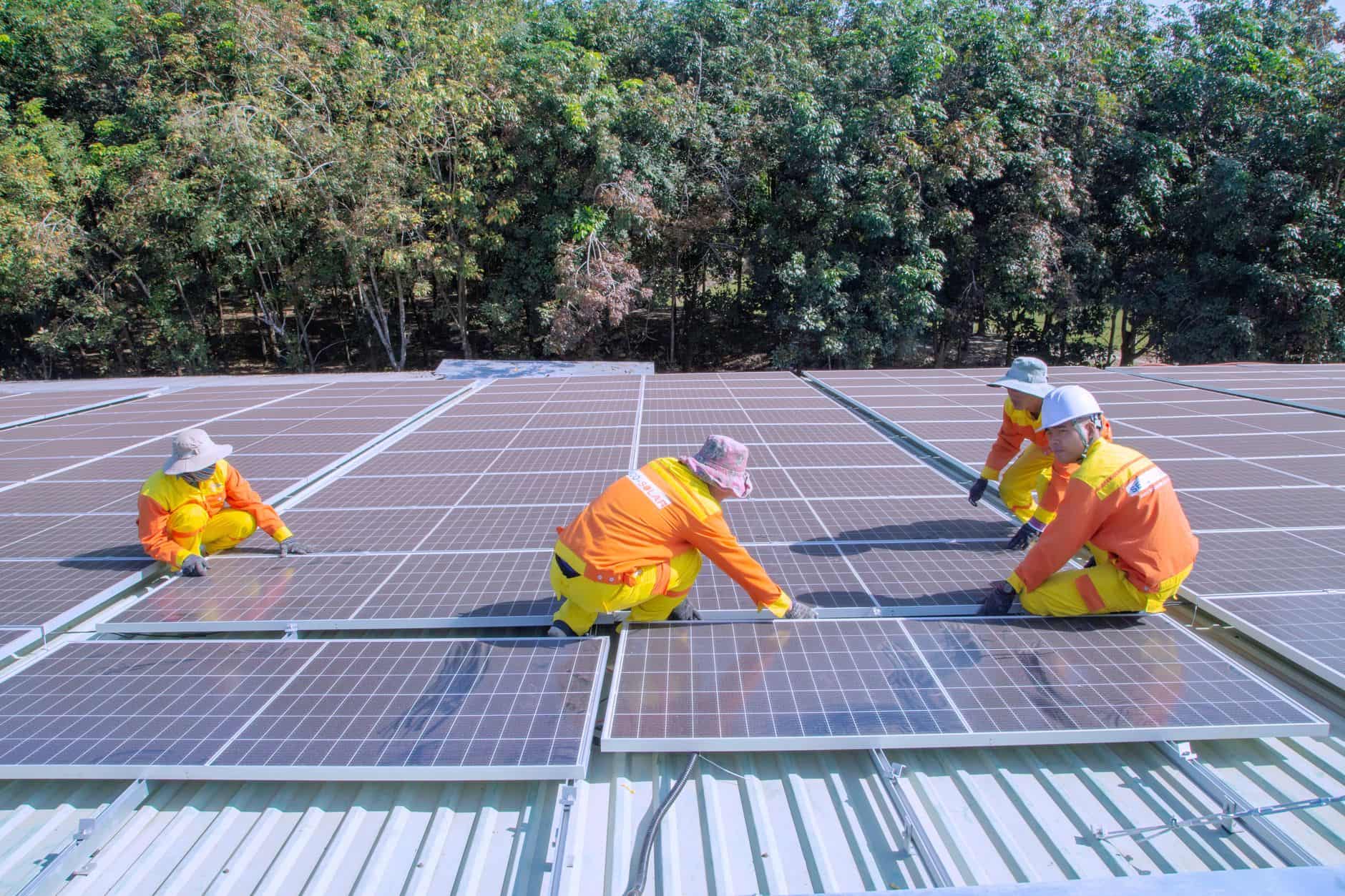
Solar Skills Shortage Hits Europe’s Fast‑Growing Market
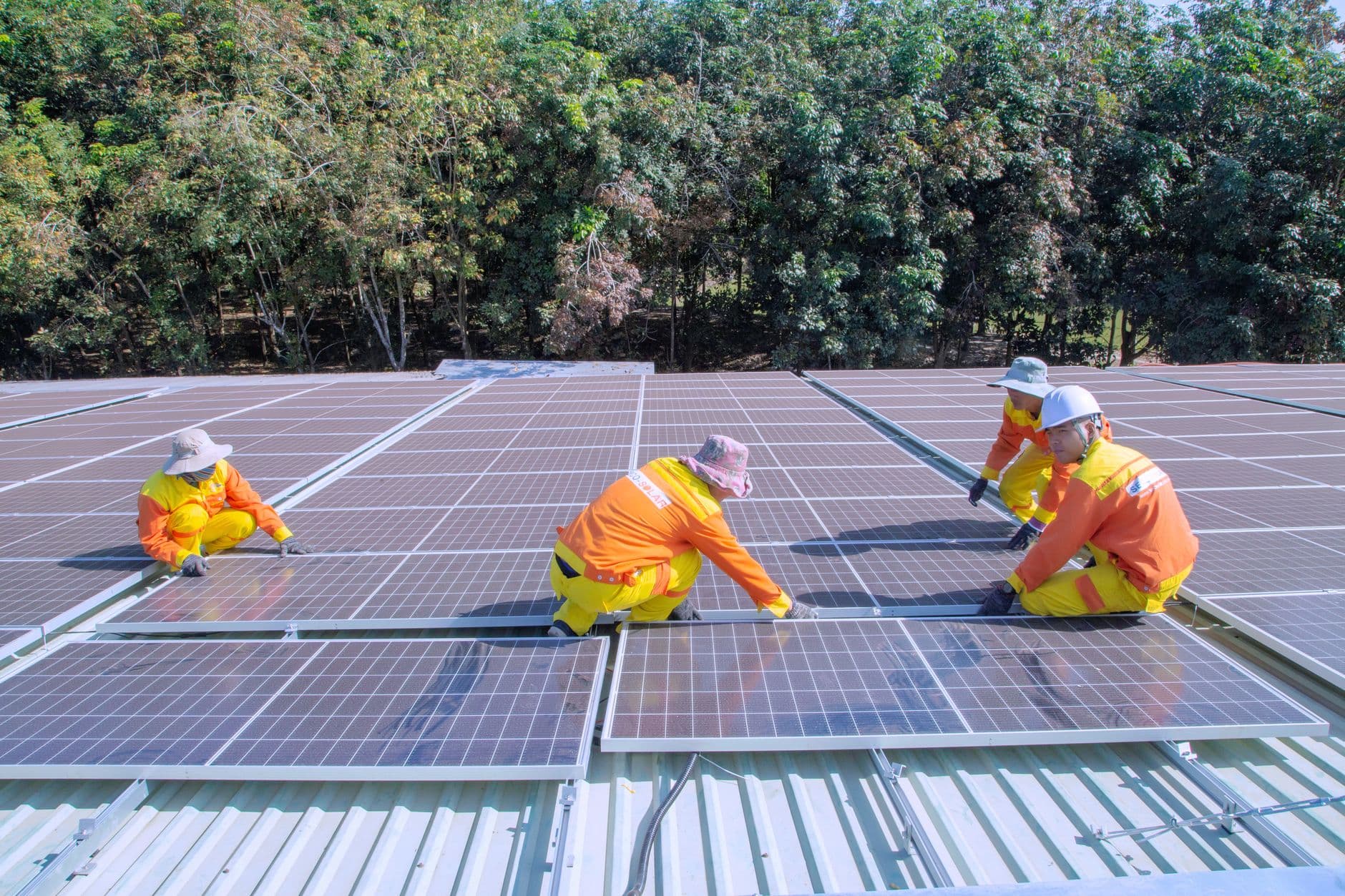
Solar training gap now threatens the sector’s rapid expansion
The European solar industry needs 800,000 new workers by 2026, and the shortage of qualified technicians is already slowing project roll‑outs, according to a new investigative look by pv magazine and corroborating data from the Global Wind Organisation (GWO). The gap stems from a mismatch between the soaring demand for solar installations and the limited capacity of existing training programmes.
The RES Training Centre in Albacete, Spain, became the first RES facility to earn the internationally recognised GWO Solar certification on 19 December 2025, offering both Solar Safety Training (S‑ST) and Solar Technical Training (S‑TT). Its “Merit Form” method lets experienced technicians have their existing competence formally mapped to GWO standards, avoiding the need for full retraining and speeding up the pipeline of qualified workers.
GWO data confirms a steep rise in solar‑related training
GWO’s 2025 Annual Report shows a 15.2 % increase in course participants, reaching 140,544 trainees that year, and a 13.5 % rise in training modules delivered, totalling 603,575 modules. While these figures reflect growth, they still fall far short of the 800,000‑worker target highlighted by pv magazine for 2026. The Global Wind Workforce Outlook 2024‑2028 also notes that the solar training standards initiative, a joint effort by GWO and the Global Solar Council, is still in its early rollout phase, meaning many regions lack accredited curricula.
European solar jobs are already under pressure
SolarPower Europe’s EU Solar Jobs Report 2025 warns that after a record‑high of 865,000 employees in 2024, the sector is poised to lose jobs for the first time in a decade. The report attributes the looming decline to a skills bottleneck: without enough trained installers and O&M staff, developers are forced to delay or down‑size projects, eroding employment gains.
A study by Ernst & Young (2021) on the EU Next Generation Recovery Fund also highlights that green‑economy investments are being throttled by a lack of qualified labour, especially in solar‑panel installation, electrical work, and roof‑mounting expertise. The ClimateXChange mapping of Scotland’s solar workforce (June 2024) lists electricians, structural engineers, and roofers among the most acute shortages, echoing the broader European trend.
Why the shortage matters for Israel’s solar ambitions
Israel aims to reach 30 % renewable electricity by 2030 and 20 % by 2025. Achieving these targets will require a rapid scale‑up of rooftop and utility‑scale solar, which in turn depends on a skilled workforce. Using the typical Israeli installation cost of ₪3,150 /kWp and a residential tariff of ₪0.48 /kWh, a 10 kWp home system generates roughly 17,000 kWh/year, worth ₪8,160 annually. If the same system were installed in Europe, the lack of qualified installers could lead to longer timelines and higher costs, undermining the economic case for rapid deployment.
What can be done: scaling up certified training
The RES centre’s “Merit Form” approach offers a template for Europe and Israel alike: recognise existing competence, map it to international standards, and fast‑track certification. GWO’s push for a unified solar‑training curriculum, combined with national vocational programmes, could close the gap. Industry groups suggest doubling the number of accredited training centres by 2027 and creating joint‑industry scholarships to attract younger talent.
What it means for Israel
For Israeli homeowners, the current skills shortage abroad signals a warning: if local training does not keep pace, imported solar components could face delayed installation, raising costs. At the typical ₪3,150/kWp install price, a 15 kW system (common for medium‑size homes) costs about ₪47,250 and yields ≈25,500 kWh/year, translating to ≈₪12,240 in savings annually. A payback period of several years is realistic when installation proceeds without delays. However, if skilled installer availability drops, the payback could be extended, underscoring the need for robust local training pipelines.
Looking ahead
The solar sector’s growth trajectory remains strong, but without a coordinated response to the skills shortage, Europe risks stalling its renewable‑energy transition and Israel may feel the ripple effects in higher installation costs and slower adoption. Scaling certified training, leveraging merit‑based pathways, and investing in vocational education will be essential to keep the momentum alive.
Sources
- pv magazine investigation (June 2026) – original source
- Global Wind Organisation, Annual Report 2025 – GWO Annual Report 2025
- Global Wind Organisation, Training Standards Overview – GWO Training Standards
- SolarPower Europe, EU Solar Jobs Report 2025 – EU Solar Jobs Report 2025
- Ernst & Young, EU Next Generation Recovery Fund analysis – ETUI Green Jobs Crisis
- RES Group press release – RES builds world’s largest GWO‑certified solar workforce
FAQ
- Q: How many solar technicians does Europe need by 2026? A: About 800,000 new workers, according to pv magazine.
- Q: What is the GWO Solar certification? A: An internationally recognised standard covering safety and technical training for solar O&M staff.
- Q: Why is the shortage a problem for Israel? A: Delays in European training can raise component costs and installation timelines, affecting Israeli projects that rely on imported equipment.
- Q: How fast is solar‑training growing? A: GWO reported a 15.2 % rise in participants and a 13.5 % rise in modules delivered in 2025.
- Q: What can homeowners do? A: Choose installers with certified training and consider merit‑based certification pathways to ensure quality.
Key Facts
- Europe needs 800,000 new solar workers by 2026.
- GWO training participants grew 15.2 % in 2025, reaching 140,544.
- SolarPower Europe recorded 865,000 solar‑sector employees in 2024, the highest ever.
- A typical 10 kWp Israeli home system pays back in ≈3.9 years at current tariffs.
- RES’s Albacete centre certified 271 technicians under GWO standards in 2025.
Meta Title: Solar Skills Shortage Hits Europe’s Fast‑Growing Market Meta Description: Europe needs 800,000 new solar technicians by 2026; training gaps threaten project roll‑outs and could raise costs for Israel’s solar expansion. Tags: solar energy, solar training, GWO certification, renewable jobs, Israel solar market Image Keywords: solar training, solar technicians, renewable energy workforce, solar installation, GWO certification CategoryKey: technology
Sources & further reading
FAQ
How many solar technicians does Europe need by 2026?
About 800,000 new workers, according to pv magazine.
What is the GWO Solar certification?
An internationally recognised standard covering safety and technical training for solar O&M staff.
Why is the shortage a problem for Israel?
Delays in European training can raise component costs and installation timelines, affecting Israeli projects that rely on imported equipment.
How fast is solar‑training growing?
GWO reported a 15.2% rise in participants and a 13.5% rise in modules delivered in 2025.
What can homeowners do?
Choose installers with certified training and consider merit‑based certification pathways to ensure quality.
Share this post
More from Technology
6
Why Women Still Face Double Standards in Solar
At Intersolar Europe 2026, Women in Solar+ Europe revealed that women still face double standards in visibility, credit, motherhood, and networking, and called for concrete allyship to change the industry.
East Asia’s May Sun Boosts Solar Output by 15%
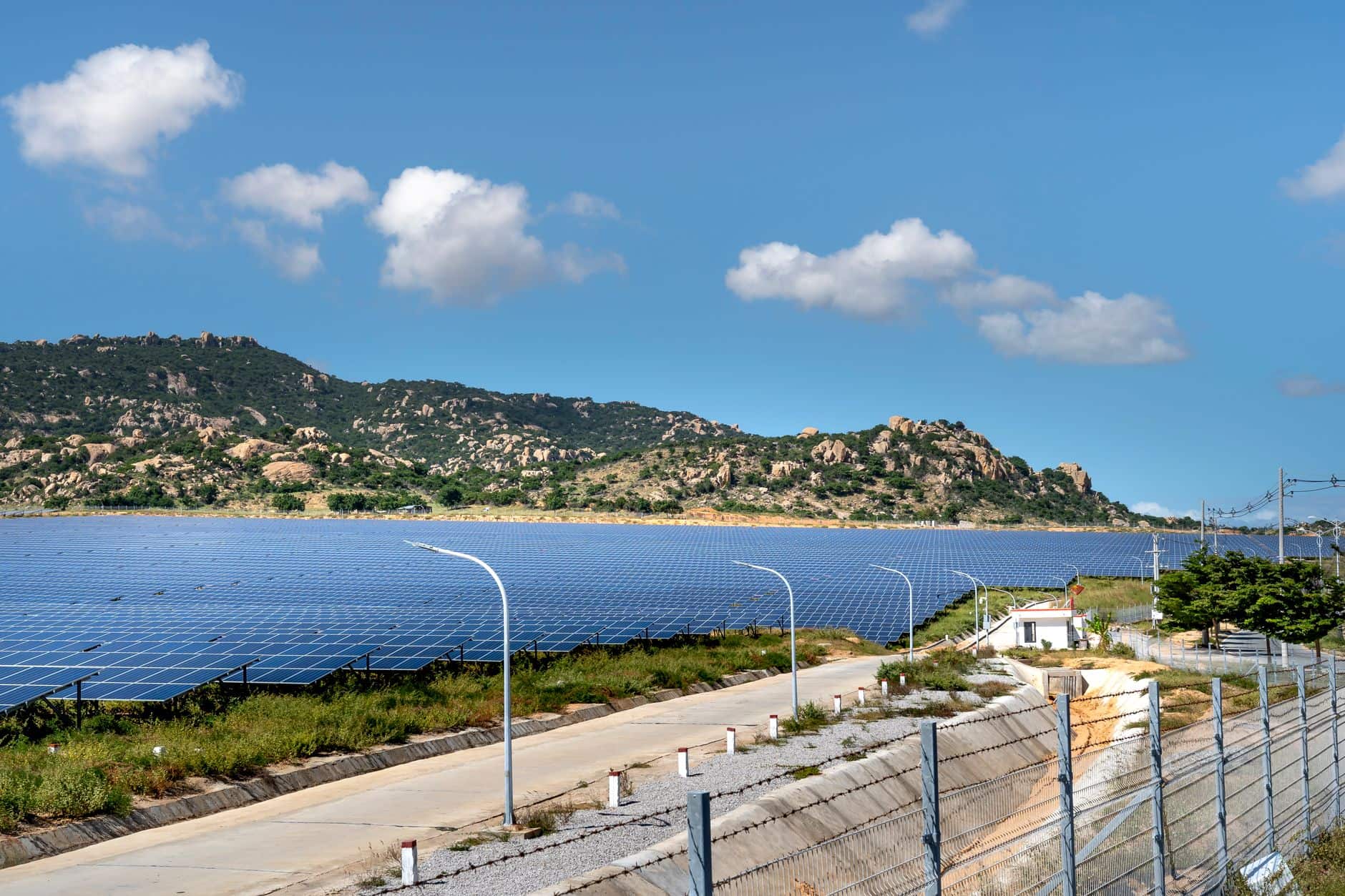
May 2026 saw coastal East Asia bathed in clear skies, pushing solar irradiance up to 15 % above the long‑run average, with Japan’s Tokyo and Osaka recording record‑sunny months.
NextPower’s Acquisition Blitz Powers Solar Expansion
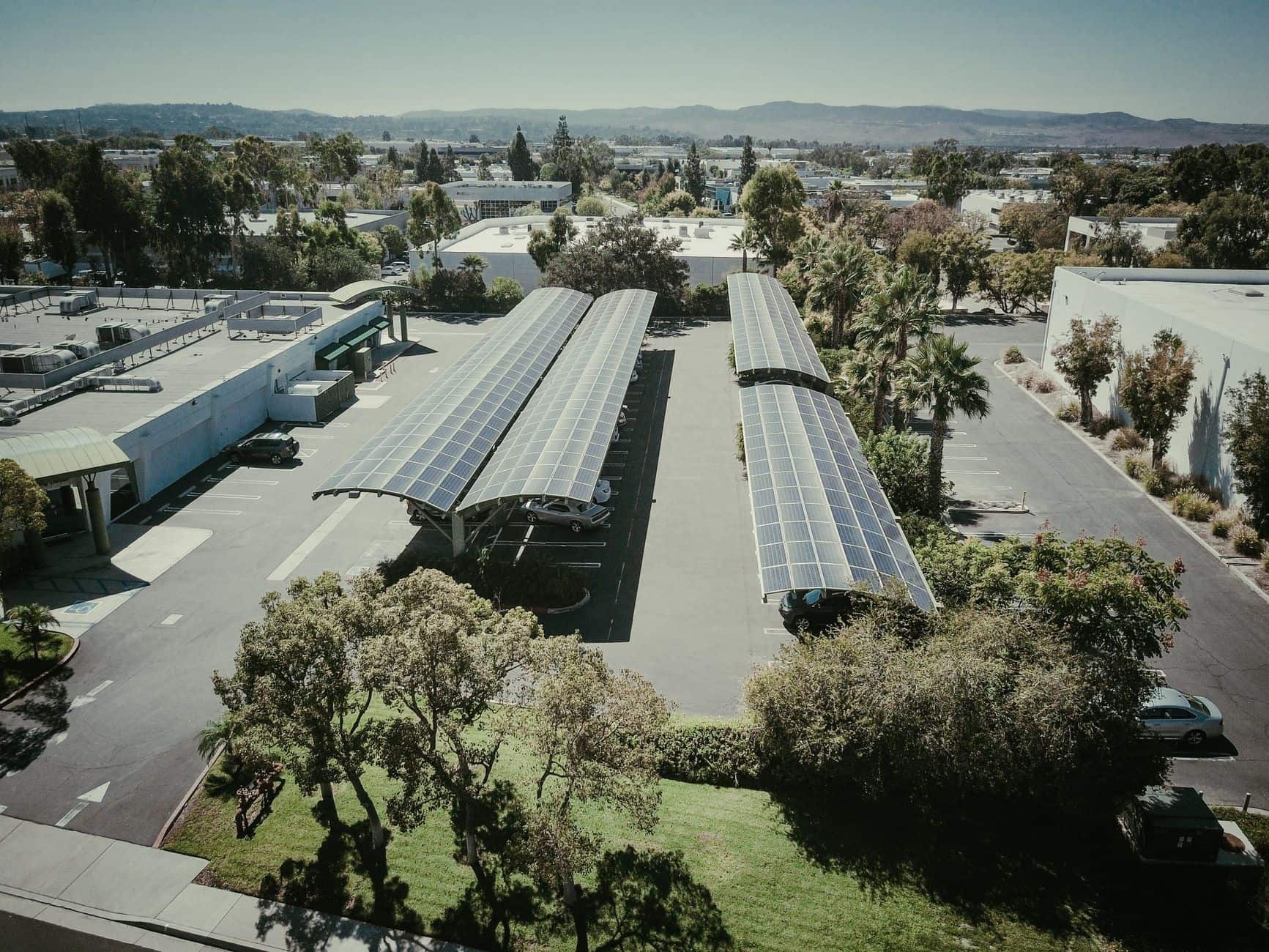
NextPower now supplies almost every utility‑scale solar component except PV modules and battery cells, after a rapid acquisition spree that added inverters, storage platforms and mounting systems.
Record Solar Growth Fuels Renewables 24/7 Vision
The Smarter E 2026 in Munich hosts 2,662 exhibitors in a fully‑booked 206,000 m² hall and showcases the “Renewables 24/7” vision, while global solar installations hit a record 664 GW in 2025.
AI‑Chef Revolutionizes Solar Factories Worldwide
ATW’s AI‑Chef platform lets the company ship fully‑optimized, AI‑run solar factories abroad, fueling a revenue jump from $100 M to $1.2 B and positioning Southeast Asia as its main growth engine.

Colored Perovskite Tandems Boost BIPV Efficiency
Microquanta has launched a commercial 26 % efficient coloured perovskite‑silicon tandem BIPV module, offering higher power density and in‑house colour customisation for architects.